The story behind the recipe
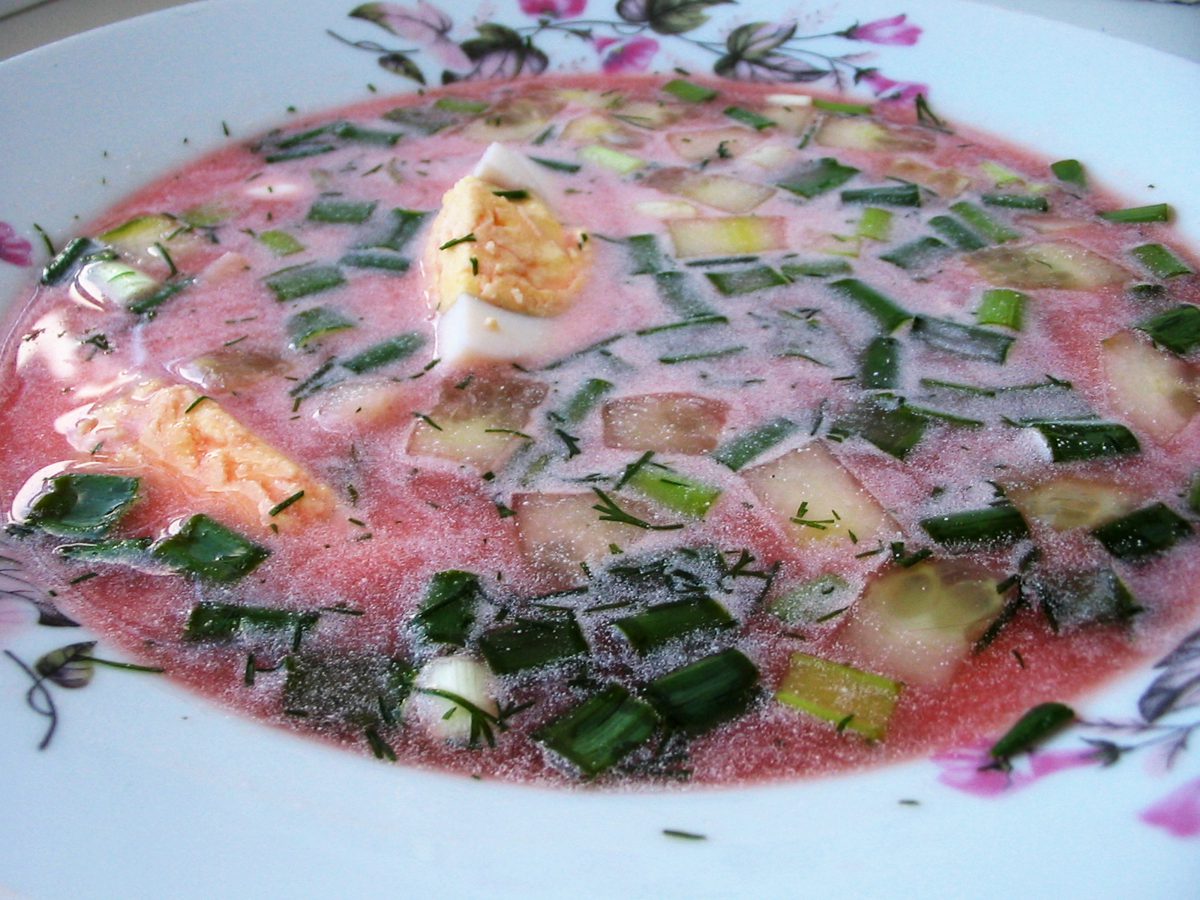
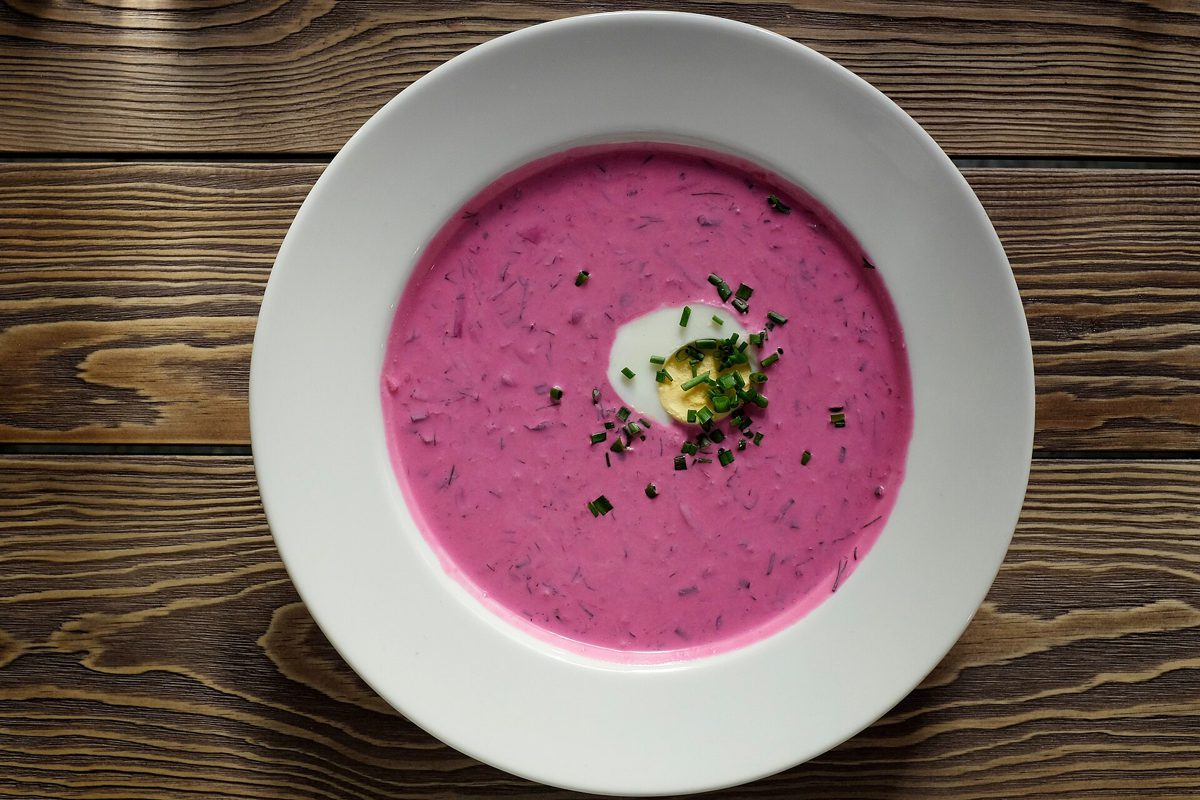
On the List of Traditional Products of the Ministry of Agriculture, chłodnik is listed as "Chołodziec litewski (chłodnik)" from the Podlaskie Voivodeship, registered on May 16, 2006. The entry begins with the words "Refreshing beet soup with visible pieces of fresh vegetables and spices," describing the taste as "slightly sour, with a noticeable hint of kefir and dill" and mentions the Lithuanian minority from the Sejny area. It is eaten cold right after preparation, with boiled potatoes, and traditional recipes included crayfish tails or other meat. It appears several times in "Pan Tadeusz": in Book I "And the Lithuanian chłodnik they ate cheerfully in silence," and in Book V "And the zabielany chłodnik they ate cheerfully in silence."
According to English Wikipedia, the recipe for this soup was recorded as early as the late 18th century by Paul Tremo, the chef of King Stanisław August, and it was served in Puławy in 1825. Wincenta Zawadzka in "Kucharka litewska" (Vilnius 1854) presents it as a regional specialty, while "Kucharka szlachecka" by Marciszewska from 1878 uses the name "Chłodnik litewski czyli chłodziec ukraiński". The old chłodnik was not made with kefir. Lucyna Ćwierczakiewiczowa in 1871 made it "with rye borscht, or with cucumber brine, or finally with sorrel brine," with young beets, dill, chives, and "a quart of sour cream." She added hard-boiled eggs, crayfish tails, and "a few pieces of ice" to the bowl.
In Lithuania, the same soup is called šaltibarščiai, meaning "cold borscht." In a 2023 article by the Polish editorial team of LRT, Professor Rimvydas Laužikas from Vilnius University states that older versions were made with pickled beet leaves, and the roots that give the pink color only became popular in the interwar period. According to him, chłodnik "has become part of Lithuanian identity." Since 2023, a cold soup festival has been held annually in Vilnius. There is no single recipe version. As Elżbieta Monkiewicz said in the same article: "There is no 'must'."
Ingredients
Cooking
-
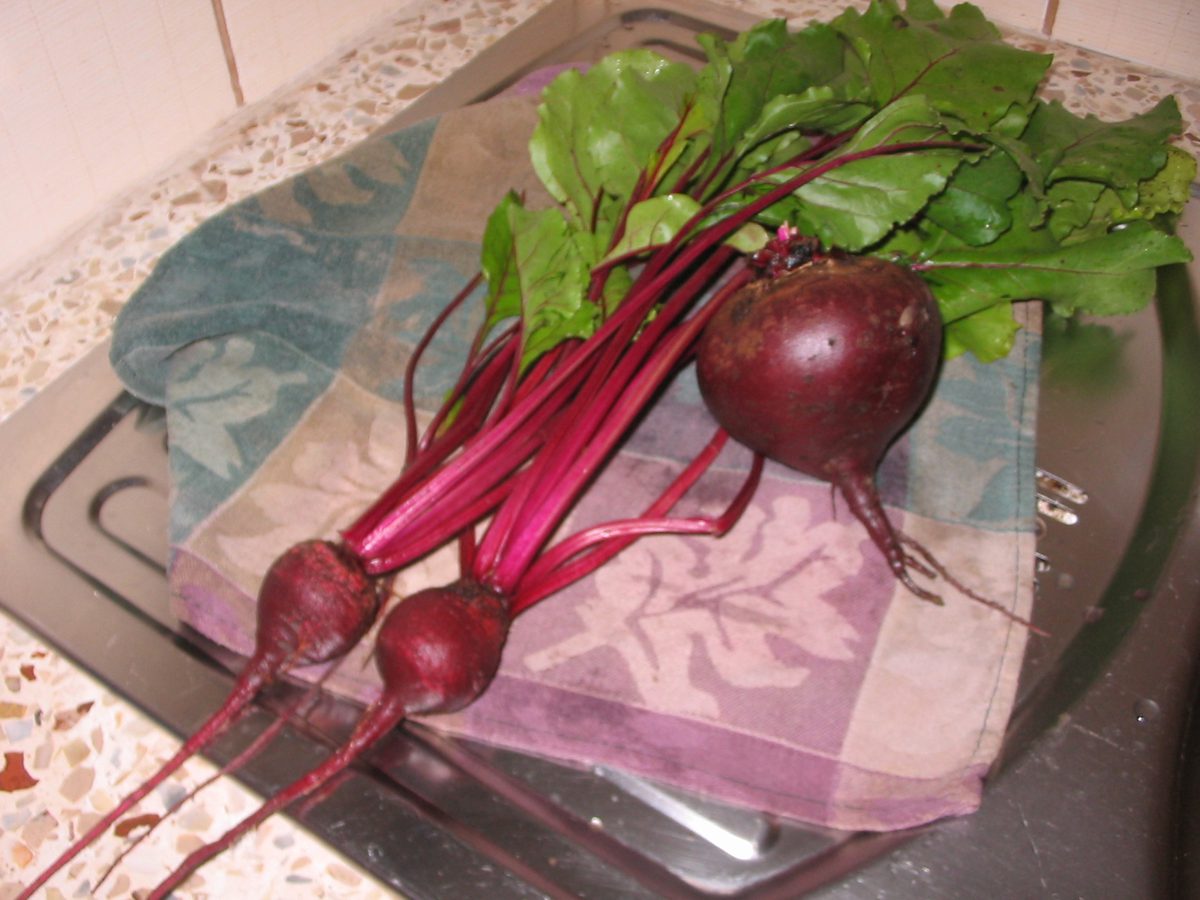
500 g botwina (młode buraki z liśćmi) (1.5–2 bunches: about 250 g of roots and 250 g of stems with leaves)
Abroad: USA and Canada: beets with greens or bunched beets; UK: bunched beetroot; Germany: Rote Bete mit Grün; Australia: beetroot bunch - 500 ml woda albo lekki bulion warzywny
- 1 tsp (about 6 g) sól (flat, in total: part for cooking, the rest to taste)
- pieprz czarny mielony (to taste)
Base
-
500 ml kefir (cold; or buttermilk or soured milk)
Abroad: plain unsweetened kefir; buttermilk: cultured buttermilk, Germany: Buttermilch or Dickmilch -
250 g śmietana 18%
Abroad: USA, Canada, Australia: sour cream; UK: soured cream; Germany: Schmand or saure Sahne -
1 tbsp sok z cytryny (up to 2 tablespoons; or 1 teaspoon of vinegar or 100 ml of beet brine)
Abroad: beet brine in Polish shops - 0.5 clove czosnek (optional)
- 1 pinch cukier (optional)
Vegetables and herbs
-
2 pcs ogórki gruntowe (about 200 g)
Abroad: USA and Canada: Kirby cucumbers; elsewhere small cucumbers or peeled long cucumbers without seed cavities - 5 pcs rzodkiewki (about 100 g)
- 0.5 bunch koperek (about 25 g)
- 0.5 bunch szczypiorek (about 20 g)
To serve
- 4 pcs jajka (hard-boiled)
- młode ziemniaki (boiled in their skins, optional, quantity as desired)
Method, step by step
-
Cut the roots of the young beets from the stems and leaves. Soak everything for a few minutes in cold water to let the sand from the leaves settle to the bottom, then rinse thoroughly.
-
Peel the roots and cut them into small cubes. Chop the stems and leaves separately. If there are a lot of leaves, you don't have to use them all.
-
Bring water or broth to a boil with a little salt. Add the roots and thicker stems and cook covered for 10–15 minutes, adding the leaves for the last 2–5 minutes. Do not cook longer, as the leaves will turn gray and the color will fade.
-
Cool the young beets completely, for example, by placing the pot in a larger container with cold water. You will add kefir and cream only to the cold mixture.
-
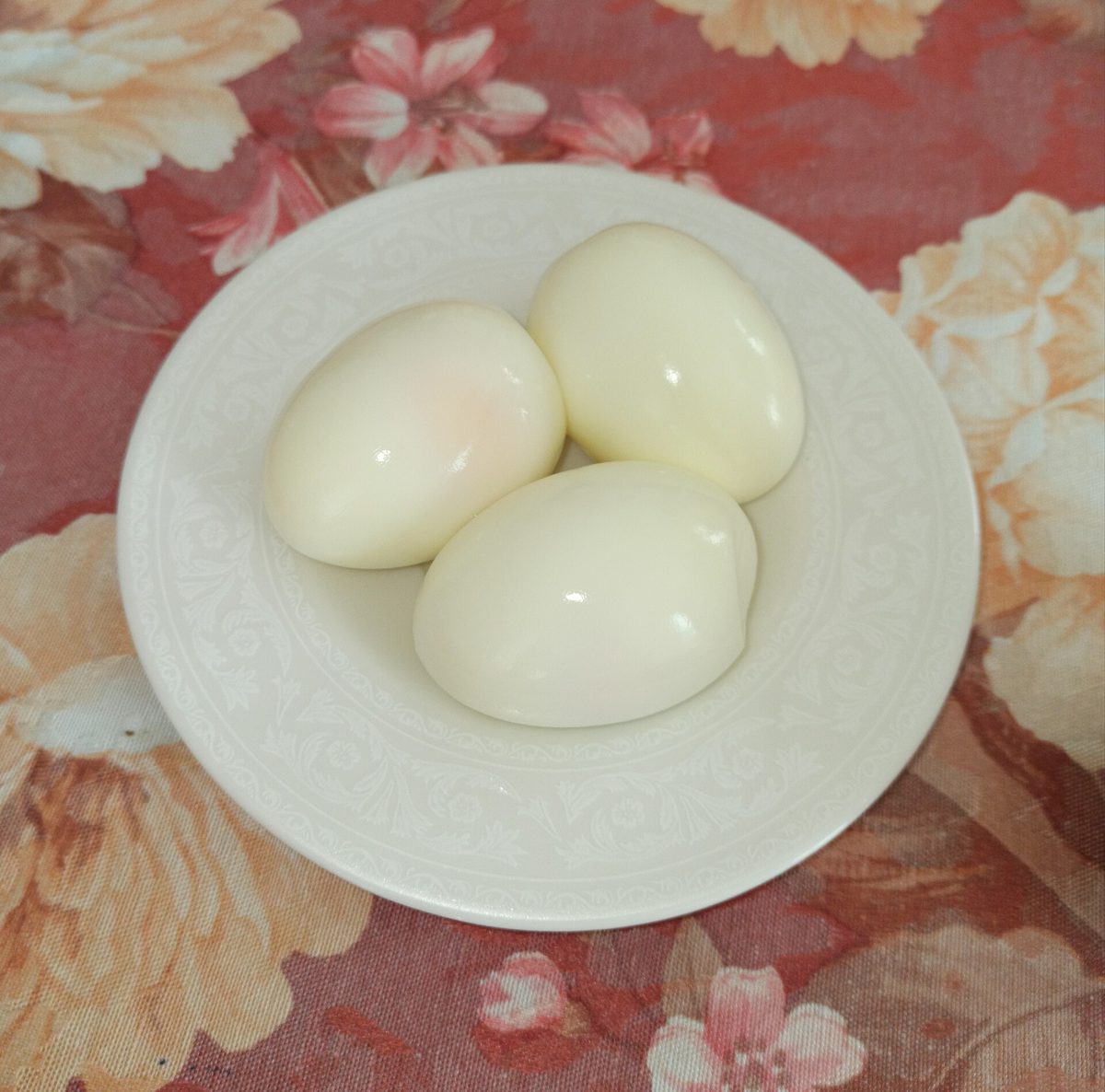
In the meantime, boil the eggs hard, cool them in cold water, and peel.
-
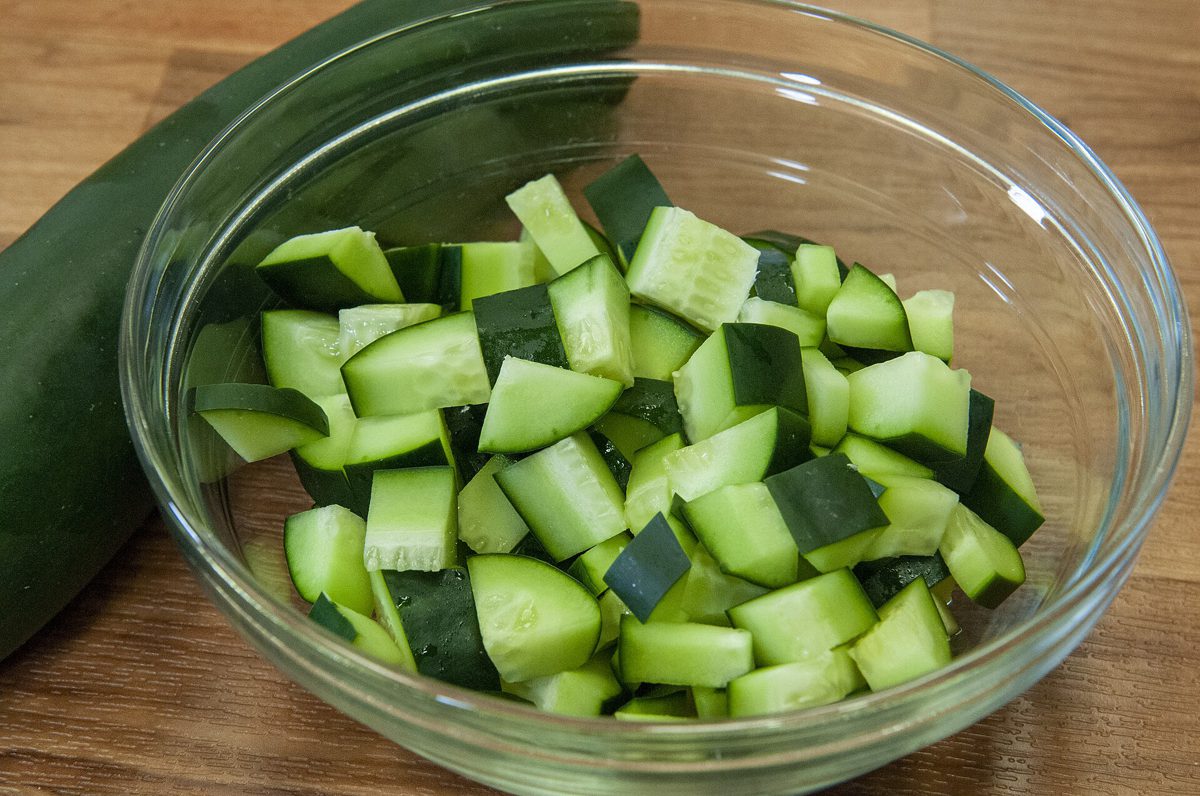
Wash the cucumbers, peel older ones, and remove the seed cavities. Cut them into small cubes or grate them, salt, and set aside for about 10 minutes.
-
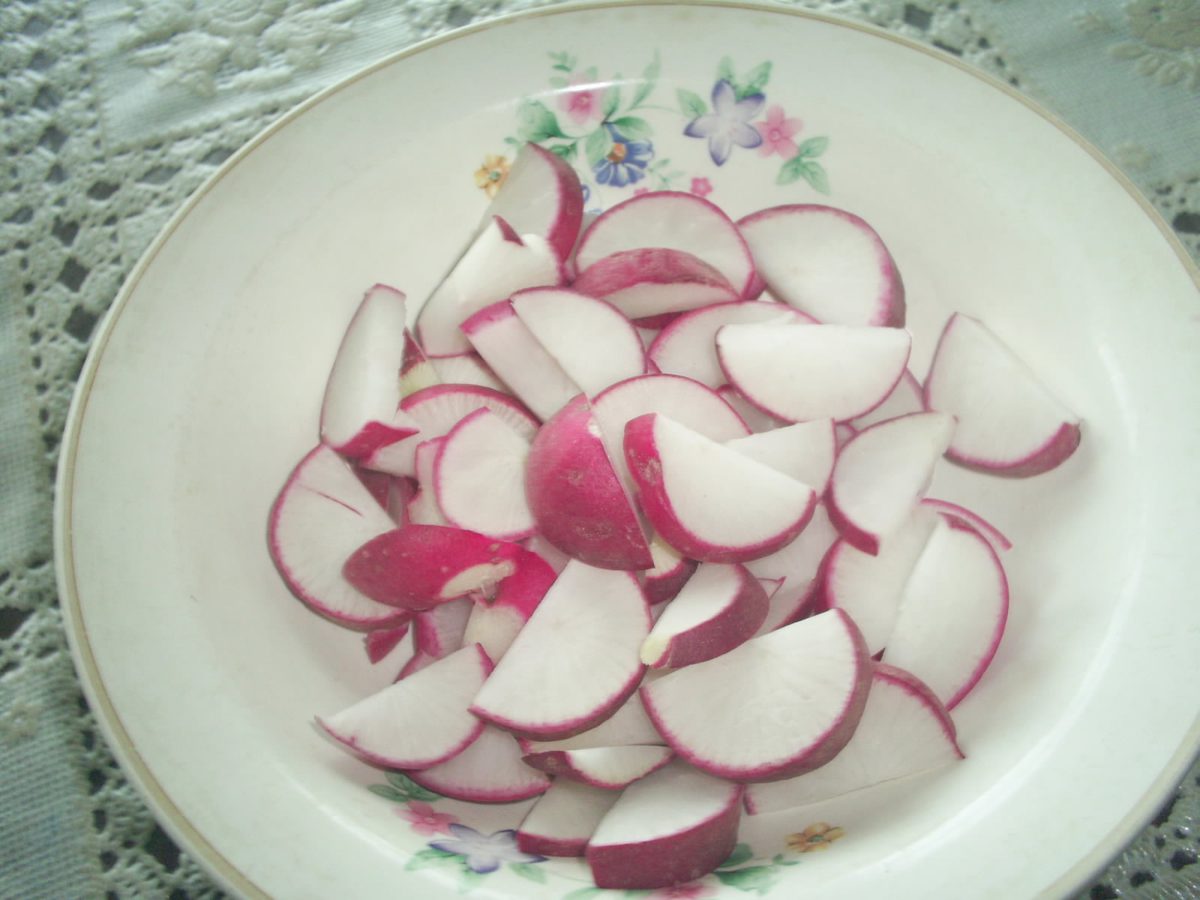
Slice the radishes into thin rounds or small cubes and add them to the cucumbers. After 10 minutes, squeeze the vegetables to remove excess juice so the soup isn't watery.
-
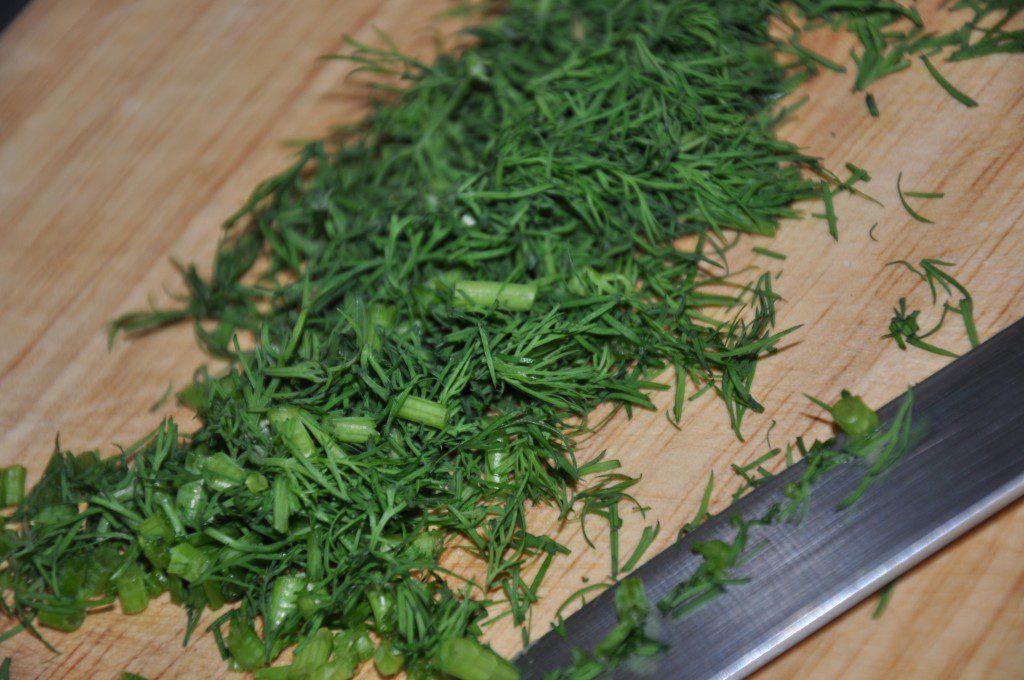
Finely chop the dill and chives. Set some aside for garnish.
-
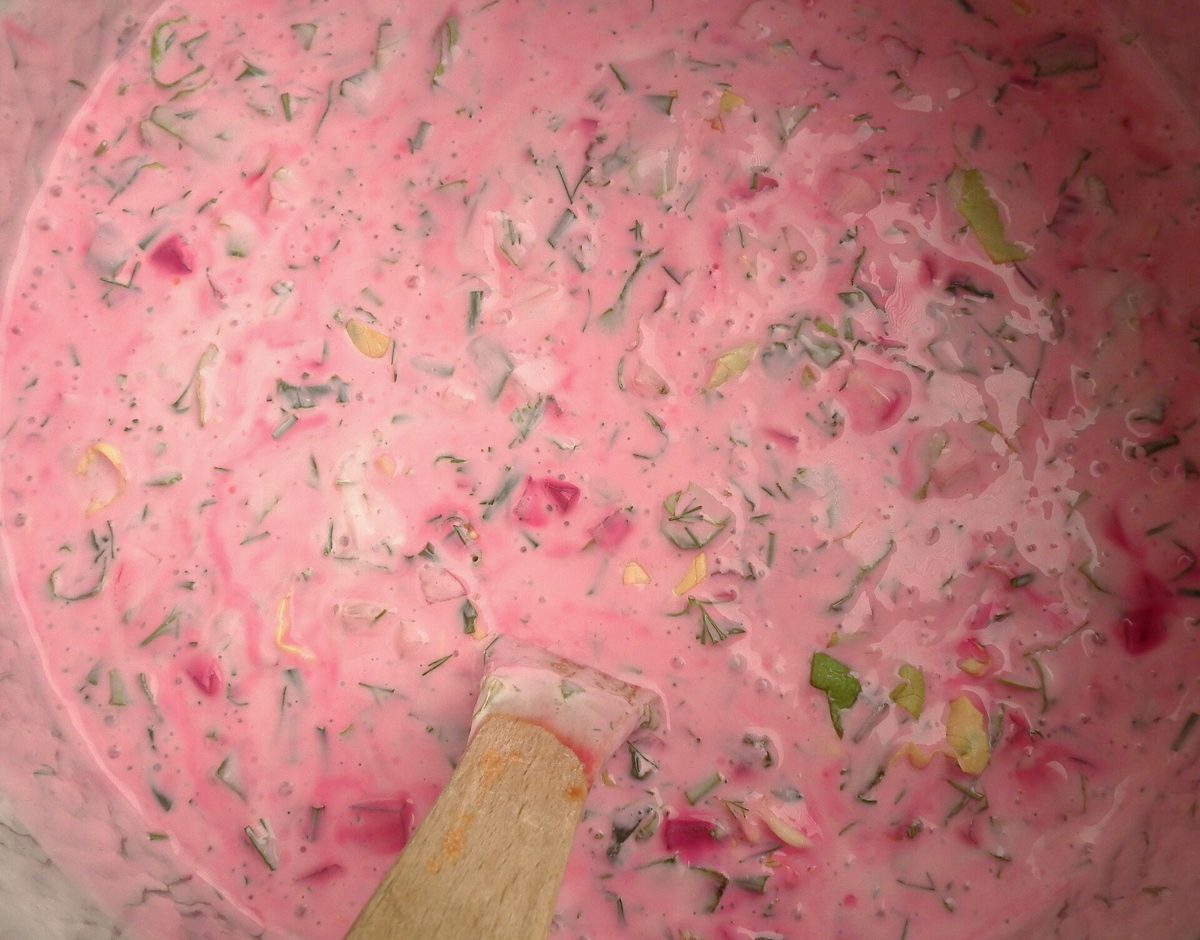
To the cold young beets, pour in the kefir, add the cream, herbs, cucumbers with radishes, and pressed garlic. Season with lemon juice, salt, pepper, and a pinch of sugar, mix, and taste cold. Place in the fridge for at least 1–2 hours; it will be even better the next day.
-
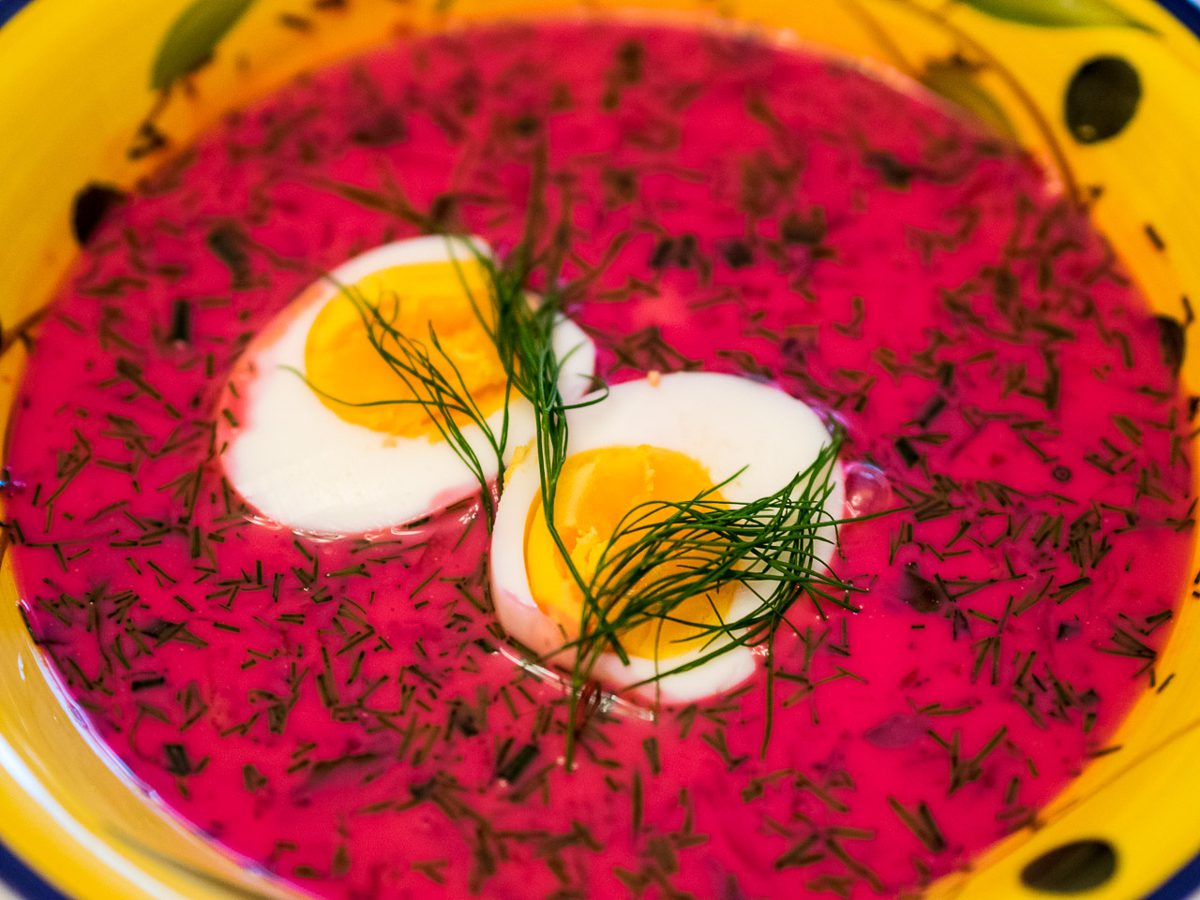
Serve in deep plates with halved eggs, sprinkled with dill and chives, alongside young potatoes.
Photos