The story behind the recipe
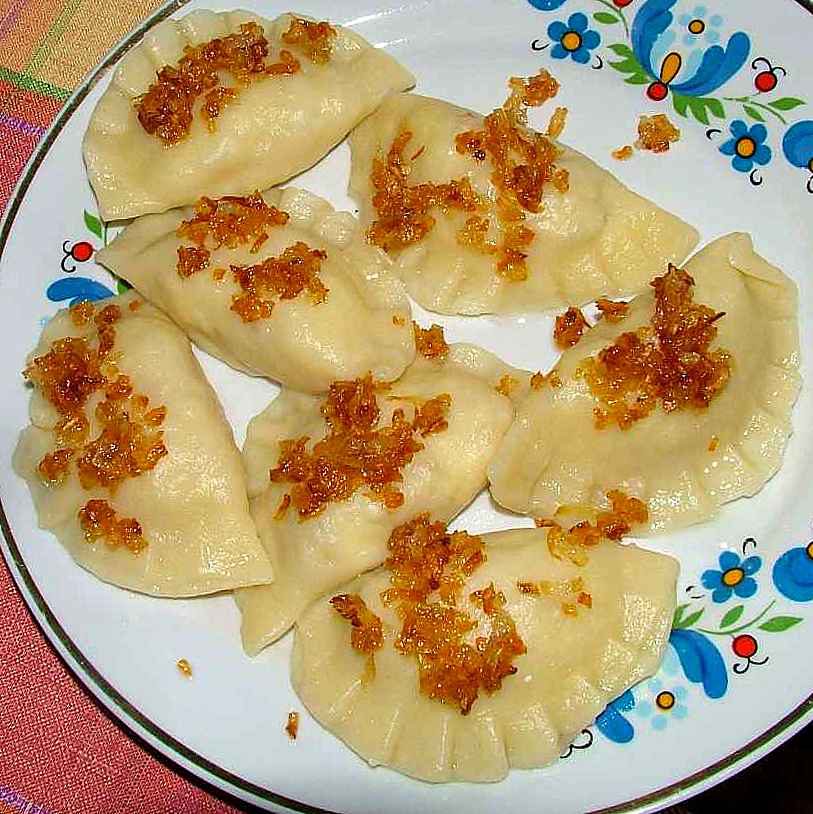
Millet and cheese pierogi were entered into the List of Traditional Products by the Ministry of Agriculture on March 9, 2010, as a dish from the village of Słomiana in the Pysznica commune, in the Stalowa Wola County of Podkarpacie. According to the record, the residents of Słomiana have been cultivating millet for many years, so millet, or 'jagła', found its way into many dishes. The recipe was provided by the older residents of Pysznica. Millet pierogi were cooked only on Sundays and holidays and were considered 'even the best among all types of pierogi.' The edges were sealed with a spoon 'in a wreath,' which, according to the record, was characteristic only of these pierogi. The finished pierogi are about 5 cm in diameter and have a frill about 1 cm wide. Sometimes the hostess would arrange them in a pot greased with butter and place it under a blanket, where they could 'stand all day.'
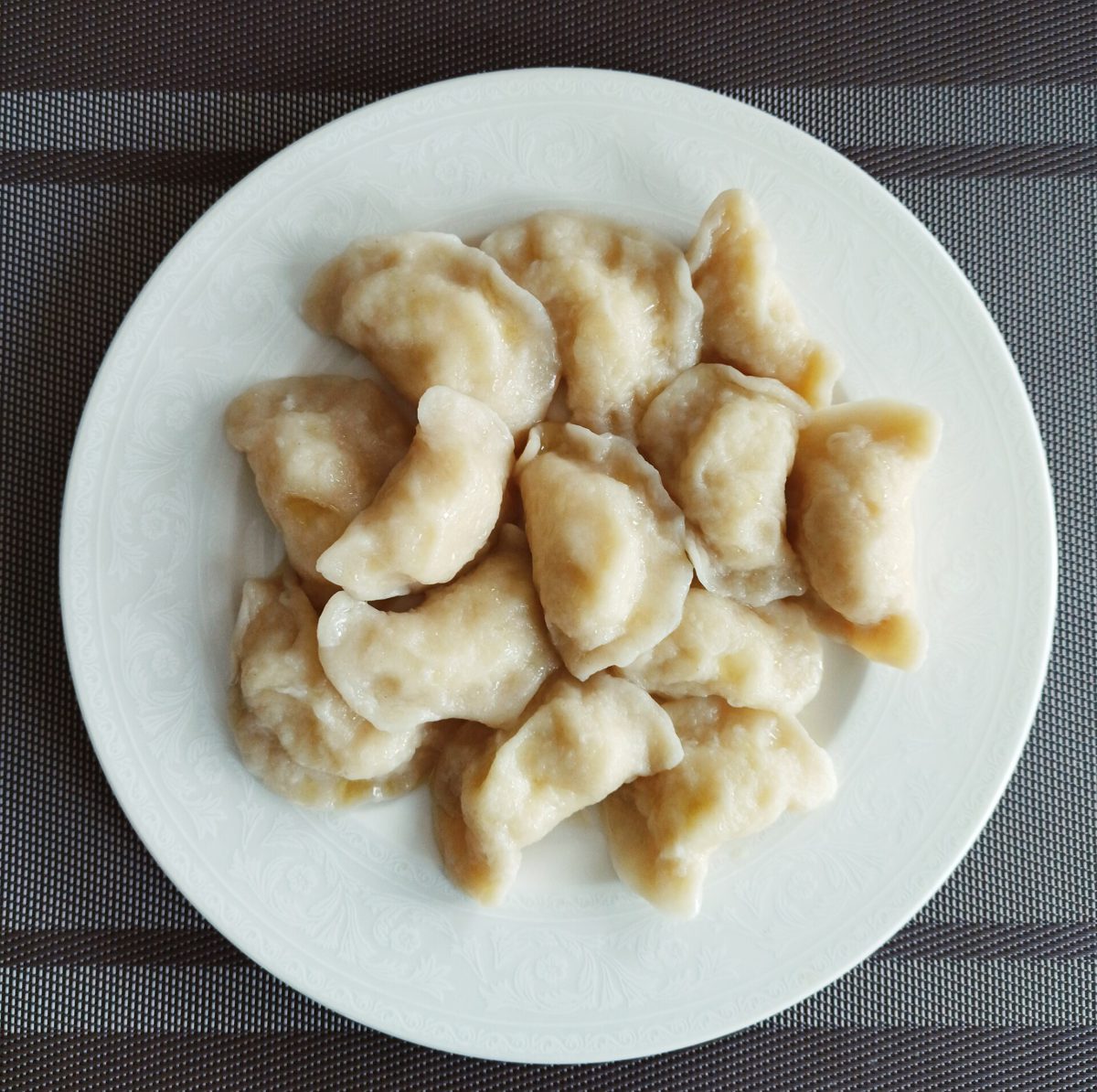
A similar dish, 'Jeżowe millet pierogi with cheese,' was entered on the list on April 17, 2013. The Jeżowe commune is located in the Nisko County, in the area of the former Sandomierz Forest. The record explains that the soils here are poor, so mainly grains and potatoes were cultivated, and an important ingredient in dishes was millet, barley, and buckwheat. Residents said that cheese is added 'only a little, just like in Russian ones, less cheese than millet.' In the past, these pierogi were usually made for holidays, but according to the 2013 record, they are now cooked at least once a week, usually on Fridays.
Słomiana and Jeżowe are located in the lands of the Lasowiacy. According to the record of 'Lasowiacki honey from goldenrod' from the same list, the Lasowiacy are an ethnographic group from the Tarnobrzeg Plain and the Kolbuszowa Plateau, in the confluence of the Vistula and San rivers, in the area of the former Sandomierz Forest. They called themselves 'Lesioki.' Today, these are the counties of Leżajsk, Nisko, Stalowa Wola, Tarnobrzeg, Kolbuszowa, Mielec, and part of the Ropczycko-Sędziszów County. Millet appears in many dishes from this list, for example, in kukiełka with millet, and a resident of Koziarnia recalled how millet was pounded in a mortar 'for jagły.' However, the records of the pierogi do not refer to them as 'Lasowiackie.'
Ingredients
Dough (about 40 small pierogi)
-
400 g wheat flour (type 450 or Wrocław type 500)
Abroad: USA and Canada: all-purpose flour; UK: plain flour; Germany: Type 405 or 550 - 1 pc egg
- 1 tsp (about 5 g) butter (melted)
- salt (a pinch)
- 180 ml lukewarm water (approximately, as much as the dough will take)
Filling
-
200 ml millet (measured by volume, as in the record)
Abroad: USA and Canada: hulled millet; UK: millet grain; Germany: Hirse - 450 ml milk (fresh, meaning sweet, not sour)
- 20 g butter
- salt (to taste)
-
200 g block cheese (preferably farmer's, as in the record)
Abroad: USA and Canada: farmer's cheese or drained dry curd cottage cheese; Germany: Schichtkäse or drained Quark; Austria: Topfen - ground black pepper (not necessarily, as in Jeżowe)
To serve
- 30 g butter (melted)
-
cold fresh milk (for drinking, as in Słomiana; or sautéed onions and sour cream, as in Jeżowe)
Abroad: sour cream; Germany: saure Sahne or Schmand
Method, step by step
-
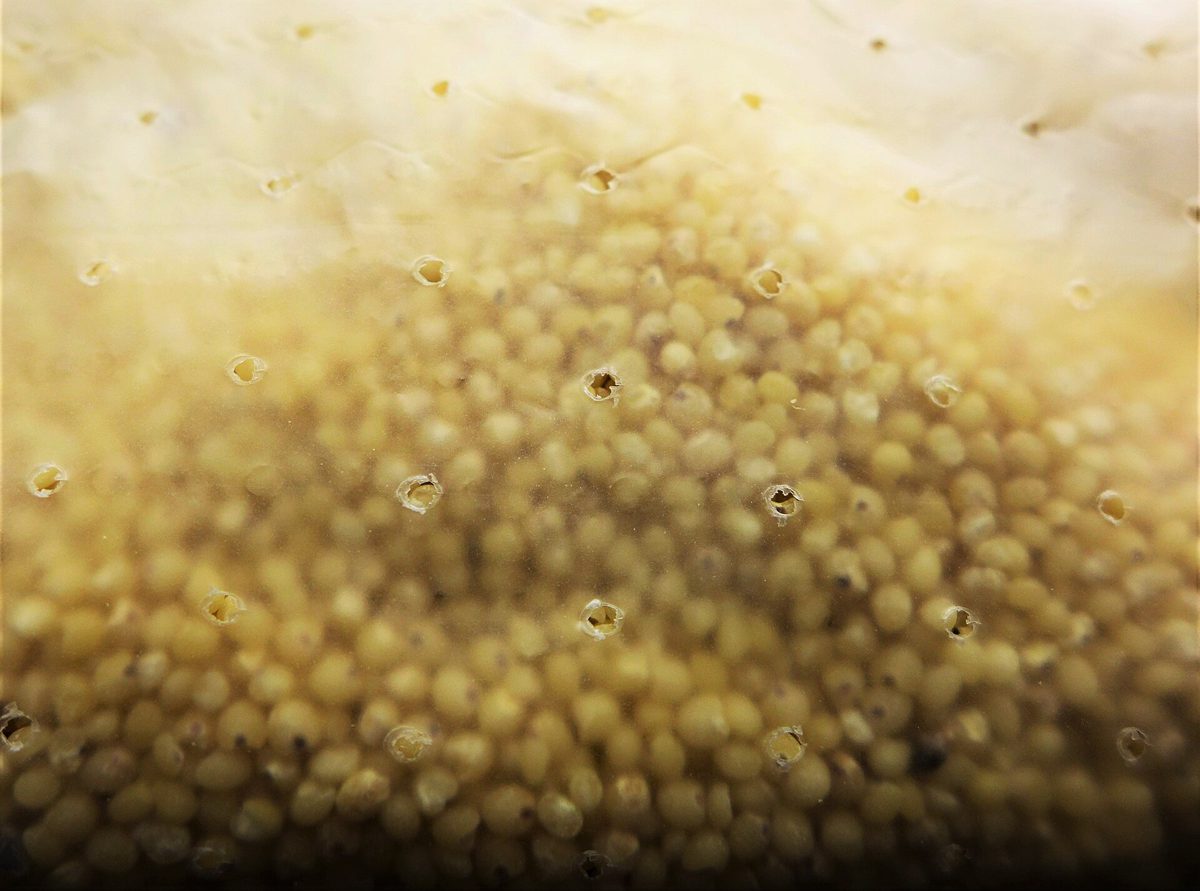
Rinse the millet in a sieve first with cold water, then pour boiling water over it. This makes the millet less bitter.
-
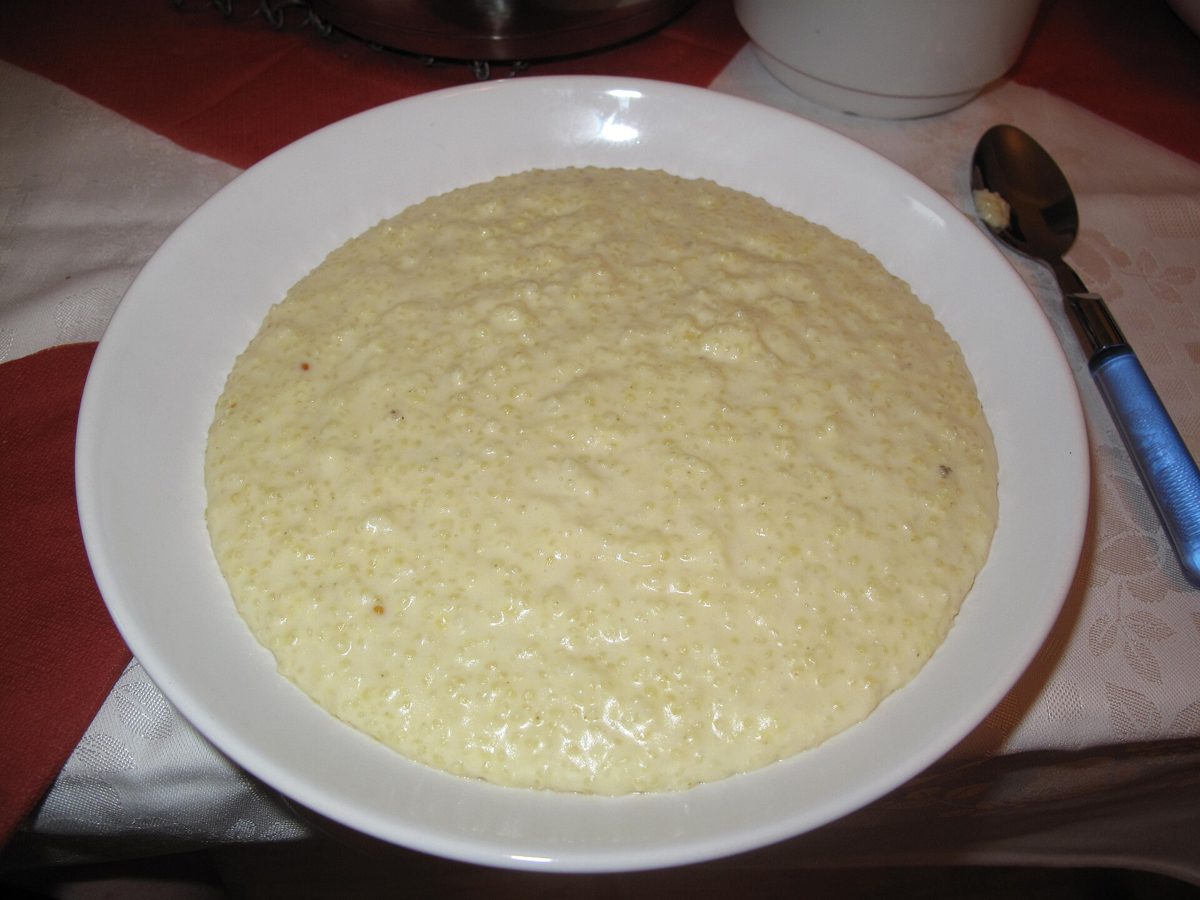
In a pot with a thick bottom, bring milk with butter and a pinch of salt to a boil. Add the millet, reduce the heat to the minimum, and cook it very slowly covered for about an hour, stirring occasionally to prevent sticking. Remove the pot from the heat and leave the millet covered to 'evaporate' and cool completely.
-
Crumble the cheese with a fork and mix it with the cooled millet. There should be less cheese than millet. Taste and season with salt, and if you like, also with pepper. Do not combine the cheese with warm millet, as the filling will spread out.
-
Make the dough while the millet is cooling. Pour the flour onto a board, add a pinch of salt, the egg, and melted butter. Gradually add lukewarm water and knead by hand until the dough is soft, smooth, and elastic. Cover it with a deep bowl and let it rest for about 30 minutes.
-
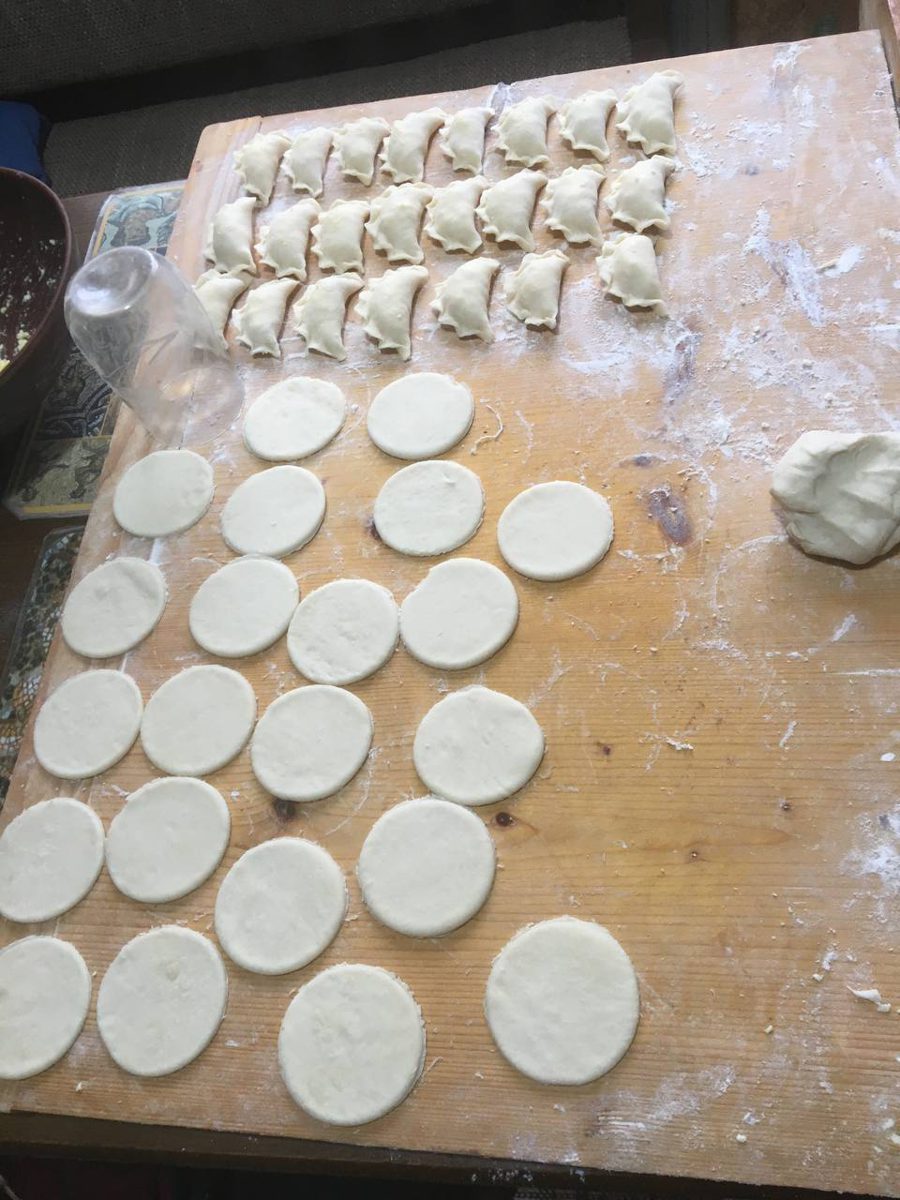
Roll out the dough in batches thinly, to about 2 mm (1/16 inch), and keep the rest covered with a cloth to prevent drying. Cut out circles with a diameter of 6–7 cm (2½–2¾ inches) using a glass or cup.
-
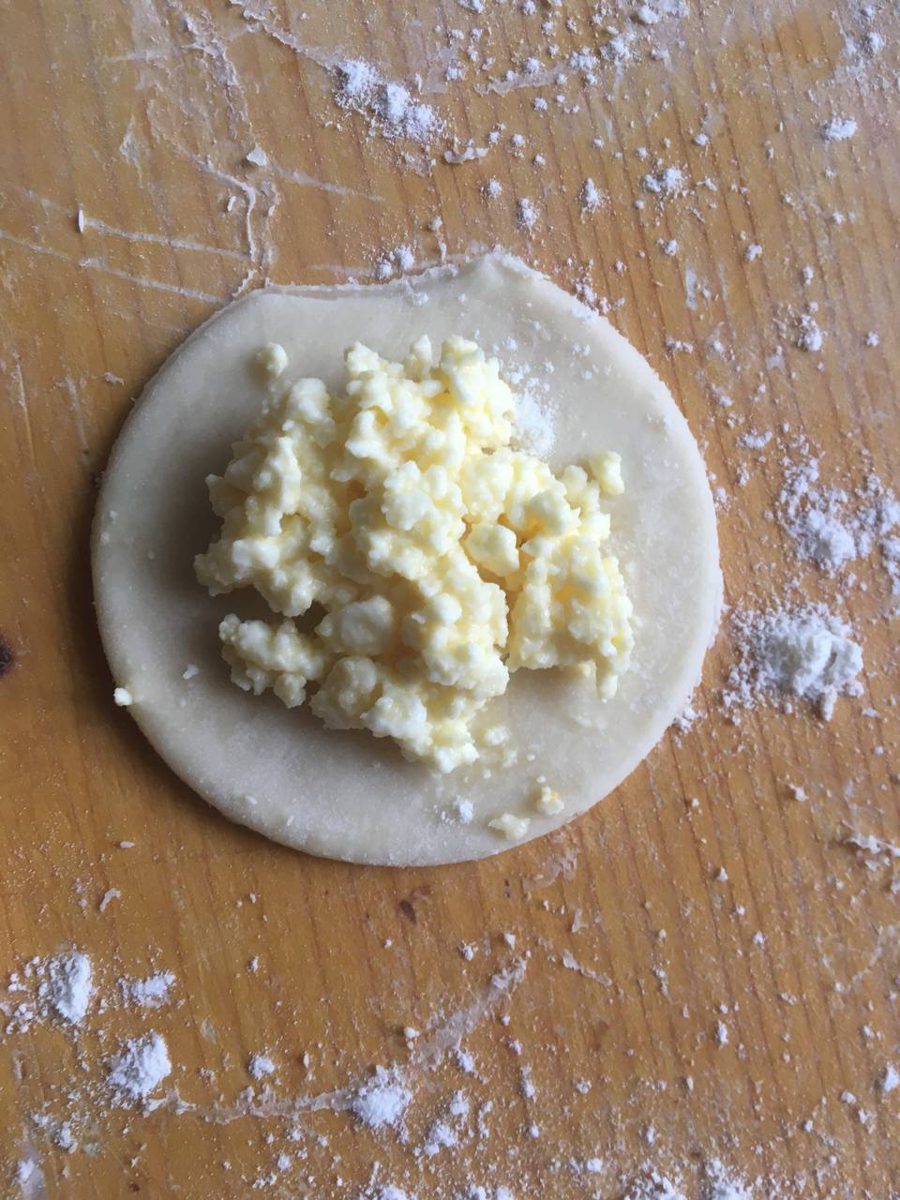
Place a teaspoon of cold filling in the center of each circle. Do not overfill and make sure the edges remain clean.
-
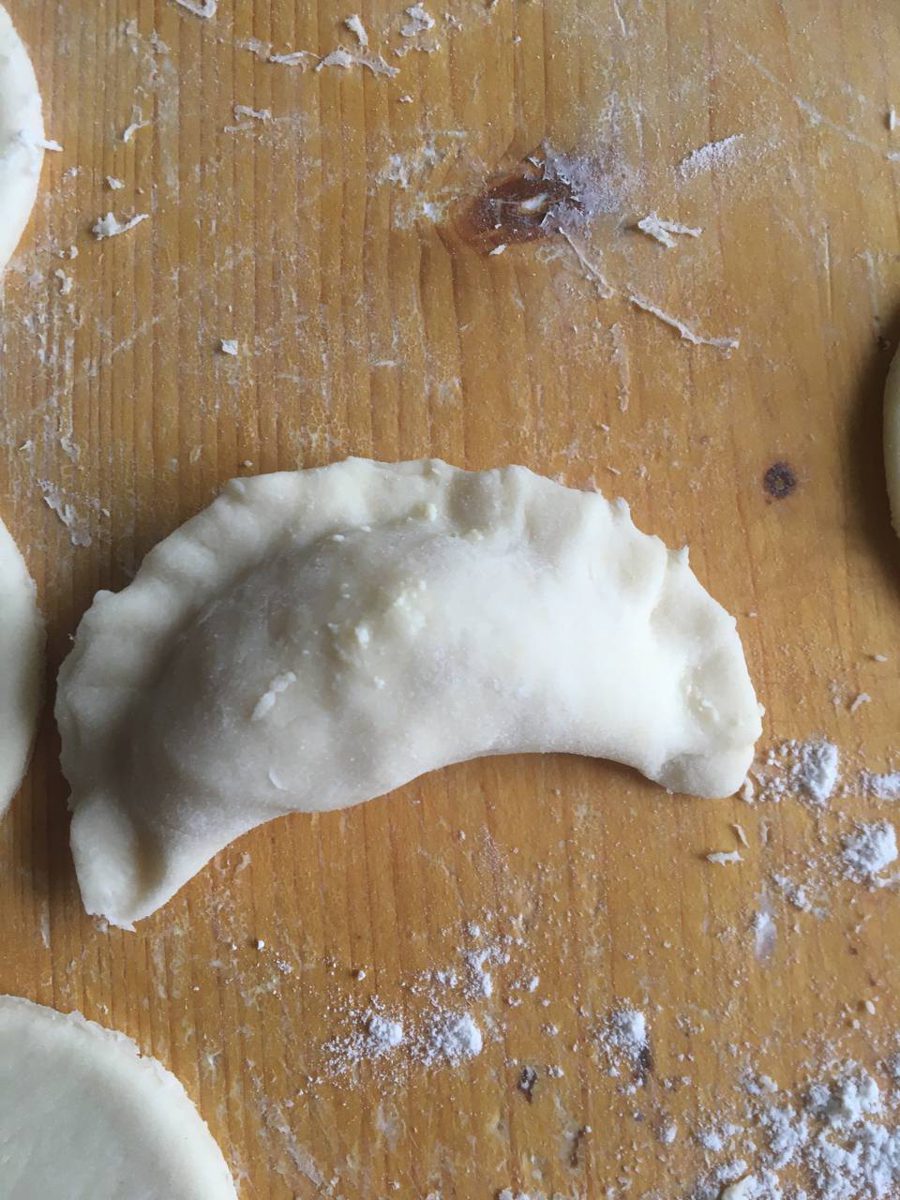
Fold the circle in half and carefully seal the edges with your fingers. Then press the edge with a spoon, as in Słomiana, or make a frill with your fingers. Place the finished pierogi on a cloth sprinkled with flour.
-
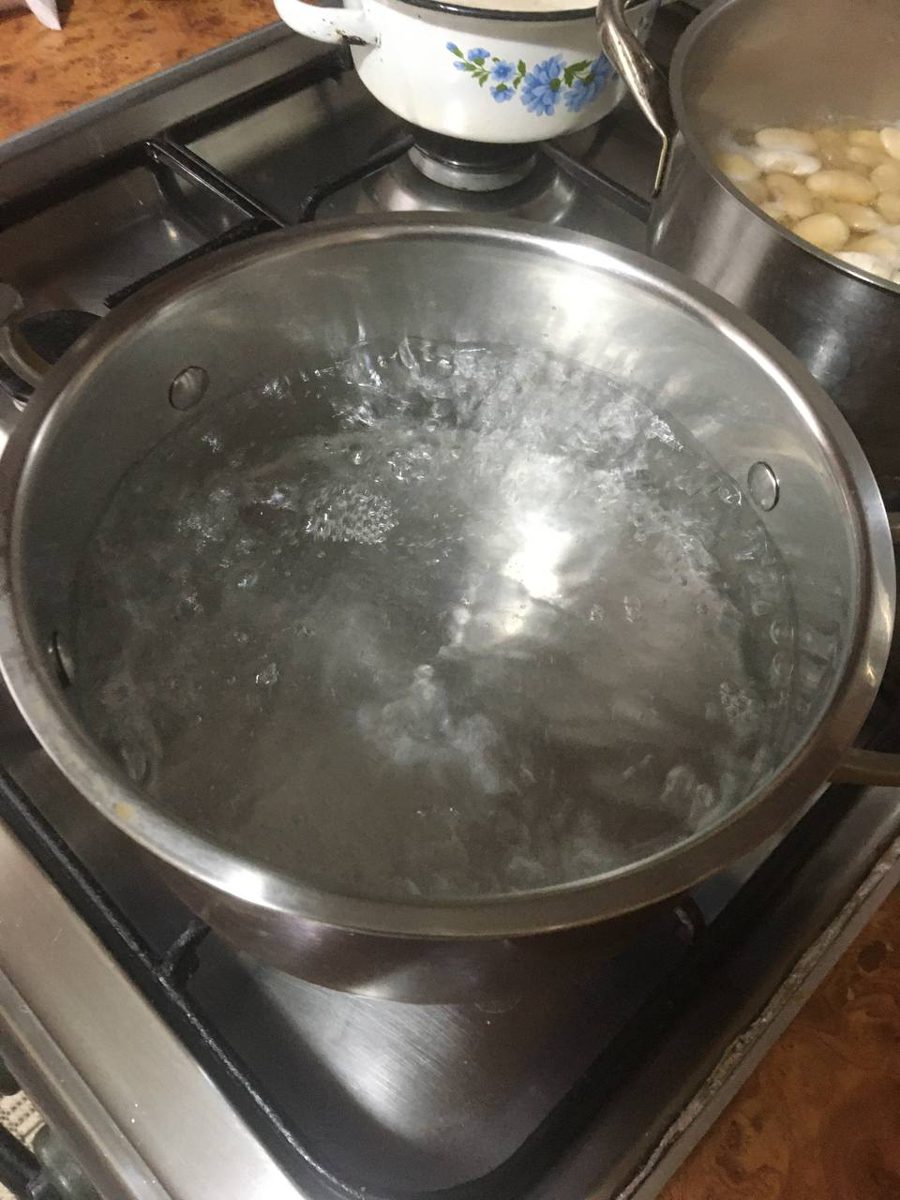
Bring a large pot of salted water to a boil. Drop the pierogi in batches and gently stir with a wooden spoon at first to prevent sticking to the bottom. The water should only gently simmer. When the pierogi float, cook them for a little longer: in Słomiana for about 10 minutes, in Jeżowe only until they float. Take one out and try it to see if the dough is soft.
-
Remove the pierogi with a slotted spoon and immediately drizzle with melted butter. Serve with cold milk, as in Słomiana, or with sautéed onions or sour cream, as in Jeżowe. The pierogi can also be fried in butter.
Photos