The story behind the recipe
The name comes from the German word "Fleck," and this soup is affectionately called "flaczki." The main ingredient is cleaned beef stomachs cut into thin strips. According to Polish Wikipedia, all four parts of the stomach (the rumen, reticulum, omasum, and abomasum) are suitable, with the abomasum and rumen being the most prized. Traditionally, flaki have been eaten in Polish lands since the 14th century, and King Władysław Jagiełło was particularly fond of them. However, this is a legend: encyclopedias repeat it, and it is mentioned in the Traditional Products List, but no medieval source has been found to confirm it, so it is unclear how much truth there is to it.
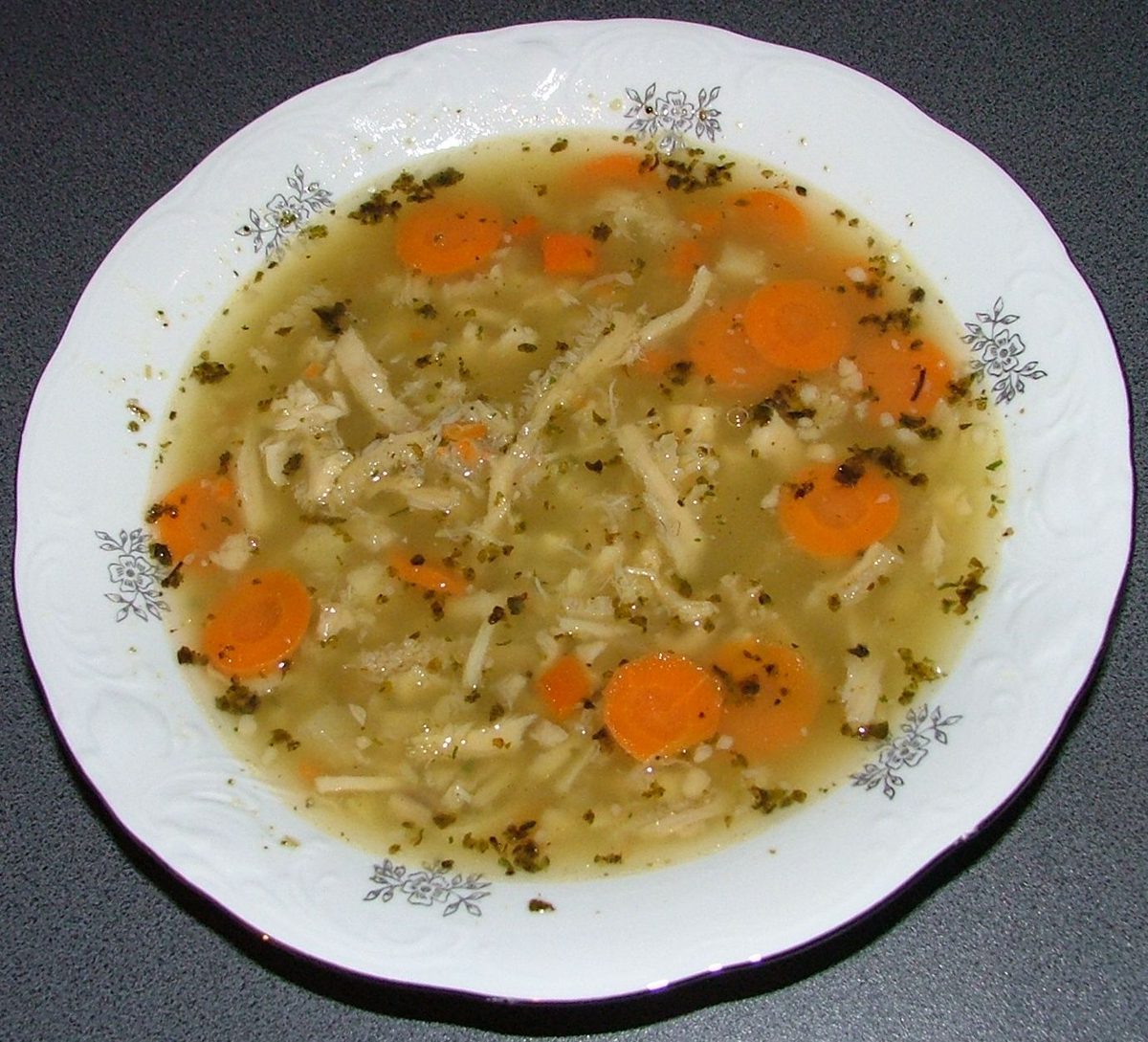
Zygmunt Gloger in the "Encyclopedia of Old Poland" (1901) wrote that flaki are "a dish favored for centuries in Poland, once served even at noble feasts," without which many weddings could not do without. In Mazovia and Podlasie, they were eaten with ginger and "obalanka," which is a type of sausage made with barley. There were white flaki, made with flour, and yellow ones, made with saffron. The latter were so popular in Sandomierskie that the locals were nicknamed "yellow bellies." Lucyna Ćwierczakiewiczowa in "365 Dinners for 5 Złoty" (1871) cooked cleaned tripe for 4–5 hours, sliced the vegetables thinly "like pasta," and advised sprinkling the soup with "crushed ginger or grated Parmesan cheese."
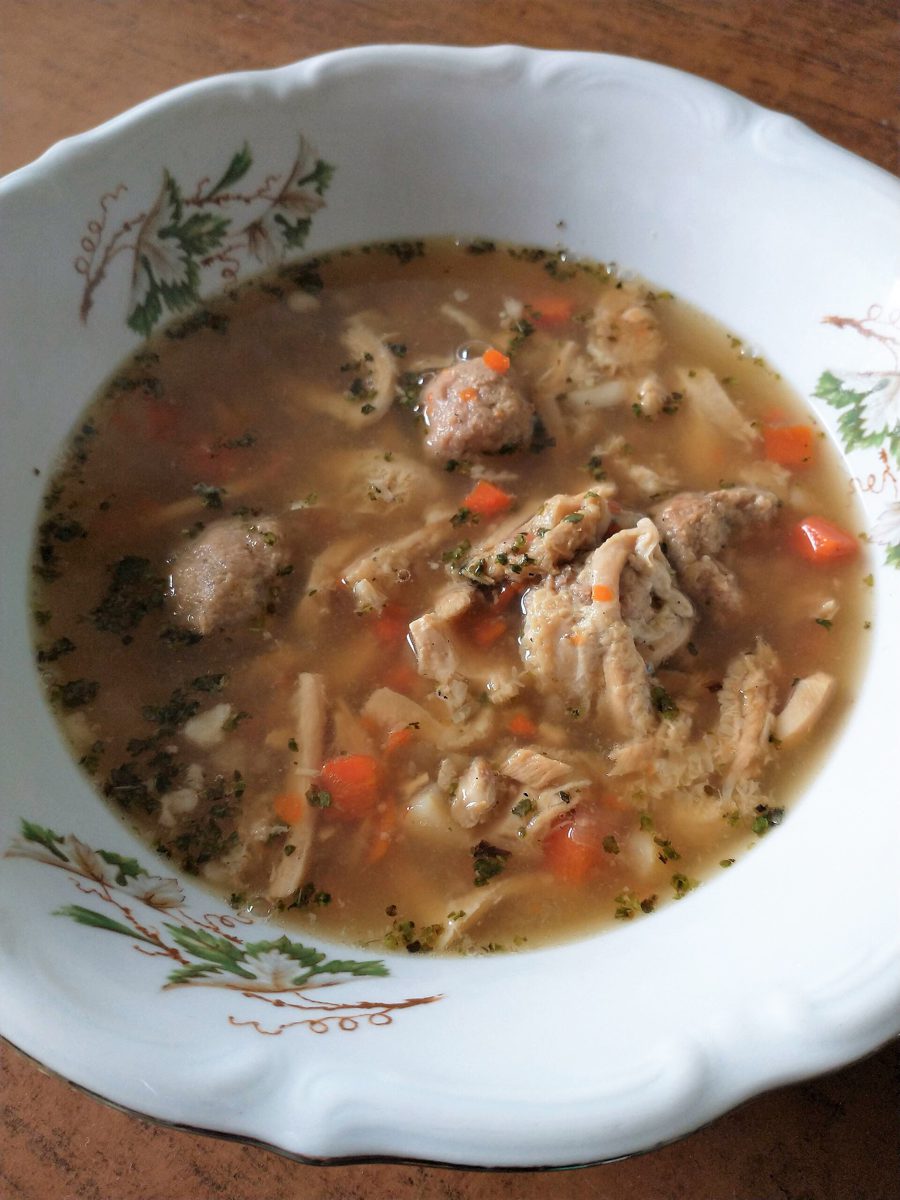
Flaki are also a classic of Warsaw. The Warsaw Dialect Association mentions flaki from the Różycki Bazaar and cites a report by Barbara Łopieńska "Ulica Brzeska" (1976): neighbors cooked 200 kg of tripe for the bazaar "from six in the evening until three in the morning." Warsaw-style flaki are served with meatballs. At weddings, they were served as one of the hot dishes. On the Traditional Products List of the Ministry of Agriculture, there are Cieszyn flaki (pajszle, made from pork stomachs), Piaseczno flaki from Lublin, and veal flaki from Radziwiłłów in Mazovia.
Ingredients
Broth
- 600 g beef with bone (brisket or shank)
- 1.75 l cold water
- 2 pcs carrot (about 180 g)
- 1 pc parsley (root) (about 100 g)
- 80 g celery root
- 80 g leek (white part)
- 1 tsp (about 6 g) salt
- 2 pcs bay leaves
- 4 pcs allspice
- ½ tsp (2.5 ml) whole pepper
Tripe
-
700 g cleaned and pre-cooked beef tripe (in strips or sheets; weight before cooking; prepare raw according to the instructions below)
Abroad: USA: beef honeycomb tripe or blanket tripe (Mexican and Latin stores); UK: dressed tripe; Germany and Austria: Kutteln gereinigt und vorgekocht
Spices
- 2 cloves garlic (pressed)
-
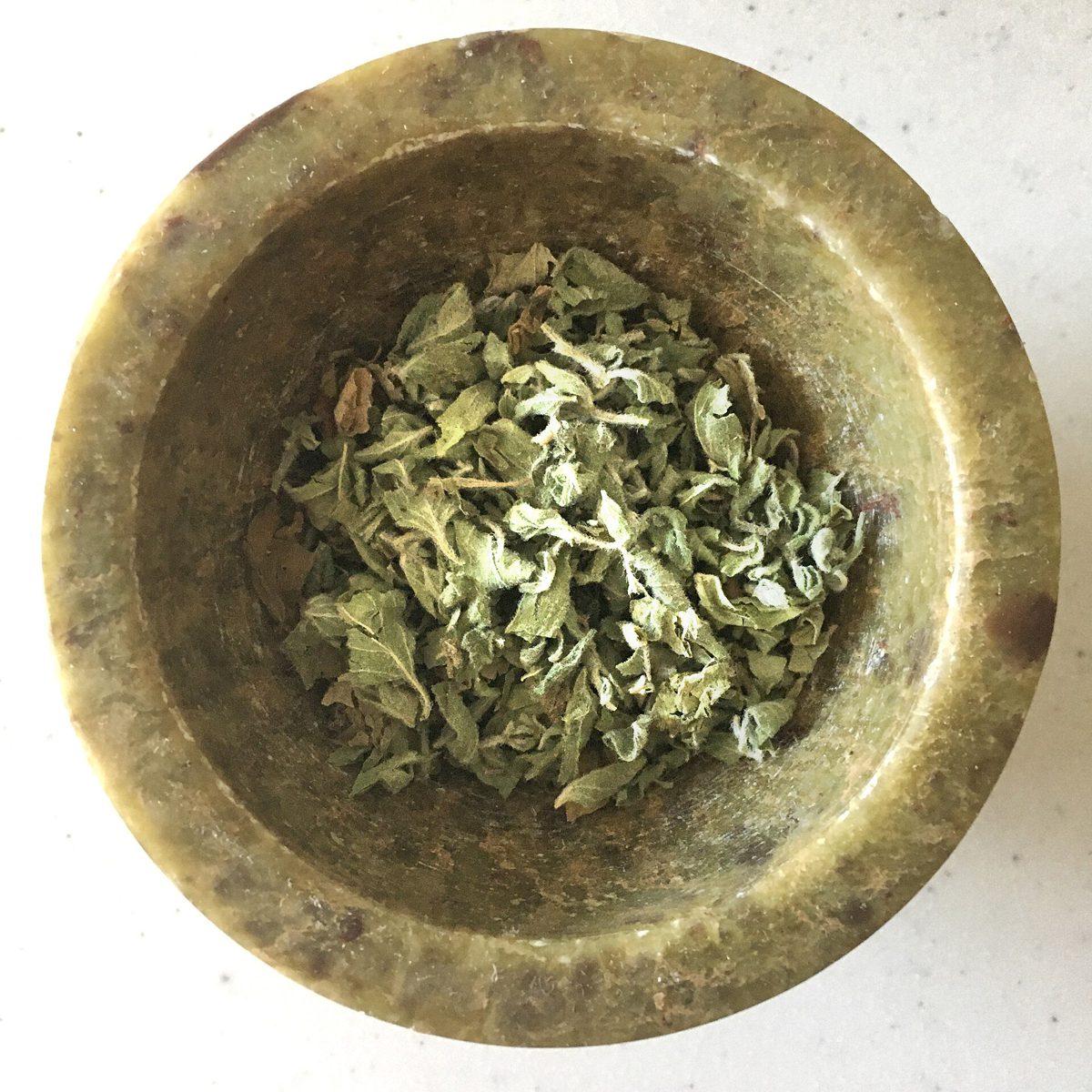
2 tbsp (30 ml) dried marjoram (heaping, plus more for serving)
Abroad: USA and UK: marjoram; Germany: Majoran - ½ tsp (2.5 ml) ground ginger
- ½ tsp (2.5 ml) nutmeg (preferably freshly grated)
- ½ tsp (2.5 ml) sweet paprika
- ¼ tsp (1.3 ml) hot paprika
- salt and pepper (to taste)
Roux (optional)
- 40 g butter
-
35 g all-purpose flour (about 3 tablespoons)
Abroad: USA: all-purpose flour; UK: plain flour; Germany: Type 405
To serve
- grated Parmesan or another hard cheese
- kaiser rolls or dark bread
Method, step by step
-
Broth: place the beef in a large pot, cover with 1.75 liters of cold water, and slowly bring to a boil, skimming off the foam. Add the peeled carrots, parsley, celery, leek, salt, bay leaves, allspice, and whole pepper. Cook covered on very low heat for about 3 hours, until the meat is tender. The broth should only gently simmer.
-
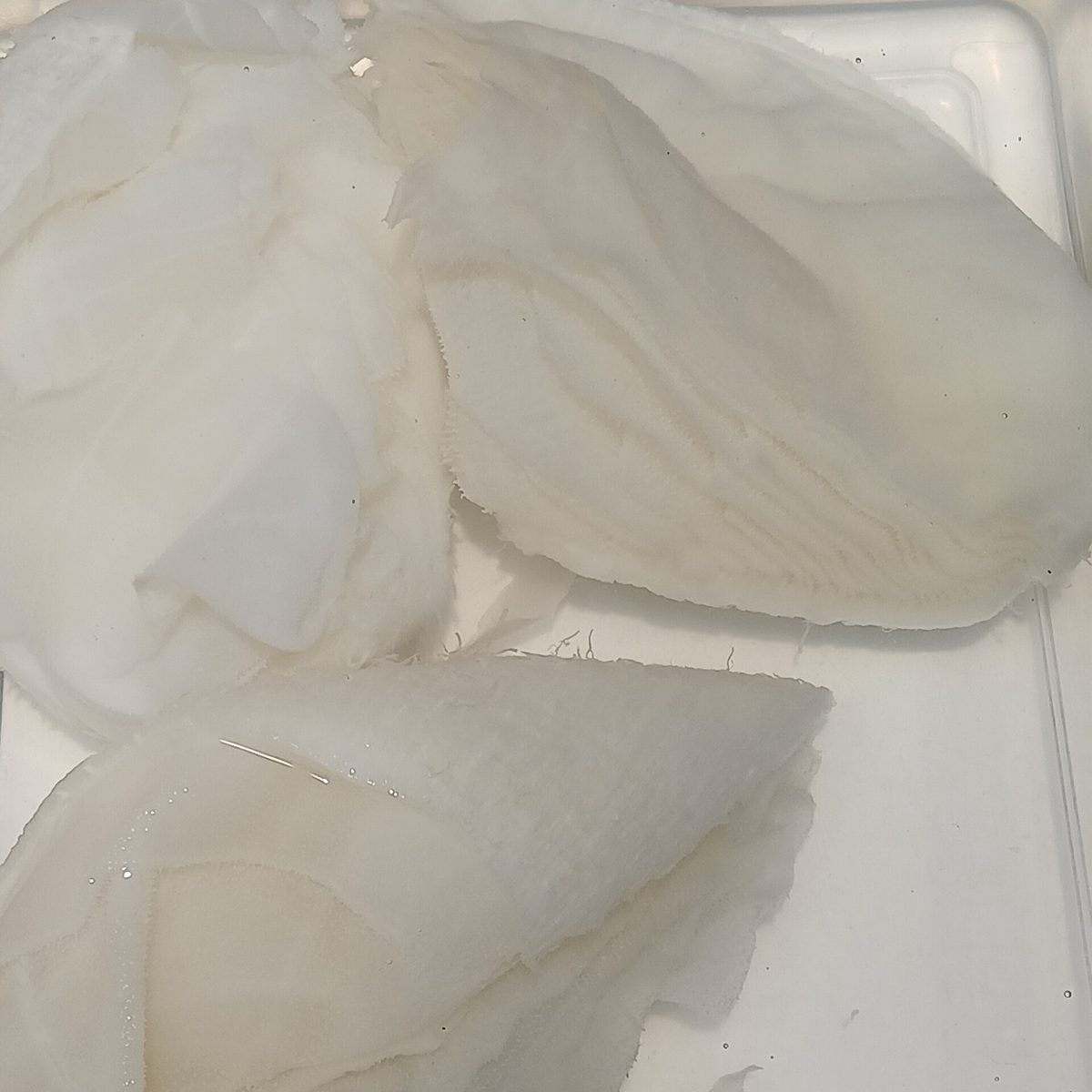
Meanwhile, prepare the tripe. Thaw frozen tripe slowly, naturally. Rinse thoroughly in cold water, and if using bleached tripe purchased abroad, soak it briefly in cold water, changing it several times. Place the tripe in a pot, cover with cold, lightly salted water, bring to a boil, and cook for 20 minutes. Drain.
-
Cover the tripe with fresh, salted water and cook for another 20 minutes. Drain and smell: if the odor is still strong, blanch it again in fresh water.
-
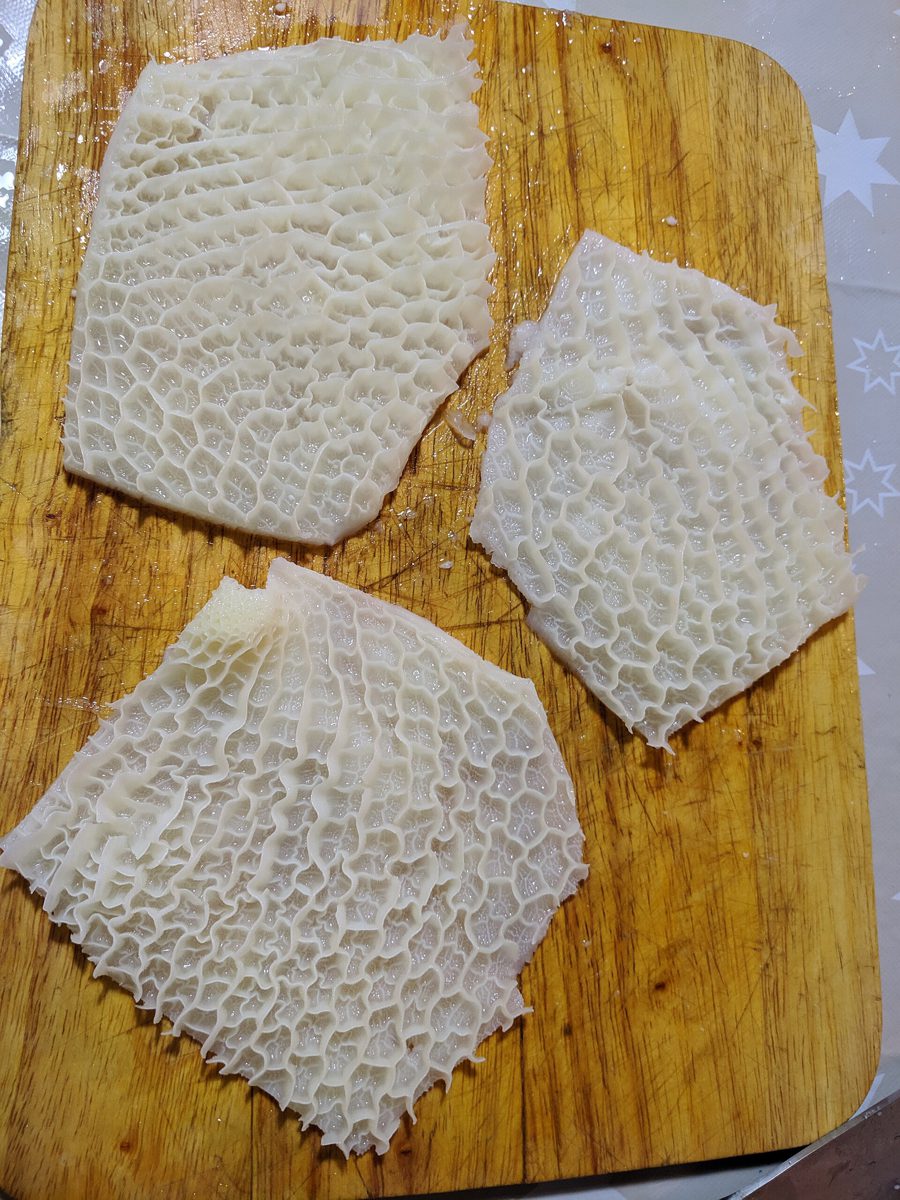
If the tripe is in sheets, cut it crosswise into the thinnest strips possible, like pasta.
-
When the meat is tender, remove it along with the vegetables, and strain the broth. Cut the vegetables into small cubes or thin strips, and remove the meat from the bones, fat, and tendons, tearing or cutting it into small pieces.
-
Place the tripe in the strained broth, add garlic, marjoram, ginger, nutmeg, and both paprikas. Cook on low heat for at least 30 minutes, until the tripe is tender. If still tough, cook longer.
-
Add the meat and vegetables to the soup. Season with salt (start with half a teaspoon) and pepper (starting with a quarter teaspoon) and bring to a boil.
-
Roux: in a small saucepan, melt the butter, add the flour, and stir with a wooden spoon. When it foams, pour it into the boiling soup, mix thoroughly immediately, and cook for 2–3 minutes. Do not burn the butter.
-
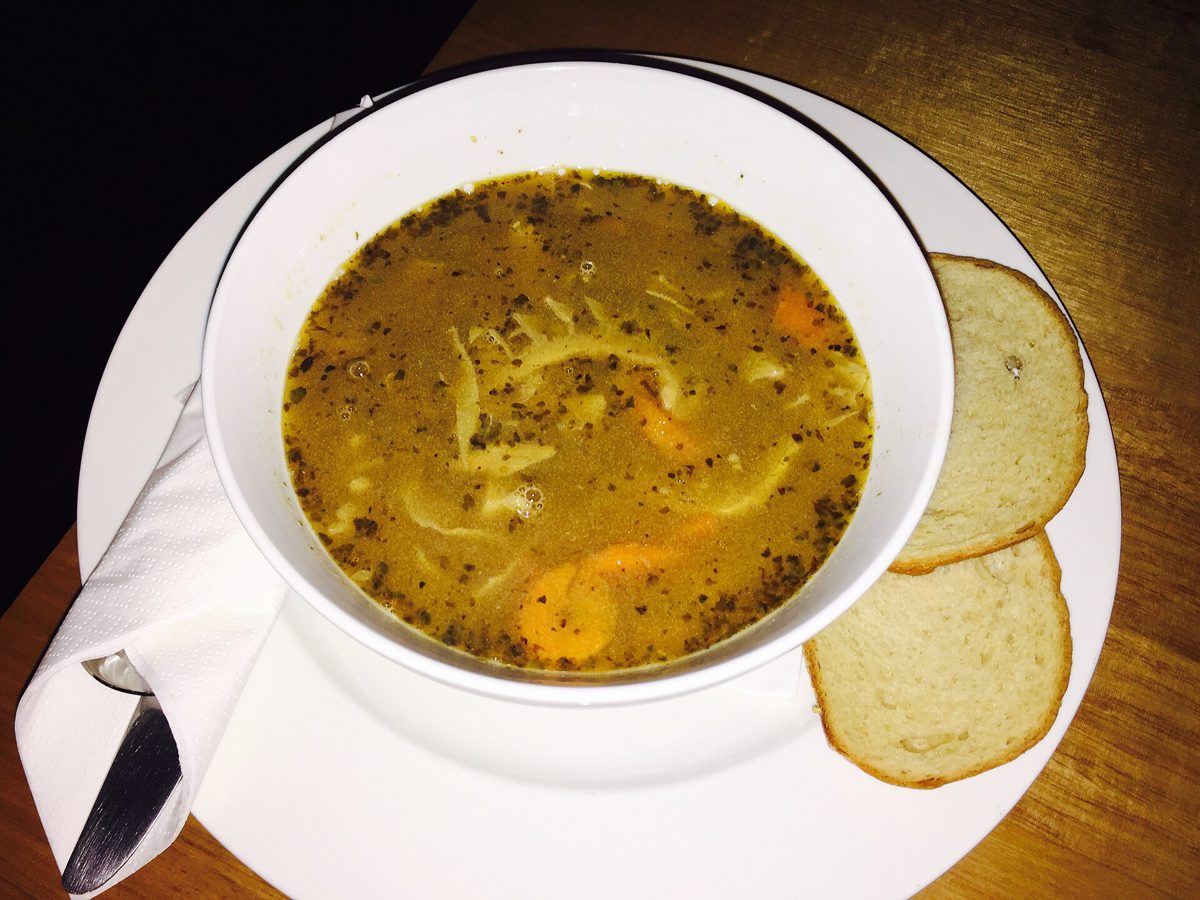
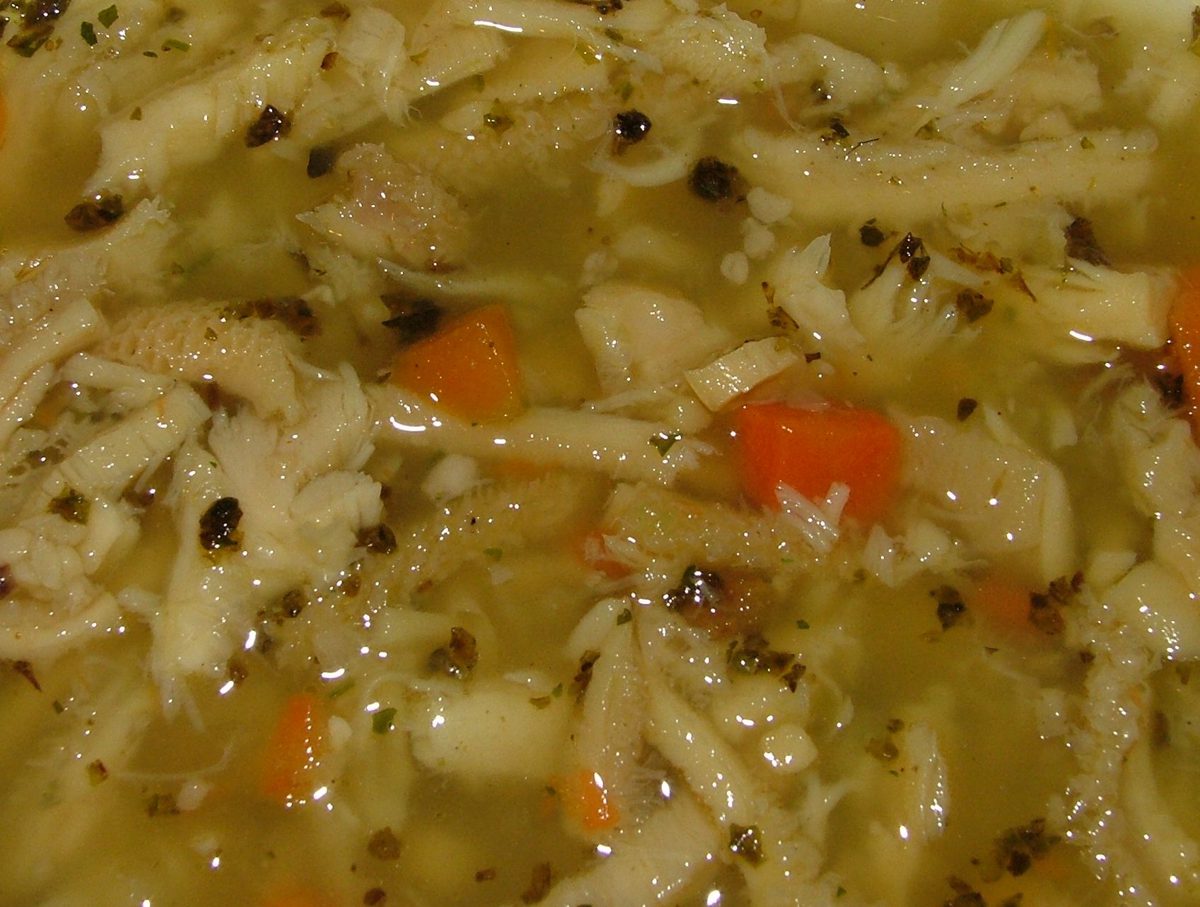
Taste and adjust seasoning. The flaki should be thick and flavorful. Serve very hot, with marjoram, pepper, ginger, and grated cheese on the table, along with kaiser rolls or dark bread.
Photos