The story behind the recipe
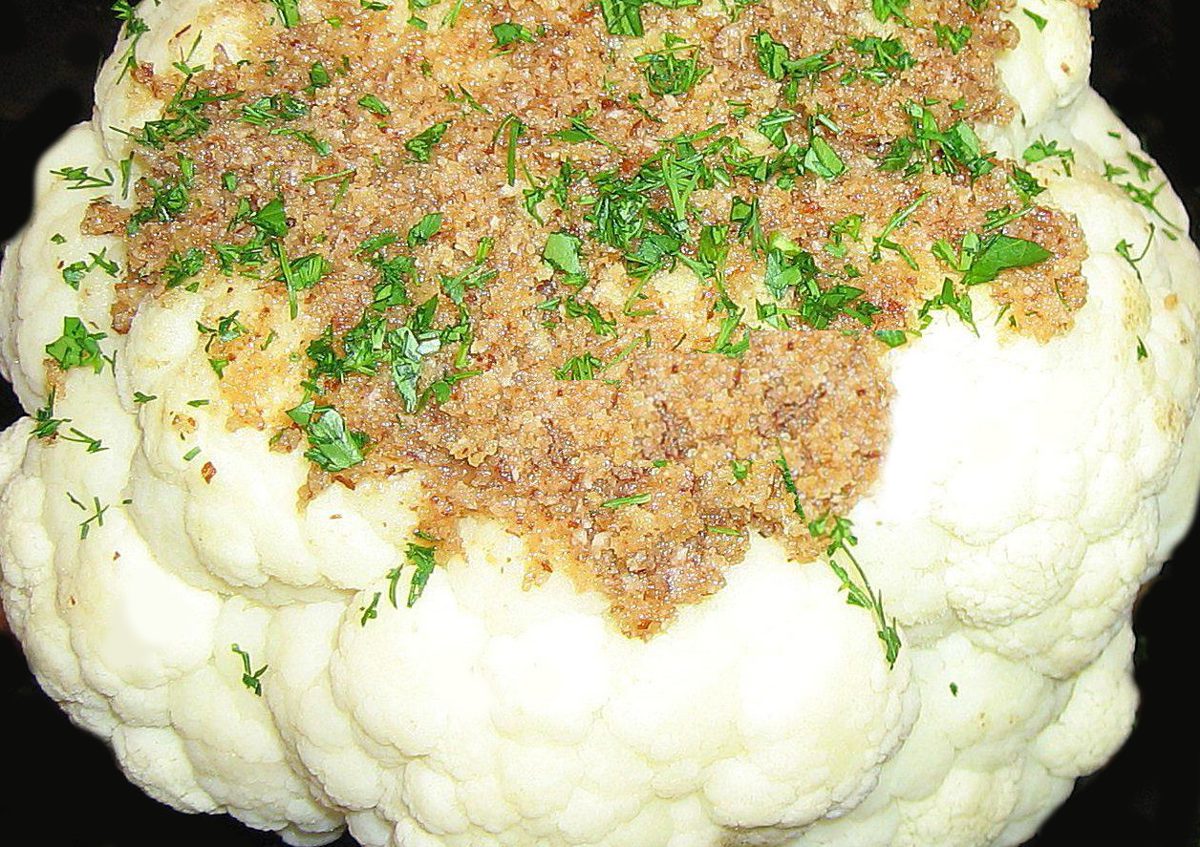
“Po polsku,” in French “à la polonaise,” is the name for a way of serving dishes, primarily cauliflower and asparagus. According to Polish Wikipedia, it refers to vegetables drizzled with browned butter and breadcrumbs, often also sprinkled with chopped hard-boiled eggs or just yolks and chopped parsley. The French culinary encyclopedia Larousse Gastronomique describes “chou-fleur à la polonaise” as boiled cauliflower sprinkled with yolks and parsley and drizzled with butter and browned breadcrumbs. The dish should be served quickly while the butter is still foaming. German Wikipedia calls this topping Polonaise and states that it comes from Polish cuisine. A simpler version, just the breadcrumbs browned in butter, is called Beurre polonaise.
The origin of the French name is not definitively known. French Wikipedia states that the sauce came from Poland and became popular in France in the 18th century. It was likely brought to France by Maria Leszczyńska, wife of Louis XV. Tasting Table also considers this very likely but admits that the history of this term is unclear. A linguist points out that some sources consider polonaise to be a French technique, loosely inspired by Poland.
In Polish cookbooks, this cauliflower has appeared for a long time. Jan Szyttler in “Kuchmistrz nowym” (Vilnius 1837) advises to “drizzle boiled cauliflower with butter browned with breadcrumbs” on the plate. Lucyna Ćwierczakiewiczowa in “365 obiadach” (1871) serves cauliflower “with butter and browned breadcrumbs, or with yellow hollandaise sauce.” Similar instructions are found in Franciszek Chocieszyński's “Praktycznej Kucharce” (Poznań 1884) and Marta Norkowska's “Najnowszej kuchni” (Warsaw 1903). According to linguist Maria Ochorowicz-Monatowa (1926), and according to Polish Wikipedia, Maria Disslowa (1931) recommended browned breadcrumbs for cauliflower, asparagus, tripe, pierogi, dumplings, and knedli. We did not find Kalafior po polsku on the List of Traditional Products.
Ingredients
Kalafior
-
1 pc kalafior (medium, about 1 kg before cleaning; white, firm, and hard)
Abroad: USA, Canada, UK: cauliflower; Germany: Blumenkohl; Austria: Karfiol - sól (for the water)
- 1 pinch cukier (for the water, not necessary)
- ocet (a bit for cold water for rinsing, not necessary)
Polewa
- 60 g masło
-
40 g bułka tarta (without spices)
Abroad: USA: plain bread crumbs; UK: dried breadcrumbs; Germany: Semmelbrösel or Paniermehl
Do wersji z jajkiem (niekoniecznie)
- 2 pcs jajka (hard-boiled)
- natka pietruszki albo koperek (chopped, for sprinkling)
Method, step by step
-
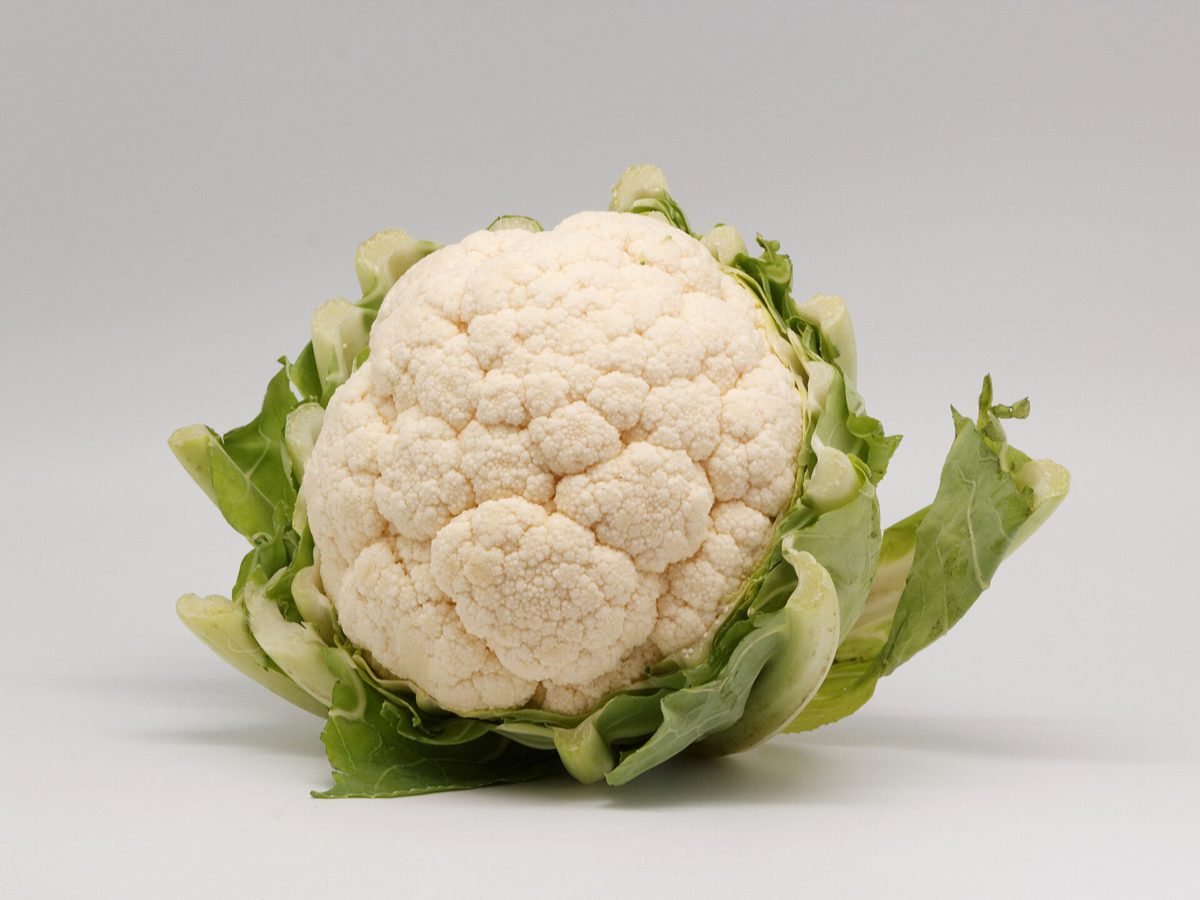
Choose a very white, firm, and hard cauliflower. Remove the outer green leaves.
-
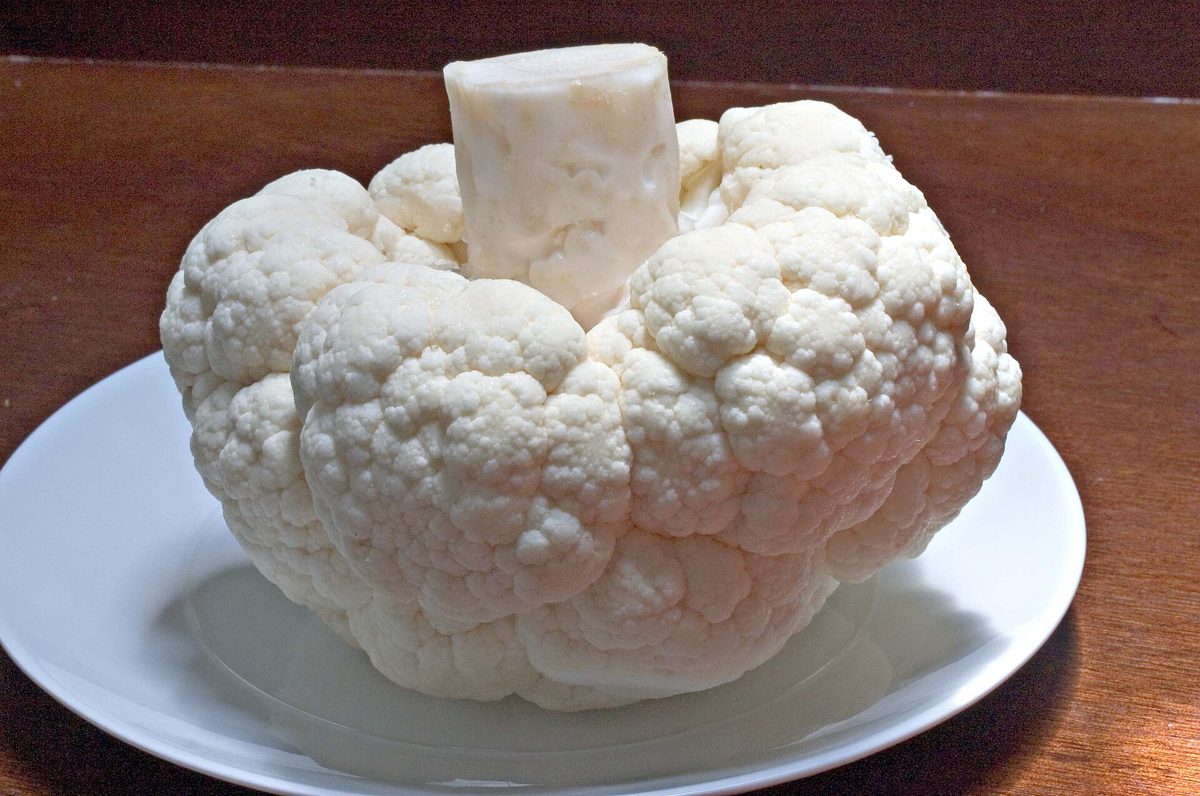
From the bottom of the stem, peel off the tough outer skin with a knife and cut off part of the stem so that the cauliflower fits in the pot and stands upright. Rinse it in a bowl of cold water with a bit of vinegar: if there are small leaves or insects between the florets, they will float to the surface.
-
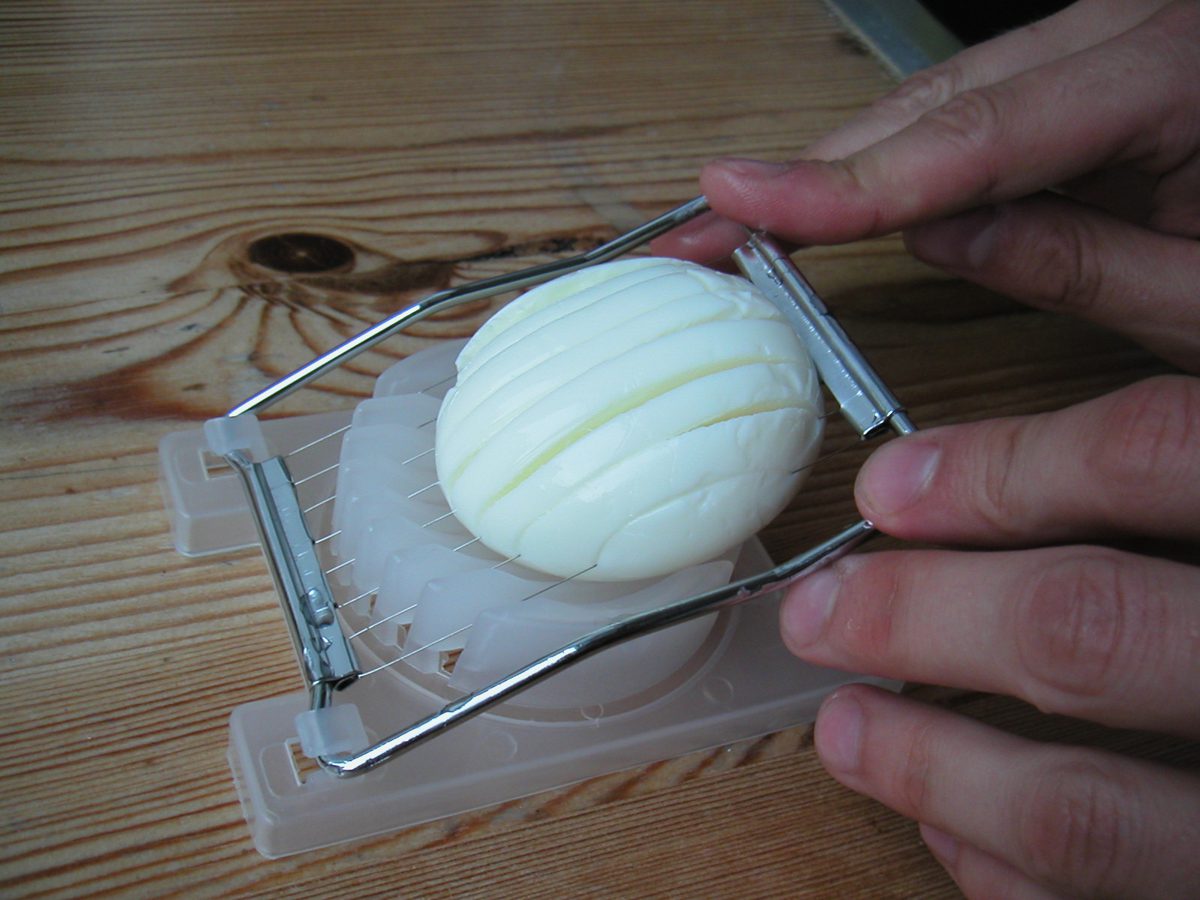
If you are making the classic version with egg, boil the eggs hard for about 10 minutes. Rinse them in cold water, peel, and chop finely.
-
In a large pot, bring enough water to cover the entire cauliflower to a boil, and salt it well. You can add a pinch of sugar, as Norkowska advised. Place the cauliflower in the boiling water and cook uncovered.
-
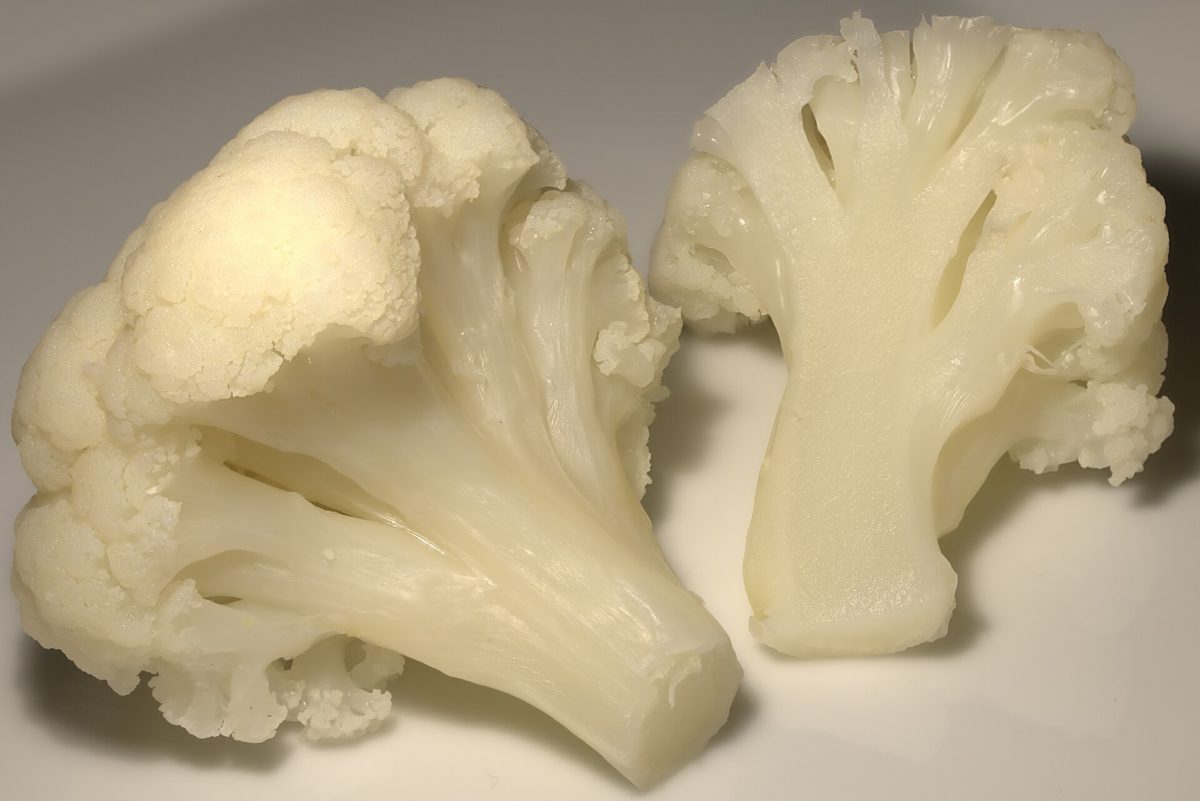
Cook the whole head for about 15–20 minutes. A few minutes before the end, break off one floret from the side and check: when ready, it bends under your fingers but is still a bit firm. Do not overcook the cauliflower, as it will absorb water.
-
Gently remove the cauliflower with a slotted spoon or two spoons onto a sieve, wait for the water to drain well, and transfer it to a warm platter with the florets facing up.
-
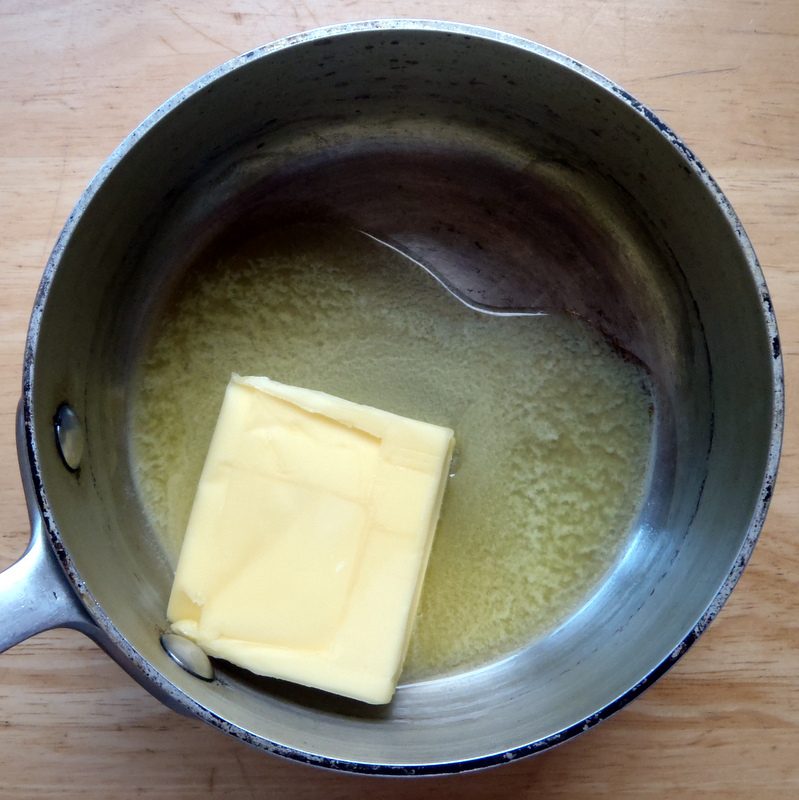
In a pan, melt the butter over medium heat. If foam collects on the surface, you can scoop it off with a spoon, as Kwestia Smaku does.
-
Add the breadcrumbs to the butter and fry, stirring constantly, for a few minutes until the breadcrumbs are evenly golden and start to smell nice. Watch the heat, as the breadcrumbs can burn quickly.
-
Immediately drizzle the hot cauliflower with the butter and breadcrumbs. In the classic version, sprinkle it with chopped egg and parsley or dill. Serve immediately while the butter is still hot.
Photos