The story behind the recipe
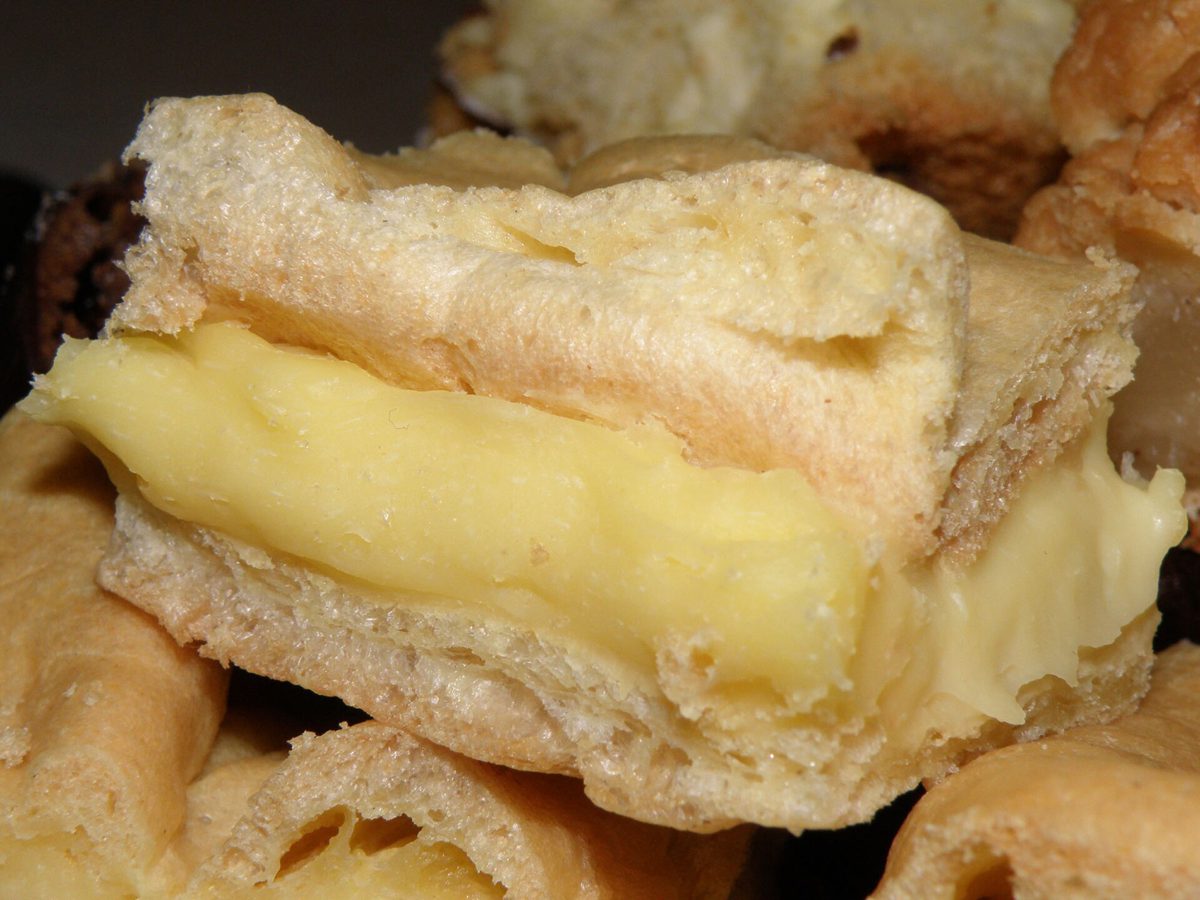
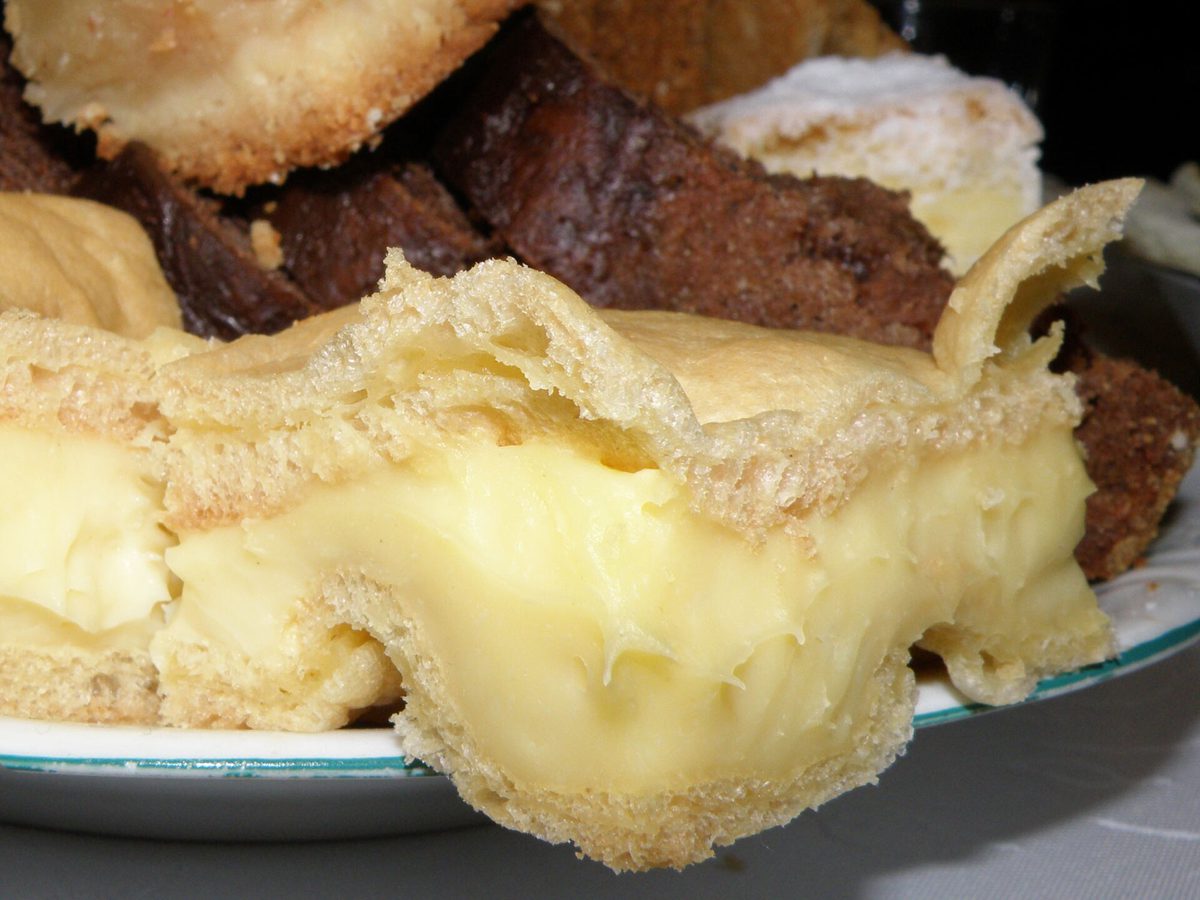
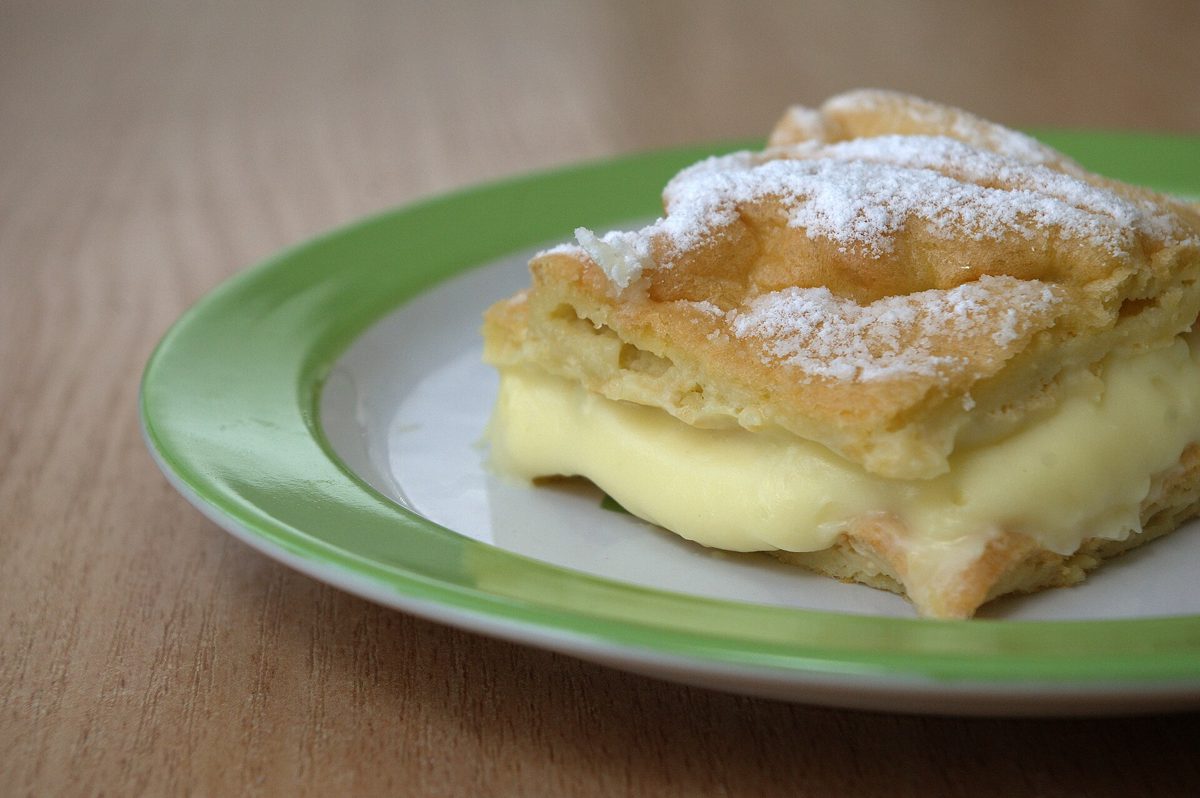
Karpatka is a cake made of two layers filled with cream. According to Polish Wikipedia, the lower layer is made from shortcrust pastry, spread with jam, and topped with a layer of choux pastry, but among pastry chefs, it is also popular to make karpatka with both layers being choux. Home recipes from Kwestia Smaku, Ania Gotuje, and Moje Wypieki use both layers of choux. Kwestia Smaku describes it as 'two layers of wavy choux pastry filled with custard cream' and admits that she makes it according to her mother's recipe and instructions.
The name likely comes from its appearance: choux pastry rises in the oven in uneven folds, reminiscent of mountains, specifically the Carpathians. The exact origin and date of the recipe are uncertain. Linguist Katarzyna Smyk established in 2016 that the oldest known printed mention of the word 'karpatka' comes from a script for Polish studies students from 1972, where it appears as the name of a pastry.
Karpatka has also made its way into stores. In 1986, food concentrate factories in Włocławek, later known as Delecta, introduced the first ready-made mix for the cake and cream, and in 1995, they registered 'Karpatka' as a trademark. When in 1996 a similar product under the same name was released by Dr. Oetker, a twelve-year court dispute began, resolved in February 2011 in favor of Delecta. Kwestia Smaku places karpatka among traditional cakes, for Fat Thursday and Easter, while Moje Wypieki particularly recommends it during the carnival.
Ingredients
Custard Cream
- 800 ml milk (preferably whole)
-
2 packages vanilla or cream pudding powder (40 g each)
Abroad: Germany and Austria: Vanille-Puddingpulver (37 g packet); UK: custard powder; everywhere: Polish stores or homemade pudding (see Tips) - 70 g sugar
-
200 g butter (soft, at room temperature, without additives)
Abroad: unsalted butter
Choux Pastry (23×33 cm or 9×13 inch pan)
- 250 ml water
-
125 g butter
Abroad: unsalted butter - 1 pinch salt
-
160 g all-purpose flour
Abroad: USA and Canada: all-purpose flour; UK: plain flour; Germany: Type 405 - 5 pcs eggs (at room temperature)
-
½ tsp (about 2 g) baking powder
Abroad: baking powder; Germany: Backpulver
For the pan and dusting
- butter and flour (for greasing and dusting the pan)
For dusting
-
powdered sugar (for dusting)
Abroad: powdered sugar / icing sugar
Method, step by step
-
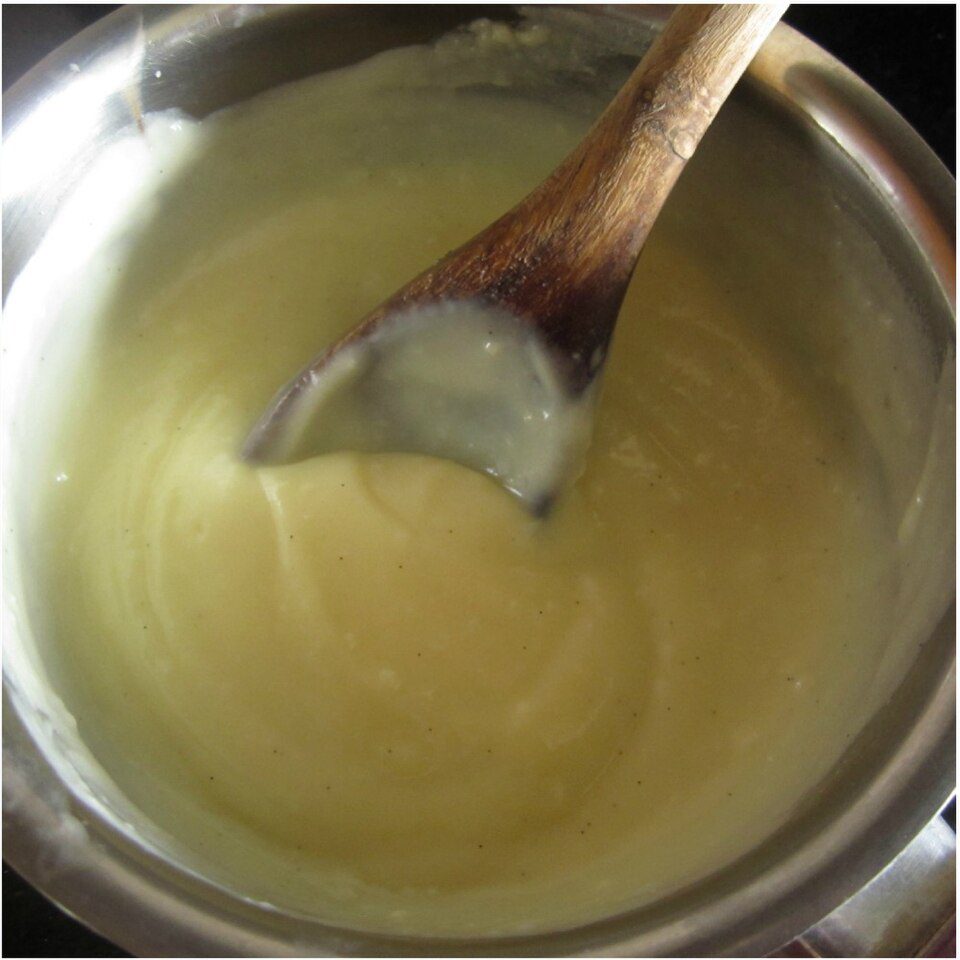
Start the cream with the pudding, as it needs to cool. From 800 ml of milk, pour out a glass (250 ml) and mix the pudding powder with sugar in it thoroughly. Bring the rest of the milk to a boil, reduce the heat, and pour in the mixture, stirring constantly. Cook for 1–2 minutes until the pudding thickens and starts to bubble.
-
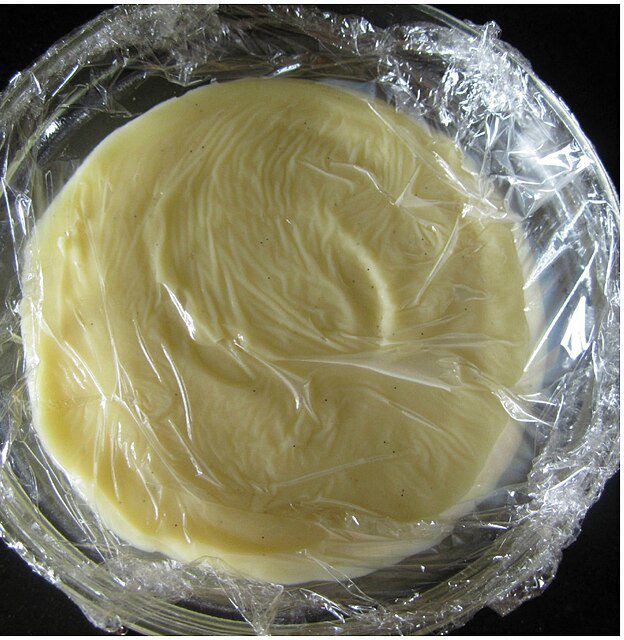
Transfer the pudding to a clean bowl and cover it with plastic wrap so that it touches the surface. Let it cool at room temperature, not in the fridge. Take the butter for the cream out of the fridge to soften.
-
Preheat the oven to 200°C (400°F), top and bottom heat, without convection. Grease a 23×33 cm (9×13 inch) pan with butter and dust it with flour through a sieve.
-
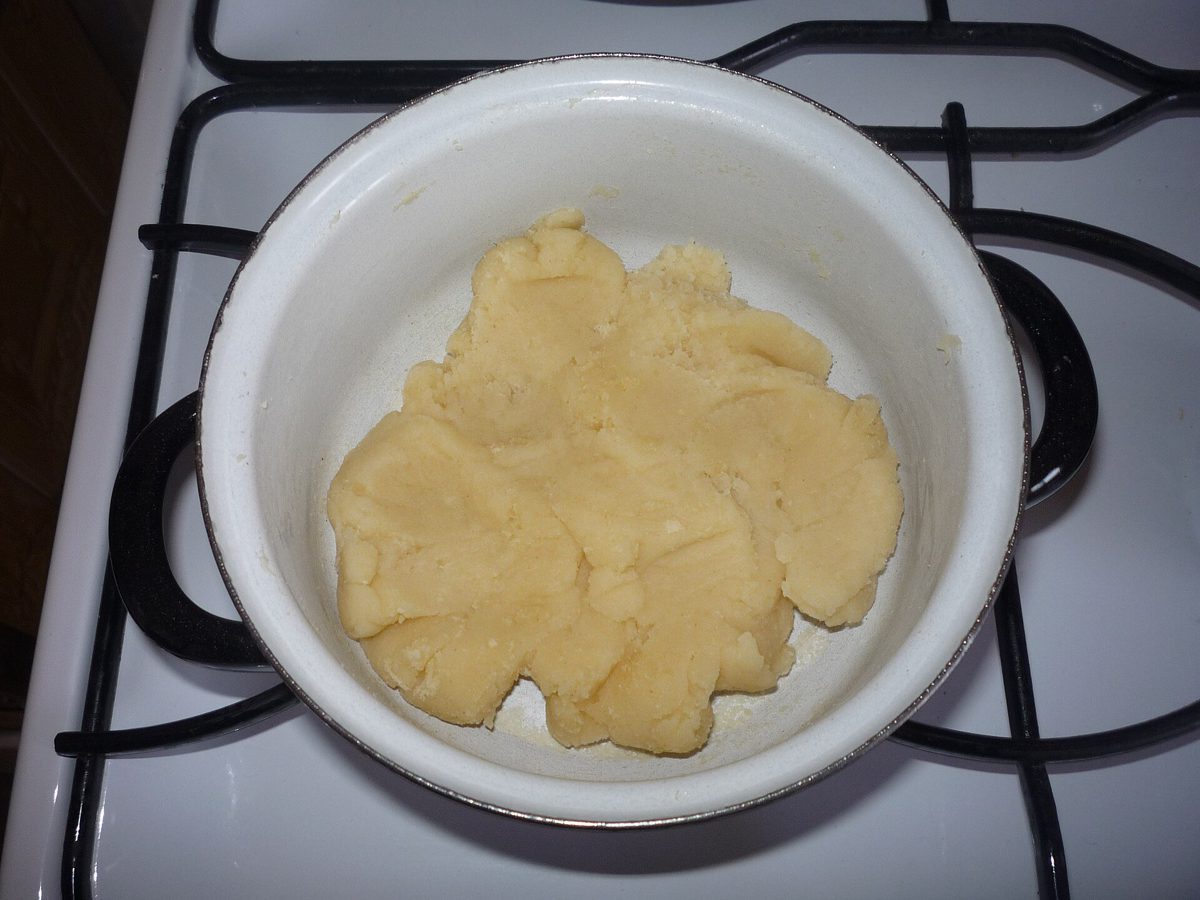
Choux pastry: In a pot, heat the water with butter and salt until the butter melts, and bring to a boil. Add all the flour at once and stir with a wooden spoon over low heat for about a minute until a thick, smooth, shiny mass forms that pulls away from the sides of the pot.
-
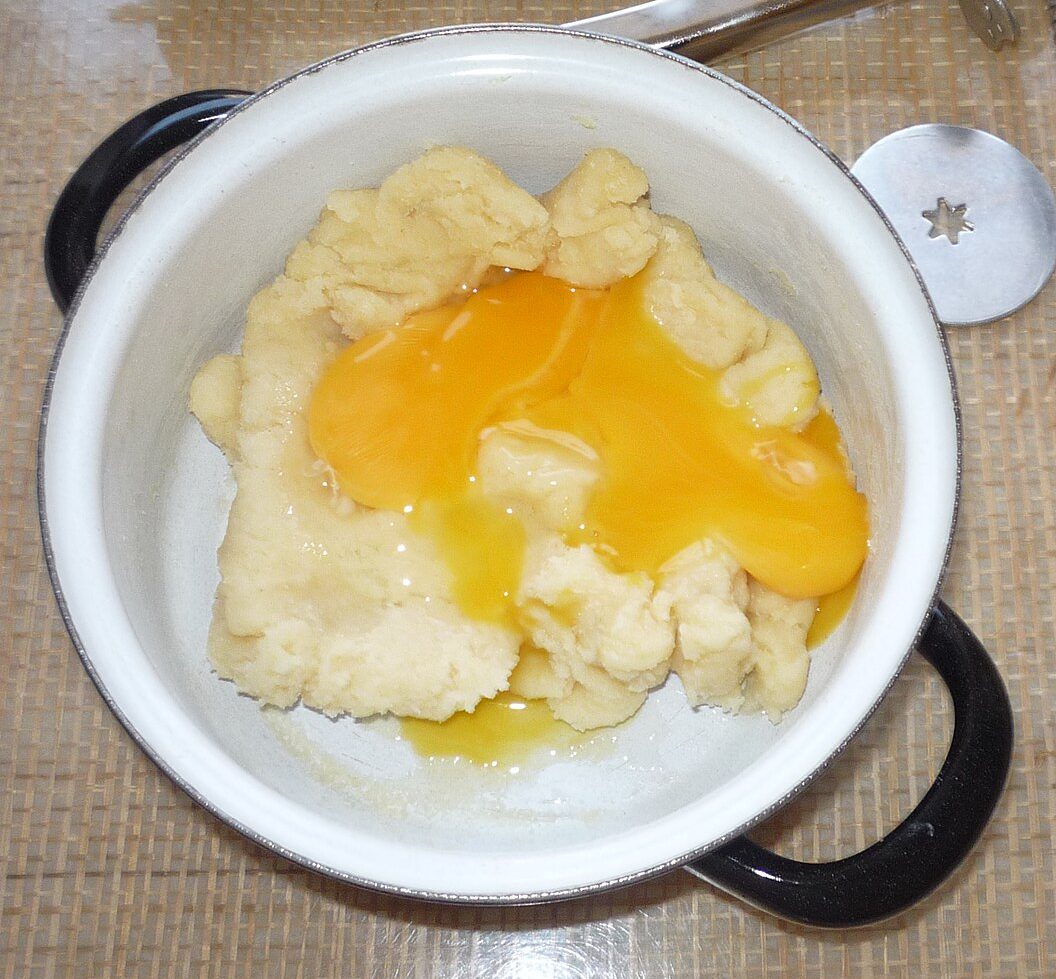
Remove the pot from the heat and let the mixture cool for about 10 minutes. Add the eggs one at a time, mixing or stirring until smooth each time before adding the next. Finally, mix in the baking powder. The batter should be smooth and sticky. Divide it into two equal parts.
-
Spoon half of the batter into several spots in the pan and spread it thinly with a flat spatula, occasionally dipping it in warm water. Do not smooth it out too much; the streaks help the cake to wave. Bake for 25–30 minutes until golden. Do not open the oven during baking, as the cake will collapse.
-
After baking, crack the door open for 5 minutes, then remove the pan, separate the layer from the edges with a knife, and transfer it to a rack. Wash and dry the pan, grease it with butter and dust it with flour again, then bake the second layer the same way. Leave the second layer in the pan; it will be the bottom. Cool both layers.
-
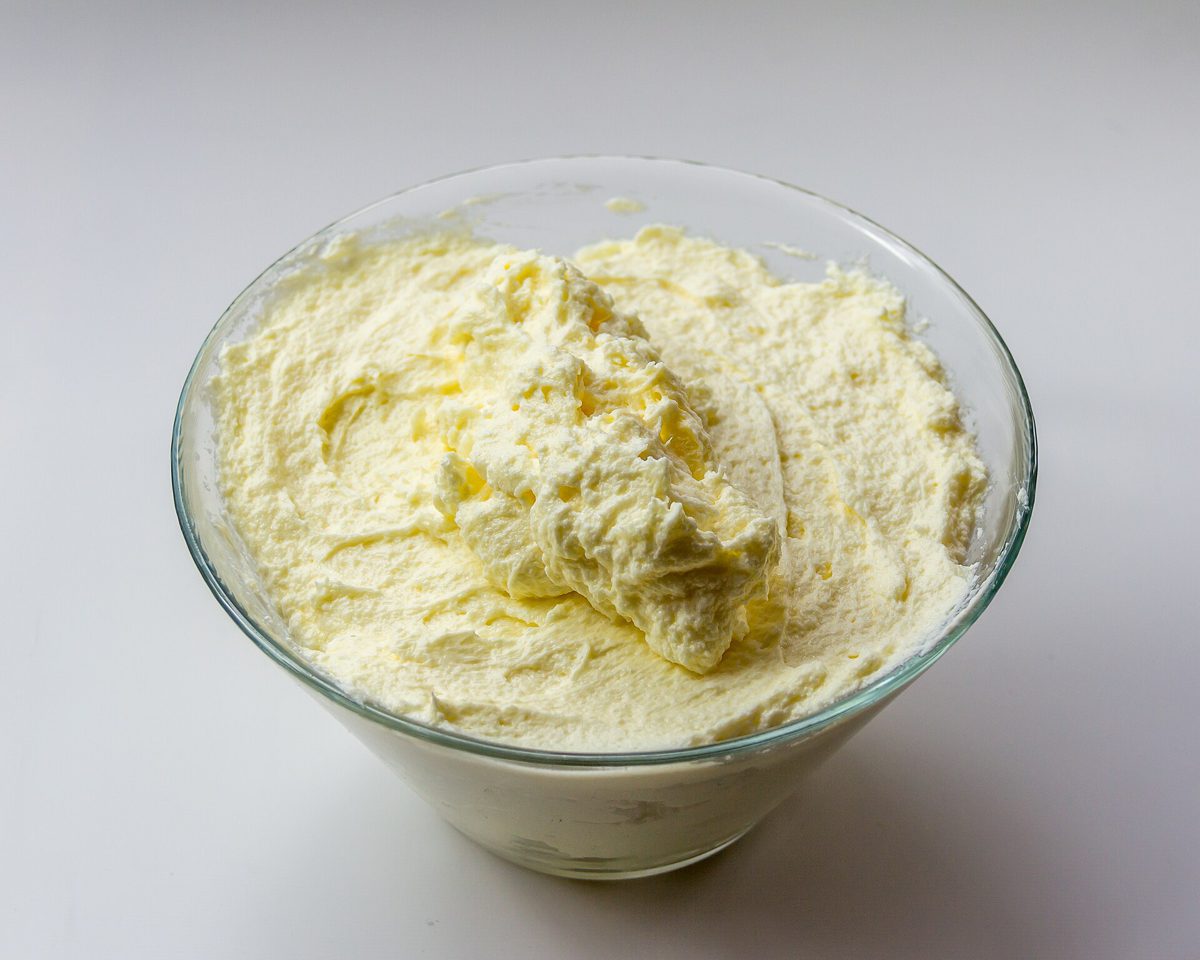
Cream: Beat the soft butter with a mixer for 3–4 minutes until light and very fluffy. Without stopping the mixing, add the cooled pudding one spoonful at a time and mix until it combines into a smooth, fluffy cream.
-
Spread the cream on the wavy side of the layer in the pan and smooth it out. Cover with the second layer. Place the karpatka in the fridge for 2–3 hours until the cream sets. Just before serving, dust it generously with powdered sugar and cut into 12 pieces with a very sharp knife.
Photos