The story behind the recipe
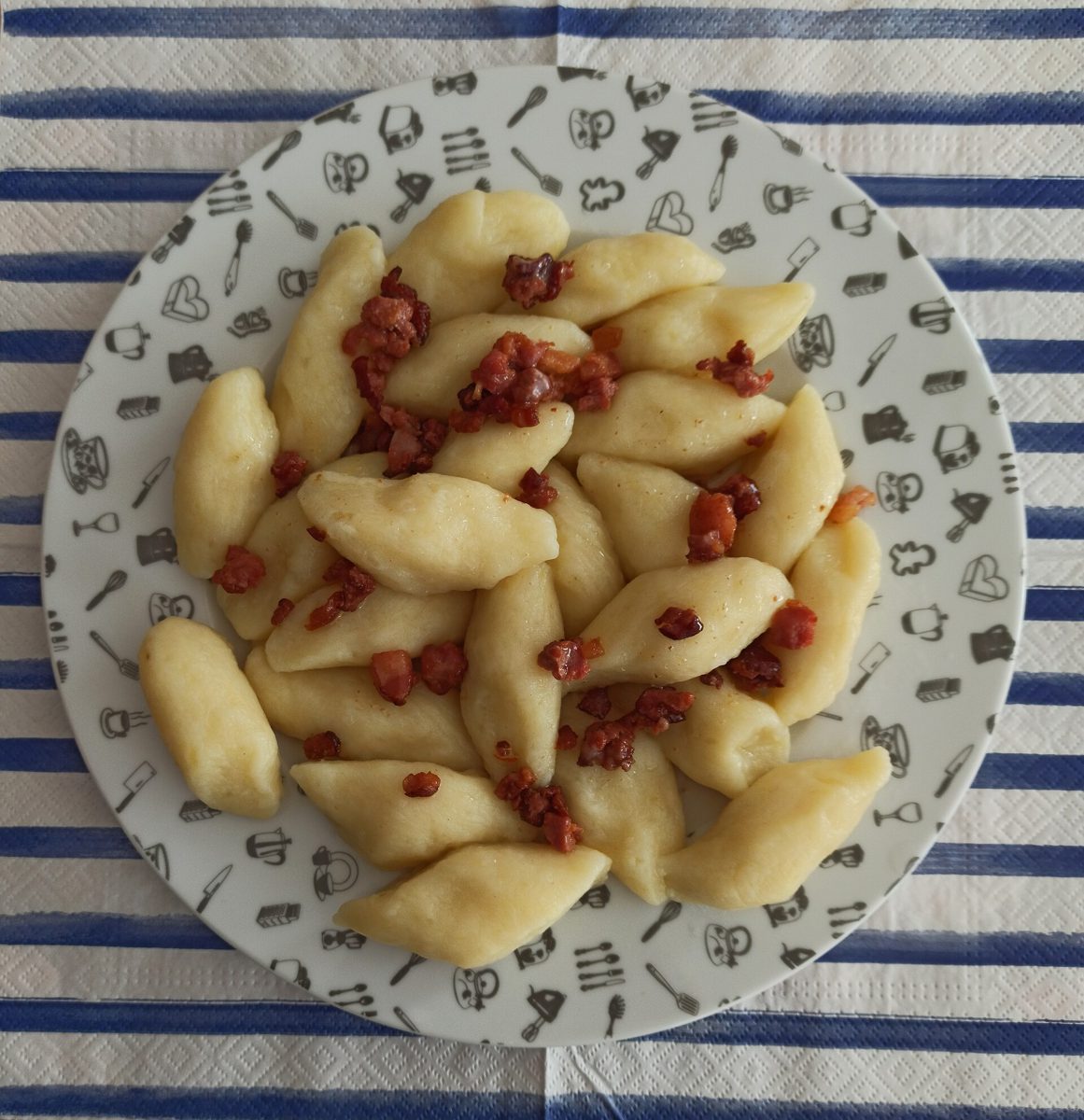
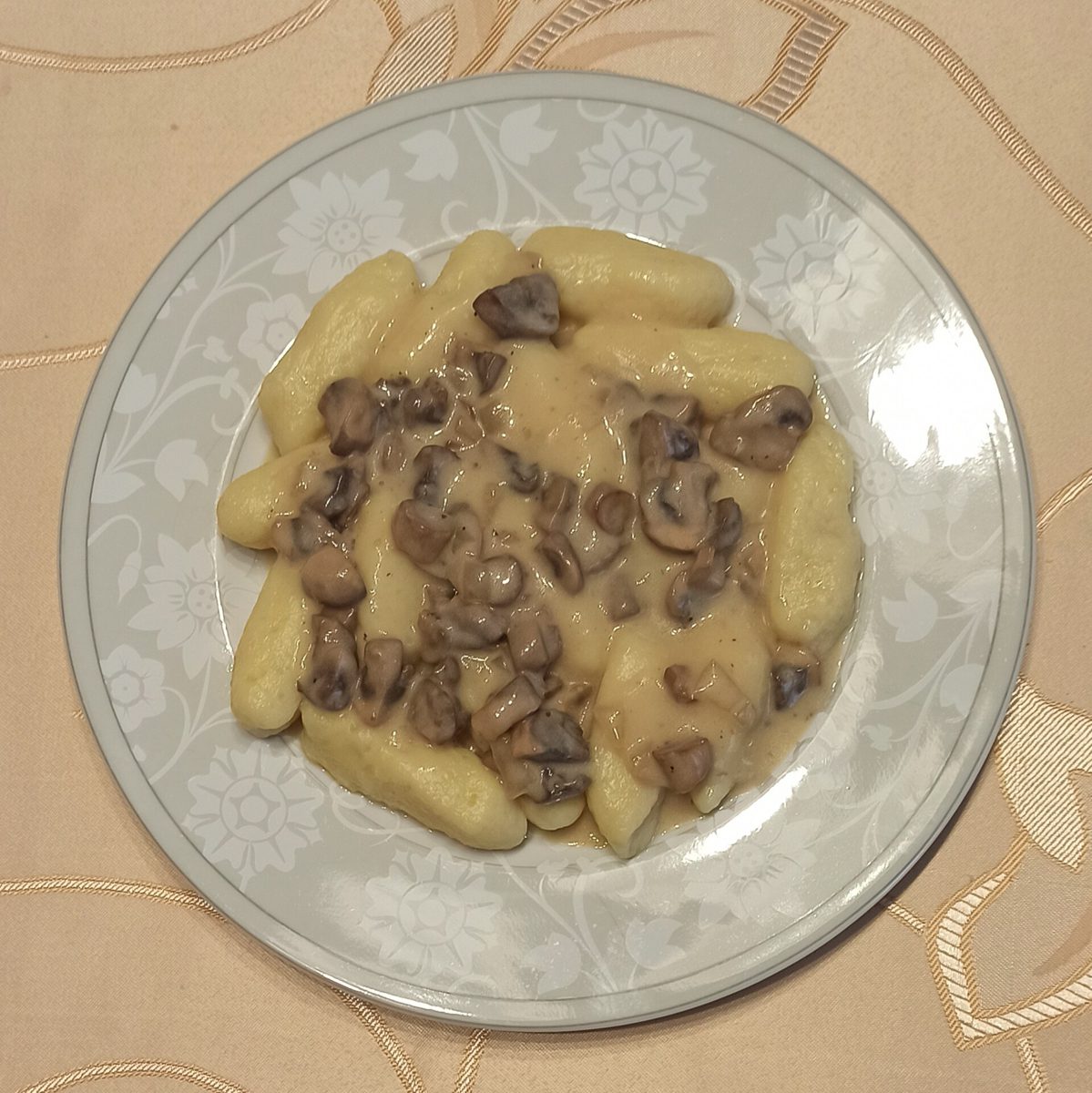
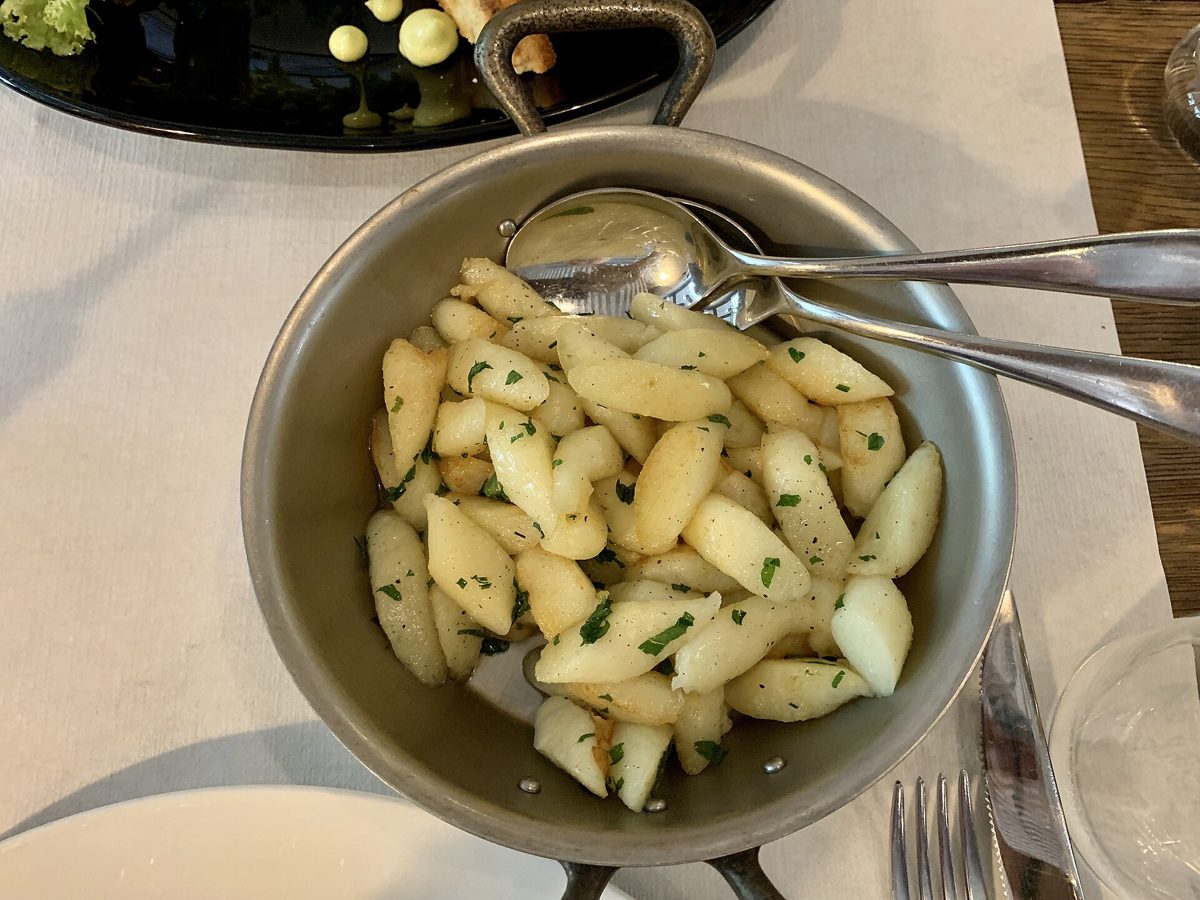
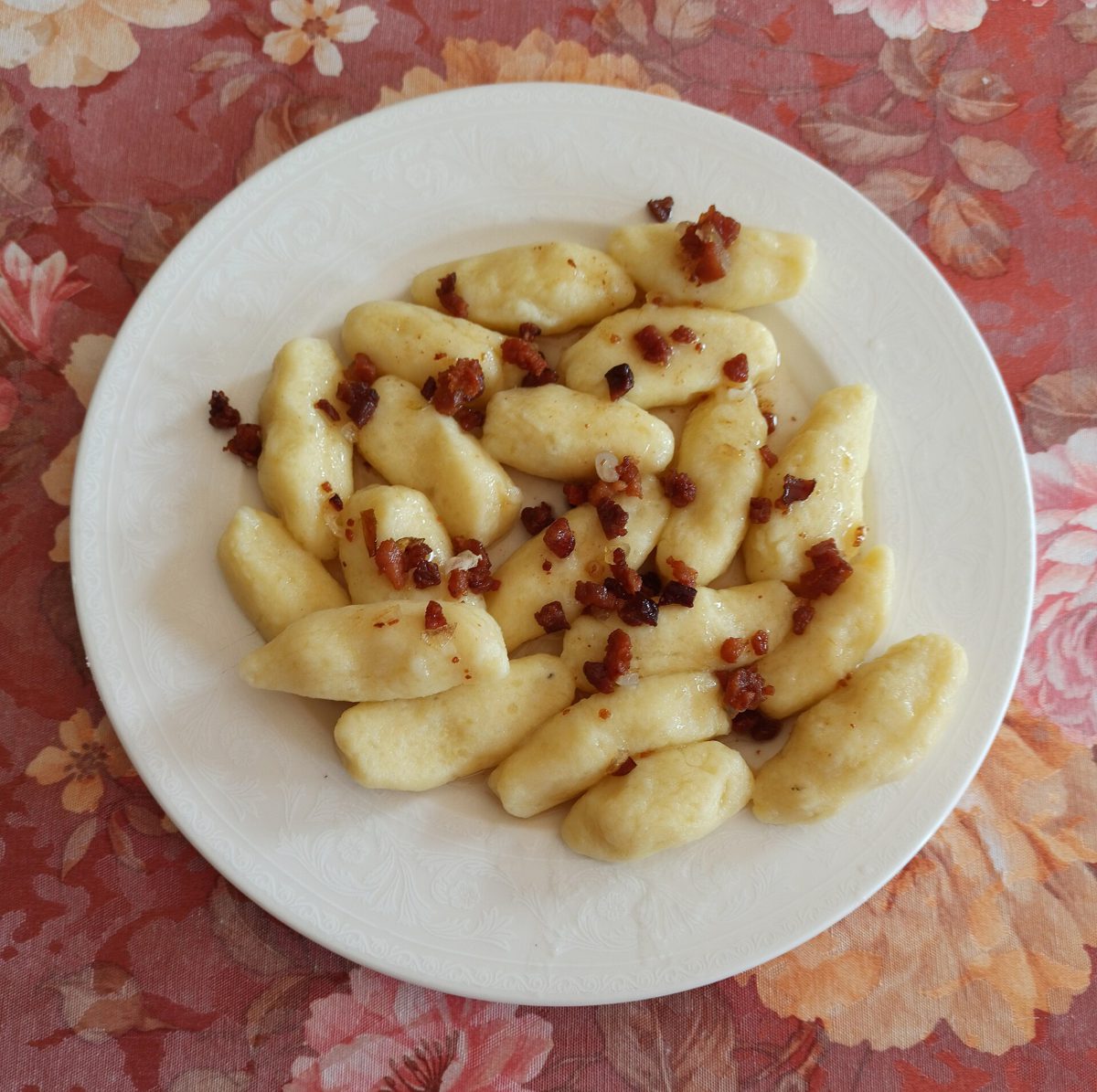
Polish Wikipedia describes kopytka as thick dumplings shaped like rhombuses, made from cooked potatoes, flour, and eggs. The name comes from 'kopyto': a small hoof, and the diagonally cut dumplings are meant to resemble its shape. In Poznań, they are called 'szagówki'. According to the city service poznan.pl, they are 'simply kopytka, but served in Poznań', and the name comes from the fact that the dough is cut 'on the angle'.
Similar dumplings, known as 'kapytki', are found in Belarusian and Lithuanian cuisine. According to English Wikipedia, they are first baked and then stewed or boiled there, while Polish kopytka are boiled in salted water. The closest relatives of kopytka are lazy pierogi, which include cheese in the dough, and in other cuisines, Italian gnocchi and German Schupfnudeln.
The origin and history of kopytka are uncertain: neither Polish nor English Wikipedia describes their history, and we found no mention of them in old cookbooks. They are also not listed in the Traditional Products List. This is a simple home-cooked dish, served as a side or as a main course.
Ingredients
Dough
-
1 kg starchy potatoes (weight after peeling, about 1.2 kg before peeling)
Abroad: USA and Canada: Russet or Yukon Gold; UK: Maris Piper or King Edward; Germany and Austria: mehligkochend -
200 g all-purpose flour (type 450 or 500, plus 30–50 g for dusting)
Abroad: USA and Canada: all-purpose flour; UK: plain flour; Germany: Type 405 or 550 - 1 pc egg (size M)
- 1 tsp salt (flat, about 6 g)
-
1 tbsp potato flour (not necessary, about 10 g)
Abroad: potato starch (not potato flour); Germany: Kartoffelstärke
To serve
- 40 g butter
-
3 tbsp breadcrumbs (about 25 g; instead of butter with breadcrumbs, you can use 100–120 g of bacon or lard for cracklings)
Abroad: USA: plain bread crumbs; UK: dried breadcrumbs; Germany: Paniermehl or Semmelbrösel
Method, step by step
-
Peel the potatoes, cook them in salted water until soft, and drain well. You can also cook them in their skins and peel them after cooking; this way, they are drier.
-
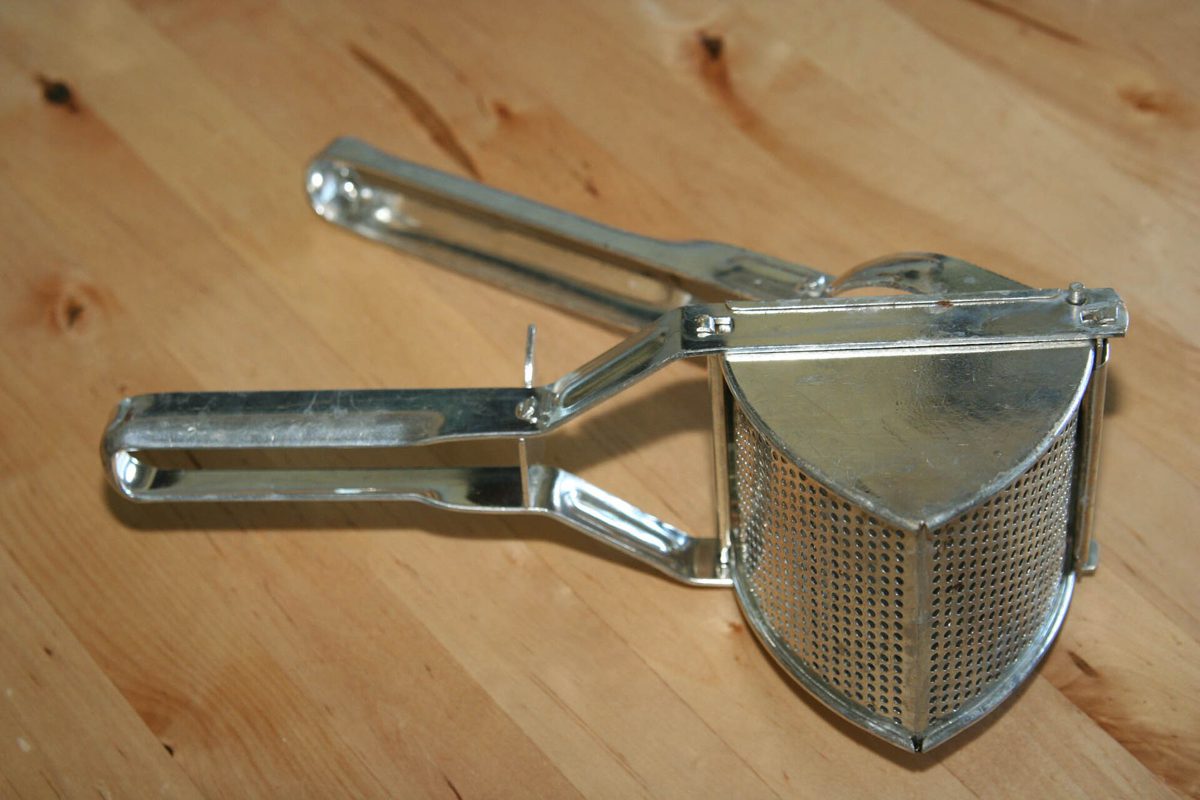
Pass the hot potatoes through a ricer; do not mash them with a fork, as this will leave lumps. Spread the mixture in a bowl or on a countertop and let it cool completely. The drier and cooler the potatoes, the less flour will be needed.
-
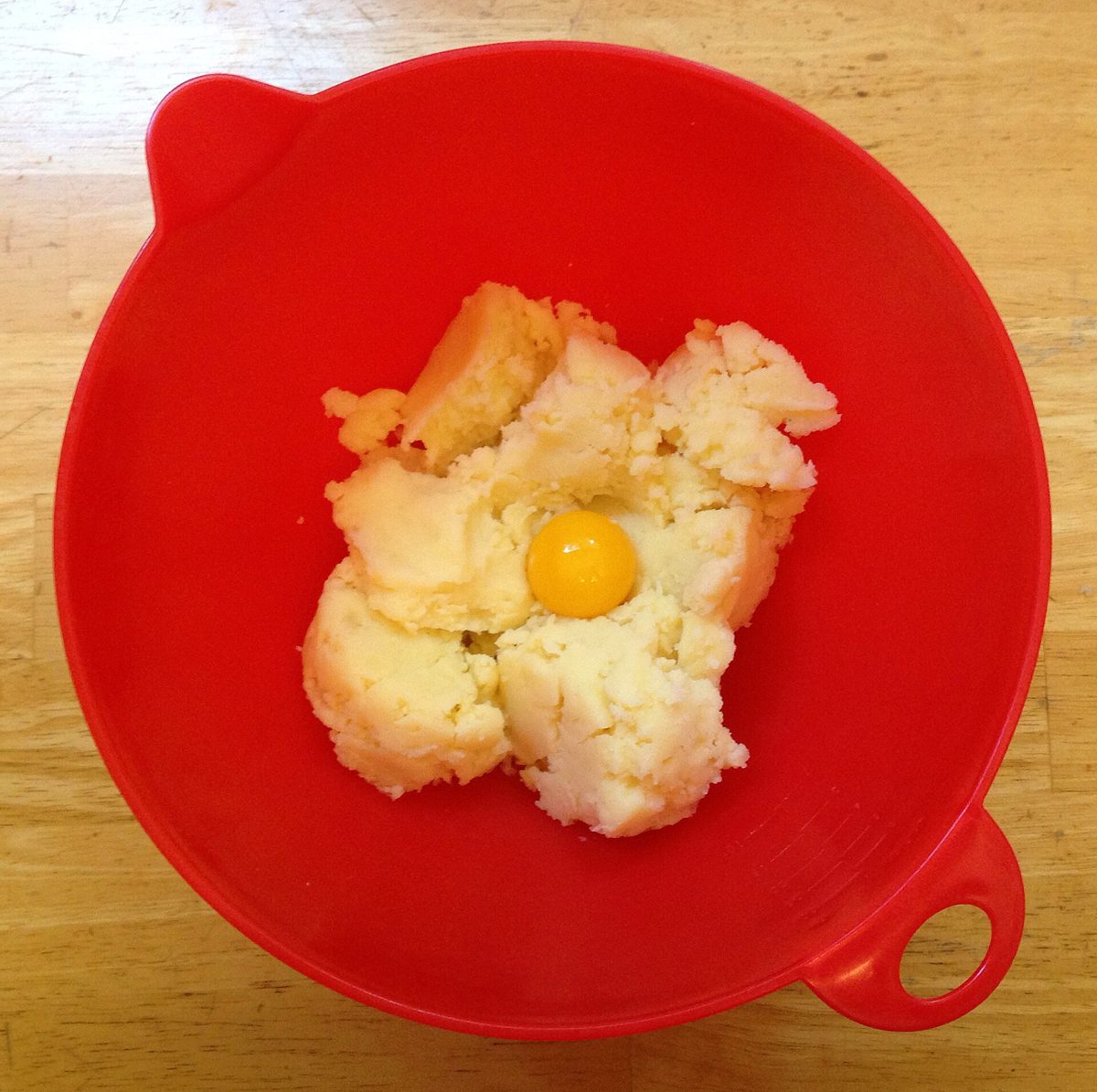
Add the egg and salt to the cold potatoes.
-
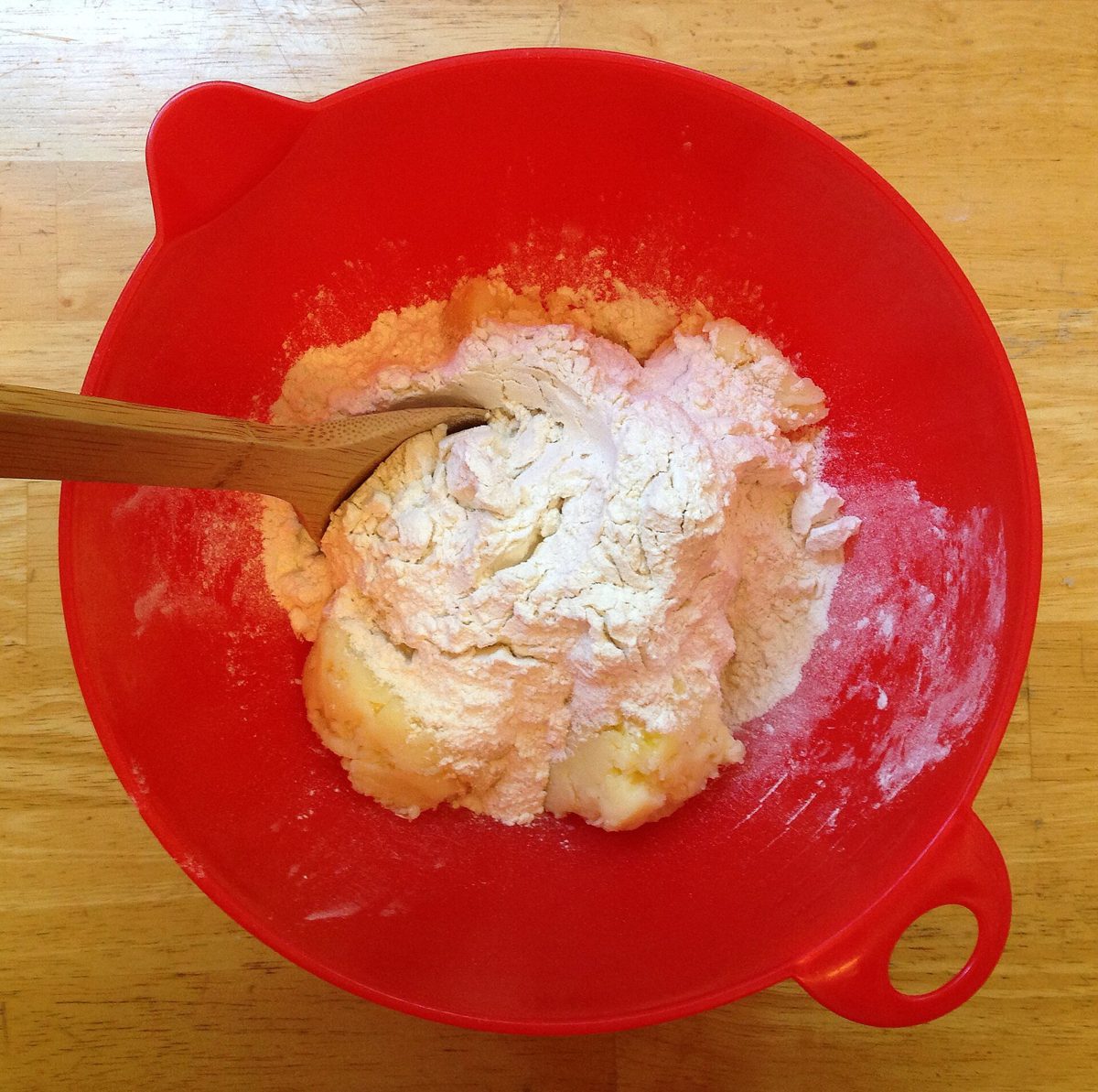
Add the all-purpose flour and, if using, the potato flour.
-
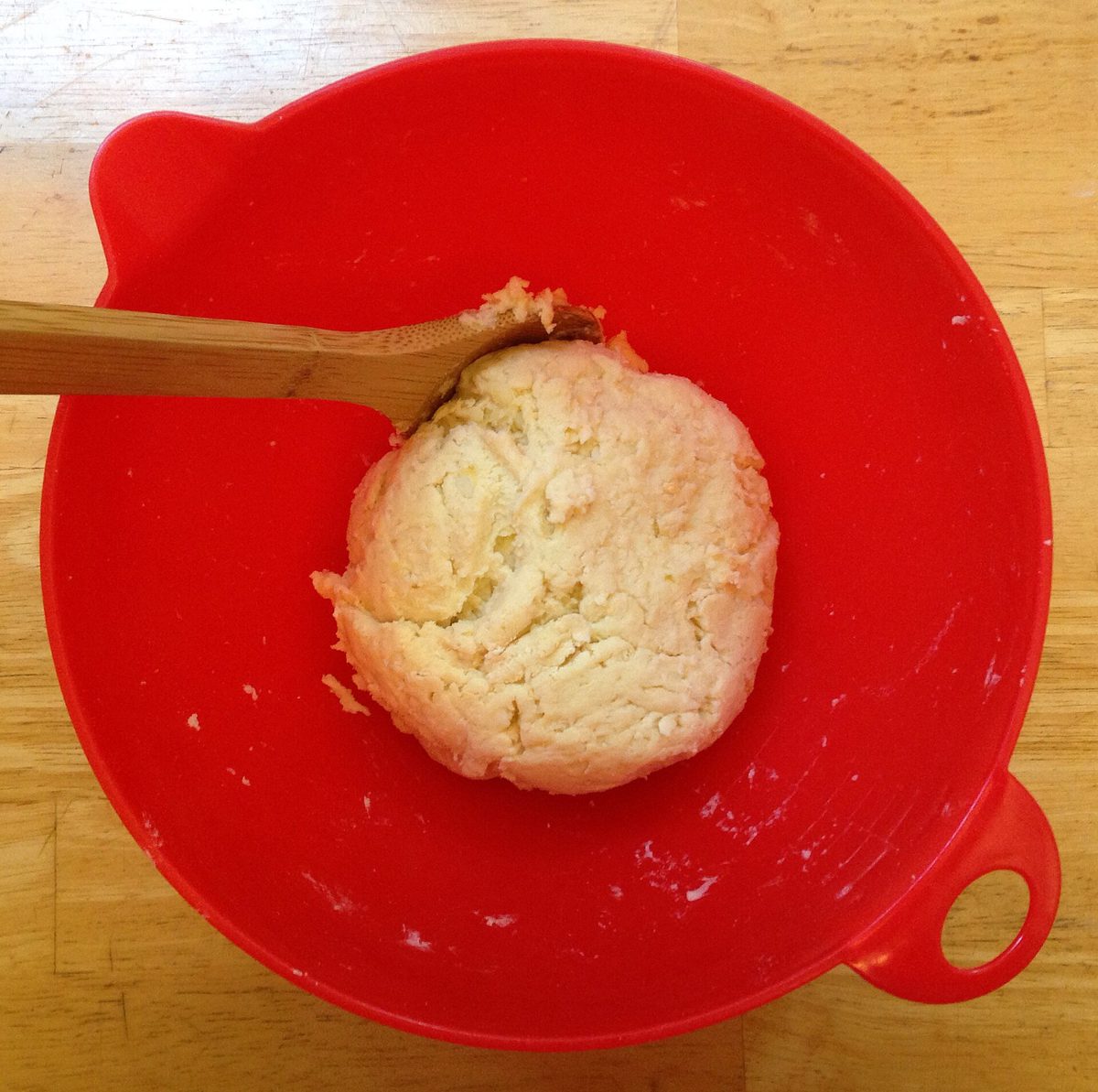
Quickly knead the dough, just until the ingredients are combined and it is smooth. Do not add more flour than necessary, as the kopytka will turn out hard. Use the dough immediately.
-
Divide the dough into 4–6 parts. On a floured countertop, roll each part into a log about the thickness of a thumb, around 3 cm. Slightly flatten it and cut it diagonally into pieces 1.5–2 cm wide. The diagonal cut gives the kopytka their rhombus shape.
-
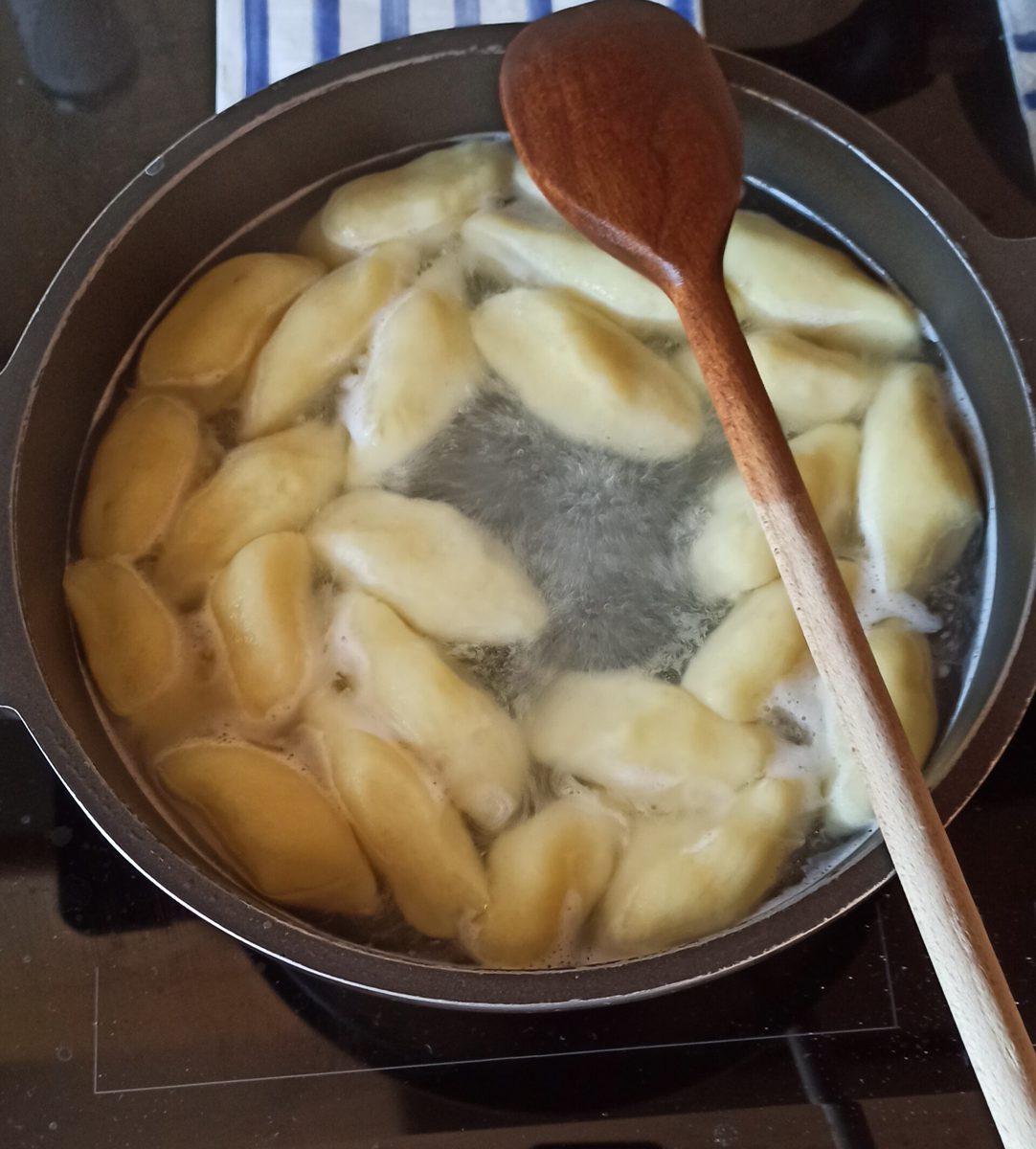
Bring a large pot of salted water to a boil. Drop the kopytka in batches and immediately stir gently with a wooden spoon to prevent them from sticking to the bottom. Lower the heat so that the water is just gently bubbling.
-
When the kopytka float to the surface, cook them for another 2–3 minutes and remove them with a slotted spoon. If you are not serving them immediately, mix them with a little oil to prevent sticking.
-
In a pan, melt the butter, add the breadcrumbs, and brown them until golden. Pour over the kopytka and serve immediately. Alternatively, you can render cracklings from diced bacon or lard in the pan.
Photos