The story behind the recipe
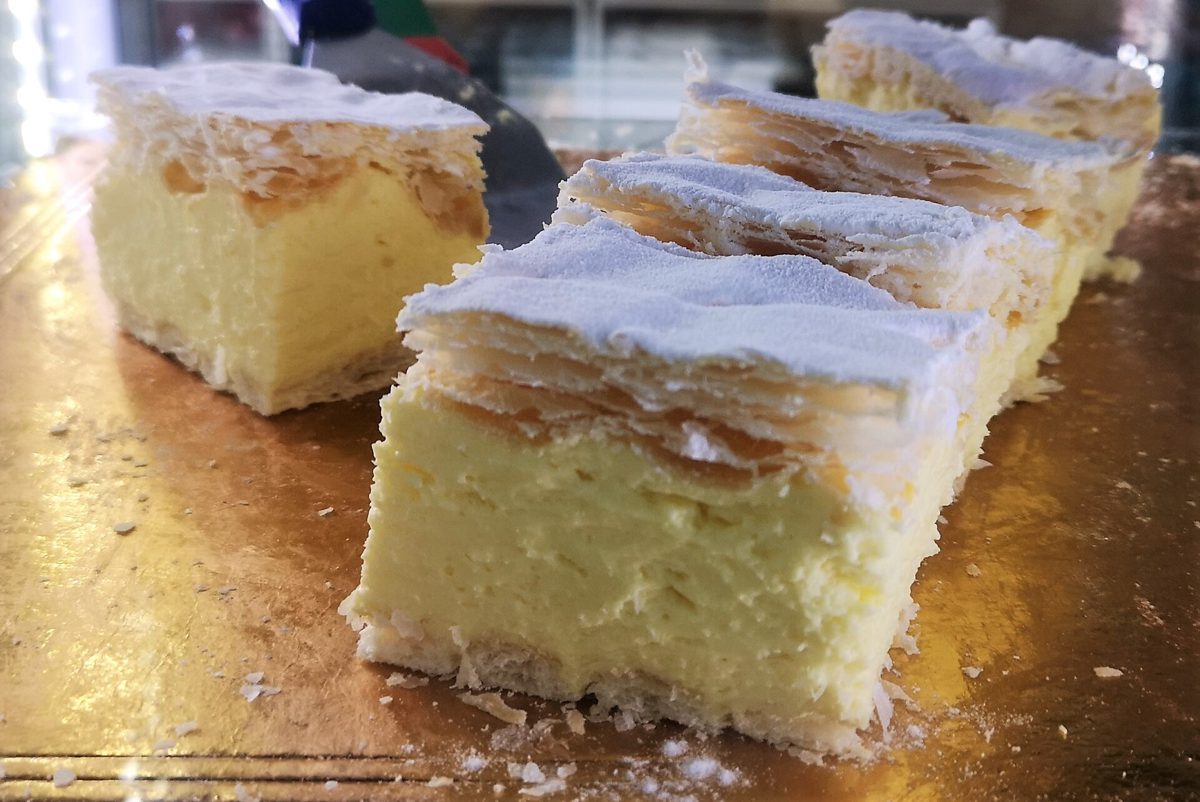
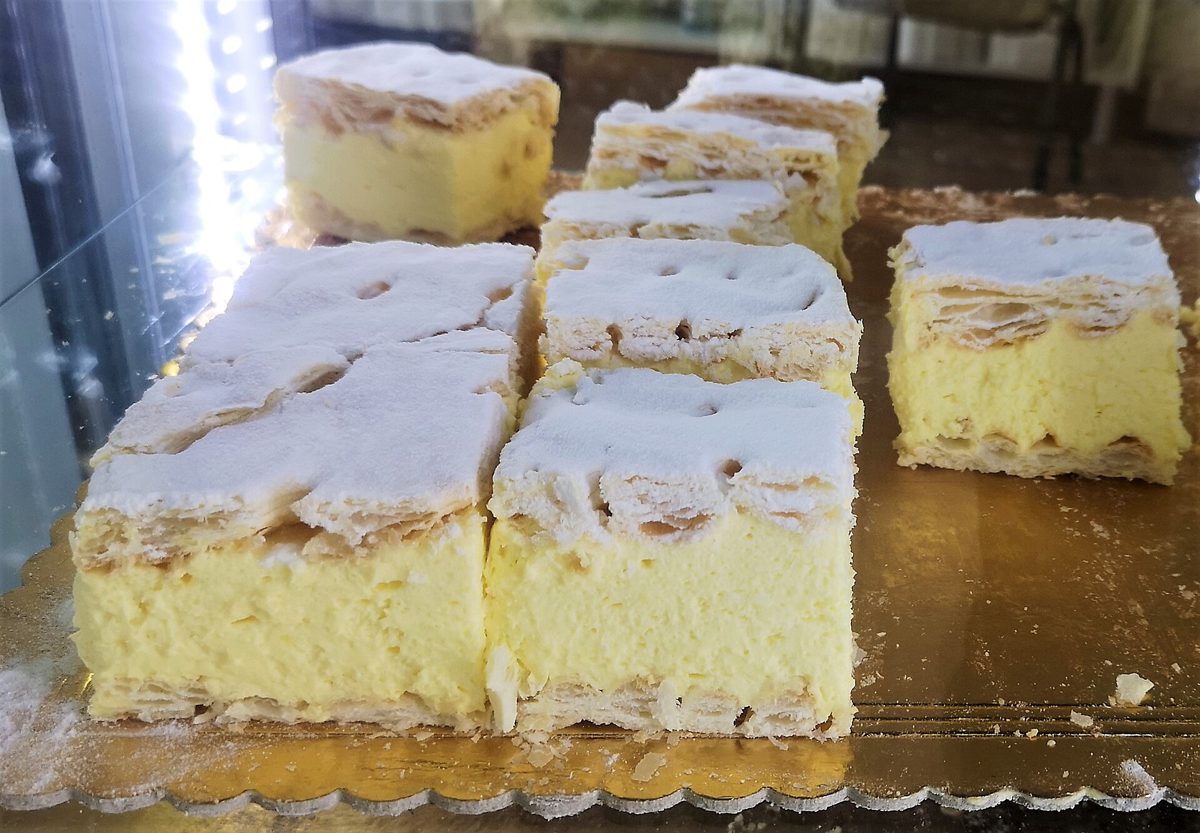
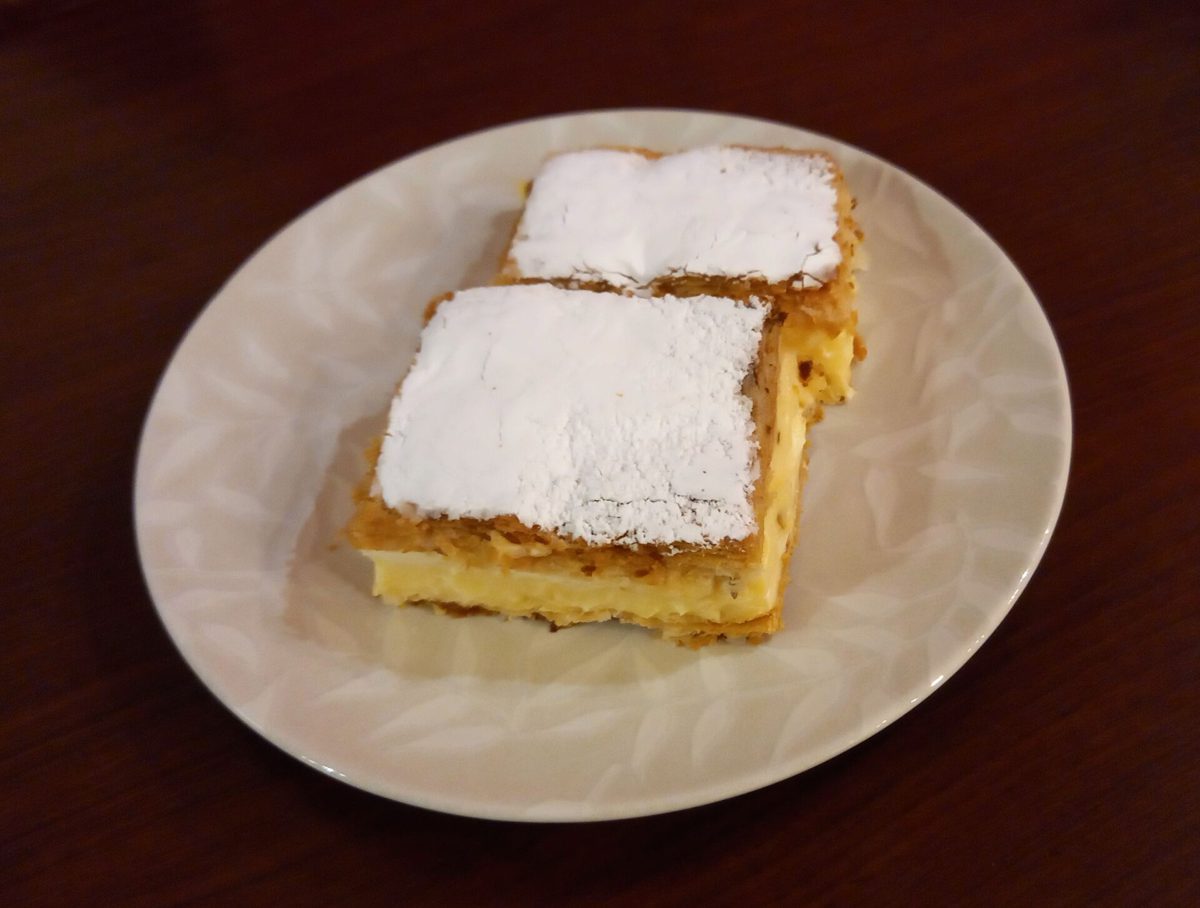
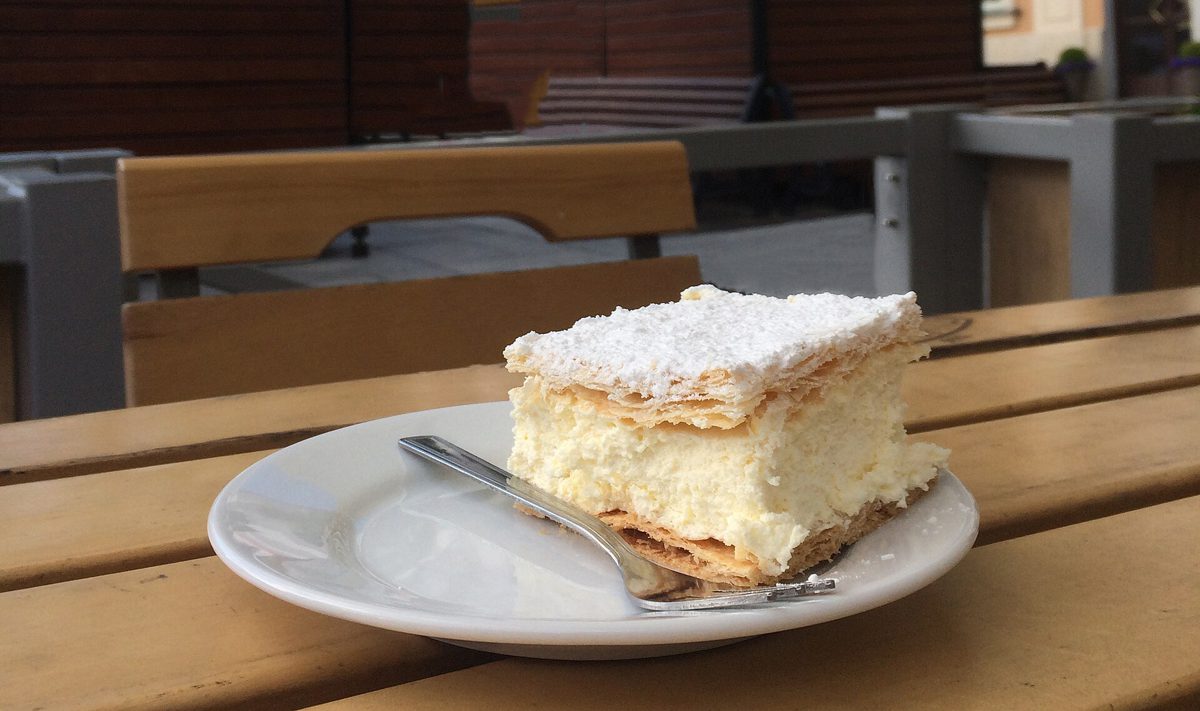
Kremówka, known in many regions as napoleonka, is according to Polish Wikipedia a pastry made of two layers of puff pastry filled with cream: whipped cream, custard made from milk, eggs, flour, and vanilla, or thick pudding with butter, topped with powdered sugar. It was inspired by the French mille-feuille. The name 'napoleonka' likely comes from a mispronunciation of the French word napolitain, meaning 'Neapolitan', rather than from Napoleon. The Warsaw dictionary from the early 20th century already notes napoleonki as pastries filled with cream or jam. According to some sources, in Warsaw, the name originated from the pre-war confectionery 'Napoleonka' run by Feliks Gołaszewski on Świętokrzyska Street, facing Napoleon Square.
There is some confusion regarding the names. Wikipedia states that in Małopolska it is called 'kremówka', in Wielkopolska 'napoleonka', and in Wrocław and Łódź both names refer to different pastries, but in both cities, the meanings are reversed. The portal gotujmy.pl admits that there is no final verdict, but many confectioneries have adopted the distinction: kremówka has two creams, custard and whipped cream, while napoleonka has only custard. This is how kremówka is described by Ania Gotuje and Moje Wypieki, from which we take our recipe.
The most famous is the papal kremówka. On June 16, 1999, John Paul II recalled in the market square in Wadowice: 'And there was a confectionery. After graduation, we used to go for kremówki. That we endured all this, those kremówki after graduation.' The confectionery on the corner of the market, at number 15, was run by Karol Hagenhuber, a pastry chef from Vienna, since 1936; it no longer exists. According to the city of Wadowice's website, a friend of Karol Wojtyła described these kremówki as two layers of puff pastry with a yellow, light cream with a delicate vanilla flavor, without a drop of alcohol, costing 15 groszy each. How many kremówki the future pope ate there with his friends is not known for sure: sources mention twelve, fifteen, or eighteen. After 1999, local confectioners and bakers began selling their own versions of this pastry. Our recipe is a homemade kremówka with two creams, not a recreation of the one from Hagenhuber's confectionery.
Ingredients
Dough (20×30 cm, or 8×12 inches)
-
2 pcs butter puff pastry sheets (ready-made, 320 g each)
Abroad: USA and UK: all-butter puff pastry; Germany: Butter-Blätterteig
Custard
- 500 ml milk
-
250 ml 30% or 36% cream
Abroad: USA: heavy cream; UK: double cream or whipping cream; Germany: Schlagsahne -
1 tsp vanilla paste (or seeds from 1 vanilla pod, or 18 g vanilla sugar)
Abroad: seeds from a vanilla pod or vanilla sugar - 120 g sugar
- 6 pcs egg yolks (from large eggs)
-
3 tbsp (about 29 g) potato starch
Abroad: cornstarch or tapioca flour -
1 tbsp (about 7.5 g) wheat flour
Abroad: USA and Canada: all-purpose flour; UK: plain flour; Germany: Type 405 -
50 g butter (at room temperature)
Abroad: unsalted butter
Whipped Cream
-
500 ml 30% or 36% cream (well chilled)
Abroad: USA: heavy cream; UK: double cream (then without gelatin); Germany: Schlagsahne -
6 g gelatin powder (2 teaspoons)
Abroad: powdered gelatin - 30 ml cold water (for gelatin)
-
1 tsp (about 2.5 g) powdered sugar
Abroad: powdered sugar / icing sugar; Germany: Puderzucker
For Dusting
-
powdered sugar (for dusting)
Abroad: powdered sugar / icing sugar
Method, step by step
-
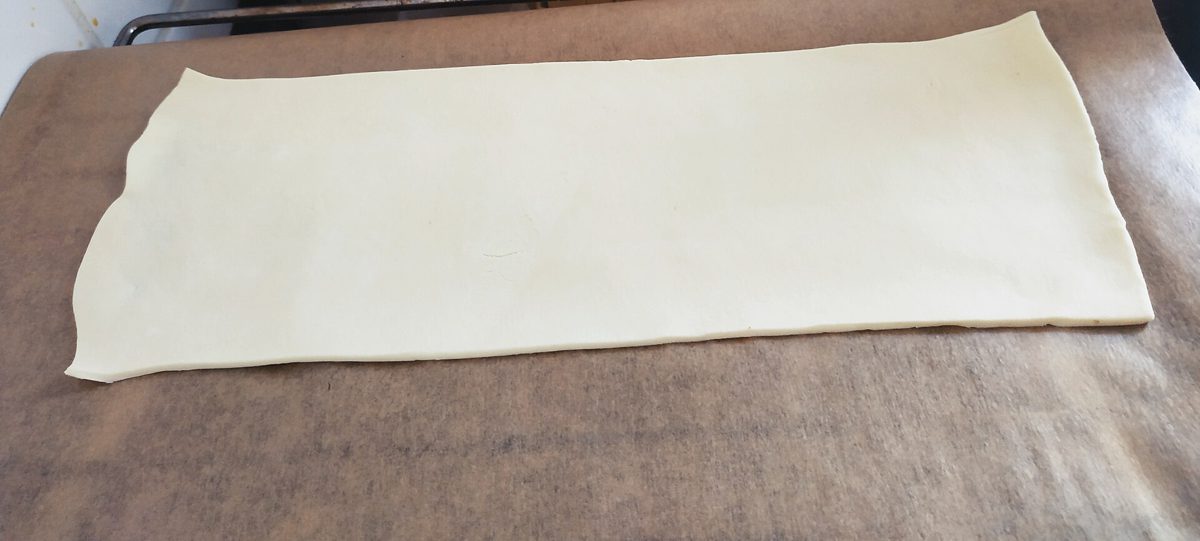
Take the puff pastry sheets out of the fridge to warm up to room temperature. Preheat the oven to 200°C (400°F). Line two large baking trays with parchment paper, placing one sheet on each and pricking them densely with a fork.
-
Bake the sheets for 25–30 minutes until they are dark golden. During baking, the pastry rises, so occasionally puncture all the bulges with a fork. The layer should be well-baked but flat. Transfer the baked sheets to a rack to cool.
-
Line a 20×30 cm (8×12 inches) baking dish with parchment paper. Trim both sheets to the size of the dish with a pizza cutter or serrated knife; it may turn out that trimming is not necessary. Cut one sheet into 12 equal pieces right away; this will be the top.
-
Custard: In a pot, bring 350 ml of milk to a boil with sugar. Add the cream and vanilla paste, mix, and bring to a boil again.
-
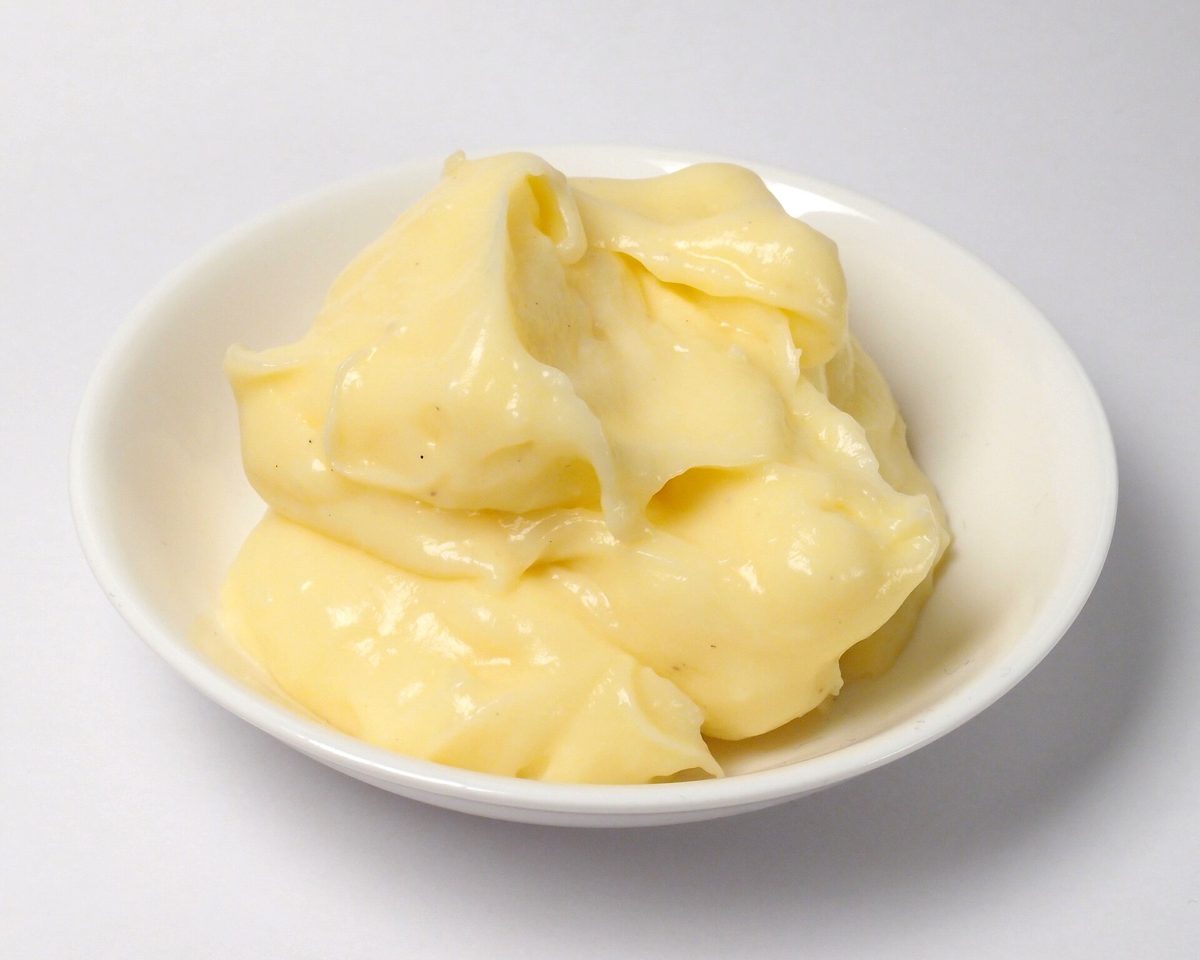
In a separate bowl, blend the remaining 150 ml of milk with the egg yolks, starch, and flour, preferably with a blender to avoid lumps. Pour into the boiling milk and cook like pudding, stirring often, until the mixture thickens, then for another 2 minutes. Remove from heat and stir in the butter cut into pieces until melted.
-
Place the whole layer in the bottom of the dish with the pricked side up to prevent crumbling. Spread the custard (it can be slightly warm) on top and smooth it out. Set aside until completely cool.
-
Soak the gelatin in 30 ml of cold water, mix, and let it sit for 10 minutes to swell. Heat, stirring, until completely dissolved, or dissolve it in the microwave; do not bring to a boil. Let it cool, but do not let it set.
-
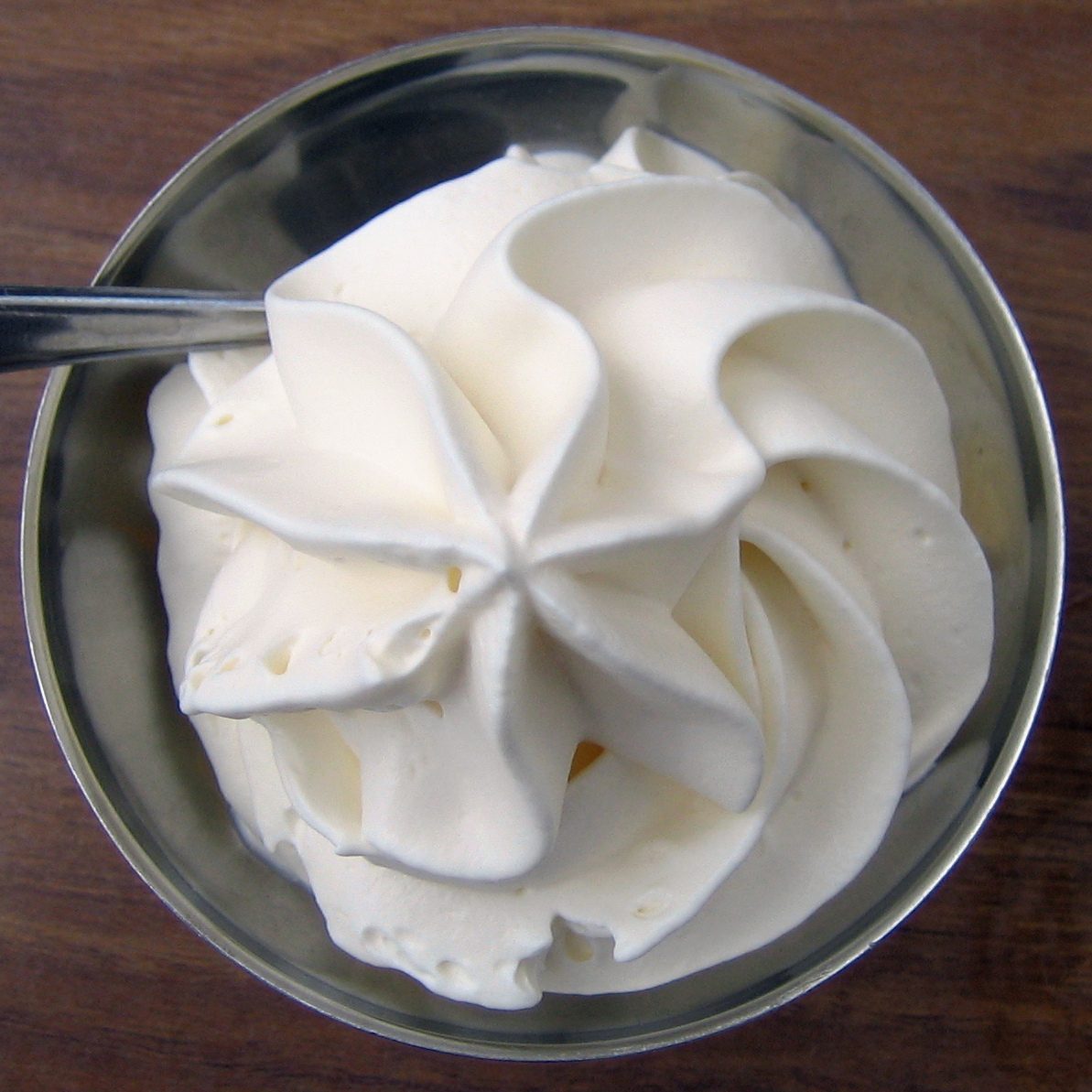
Whip the chilled cream until stiff, adding the powdered sugar at the end. Mix 2–3 tablespoons of whipped cream into the gelatin, then pour it into the rest and briefly blend.
-
Spread the whipped cream over the cooled custard and smooth it out. Place the cut pieces of the second layer on top with the pricked side down on the cream. Dust with powdered sugar and refrigerate the kremówka until the filling sets. Cut along the pieces in the top layer.
Photos