The story behind the recipe
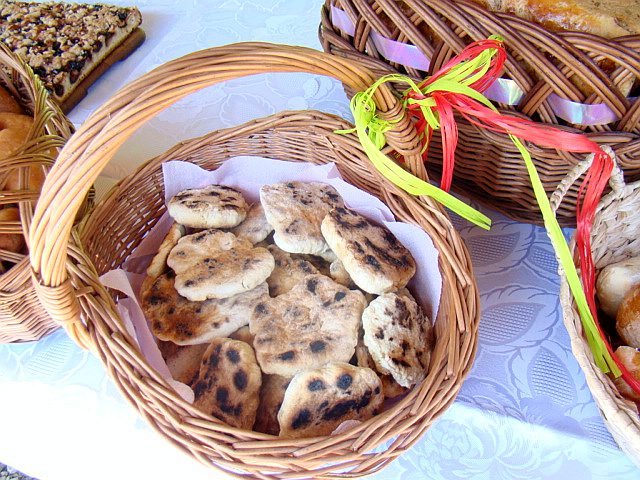
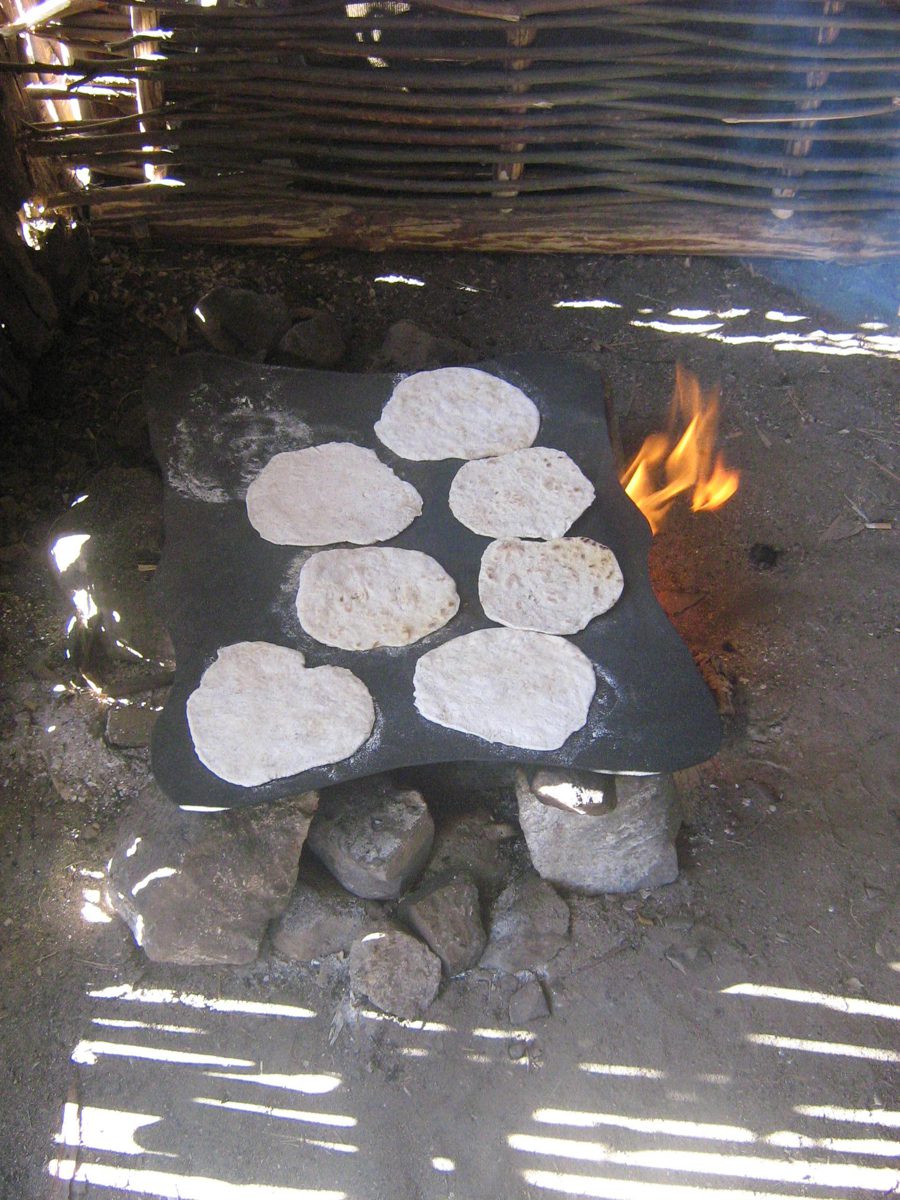
Proziaki are thick pancakes made from wheat flour, sour milk, and soda, which in the local dialect was called "proza." In 2006, they were entered into the List of Traditional Products as a baked good from the Subcarpathian Voivodeship. The ministry's card describes them as pancakes baked without fat directly on the stove and lists other names used in Subcarpathia: prołzioki, prouzioki, and prozioki. They were known among the Pogórzans and the Lasowiaks, in the former Sandomierz Forest, which today includes the counties of Stalowa Wola, Nisko, and Tarnobrzeg. The description of Lasowiak cuisine briefly mentions them: pancakes made with soda, wheat flour, sour milk, and salt, baked on a plate.
In Żabno near Radomyśl nad Sanem, the grandmother of our portal's founder baked these pancakes on a stove plate, and in the family, they were called "prażochy." We couldn't find this name in any source; we record it as a local name remembered in the family. It fits with the verb that the authors of the recipes also use: proziaki are "prażone" on a hot plate or skillet. In other regions of Poland, the words "prażochy" and "prażuchy" mean something different: according to linguist Irena Jaros, they refer to dishes made from potatoes mashed with flour, dumplings, or potato pancakes, not soda pancakes.
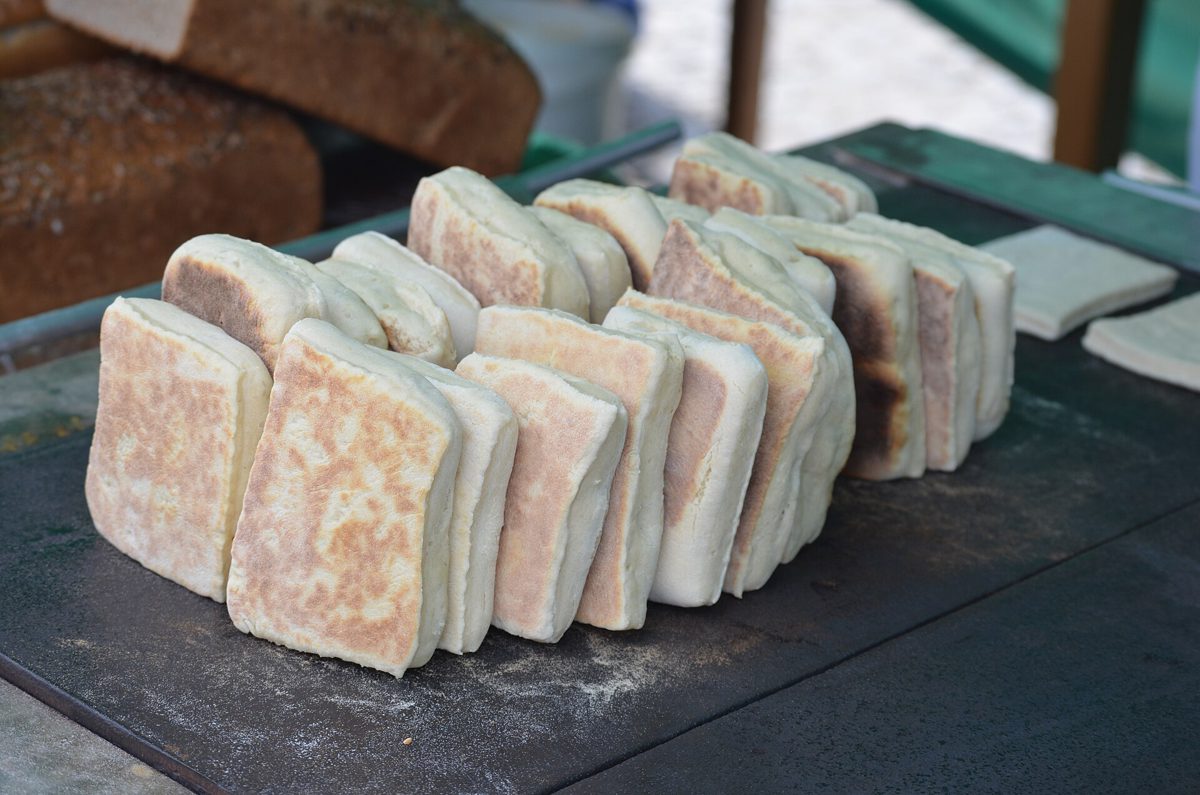
According to the card from the List of Traditional Products, proziaki have been eaten in Subcarpathia for over 150 years, and the recipe has been passed down orally from generation to generation. They were made with wheat flour, preferably whole grain, with eggs, sour milk, and cream, with a bit of soda, salt, and sugar added. Because they are quick to prepare, they often replaced village bread. Every household baked them a little differently: with buttermilk, kefir, sour milk, or whey, with or without eggs, round or square.
Ingredients
Dough (16 pancakes)
-
500 g wheat flour (cake or Poznań (type 450 or 500))
Abroad: USA: all-purpose flour; UK: plain flour; Germany: Type 405 or 550 -
250 ml kefir, buttermilk, or sour milk (at room temperature; up to 300 ml if the dough is too dry)
Abroad: kefir; buttermilk: USA cultured buttermilk, UK buttermilk, Germany Buttermilch; sour milk: Germany Dickmilch - 1 pc egg (at room temperature; can be omitted)
-
1 tsp (about 6 g) baking soda (flat)
Abroad: USA: baking soda; UK: bicarbonate of soda; Germany: Natron - ½ tsp (about 3 g) salt (flat)
- ½ tsp (about 2 g) sugar
To serve
- butter (fresh, for spreading on hot pancakes)
- white cheese or jam (your choice)
Method, step by step
-
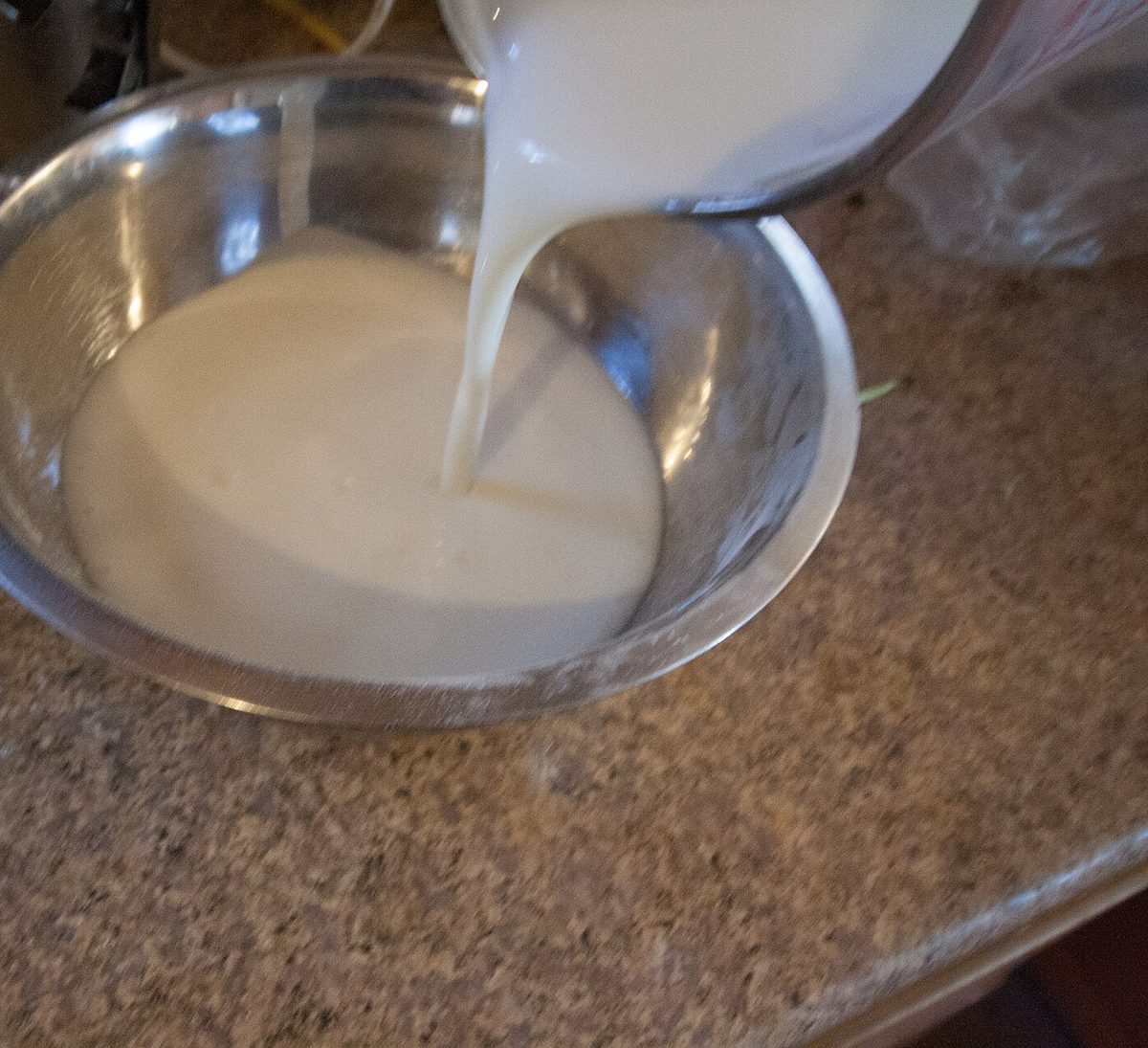
Take the kefir (or buttermilk or sour milk) and egg out of the refrigerator beforehand so they are at room temperature. In a bowl or jug, beat the egg with the kefir.
-
In a large bowl, sift the flour together with the salt and baking soda, add the sugar, and mix. Pour in the kefir with the egg.
-
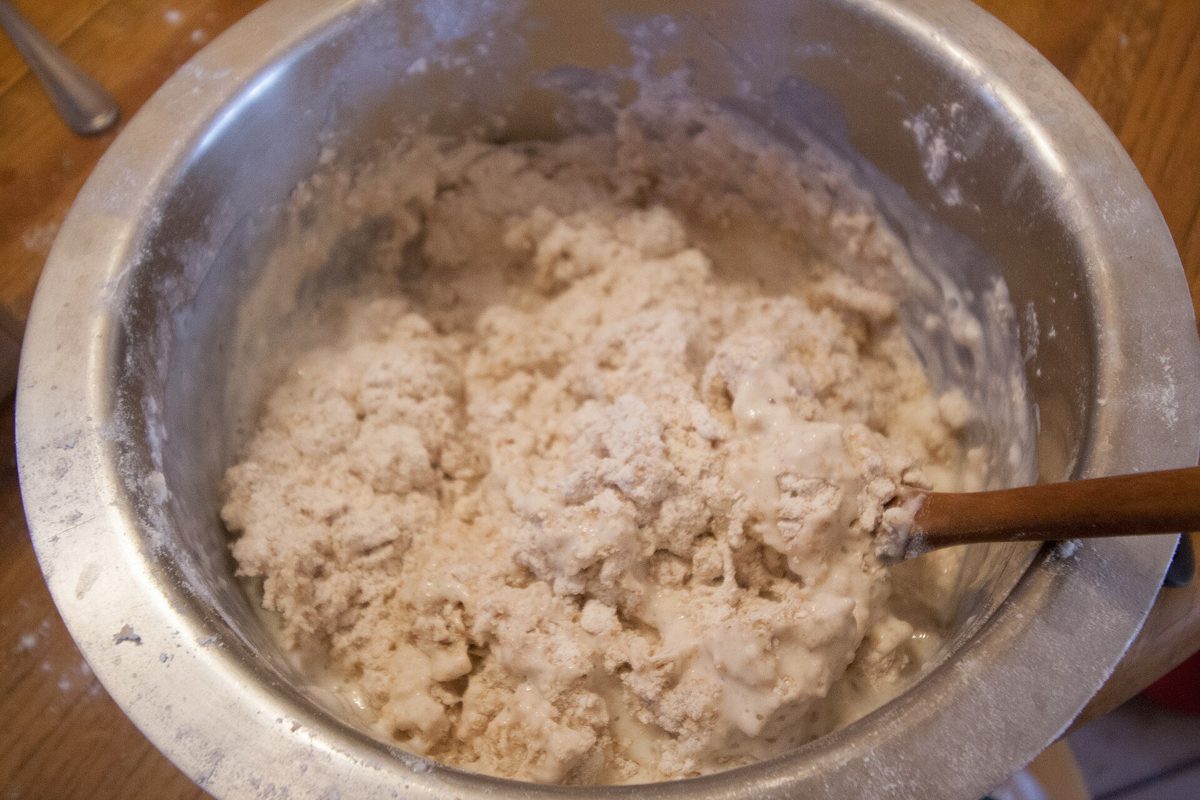
Knead the dough with your hands for a few minutes until it is uniform and smooth. It may be slightly sticky, which is good: dust your hands with flour and add just enough to make the dough rollable. It should resemble pierogi dough in consistency.
-
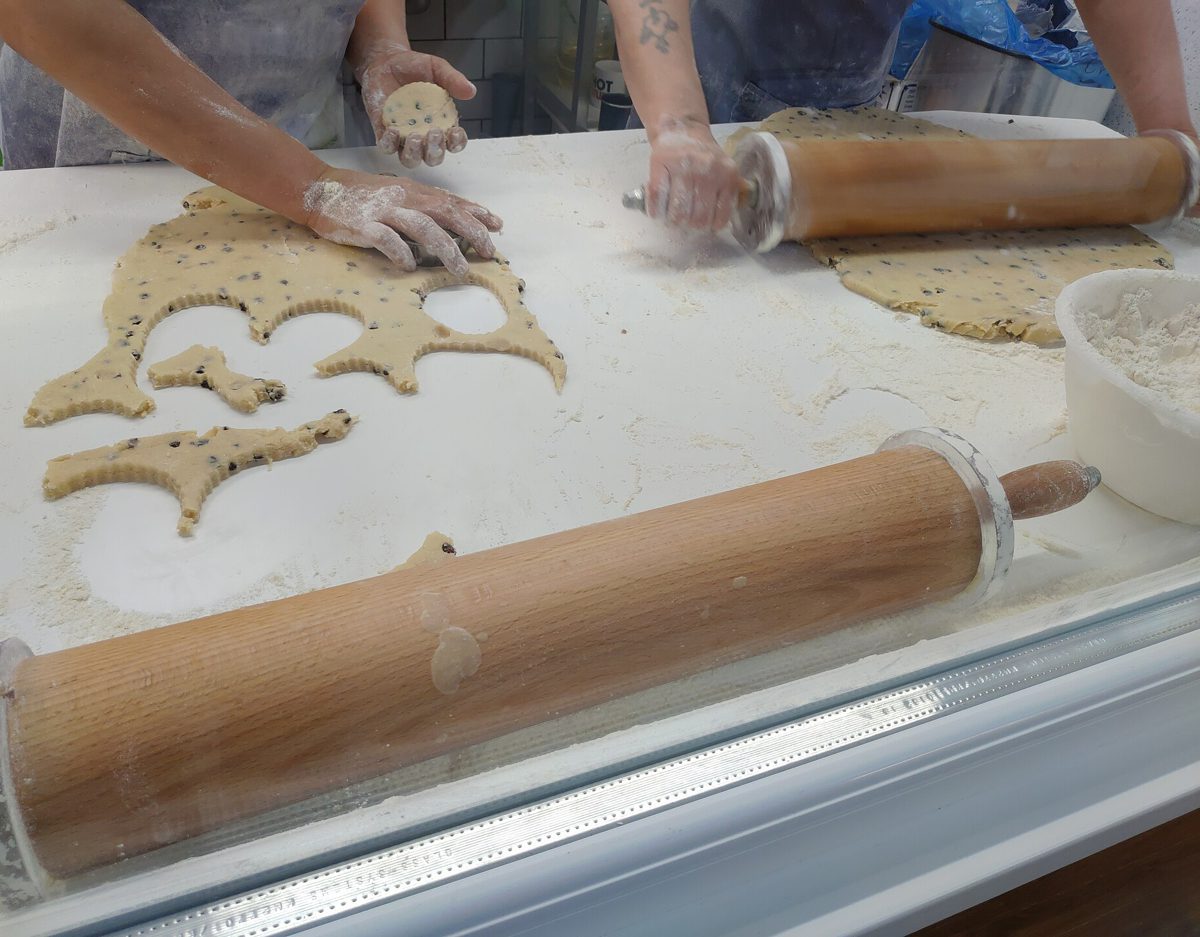
Transfer the dough to a lightly floured work surface and roll it out to a thickness of about 1 cm (just under ½ inch). Cut out circles with a diameter of 7–8 cm (about 3 inches) using a glass or cookie cutter. Re-knead the scraps, roll them out, and continue cutting until all the dough is used. You should get about 16 pancakes.
-
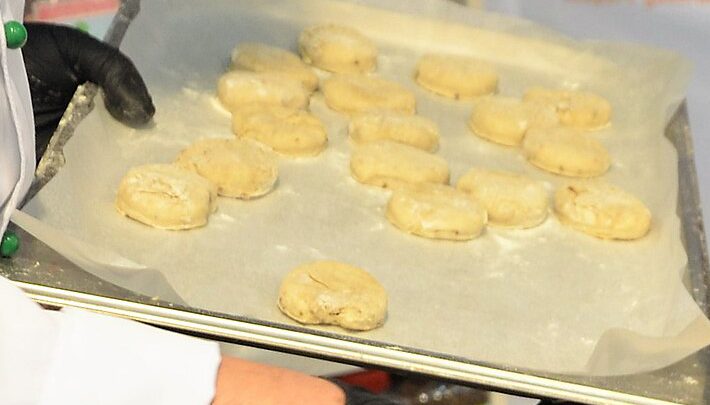
Arrange the circles next to each other on a board, cover with a cotton cloth, and let them rest for 15 minutes in a warm place without drafts.
-
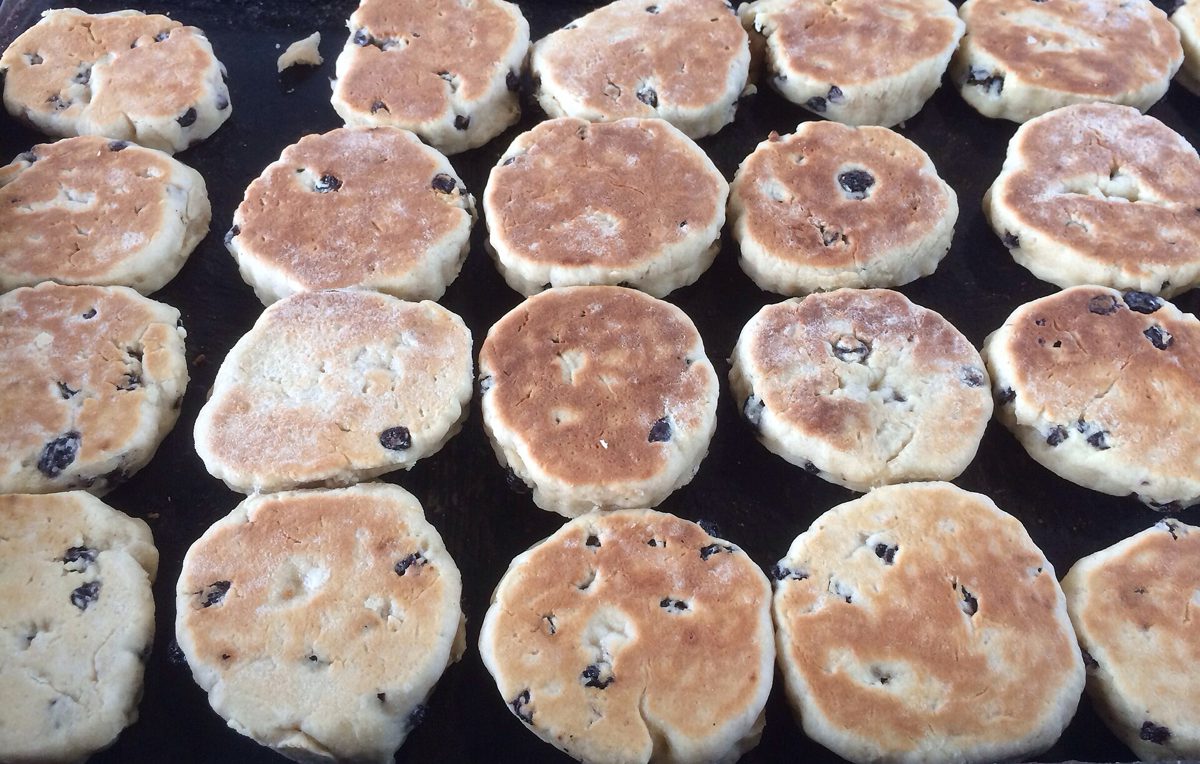
Heat a large skillet with a thick bottom, preferably cast-iron, over medium heat. Do not grease it. Place a few pancakes next to each other and bake for 10–12 minutes, turning the pancakes every 1–2 minutes. The pancakes will rise while baking. If they brown too quickly, reduce the heat.
-
Instead of using a skillet, you can bake the proziaki in the oven: preheat it to 190°C (375°F), top and bottom heat, place the pancakes on a baking sheet, and bake on the middle rack for 12–18 minutes. Watch them to ensure they don't brown too quickly before they are cooked through.
-
Proziaki are ready when they are browned on both sides and risen. They are best served immediately: cut a hot pancake with a knife and spread butter on it so it soaks in. Serve with white cheese, jam, or cold milk.
Photos