The story behind the recipe
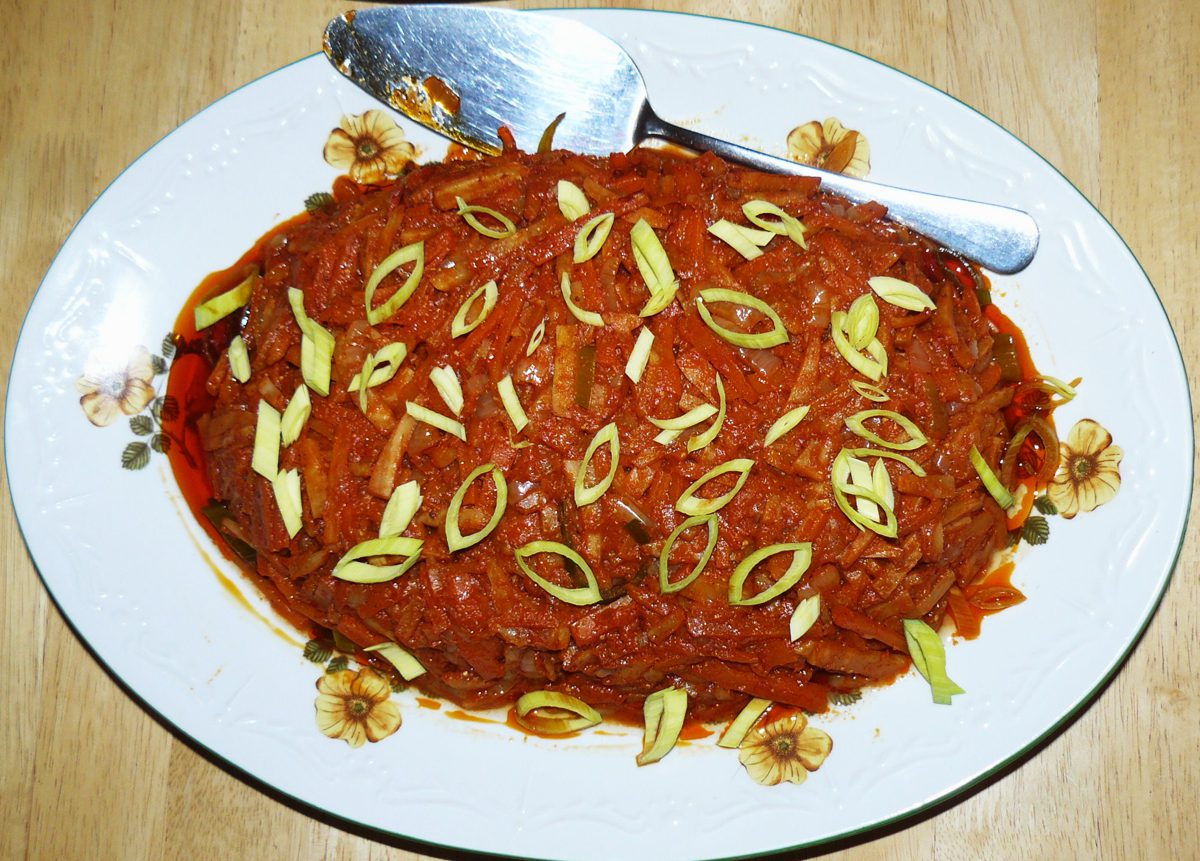
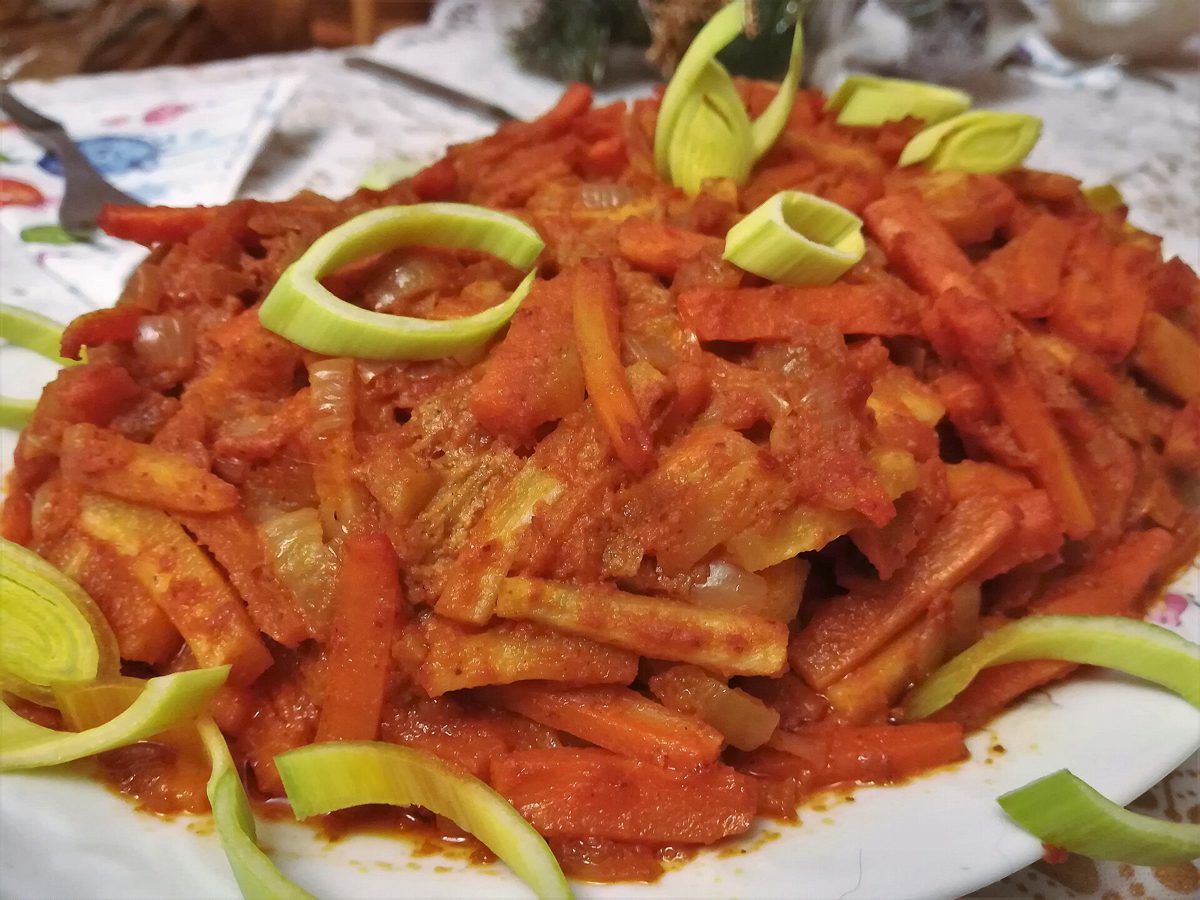
Ryba po grecku is fried pieces of fish or fillets with stewed vegetables: grated carrots, parsley root, celery, and onion, with tomato paste, allspice, and bay leaves. This is how it is described by Polish Wikipedia, citing Barbara Bytnerowicz's book "Przekąski zimne i gorące" from 1977. This dish is not known in Greece. According to the linguistic service of the National Center for Culture, the name comes from an old "Greek sauce" that was popular enough to make it into dictionaries: "The Greek sauce consists of vegetables cut into long strips, such as carrots, celery, parsley, and onion, or just carrots and onion, stewed in oil with a small amount of water." The sauce itself does not refer to any specific Greek dish, but rather to our imagination of Greek cuisine. Other authors connect ryba po grecku with the Greek psari plaki or the method of stewing vegetables, so it is unclear where the name originated.
Similar dishes were known in old cookbooks under different names. According to Wikipedia, fish stewed with chopped vegetables and onion was called fish po żydowsku (Jewish fish): this is found in Wincenty Zawadzki's "Kucharce litewskiej" (1904 edition) and Maria Ochorowicz-Monatowa's "Uniwersalnej książce kucharskiej" from 1926. Wikipedia also mentions the Greek fish "burdeto" with vegetables and sweet pepper, eaten on special occasions before Passover. According to the blog Polonist, ryba po grecku became popular in the 1950s when it started appearing in post-war cookbooks, reaching its peak during the PRL (People's Republic of Poland).
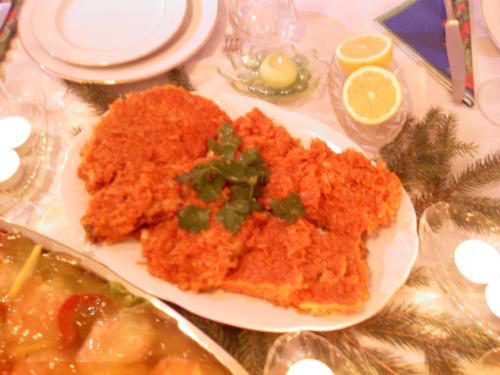
Today, it is one of the Christmas Eve dishes. Kwestia Smaku calls it a traditional Polish Christmas dish made for the entire festive and December season, while authors of English-language blogs Polish Your Kitchen and Polonist write that it is served cold on Christmas Eve. It can also be eaten warm as a regular dinner. Ryba po grecku is not on the List of Traditional Products or among names protected in the European Union.
Ingredients
Fish
-
600 g fillets of white fish (cod, pollock, haddock, or whiting, fresh or frozen, with skin or without)
Abroad: cod, pollock, Alaska pollock, hake; Germany: Kabeljau, Alaska-Seelachs, Seehecht, or Seelachs (coley) -
50 g all-purpose flour (for coating)
Abroad: USA and Canada: all-purpose flour; UK: plain flour; Germany: Type 405 - 0.5 pc lemon (juice to drizzle on the fish; not necessary)
- salt and pepper (to taste)
- 4 tbsp (60 ml) rapeseed or sunflower oil (for frying, add after each batch)
Vegetables
- 350 g carrots (3 medium)
-
150 g parsley root (1–2 pieces)
Abroad: Hamburg root parsley or parsley root (Polish stores); Germany: Petersilienwurzel; as a last resort, parsnip -
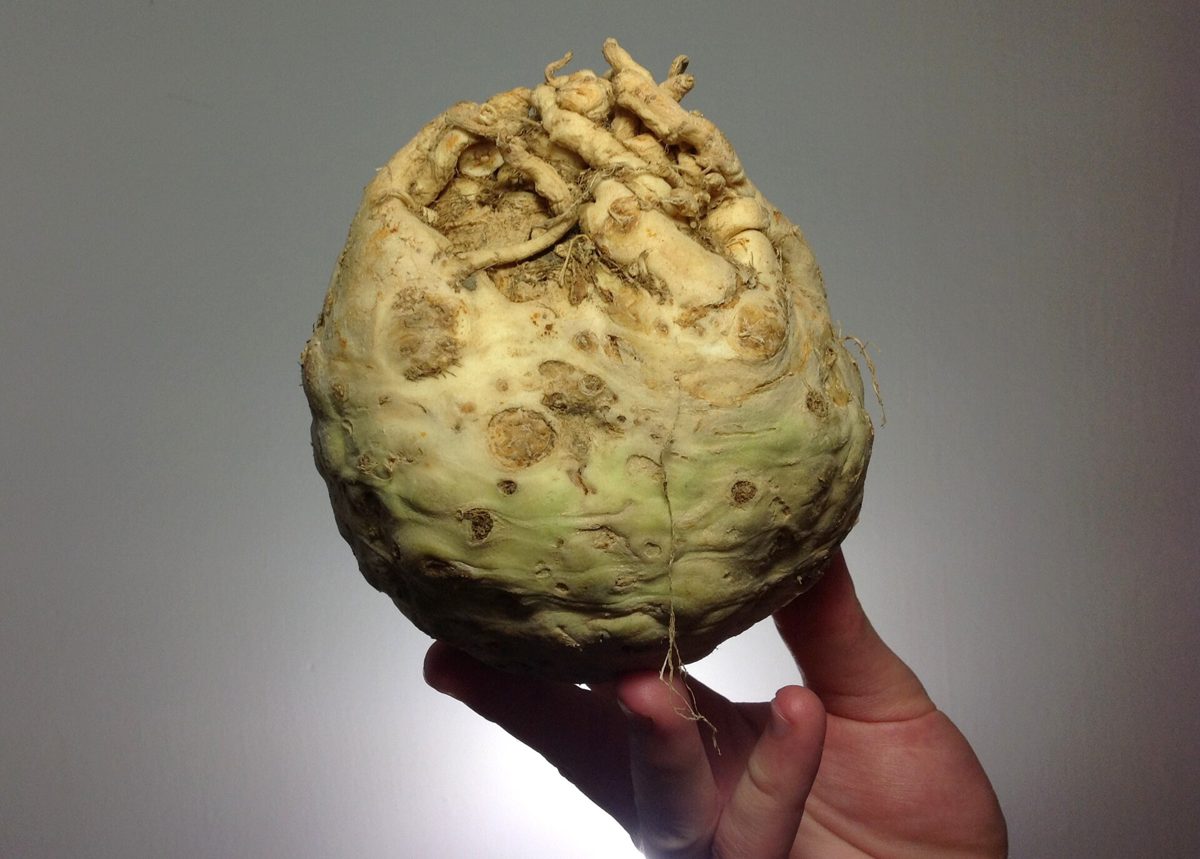
100 g celeriac
Abroad: celeriac; USA: celery root; Germany: Knollensellerie - 1 pc large onion (or medium onion and the white part of a small leek)
- 3 tbsp (45 ml) rapeseed or sunflower oil (for stewing the vegetables)
- 125 ml water (or vegetable broth)
-
70 g tomato paste 30% (or half and half with puree for a milder taste)
Abroad: USA: tomato paste (not tomato purée); Germany: Tomatenmark doppelt konzentriert -
3 pcs allspice (whole berries)
Abroad: allspice; Germany: Piment - 2 pcs bay leaves
- ½ tsp (2.5 ml) sweet paprika powder
- 1 pinch sugar (to taste, not necessary)
- salt and pepper (to taste)
To serve
- fresh parsley (chopped)
Method, step by step
-
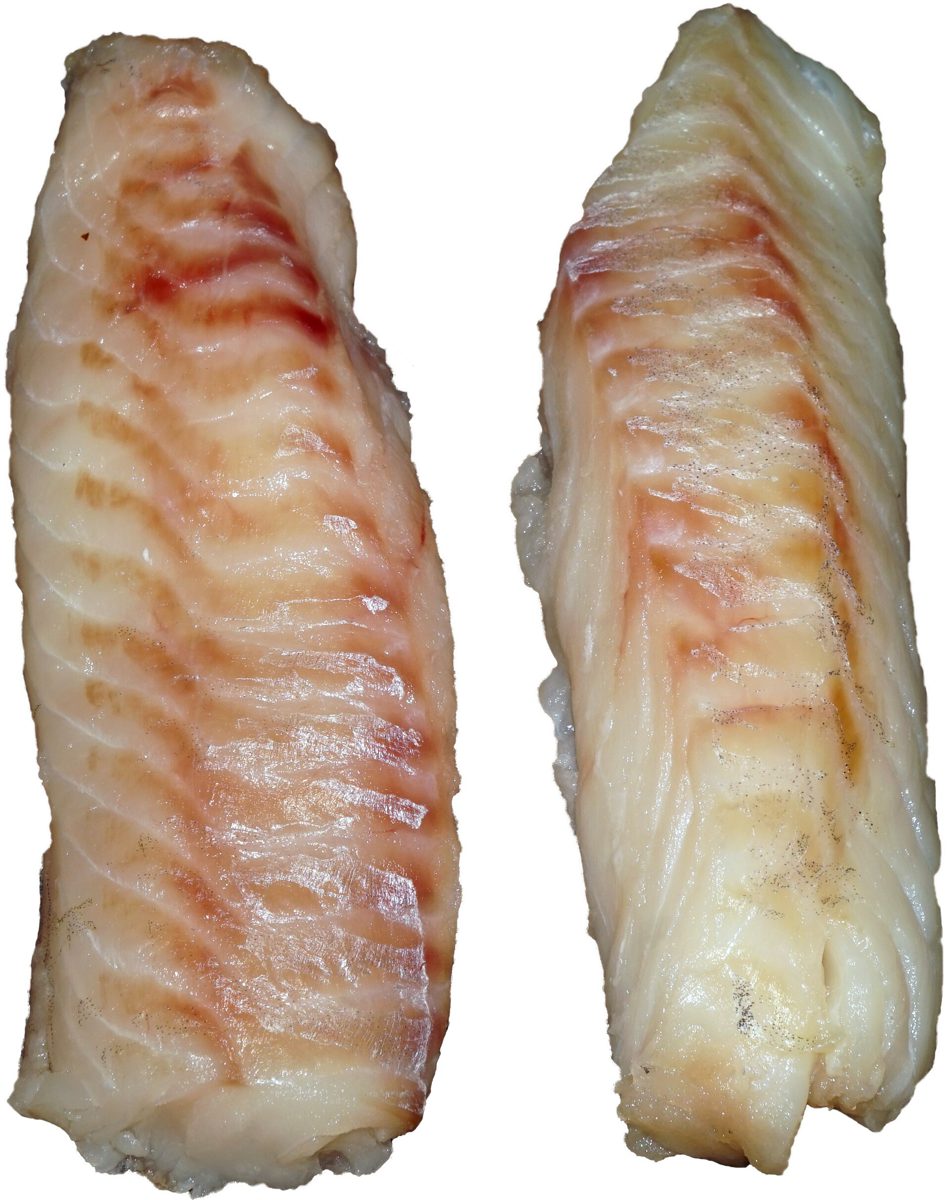
Thaw frozen fillets slowly or under cold running water until they become elastic, and gently squeeze out the water. Rinse fresh ones only. Dry the fish very thoroughly with paper towels, cut into portion-sized pieces, season with salt and pepper, and if you like, drizzle with lemon juice. Set aside on a plate.
-
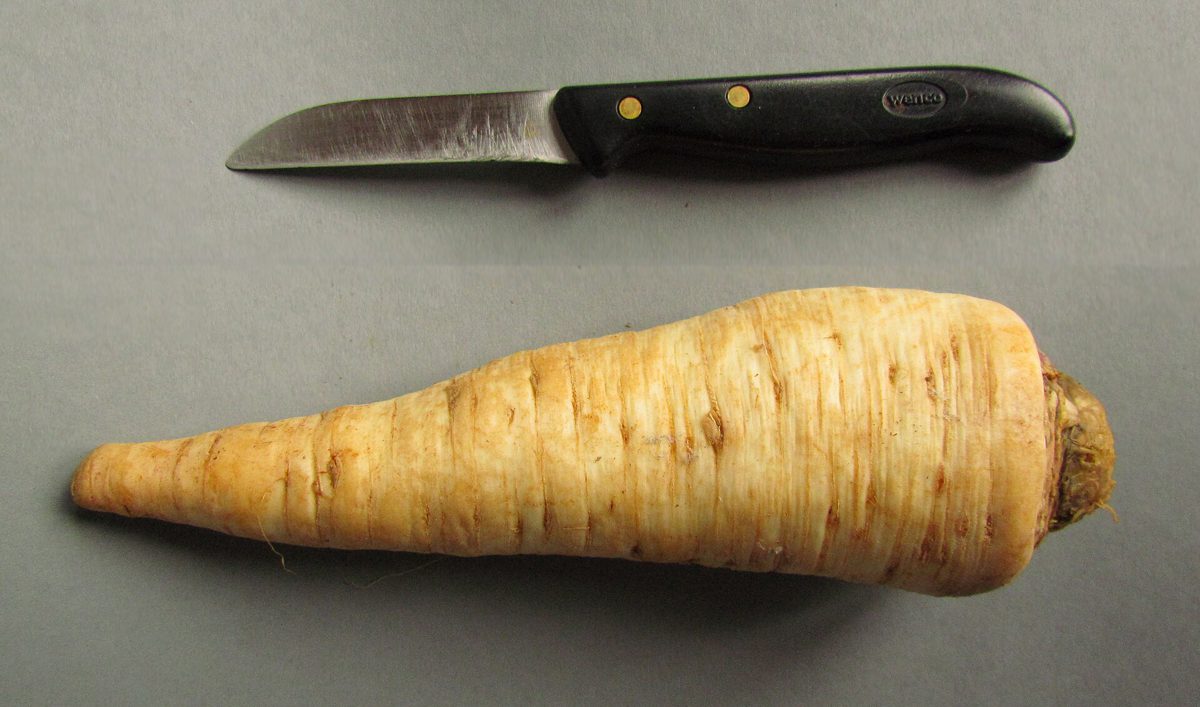
Peel the carrots, parsley root, and celeriac. Peel the onion, and if using leek, leave only the white part and rinse it thoroughly.
-
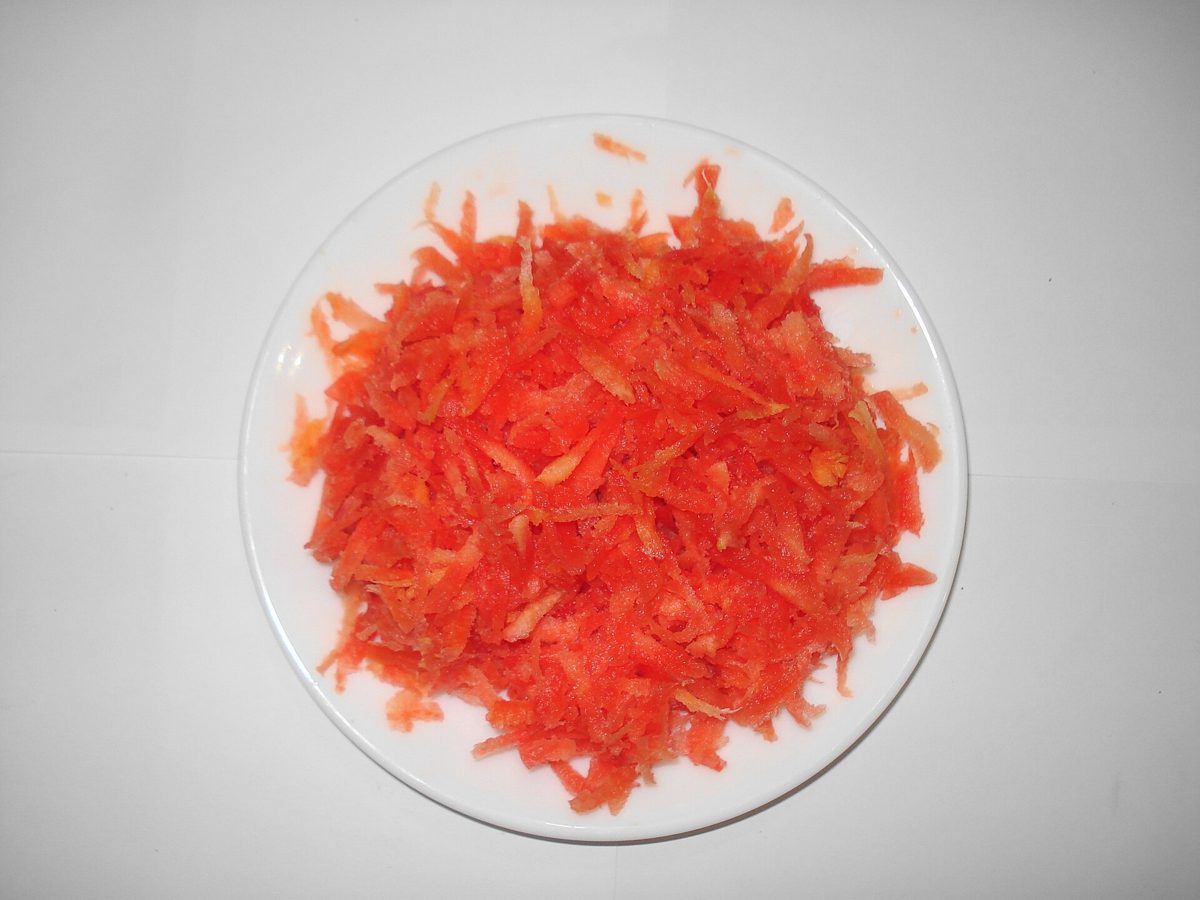
Grate the carrots, parsley root, and celeriac on a coarse grater. If you prefer longer strips, like in the old Greek sauce, cut them into thin sticks with a knife.
-
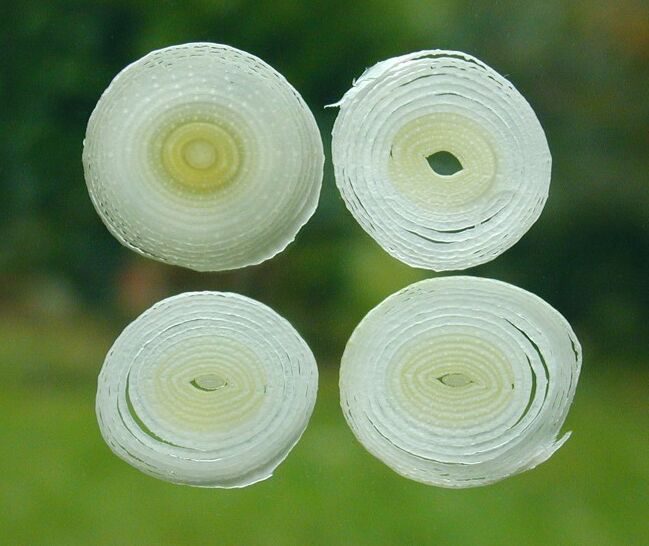
Slice the onion and leek into thin half-rings. In a wide pot or deep skillet, heat 3 tablespoons of oil and sauté the onion with the leek over medium heat for a few minutes until they soften but do not brown.
-
Add the grated vegetables, allspice, bay leaves, paprika, and a pinch of salt. Pour in water, mix, cover, and stew over low heat for about 20 minutes, stirring occasionally. If the vegetables start to stick, add a little more water.
-
Meanwhile, fry the fish. Coat the pieces in flour, shake off the excess, and place them in the heated oil. Fry in batches over medium heat for 3–4 minutes on each side until the fish is lightly browned. If it starts to burn, reduce the heat. After each batch, wipe the pan of burnt flour and pour in fresh oil.
-
When the vegetables are soft, add the tomato paste, mix, and stew for a few more minutes uncovered. Season with salt, pepper, and if the sauce is too sour, a pinch of sugar. Remove the bay leaves and allspice.
-
In a glass or ceramic dish, layer some of the hot vegetables, place the fried fish in one layer on top, and cover with the remaining vegetables so that the fish is completely hidden.
-
If serving warm, you can do so immediately, sprinkled with parsley. For Christmas Eve, cool it down, cover, and place in the fridge for at least overnight to let the flavors meld. Serve cold with parsley and fresh bread.
Photos