The story behind the recipe
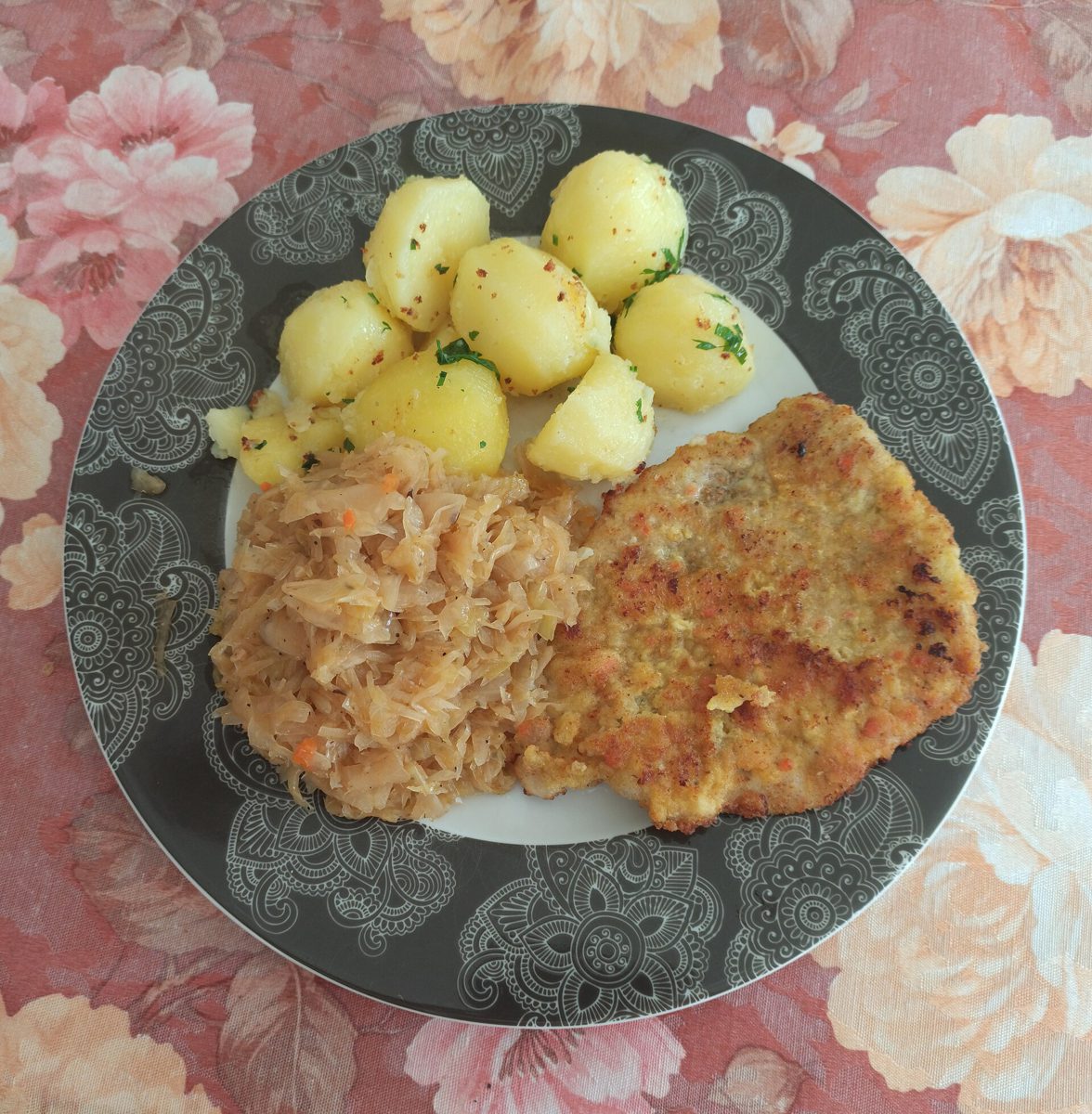
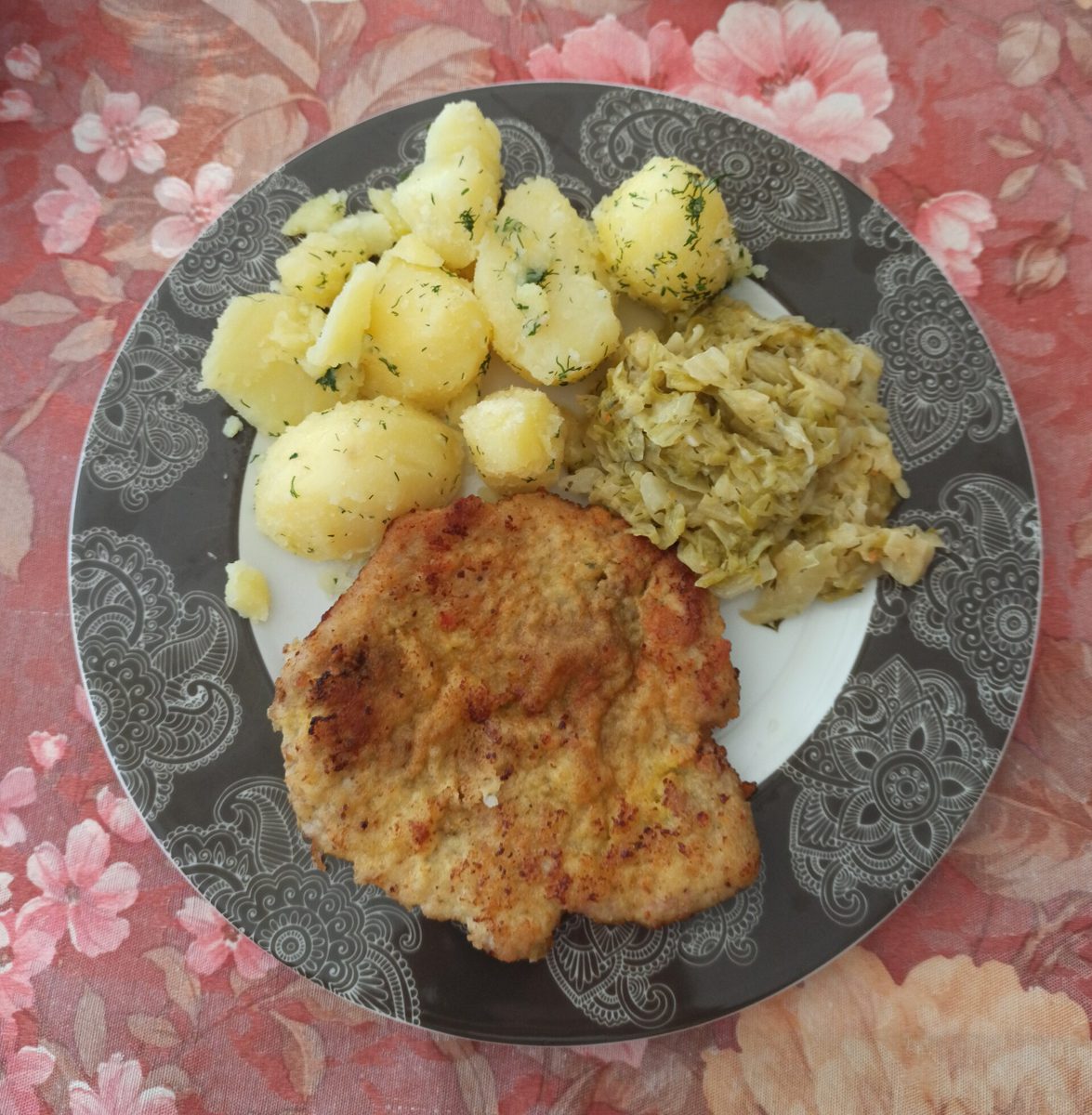
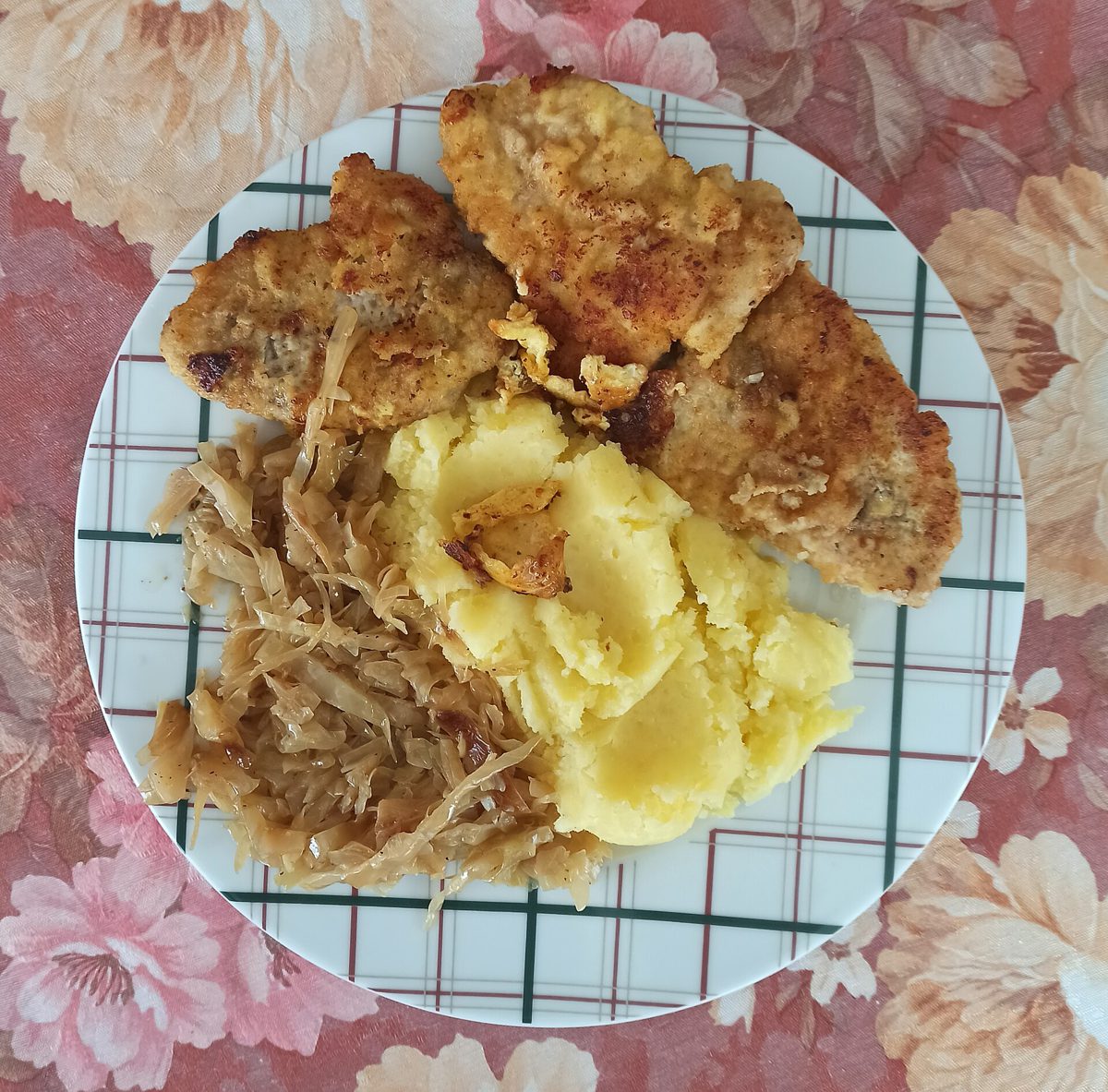
Kapusta zasmażana is sauerkraut, less often fresh cabbage, stewed until tender and thickened with a roux, which is flour fried in fat, usually with onion and smoked bacon. It is also referred to as sautéed sauerkraut, and the English Wikipedia notes that many Poles simply call it 'cabbage.' According to it, it is seasoned with salt and pepper, sometimes bay leaf, caraway, sugar, paprika, or apple, and the thickness varies from almost soup-like to as thick as mashed potatoes. It most often appears on the plate next to potatoes and a pork cutlet or another pork dish.
Lucyna Ćwierczakiewiczowa in '365 Dinners for 5 Złoty' (1871 edition) does not yet use the word 'roux,' but describes the same method. Sauerkraut was most often cooked with a piece of pork, beef, or salted meat and a few dried mushrooms, and 'at serving' it was to be 'ignited with lard fried with a spoonful of flour and a bit of onion.' In the fasting version, the cabbage was stewed in butter with mushroom broth and thickened with butter and flour. The author adds that the same can be done with cabbage stewed in lard or fat and served with sausage or with roast.
On the List of Traditional Products of the Ministry of Agriculture, we did not find a separate entry for sautéed cabbage itself. However, there is 'Pork Knuckle with Sautéed Cabbage' from Nagawek in the Dmosin commune (Łódź Voivodeship), entered in 2016. According to the entry, the dish was initially made only for special occasions, and later more frequently, and the cabbage is supposed to be thick, brown, slightly sour, and slightly salty, with the aroma of fried onion and pork. When and where sautéed cabbage originated is not known for sure.
Ingredients
Kapusta
-
1 kg kapusta kiszona (weight before squeezing out the juice)
Abroad: UK: Krakus Sauerkraut (Morrisons); USA: Silver Floss Barrel Cured Shredded Sauerkraut; Germany: Sauerkraut; on the label only cabbage, water, salt, without vinegar - 750 ml woda
- 100 g marchew (1 medium; can be omitted if the cabbage already has carrot)
-
4 pcs ziele angielskie (berries)
Abroad: allspice berries; Germany: Piment -
1 pc liść laurowy (or 2)
Abroad: bay leaf; Germany: Lorbeerblatt - ⅓ tsp (1.7 ml) pieprz czarny mielony
- 1 tsp (about 4 g) cukier (flat; to taste even a flat tablespoon or honey)
-
1 pinch kminek (can be omitted)
Abroad: caraway seeds; Germany: Kümmel; not cumin
Zasmażka
- 400 g cebula (2 large)
-
3 tbsp smalec albo olej rzepakowy (about 40 ml; how much lard depends on how much fat the bacon renders; without bacon 7 tablespoons of oil)
Abroad: lard or canola / rapeseed oil; Germany: Schweineschmalz or Rapsöl -
30 g mąka pszenna (3 flat tablespoons)
Abroad: USA: all-purpose flour; UK: plain flour; Germany: Type 405 or 550 - sól (only to taste, after tasting)
Do wersji z boczkiem
-
100 g boczek wędzony (in a piece, cut into small cubes; omit in the meatless version)
Abroad: USA: smoked slab bacon; UK: smoked streaky bacon; Germany: Räucherspeck
Method, step by step
-
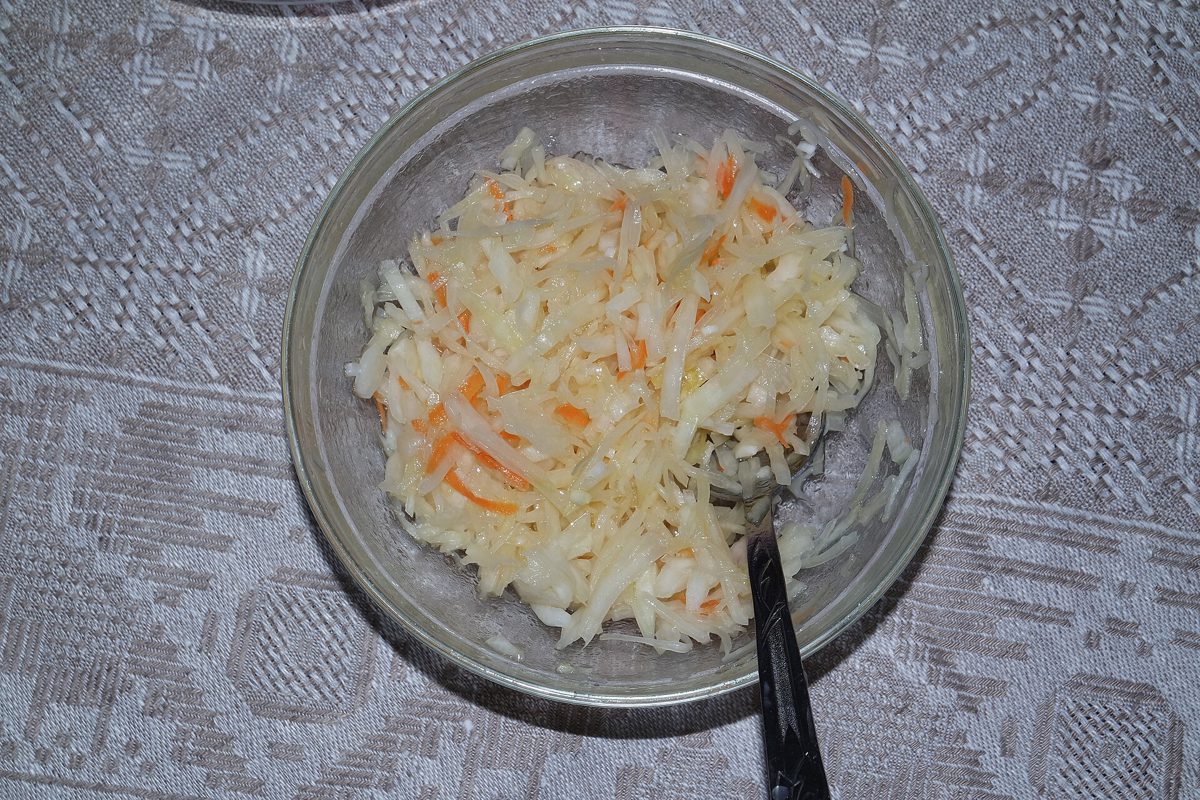
Transfer the sauerkraut to a colander set over a bowl and squeeze out the juice, but not completely dry: just pour out most of the juice. Taste it. If it is very sour and you prefer a milder taste, rinse it with water and squeeze it again. Chop the cabbage roughly to make it easier to serve and eat.
-
Transfer the cabbage to a medium pot with a thick bottom and pour in 750 ml of water. Peel the carrot and grate it on a coarse grater, then add it to the cabbage along with the allspice, bay leaf, pepper, sugar, and caraway.
-
Cover the pot and bring to a boil. When the cabbage starts to boil, reduce the heat so that it barely simmers, and cook for 30–40 minutes until tender but not falling apart. There should always be some liquid in the pot; if it evaporates, add water.
-
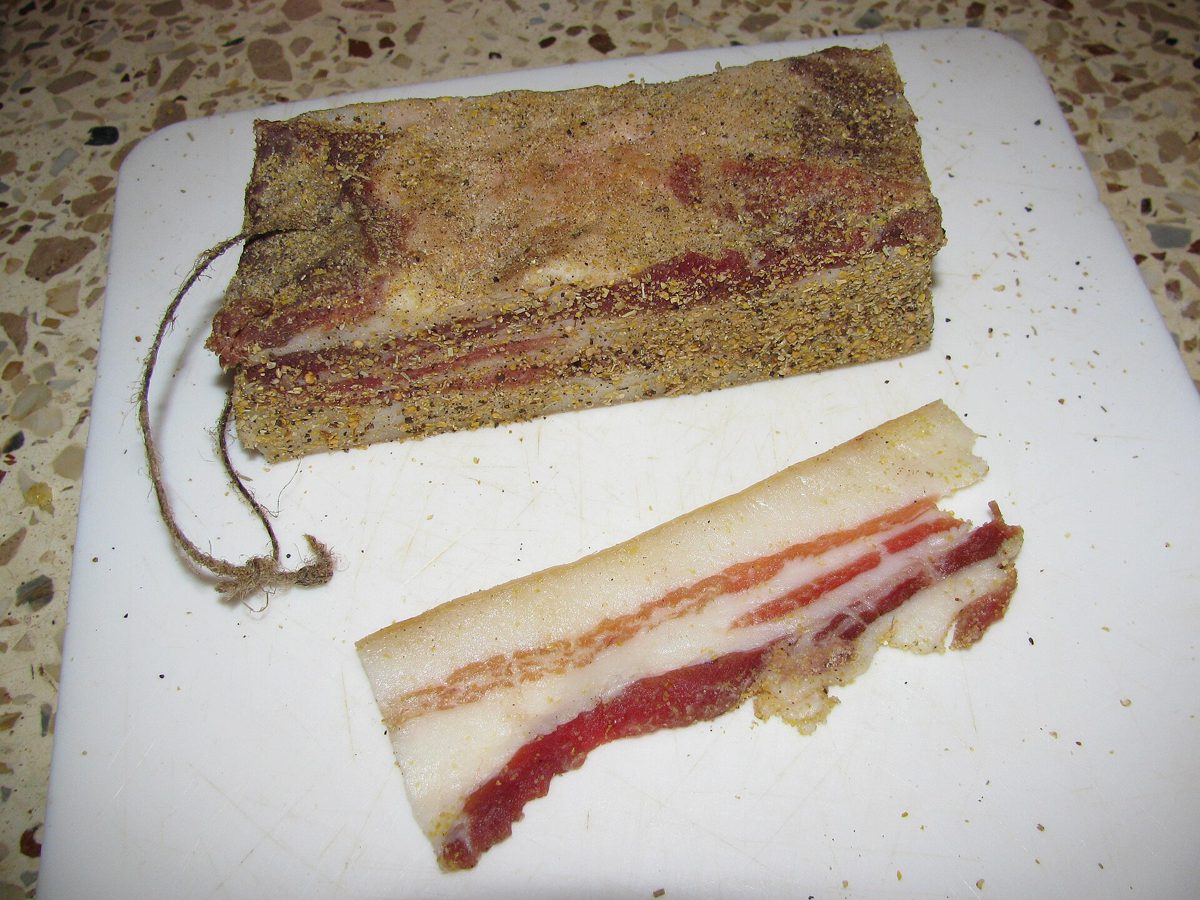
Meanwhile, cut the bacon into small cubes and place it in a heated pan. Fry it over medium heat until the fat renders. In the meatless version, pour 7 tablespoons of oil into the pan and immediately proceed to the onion.
-
Add lard to the pan, enough to cover the bottom along with the fat from the bacon. Add the chopped onion and fry, stirring with a wooden spoon every few minutes, until it becomes translucent and then nicely browned. Do not let it burn.
-
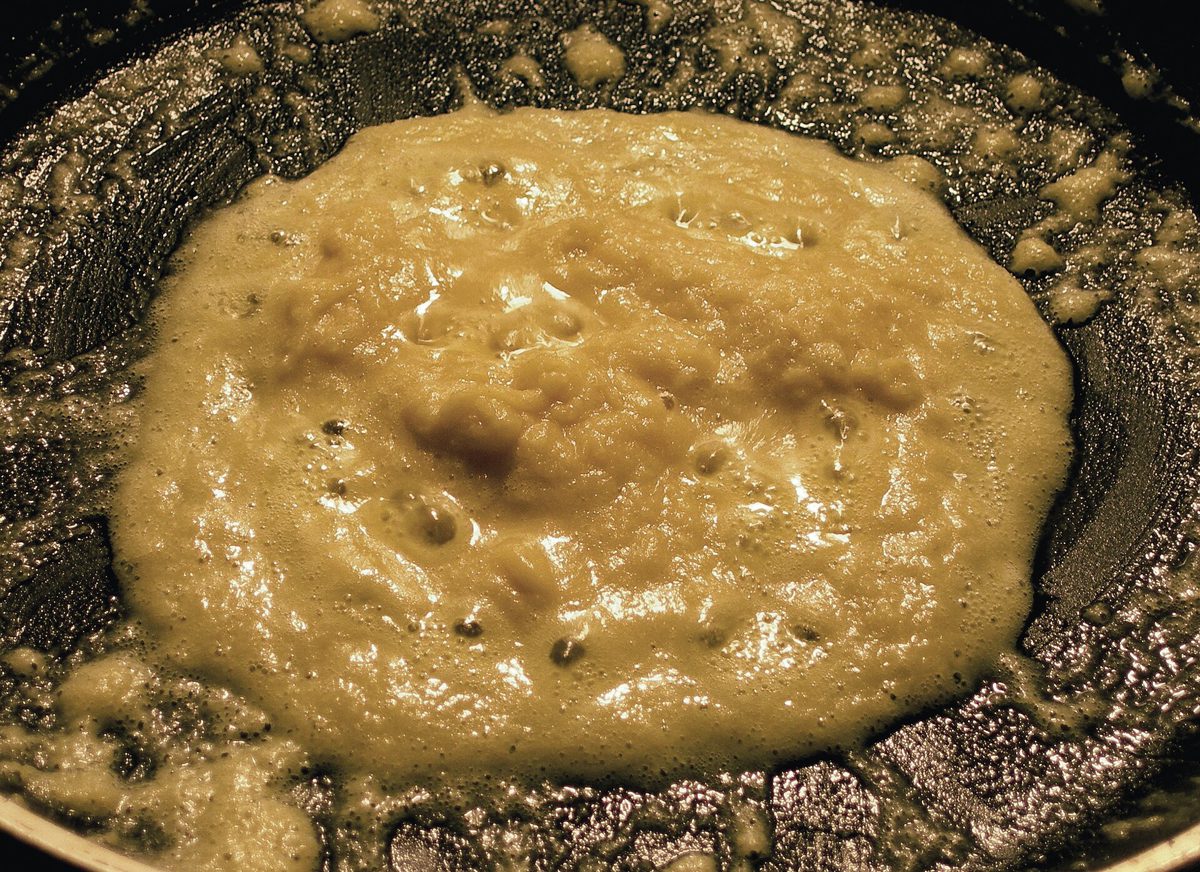
Sprinkle 3 flat tablespoons of flour over the onion and start mixing immediately. The flour will combine with the fat and start to foam. Reduce the heat. Unlike the roux for sautéed beets, the roux for cabbage can brown slightly, but it must not burn.
-
Pour a little of the broth from the pot with the cabbage into the pan and mix immediately, then gradually add more hot broth until the roux is thin enough to pour. Never pour liquid into the pan before the flour, as it will turn into lumps. If there is little broth in the pot, add no more than half a cup of boiling water. This step takes a minute or two over low heat.
-
Transfer the roux to the pot with the cabbage, mix well, and bring to a boil again, then turn off the heat. Taste and season with pepper or sugar. Add salt only if it is lacking, as the sauerkraut and bacon are already salty.
-
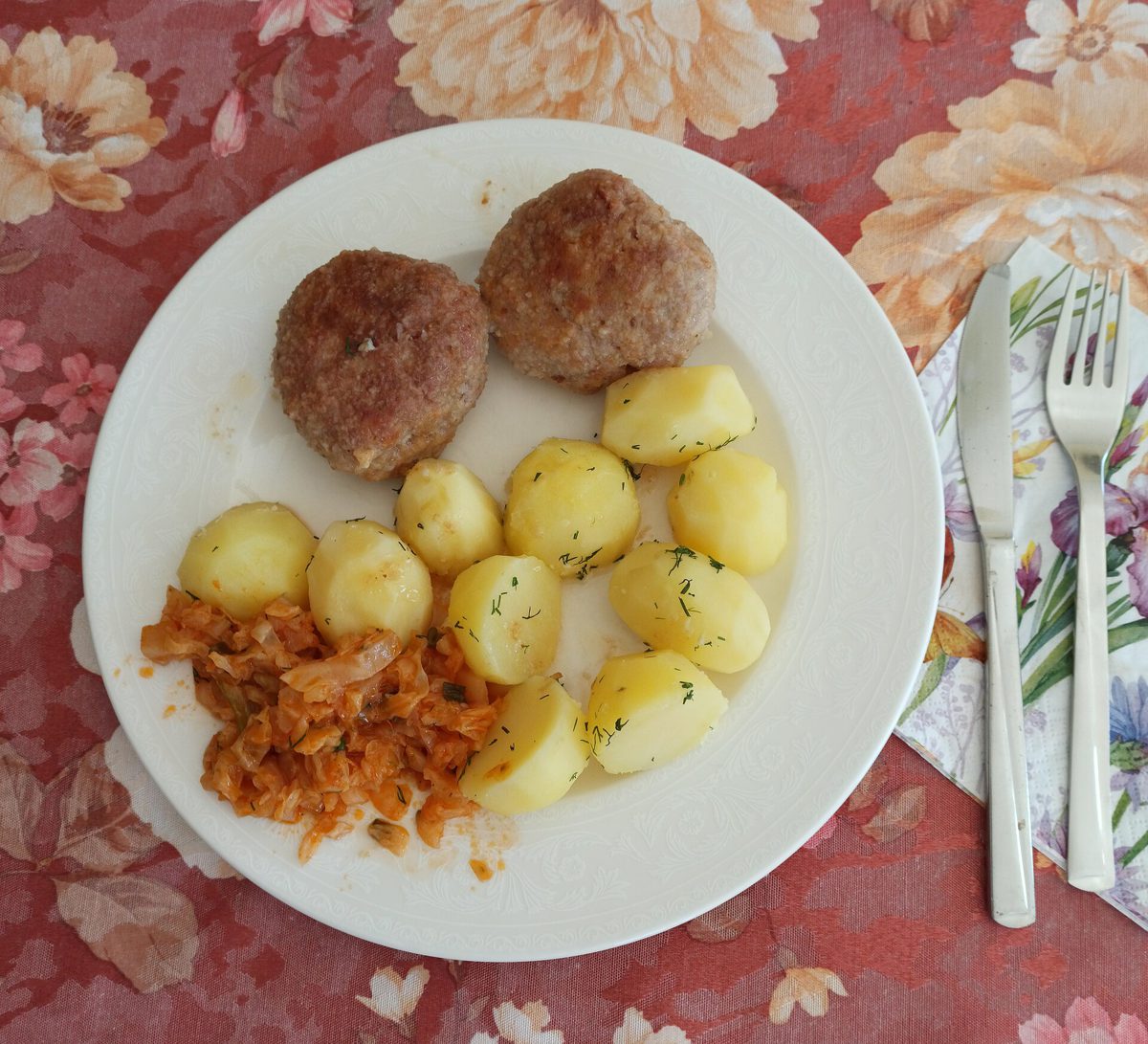
Serve hot, alongside pork cutlet, pork knuckle, meatballs, or sausage, with potatoes, kopytka, dumplings, or Silesian noodles.
Photos