The story behind the recipe
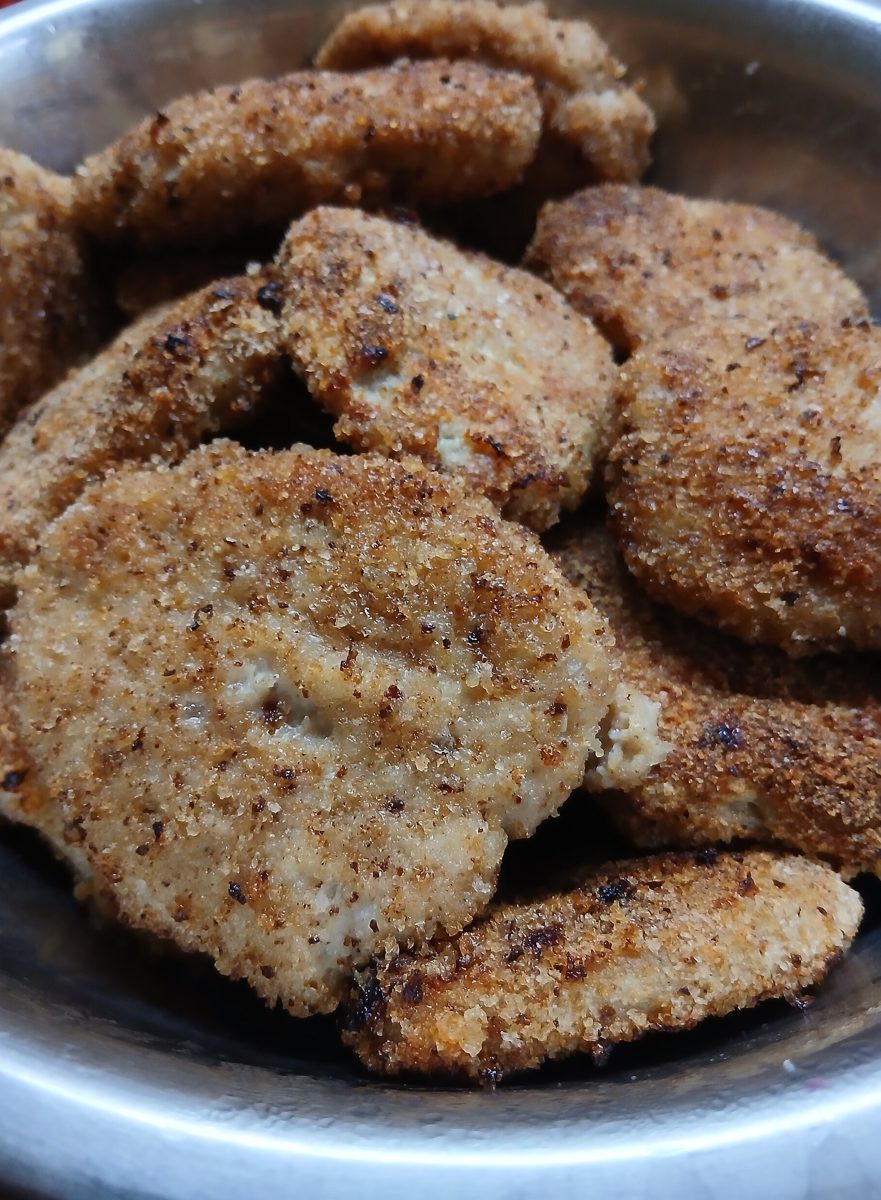
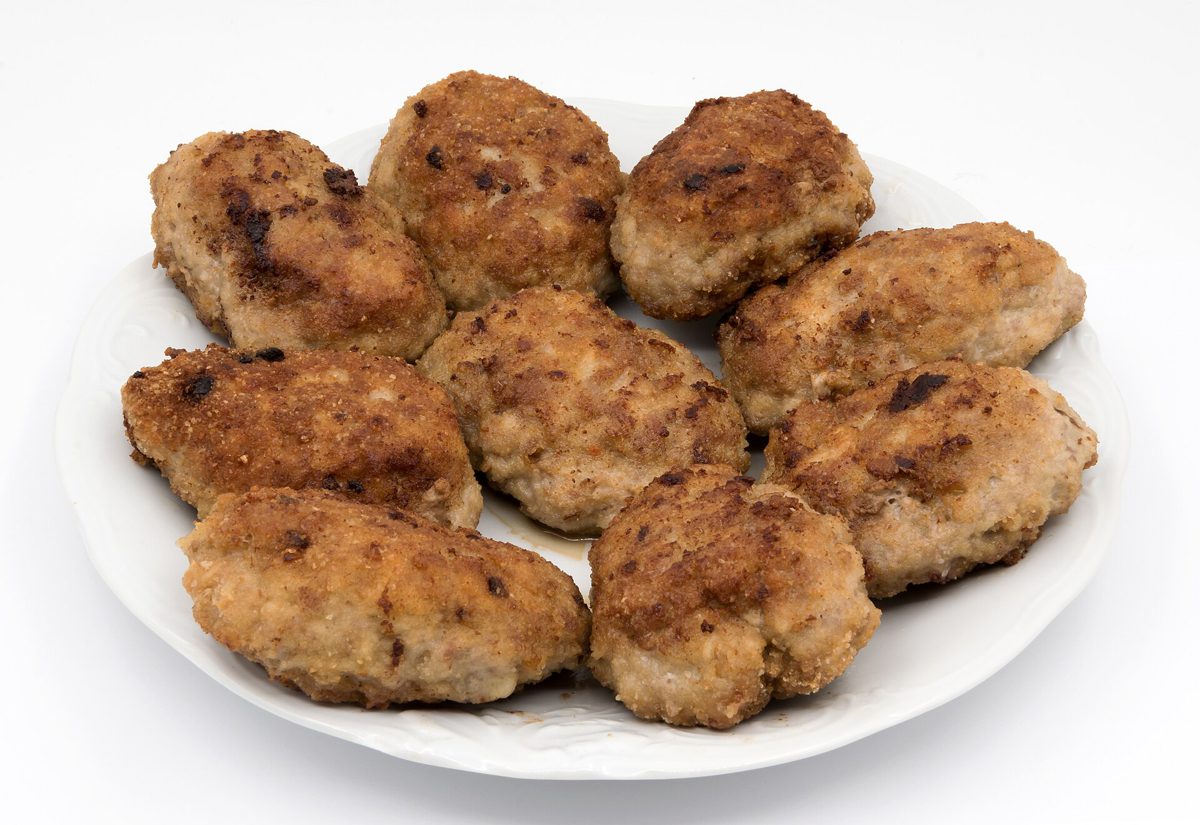
Karminadle, also known as karbinadle or kardinadle, have been on the List of Traditional Products of the Ministry of Agriculture since January 17, 2008, as a dish from the Silesian Voivodeship. The card describes them as breaded balls of minced pork, 'round-flattened', with a diameter of about 5–7 cm, golden-brown, with a salty and slightly spicy taste, fried in deep fat. According to the card, karminadle 'have been and still are one of the most popular lunch dishes in Silesia.' Polish Wikipedia lists other names, including 'bergi', and ethnographer Zofia Szromba-Rysowa described them in a 1978 book as 'minced beef or pork patties with onion, salt, and breadcrumbs or soaked bread, fried in fat.' The origin of the name itself is not definitively known: we could not find a source explaining it.
The Silesian Agricultural Advisory Center in Częstochowa wrote in 2006 that the recipe for karminadle 'has not changed for years', and they are made for lunch on weekdays from pork or a mix of pork and beef. Since rabbits were commonly raised in Silesia, karminadle were sometimes made from rabbit meat. Whether they were once a festive dish is unclear: English Wikipedia and the Party.pl service state that they were only eaten on special occasions, while Polish Wikipedia mentions, for example, pig slaughtering. The kuchnia-slaska.pl service adds that they were often eaten on Thursdays during the week, along with young cabbage.
Karminadle also made it to the cinema. In Kazimierz Kutz's film 'Perła w koronie' from 1971, set in Silesia in 1934, a miner returning from the mine is served potatoes with karminadle and cabbage for lunch (according to Polish Wikipedia). Elżbieta Łabońska in her book 'Śląska kucharka doskonała' describes karminadle made from rabbit and 'Upper Silesian karminadle' made from pork with the addition of salted herring, small, with a diameter of 1.5–2 cm, coated in flour.
Ingredients
Filling (10–12 karminadle)
-
500 g pork shoulder or neck (in a piece to be minced or already minced)
Abroad: USA and Canada: pork shoulder (pork butt) or ground pork; UK and Australia: pork shoulder or pork mince; Germany: Schweineschulter or Schweinehackfleisch -
1 pc stale Kaiser roll (about 50 g)
Abroad: USA: Kaiser roll or white roll; UK: white bread roll; Germany: Brötchen or Semmel - water or milk (for soaking the bread)
- 1 pc egg
- 100 g onion (1 small, finely chopped, raw)
- 1 tsp (about 6 g) salt (flat)
- ½ tsp (2.5 ml) ground black pepper
Breading and frying
-
50 g breadcrumbs (for coating)
Abroad: plain dried breadcrumbs; Germany: Paniermehl or Semmelbrösel -
75 g lard (for frying, or oil)
Abroad: lard; Germany: Schweineschmalz
To serve
- Silesian dumplings or potatoes
- young cabbage, sautéed cabbage or beetroot with horseradish
Method, step by step
-
Soak the stale roll in water or milk and set aside until it becomes completely soft. Then squeeze it very hard in your hands: too wet bread will cause the karminadle to fall apart.
-
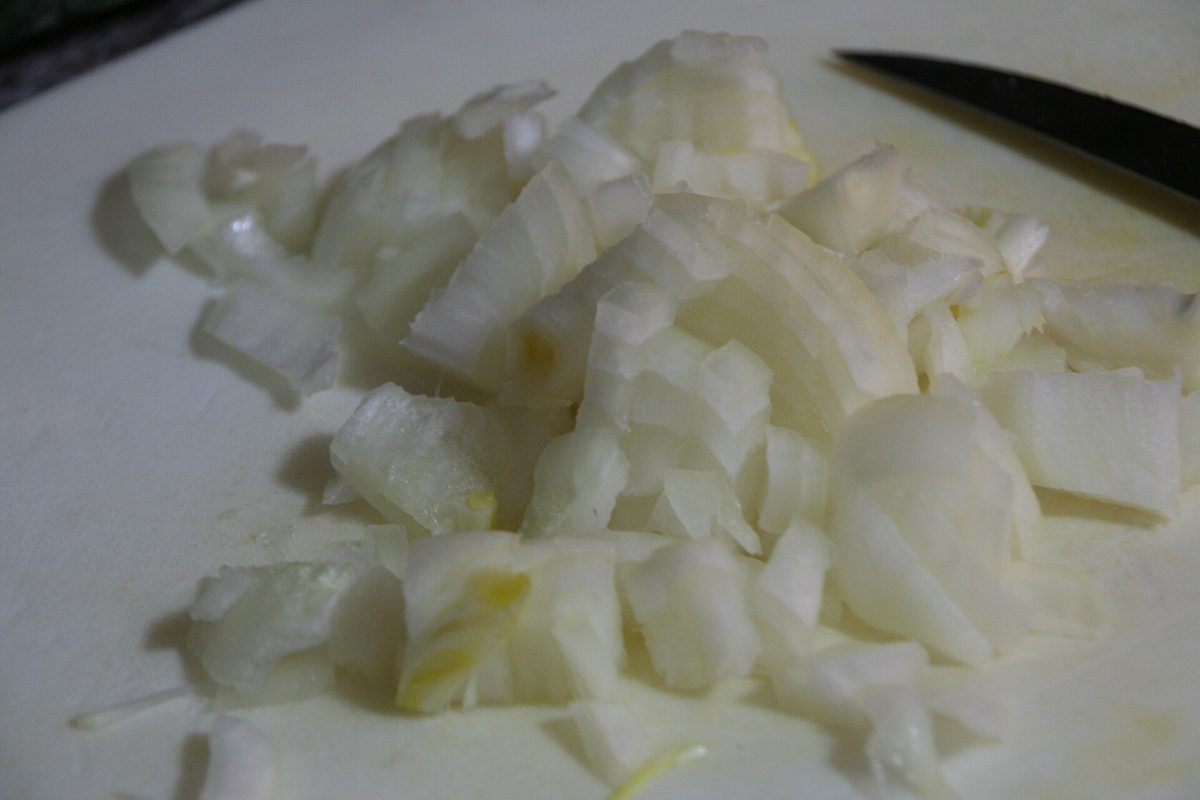
Peel the onion and chop it as finely as possible. It is added raw to the karminadle, without frying.
-
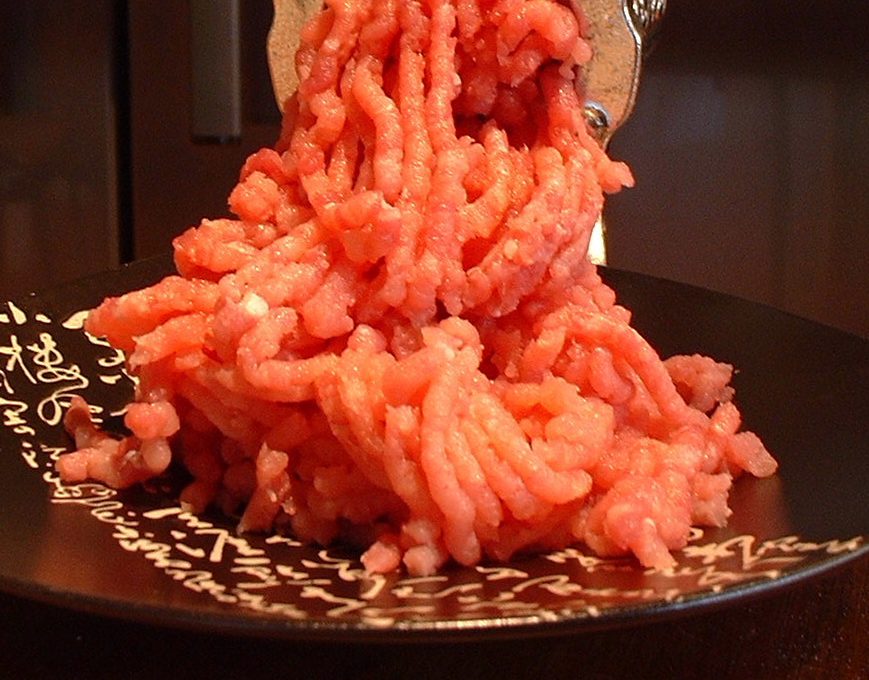
Cut the meat into pieces and grind it in a meat grinder together with the squeezed bread. If you have ready ground meat, mash the bread thoroughly with a fork and add it to the meat.
-
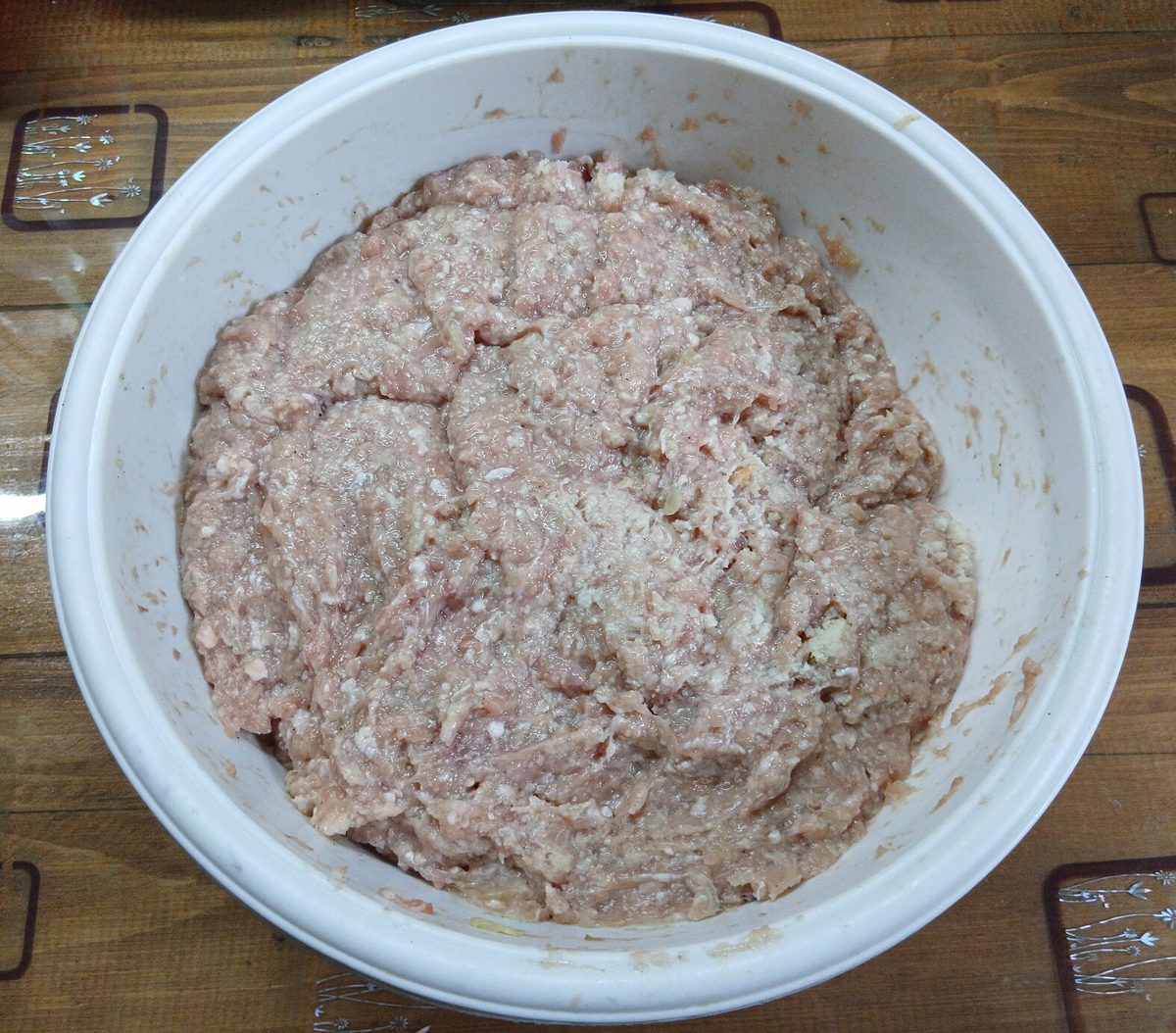
Add the onion, egg, salt, and pepper to the meat. Knead by hand for a few minutes until the mixture is smooth, uniform, and starts to pull away from the sides of the bowl.
-
Moisten your hands with cold water. Form round balls from the mixture with a diameter of about 5–7 cm (2–2¾ inches) and slightly flatten them. You will get 10–12 karminadle.
-
Place the formed karminadle in the refrigerator for 15–20 minutes to firm up and hold their shape better during frying.
-
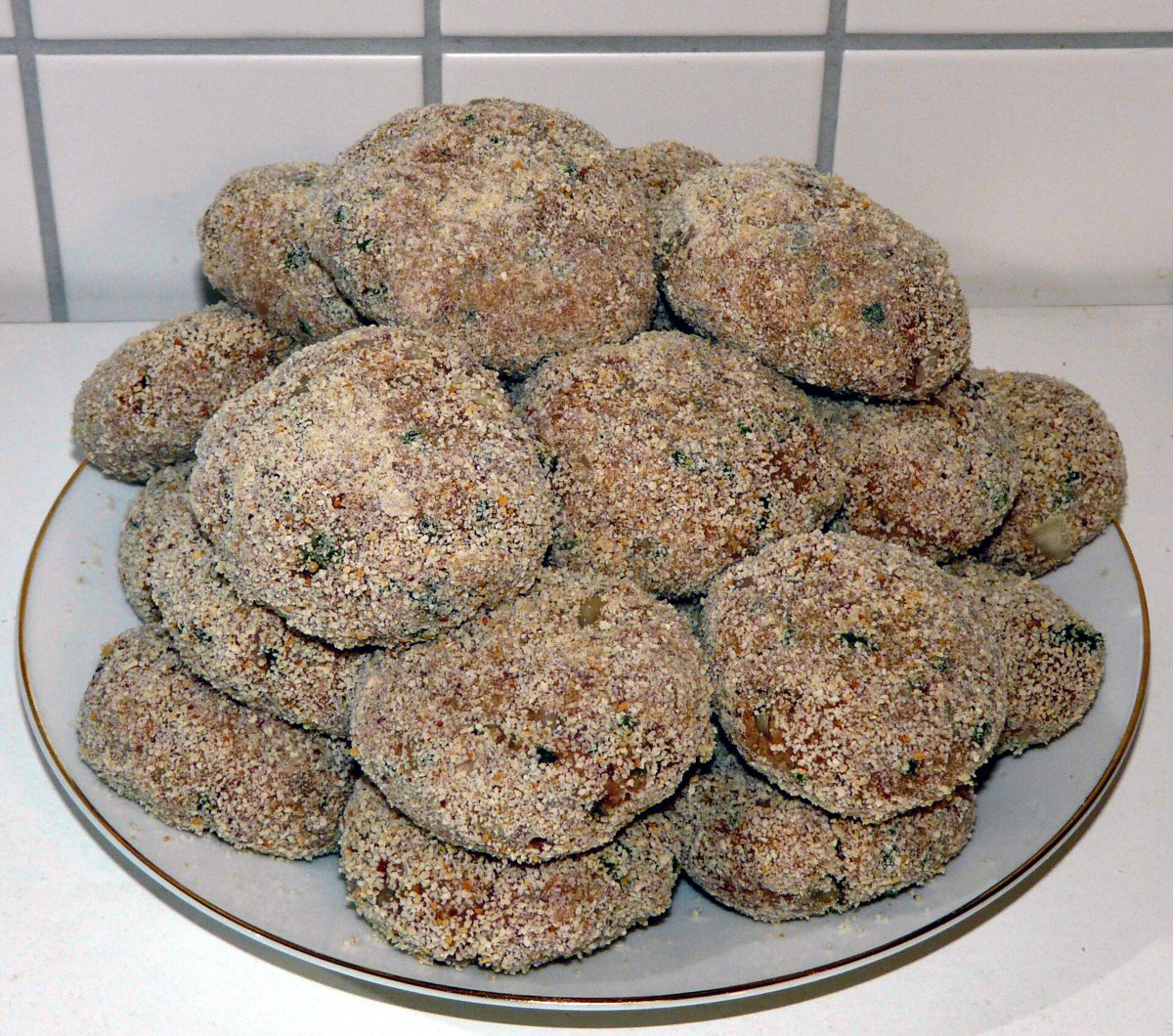
Coat each piece thoroughly in breadcrumbs and lightly press the coating with your hands, shaking off the excess.
-
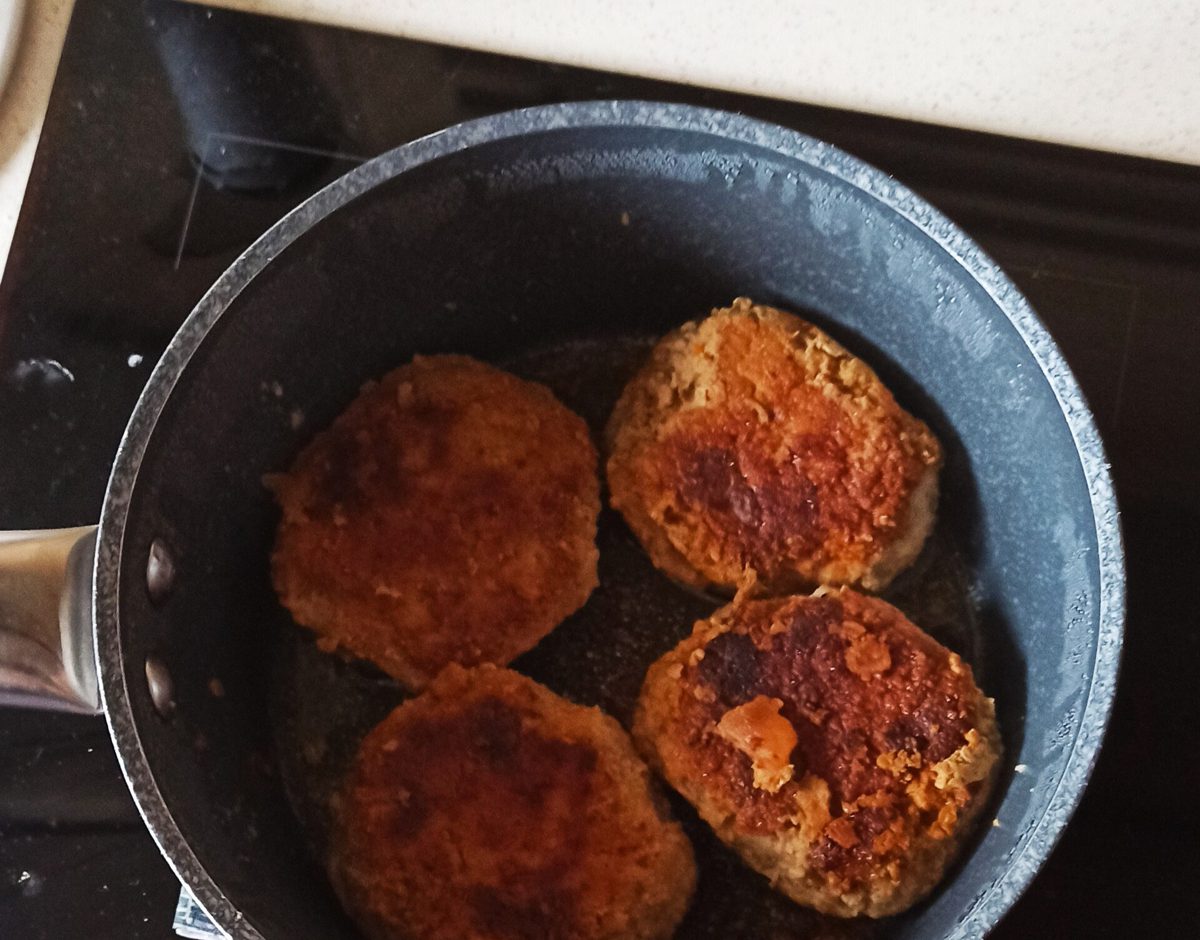
In a heavy skillet, heat the lard until the karminadle are partially submerged in it. Fry them in batches, not too tightly, until golden-brown on both sides. Between batches, remove burnt crumbs from the fat or change the fat.
-
Cut one piece in half: the meat inside should be lighter but no longer pink. Drain the fried karminadle on paper towels.
-
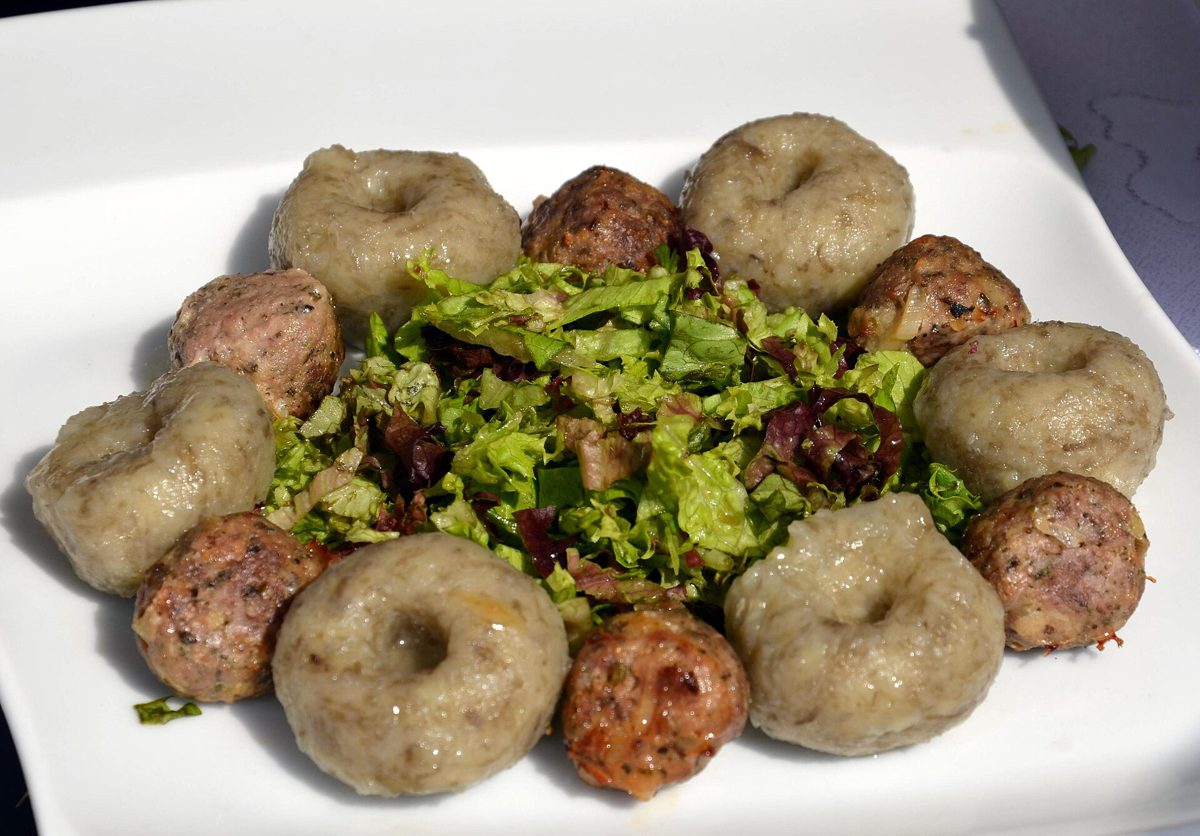
Serve immediately with Silesian dumplings and young cabbage or with potatoes and sautéed cabbage or beetroot. Serve cold, sliced, and eat with bread.
Photos