
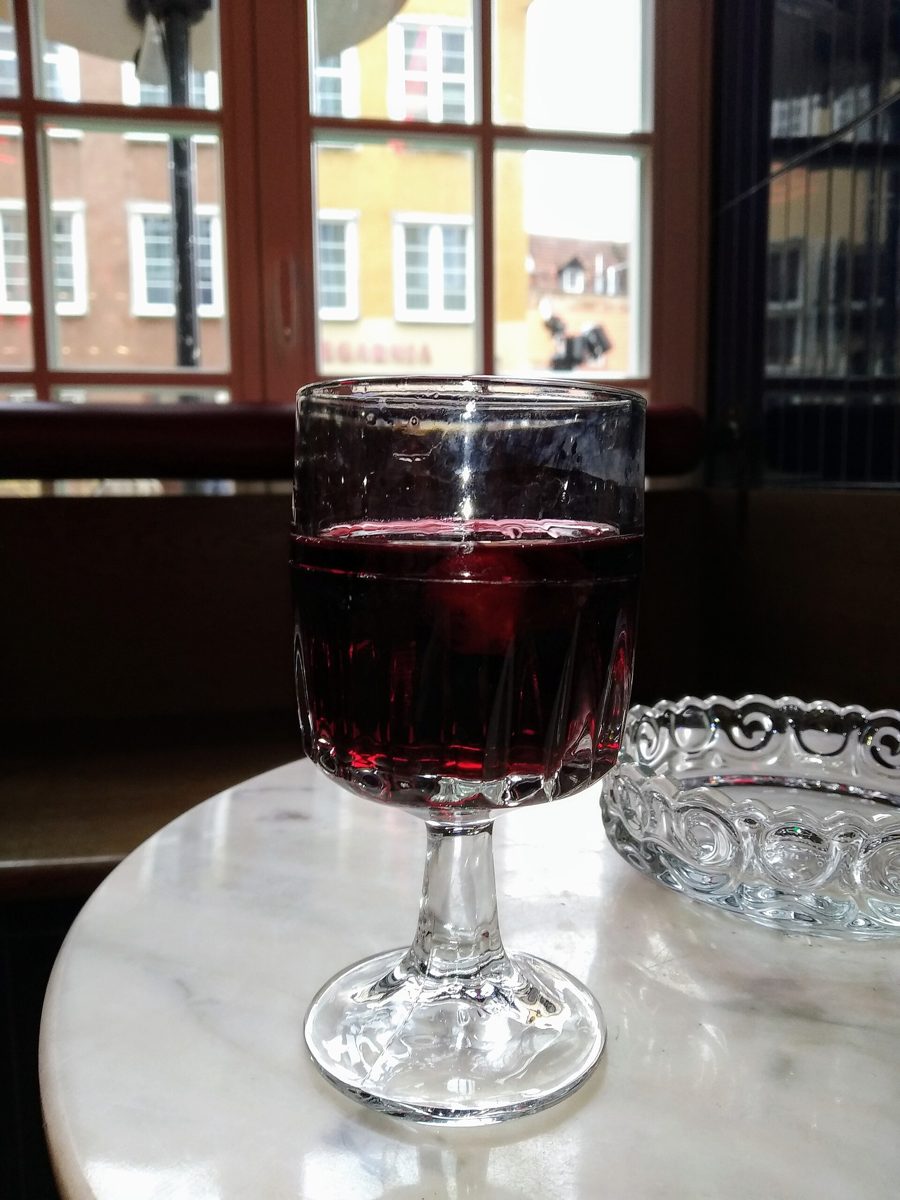
The story behind the recipe
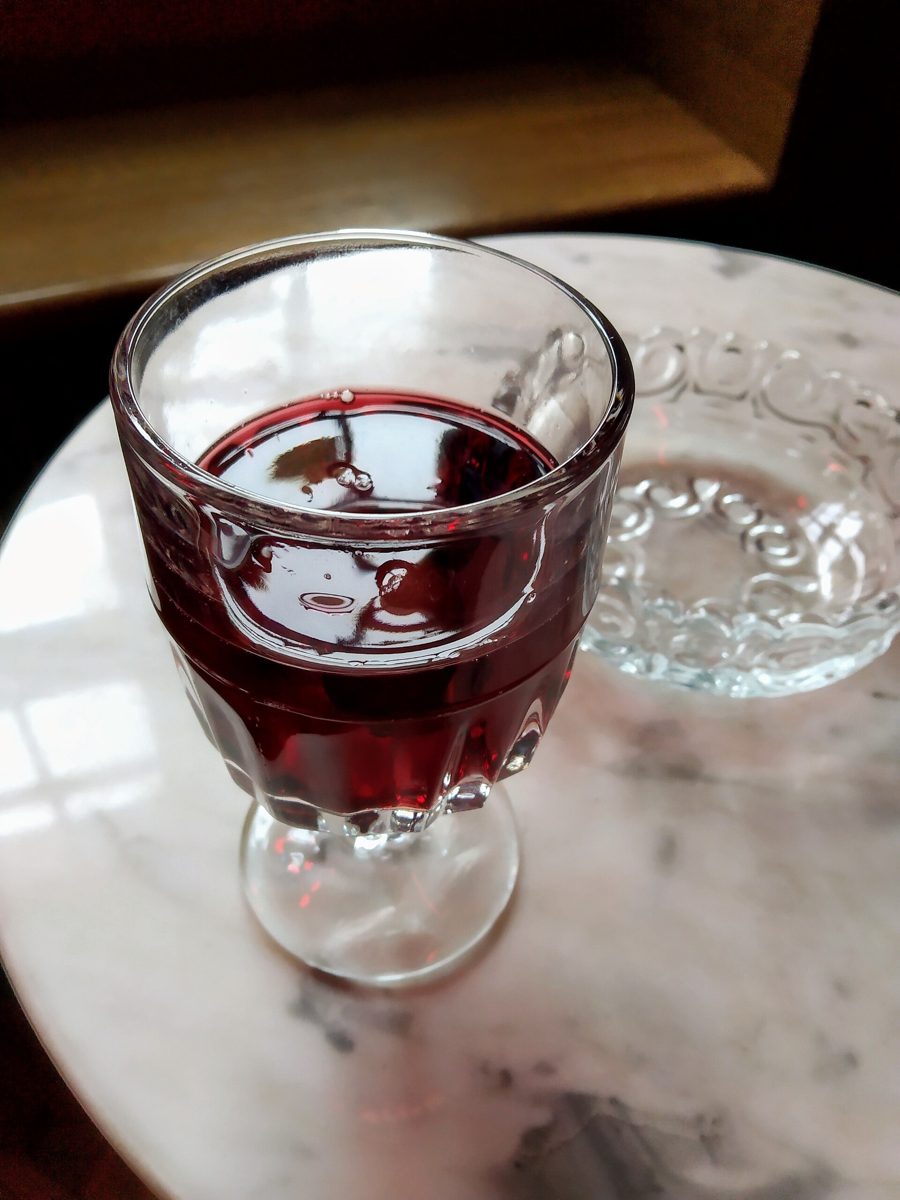
Wiśniówka is one of the most commonly made and popular Polish liqueurs. A nalewka is an extract of fruits, roots, flowers, or herbs in alcohol, obtained through maceration, which is a long soaking, and sweetened with sugar syrup or honey. The word itself comes from "nalewać" (to pour) and, according to available studies, came into common use around the mid-19th century.
The oldest Polish publication on nalewkas is the herbal book by Stefan Falimirz published in Kraków in 1534. Sweet fruit liqueurs likely came to Poland from France, possibly during the reign of Henryk Walezy, but this is not certain. In studies about nalewkas, we read that "in the medicine cabinet of every Polish manor, there were several types of nalewkas," and recipes were recorded in home books called silva rerum and sometimes passed down only in wills. English-language sources add that the nobility guarded their recipes. The golden age of Polish nalewkarstwo (liqueur making) is considered to be the 18th and 19th centuries. Grzegorz Russak, the author of a text on old Polish nalewkas, mentions that "every home, especially in the borderlands: bourgeois, noble, or magnate, had its own recipes," and in his family, they made nalewka from small cherries from tall, old trees.
To this day, every home has its own wiśniówka and the proportions in sources vary greatly. Kwestia Smaku suggests 500 ml of rectified spirit and 300 g of sugar for 1 kg of cherries, Ania Gotuje uses 500 ml of rectified spirit, 1 liter of vodka, and 400 g of sugar for 1.5 kg of cherries, while Beszamel uses as much as 1 kg of sugar per kilogram of fruit. Maturation lasts according to various recipes from one month to a year. Our version is based on Ania Gotuje's recipe adjusted for 1 kg of cherries. The store name "Polish Cherry" refers to something else: a protected geographical indication for liqueur made from cherries grown in Poland, with a minimum strength of 24%, as described in the 2007 regulation by the Minister of Agriculture.
Ingredients
For a 2–3 l jar (1 kg of cherries yields about 1.3 l of nalewka)
-
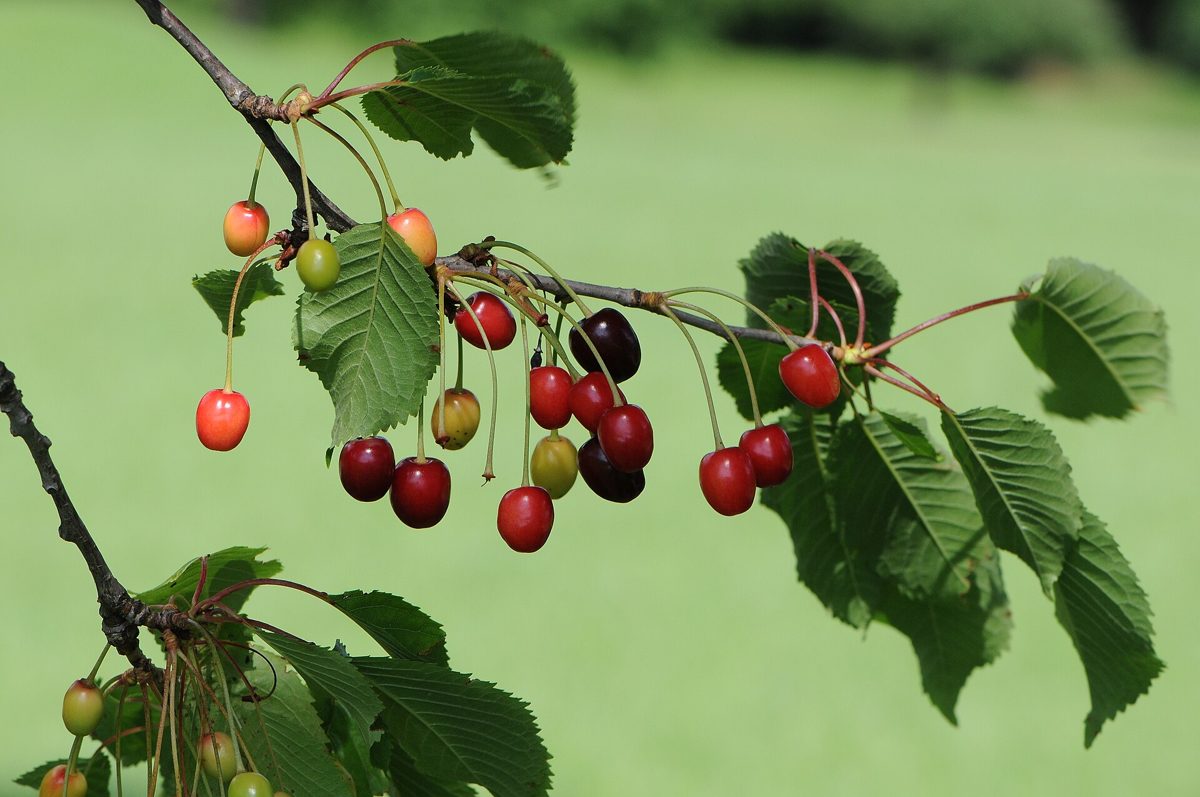
1 kg cherries (ripe, firm, sour, weight before pitting)
Abroad: USA: sour cherries or frozen tart cherries; UK: Morello cherries; Germany: Sauerkirschen (Schattenmorelle) -
330 ml rectified spirit 95%
Abroad: strong grain alcohol where its sale is legal; in the USA, e.g., Everclear (190, 151, or 120 proof, depending on the state) -
670 ml pure vodka 40% (330 ml to start, 340 ml together with sugar)
Abroad: vodka 40% (80 proof) - 270 g sugar (more if you like a sweeter nalewka)
Method, step by step
-
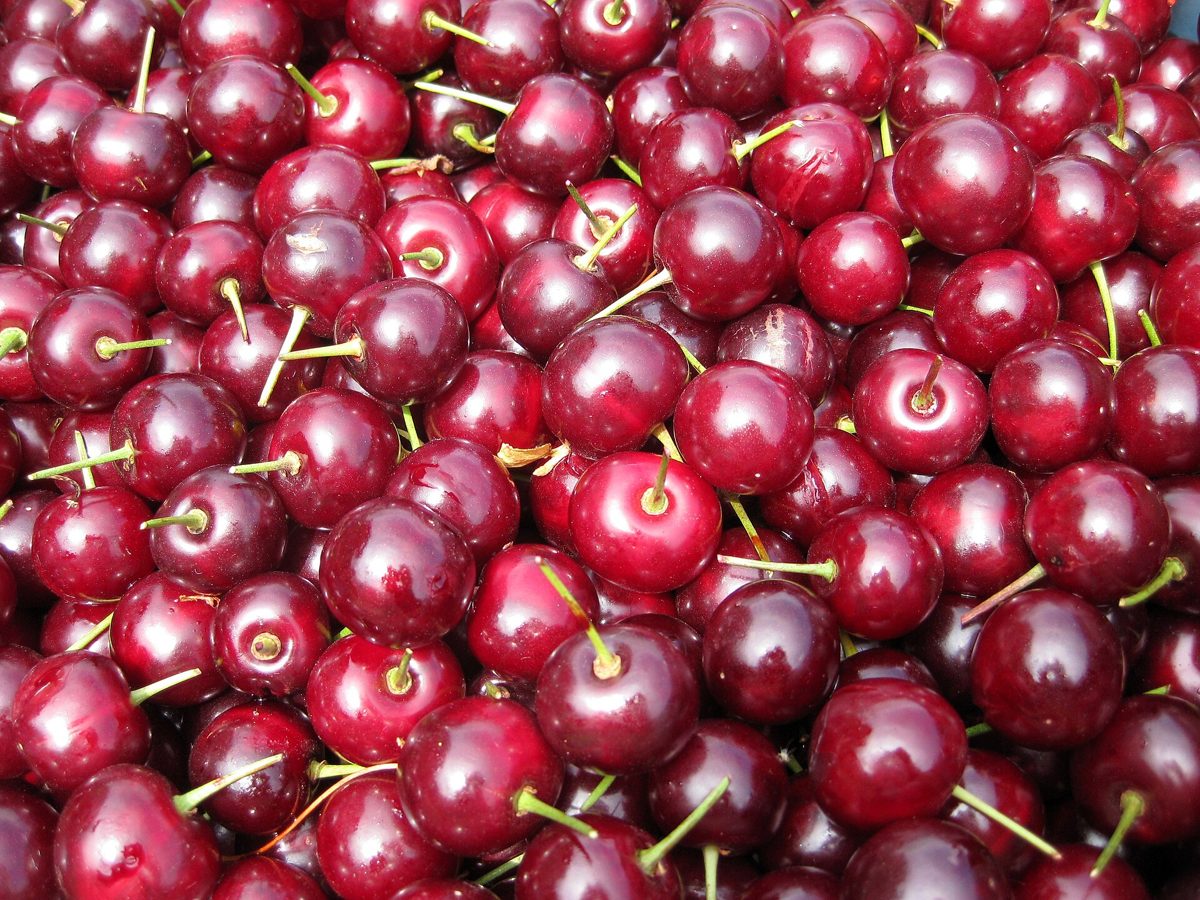
Sort the cherries and discard soft, cracked, and spoiled fruits. Remove the stems, rinse the cherries under cold water, and dry them on a cloth.
-
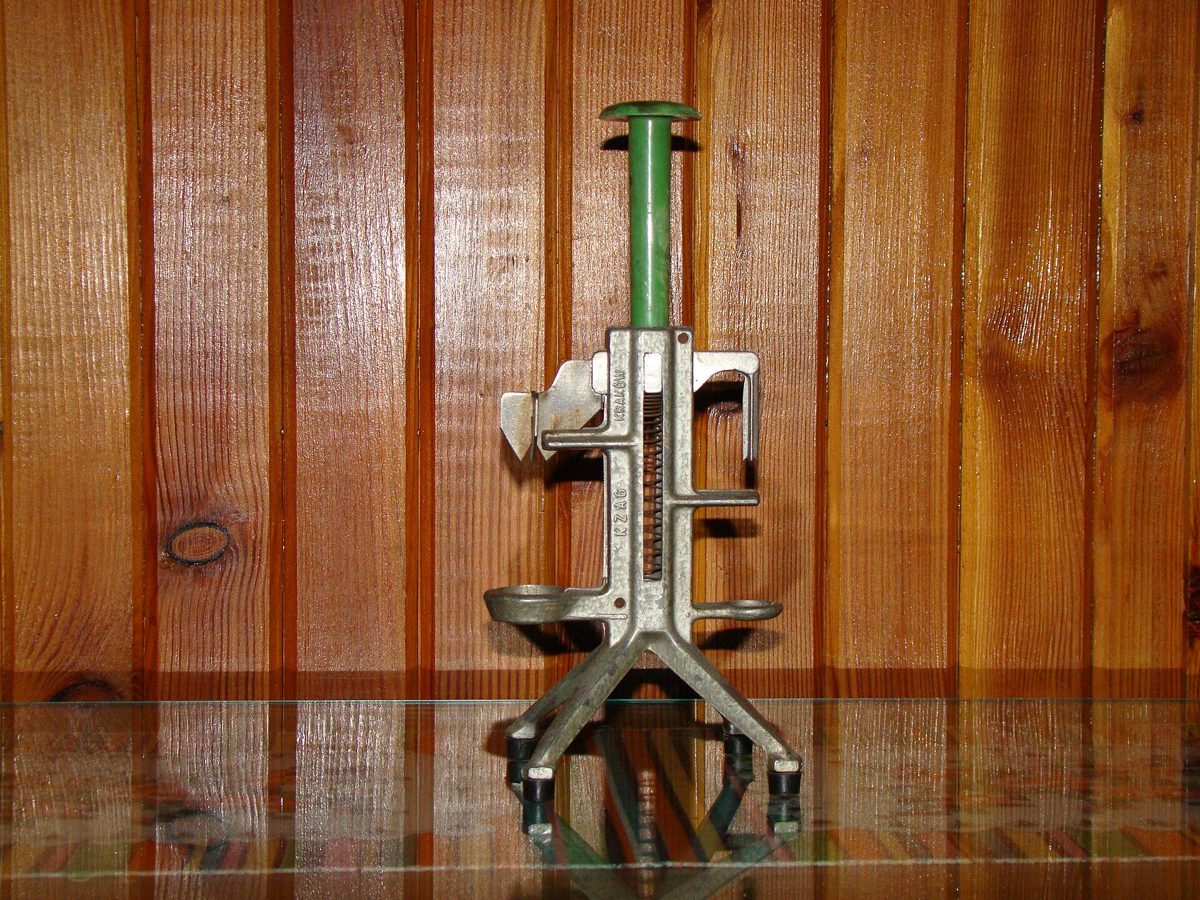
Pit the cherries using a pitter, by hand, or with a straw. Work over a bowl to avoid losing juice. Leave at most 10 cherries with pits or none.
-
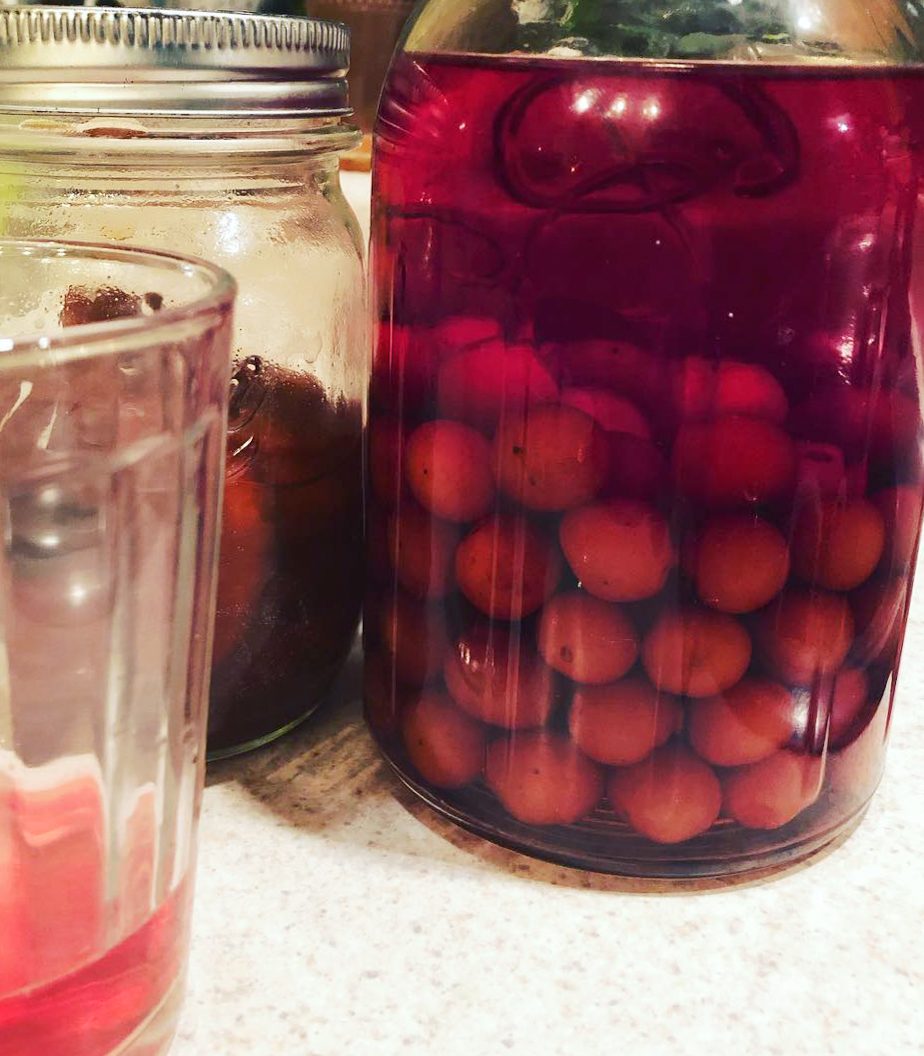
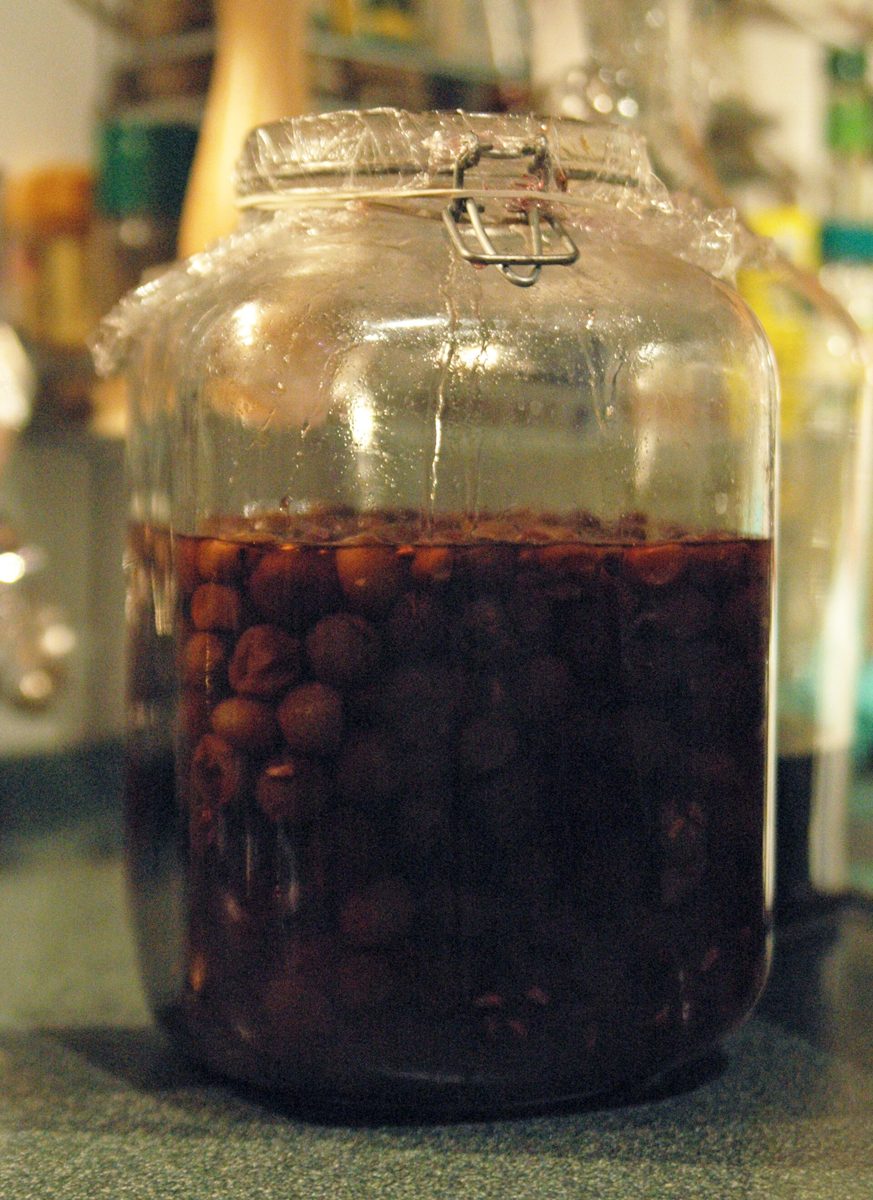
Transfer the cherries along with the juice to a sterilized and dry jar with a capacity of 2–3 l. Pour in 330 ml of vodka, then 330 ml of rectified spirit: the fruits should be completely covered. Seal the jar.
-
Set the jar in a dark, warm place for 4–6 weeks. Gently shake it every few days, but do not open it.
-
Pour the clear nalewka off the fruits into a clean jar or bottle, seal it, and set it aside. Leave the cherries in the large jar.
-
Sprinkle the cherries with 270 g of sugar and pour in the remaining 340 ml of vodka. Seal and shake the jar daily until the sugar completely dissolves, which takes at least 4 days. The fruits can sit like this for 2–3 weeks.
-
Strain the contents of the jar through a sieve, gently press the fruits, and combine the resulting syrup with the first nalewka. Set aside for a few days in a dark place to allow sediment to settle at the bottom.
-
Carefully pour the nalewka off the sediment and filter it through a coffee paper filter, several layers of cheesecloth, or muslin. If it is still cloudy, repeat the filtering.
-
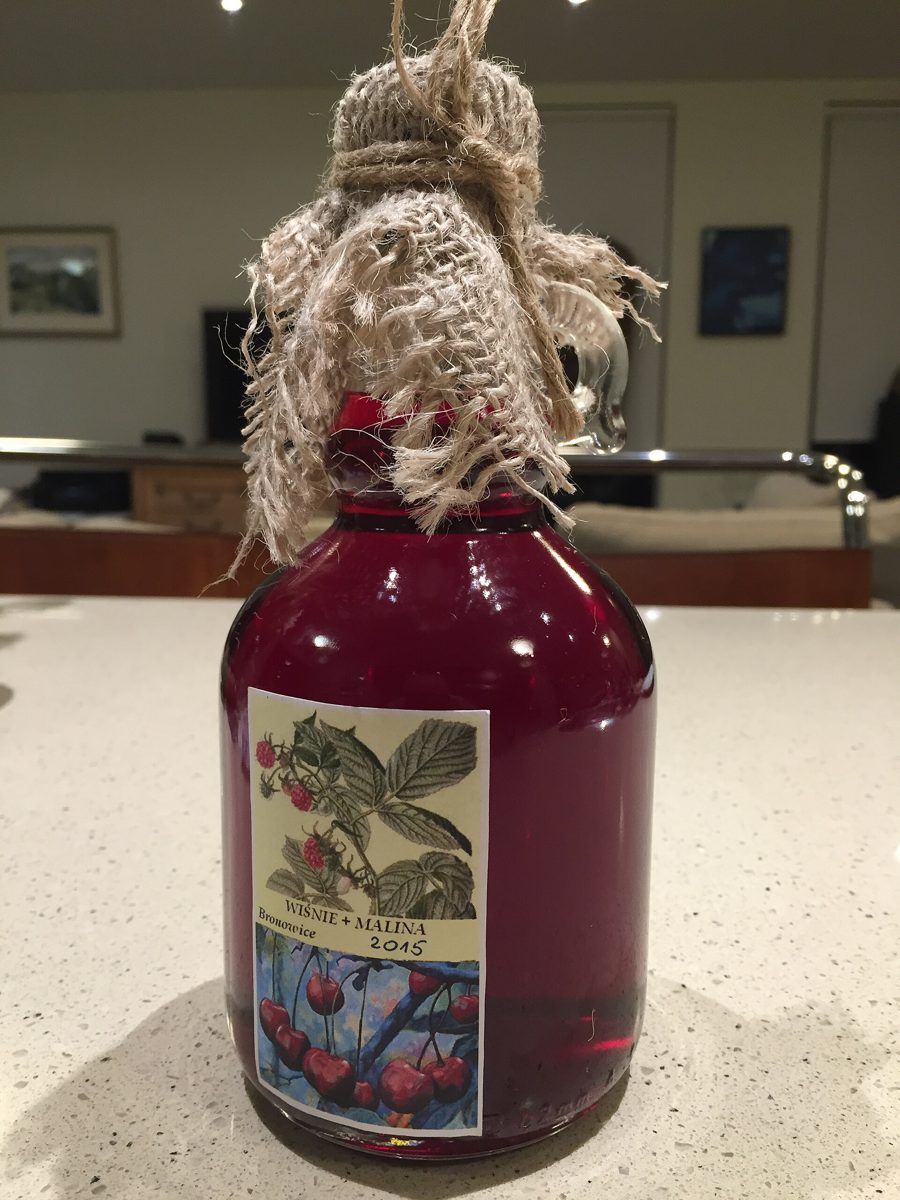
Pour the nalewka into clean bottles, seal tightly, and store in a cool, dark place for at least a month, preferably two. The longer it matures, the smoother it will be.
Photos
Comments (0)
No comments yet. Be the first!