The story behind the recipe
The first Polish pączki were not sweet: they were made from dough filled with lard and eaten during Fat Thursday, which is part of the carnival season. Mikołaj Rej mentions them in "Żywot człowieka poczciwego," and Lind's dictionary connects the word itself with the German "Krapfen." In Silesia, they are called kreple, and the form "Kraeppel" appears in a Silesian chronicle from 1714. It is uncertain when sweet pączki became popular in Poland.
They became fluffy and round in the 18th century when yeast was added to the dough. Jędrzej Kitowicz described pączki from the court of Augustus III: influenced by French chefs, the dough was so light that a compressed pączek returned to its original size. Maria Śleżańska in "Kucharz polski" from 1932 provides a recipe for "perfect pączki" and dusts them with sugar mixed with grated lemon zest right after frying. The Opatów pączek from Świętokrzyskie is listed in the Traditional Products List, registered in 2014: with a lighter ring around it, filled with plum or rose jam, fried in lard in small batches, made the same way since 1966.
Fat Thursday is the last Thursday before Ash Wednesday, which marks the beginning of Lent. Pączki were fried then to use up lard, sugar, eggs, and fruits before the fasting period. According to a folk belief, anyone who does not eat a single pączek on that day will not have good fortune for the rest of the year, and in the past, some pączki contained an almond or nut that was supposed to bring luck. A survey by Opinia24 for Too Good To Go in 2026 found that 95% of adults aged 18-65 eat pączki on Fat Thursday, totaling around 88 million pieces. In Michigan, the tradition has moved to Fat Tuesday, the day before Ash Wednesday. The center of Pączki Day is Hamtramck, a Polish enclave in Detroit settled by Polish workers: a parade takes place there, and lines form in front of bakeries throughout the Detroit area. Chicago celebrates both on Fat Thursday and Fat Tuesday. It is uncertain when exactly Pączki Day began to be celebrated in Hamtramck.
Ingredients
Dough (about 16 pączki)
-
500 g all-purpose flour (Wrocław type 500 or cake type 450, plus a little for dusting)
Abroad: USA and Canada: all-purpose flour; UK: plain flour; Germany: Weizenmehl Type 550 -
30 g fresh yeast (or 10 g instant yeast)
Abroad: USA: instant yeast or active dry yeast, 10 g instead of 30 g fresh; UK: fresh yeast can be found in bakeries near supermarkets - 250 ml milk (lukewarm, about 37 °C, not hot)
- 4 pcs egg yolks
- 50 g sugar (plus 1 teaspoon for the starter)
- 50 g butter (melted and cooled)
-
1 tbsp (15 ml) spirit, vodka or rum (not necessary; Ania Gotuje adds up to 2 tablespoons)
Abroad: vodka or rum - 1 pinch salt
Filling
-
180 g rose petal jam or thick plum preserves (160–200 g, depending on how much filling you like)
Abroad: rose petal jam or rose petal preserve in Polish stores; according to a linguist, also plum preserves or other fruit jams
For frying
-
1 l rapeseed oil or lard (enough to have about 4 cm of fat in the pot; Kwestia Smaku suggests 1–2 liters of oil)
Abroad: USA and Canada: canola oil
For finishing (optional)
-
powdered sugar (for dusting cooled pączki)
Abroad: USA: powdered sugar; UK: icing sugar - 120 g powdered sugar for icing
- 3 tbsp (45 ml) lemon juice for icing
-
candied orange peel (for sprinkling on icing)
Abroad: candied orange peel; Germany: Orangeat
Method, step by step
-
Starter: crush the yeast with a teaspoon of sugar, add 1–2 tablespoons of flour and a few tablespoons of lukewarm milk. Mix and set aside for about 15 minutes until it foams up well. If it does not foam, the yeast is dead: start over. Instant yeast can be added directly to the flour.
-
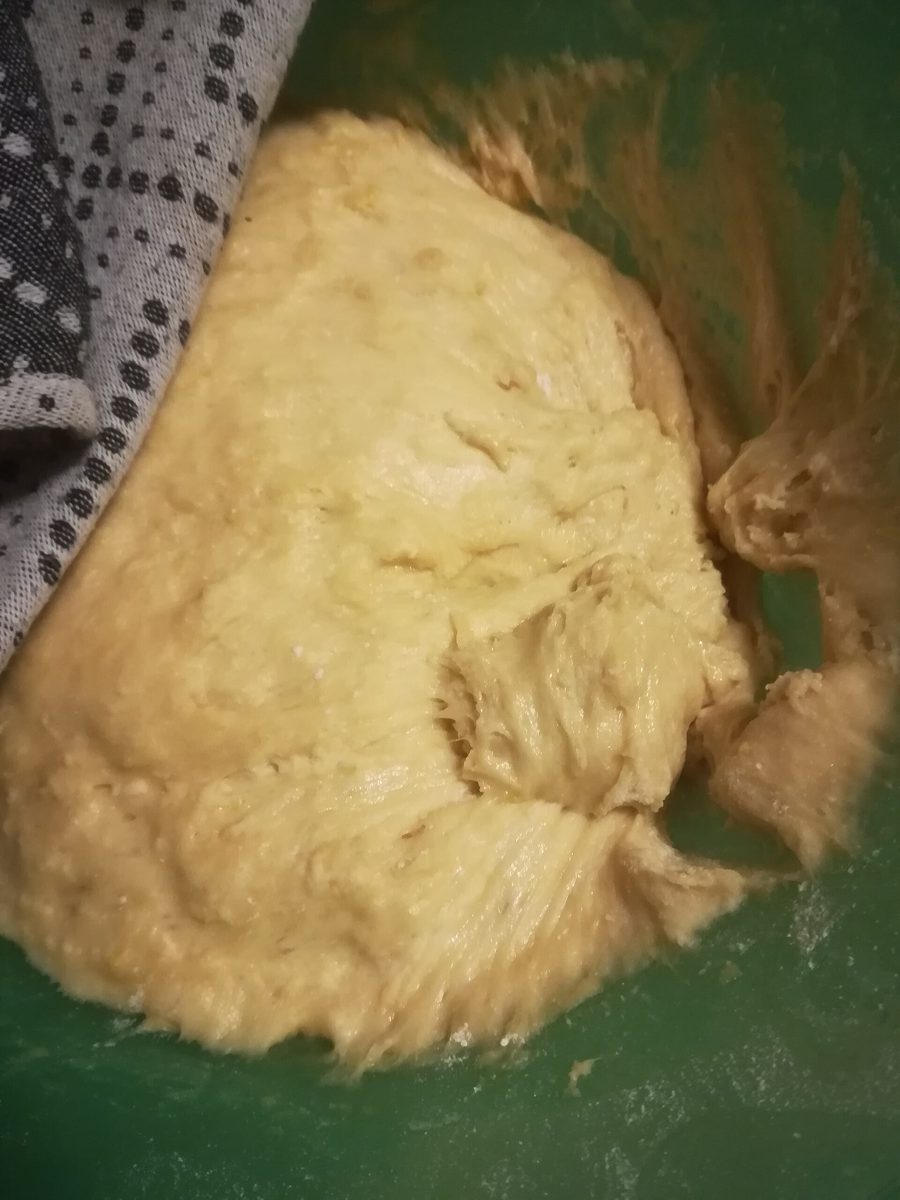
Beat the egg yolks with sugar until fluffy. In a large bowl, sift the flour, add the rest of the milk, the starter, the beaten yolks, and salt. Knead the dough, gradually adding the cooled melted butter, and finally the spirit, if using. Knead for about 15 minutes until the dough is smooth, shiny, and starts to pull away from your hands.
-
Cover the bowl with a cloth and let the dough rise in a warm place without drafts for about 60 minutes, or up to 80–90 minutes if necessary, until it doubles in size.
-
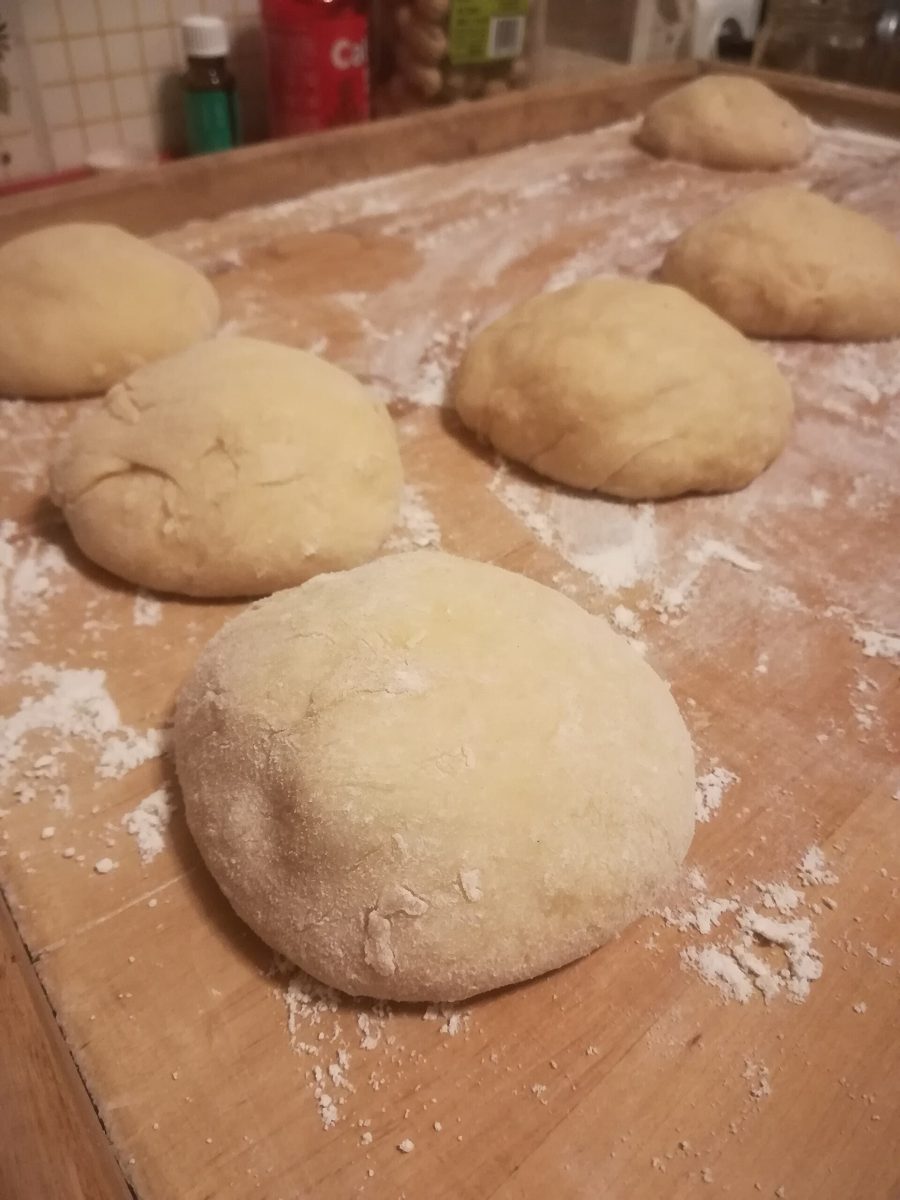
Transfer the risen dough to a floured surface and roll it out to a thickness of 1–1.5 cm. Cut out circles with a glass or shape smooth balls from pieces of dough. Place them on a floured surface or baking sheet, spaced apart.
-
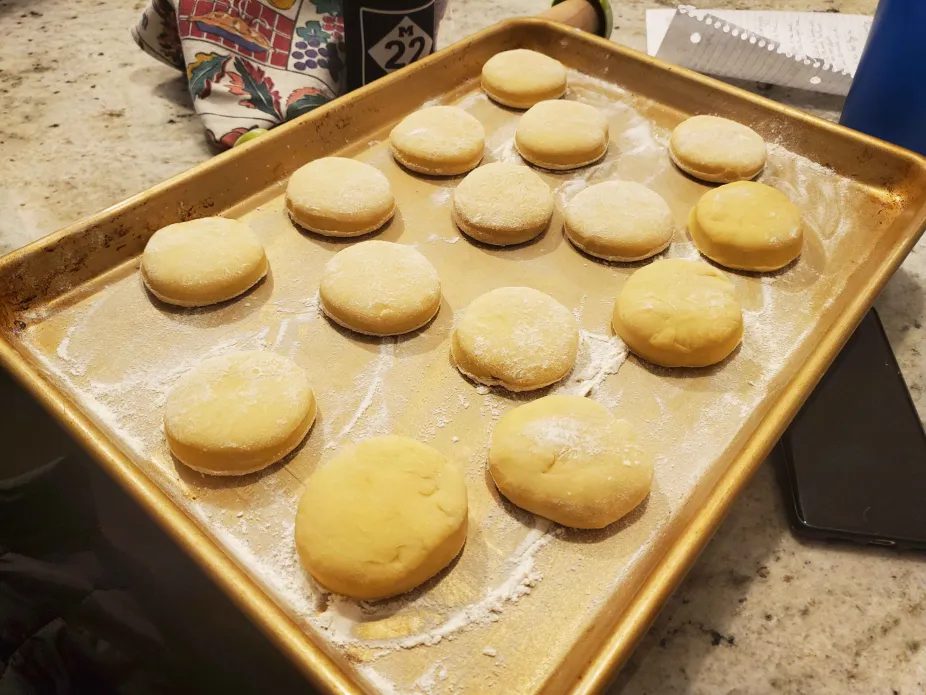
Cover the pączki with a cloth and let them rise again for 20–40 minutes. This stage determines the light ring: well-risen, light pączki will float high in the fat.
-
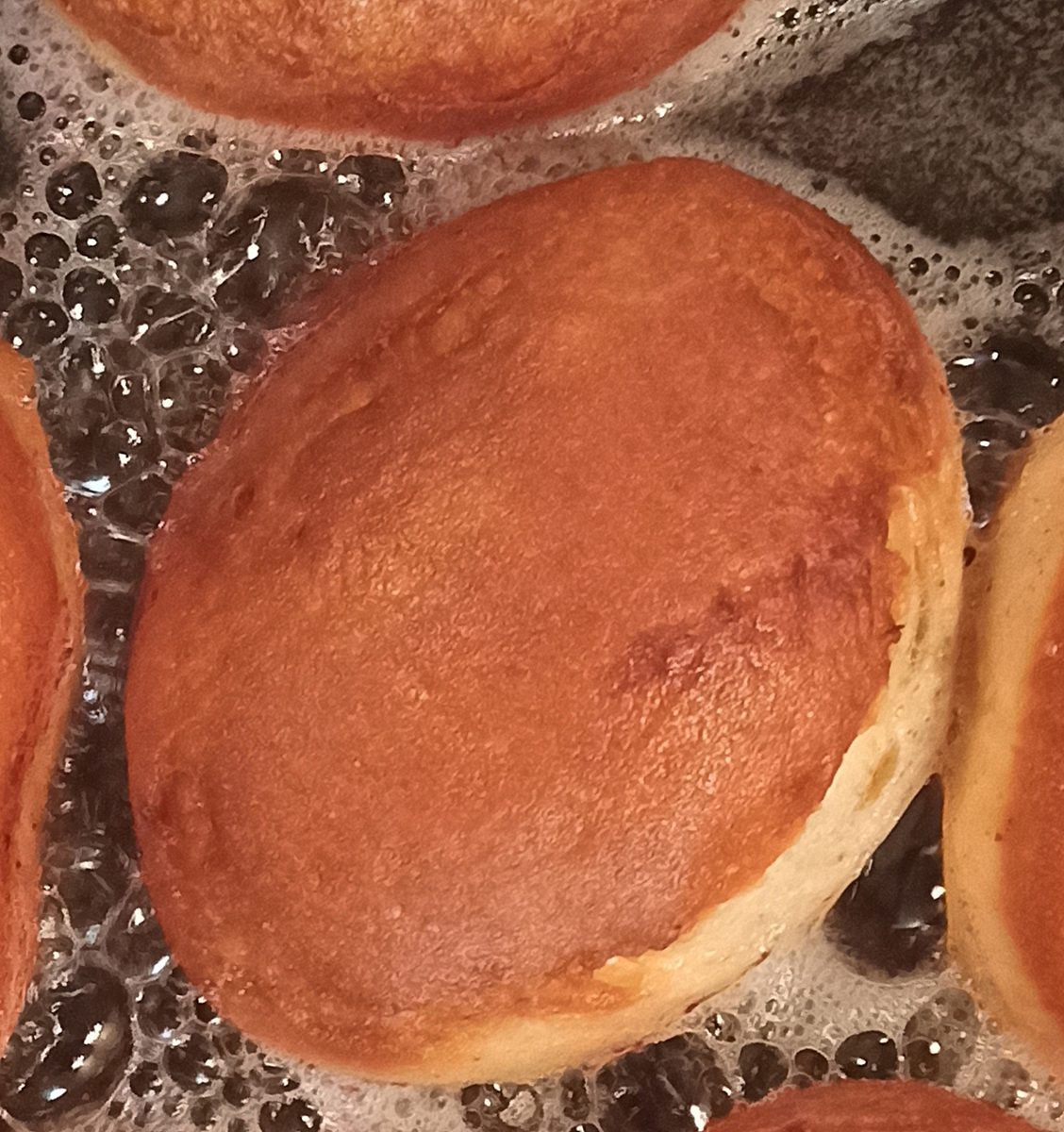
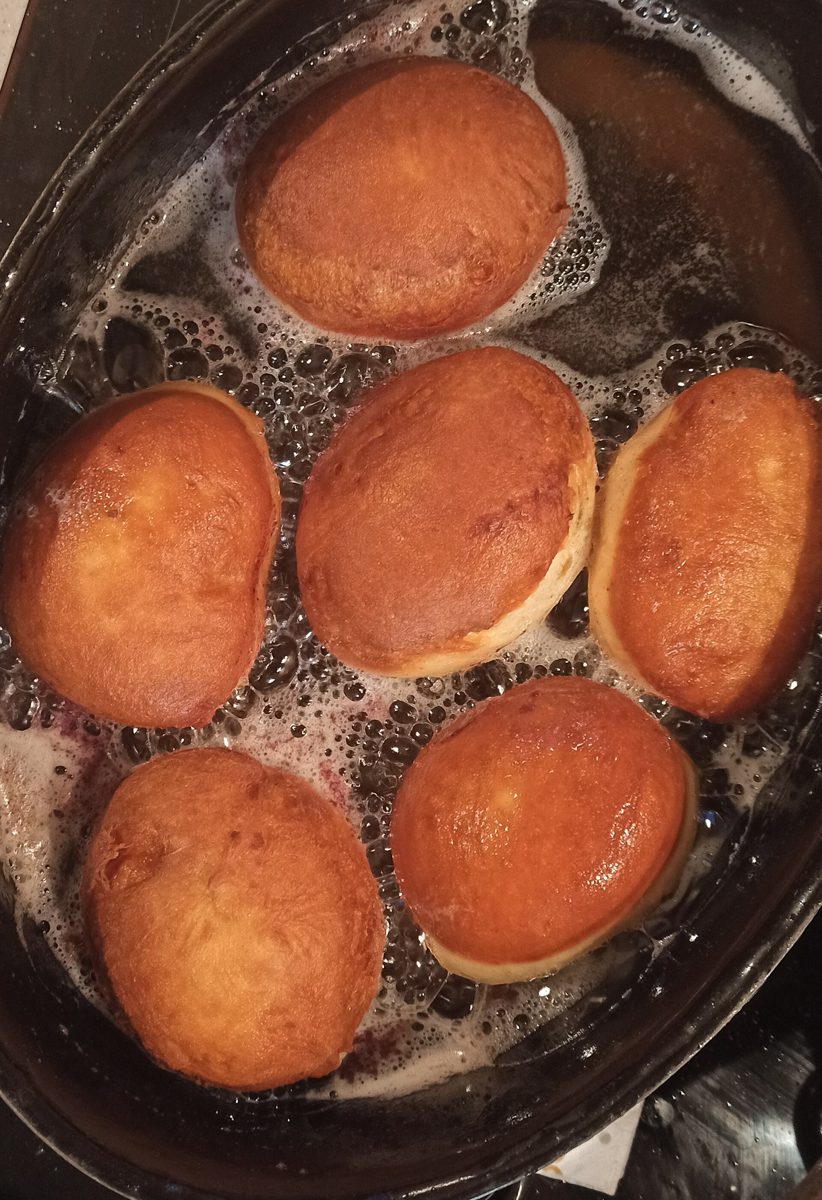
In a wide pot, heat the fat to 175–180 °C, preferably using a thermometer. Fry a few pączki at a time, placing them in the fat with the risen side down first.
-
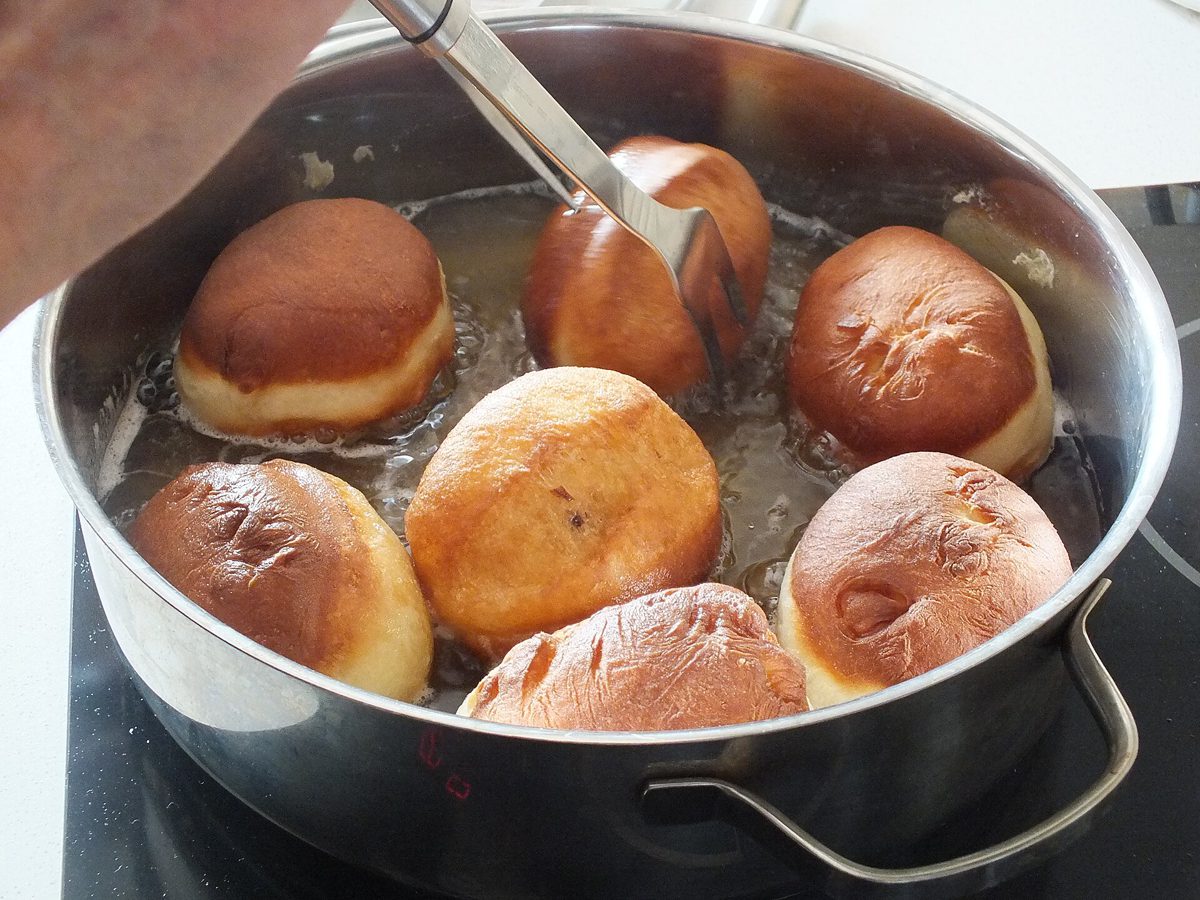
Fry for 2–3 minutes on each side until golden, and turn them only once. If they brown too quickly, lower the heat. Make sure the temperature of the fat does not drop between batches.
-
Remove the fried pączki with a slotted spoon and drain on paper towels or a rack.
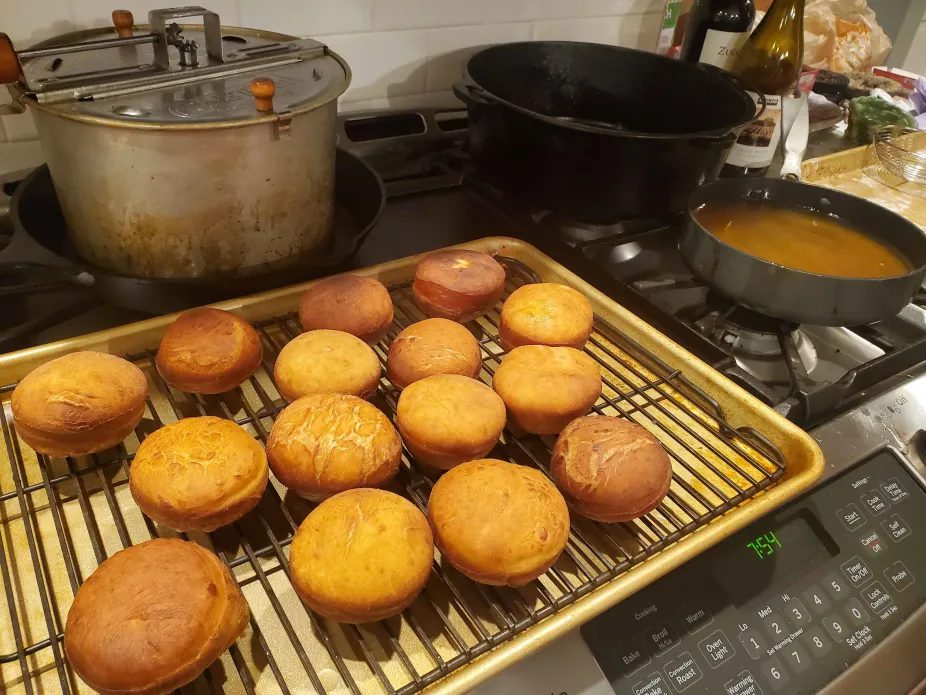
-
Transfer the jam to a piping bag or syringe with a thick tip and fill the pączki from the side.
-
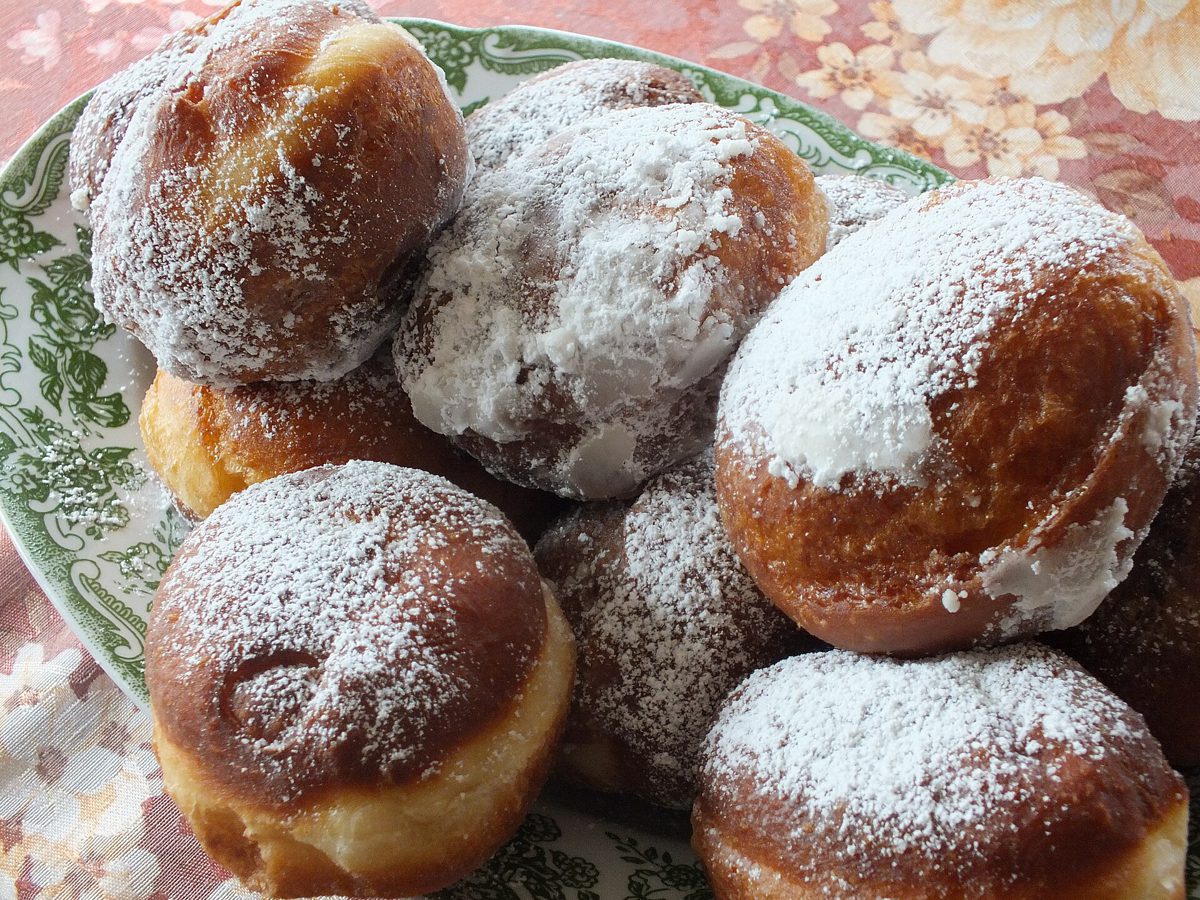
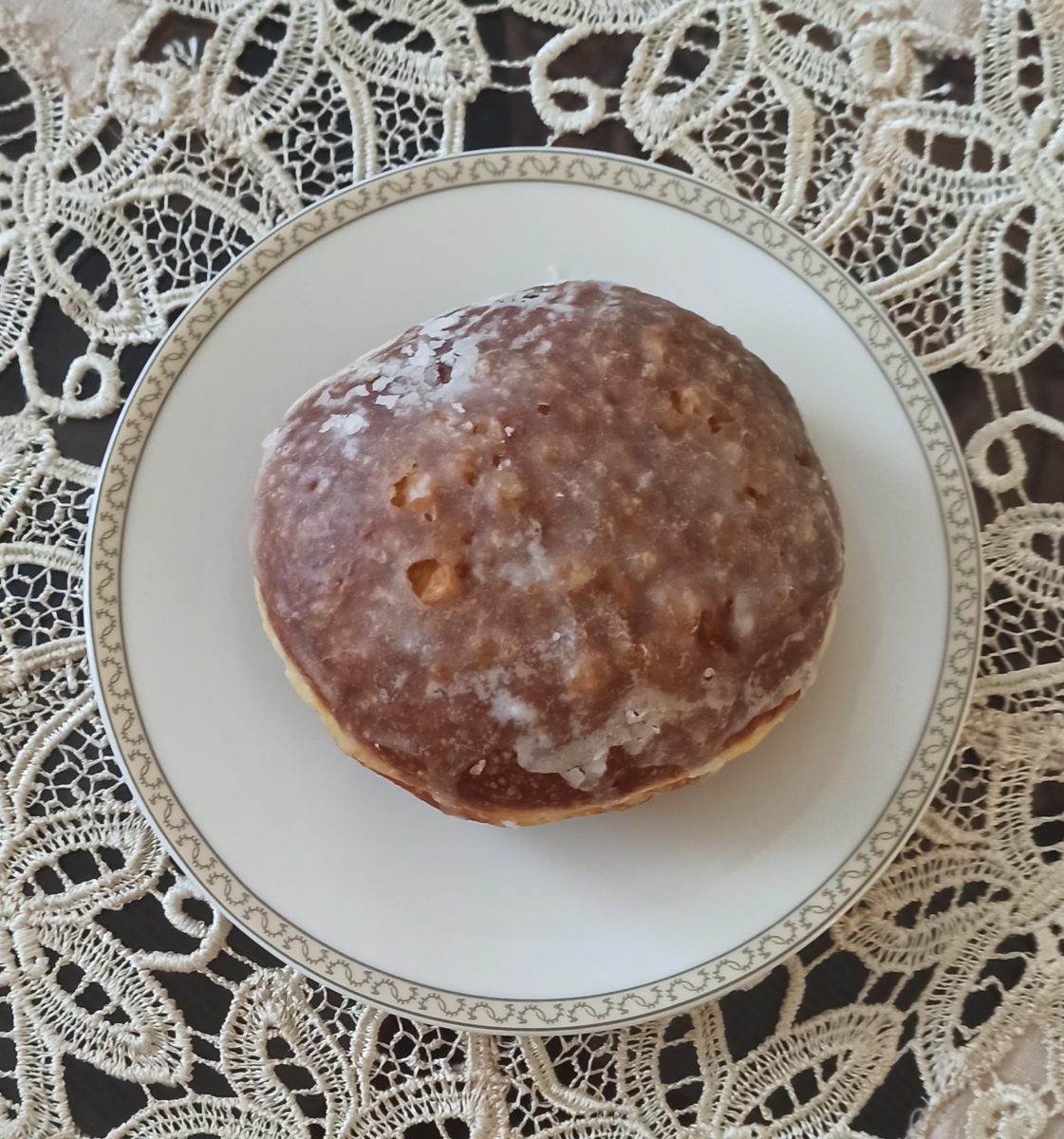
Dust the cooled pączki with powdered sugar. For the icing, beat the powdered sugar with lemon juice into a thick mass, drizzle it over the still warm pączki, and sprinkle with candied orange peel.
Photos