The story behind the recipe
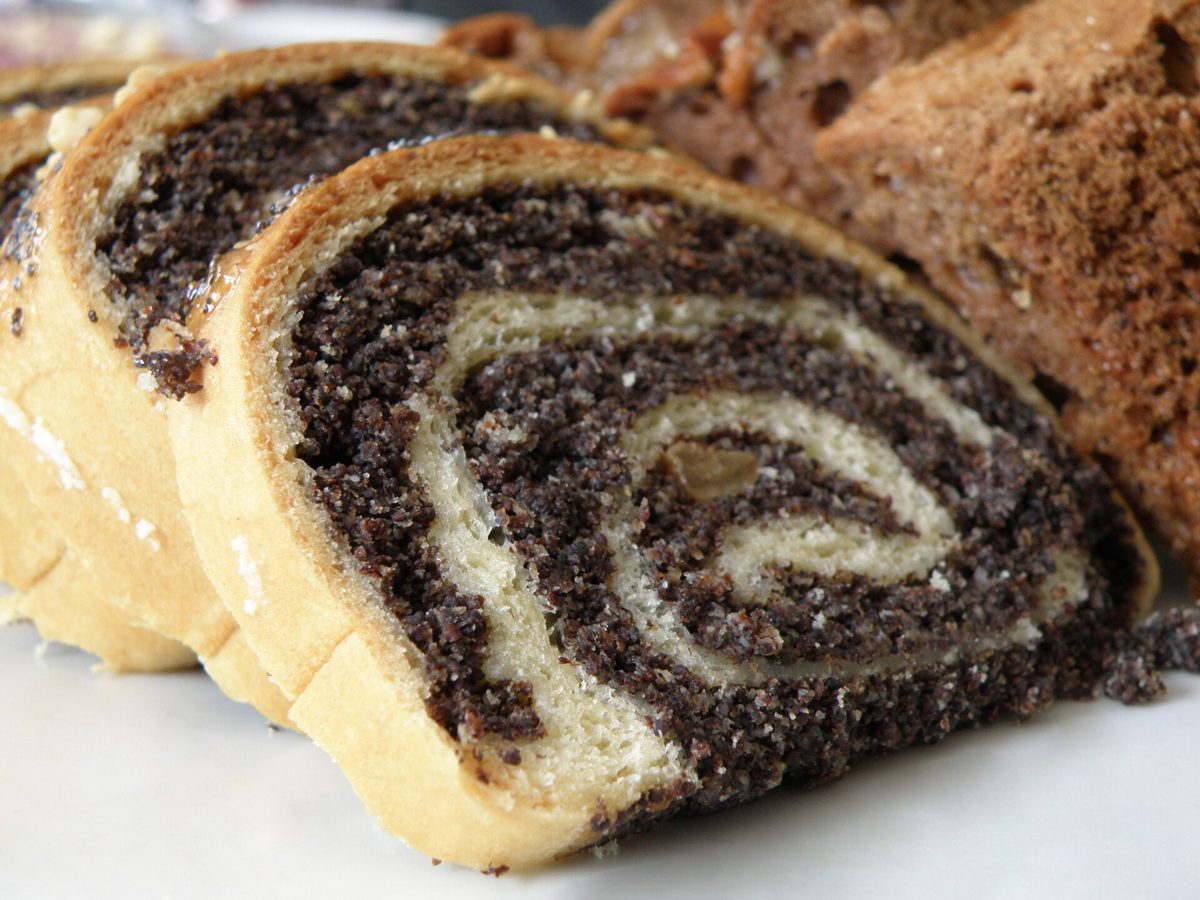
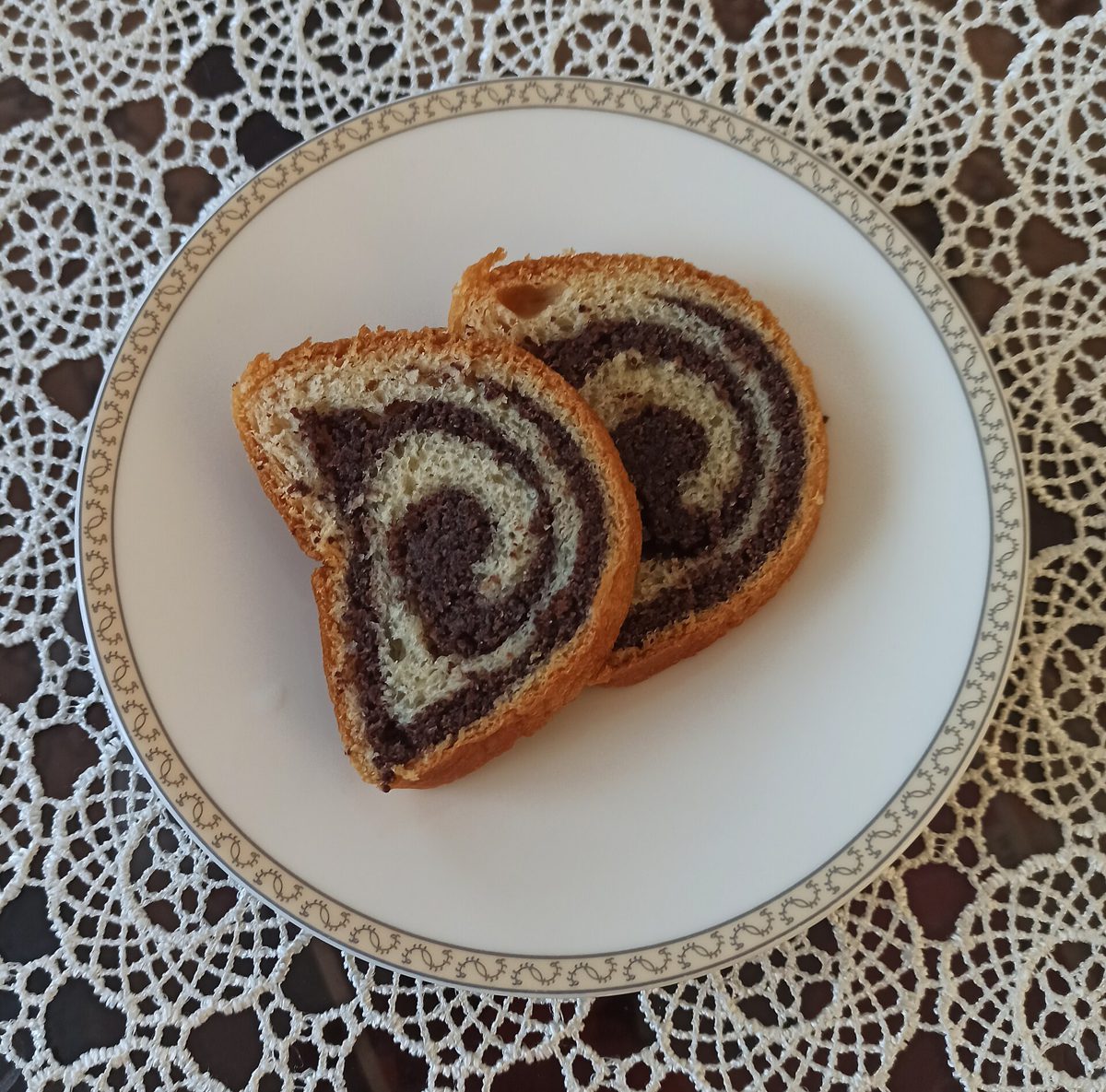
Makowiec has several names and forms. A makownik is a flat cake with a thick layer of filling on a thin base, while a makowa strudel or poppy seed strudel is a rolled spiral made from yeast dough, sweet yeast dough, or, less commonly, semi-sweet dough. There is also strudel. The exact origins of makowiec are uncertain: Polish Wikipedia, citing works by Anna Ners, Maria Disslowa, and Hanna Szymanderska, does not provide a date or place.
In the past, it was mainly baked in wealthy homes, and in ordinary ones only on special occasions. In some regions, it only appeared after World War II, brought by settlers from eastern Poland. It is a typical Christmas cake, considered the second most important cake of Christmas Eve after gingerbread, according to Wikipedia. It is also baked for Easter, Pentecost, Ash Wednesday, Good Friday, during Carnival, and for family celebrations. According to ancient beliefs, eating poppy seeds on Christmas Eve brought happiness and protection from evil forces, and grinding poppy seeds foretold young girls of a quick marriage. The poppy, with its thousands of seeds, symbolized abundance and fertility.
Since 2012, the makowiec lubartowski from Lublin has been on the List of Traditional Products. This cylindrical yeast cake, about 13 cm in diameter and weighing around 1.2 kg, is characterized by a "thin layer of dough and a thick layer of poppy seed filling." The filling is made from poppy seeds from Lublin and honey from local beekeepers, and in the past, nuts and raisins were also added. The entry states that makowiec lubartowski is always baked for Christmas and during Carnival, and it is called "the most Polish of Polish cakes." Other varieties include makowiec from Ejszeryszki, makowiec from Sędziszów, and brzozowski makowa strudel.
Ingredients
Dough (1 roll, about 35 cm)
-
250 g all-purpose flour (type 450 or 500, plus a little for dusting)
Abroad: USA: all-purpose flour; UK: plain flour; Germany: Type 405 or 550 -
20 g fresh yeast (or 7 g instant yeast)
Abroad: USA: instant yeast, 7 g instead of 20 g fresh - 100 ml milk (lukewarm)
- 40 g sugar
- 2 pcs egg yolks
-
50 g butter (melted and cooled, plus a little for greasing the paper)
Abroad: unsalted butter - 1 pinch salt
- 1 tsp (5 ml) rum or vodka (not necessary)
- vanilla (not necessary, a little)
Poppy seed filling (about 500 g)
-
250 g blue poppy seeds (whole; or about 175 g already ground)
Abroad: Germany: Blaumohn; ready filling: USA Solo Poppy Seed Cake & Pastry Filling, Germany Mohnfüllung, Polish Bakalland in Polish stores - 85 g sugar
- 2 tbsp honey (about 40 g)
- 50 g raisins
- 25 g walnuts (chopped)
-
40 g candied orange peel
Abroad: candied orange peel; Germany: Orangeat - 15 g butter
- ½ tsp (2.5 ml) almond extract
- 1 pinch cinnamon
- 2 pcs egg whites (or 3; whipped just before rolling)
Icing
-
80 g powdered sugar
Abroad: USA: powdered sugar; UK: icing sugar - 2 tbsp (30 ml) hot water or lemon juice (start with 1.5 tablespoons)
- dry poppy seeds or candied orange peel (for sprinkling)
Method, step by step
-
Pour the poppy seeds into a bowl, cover with boiling water so that they are submerged, and leave to cool. You can also boil them in water and simmer for 5–20 minutes. Drain in a very fine sieve and leave for about 20 minutes to drain well.
-
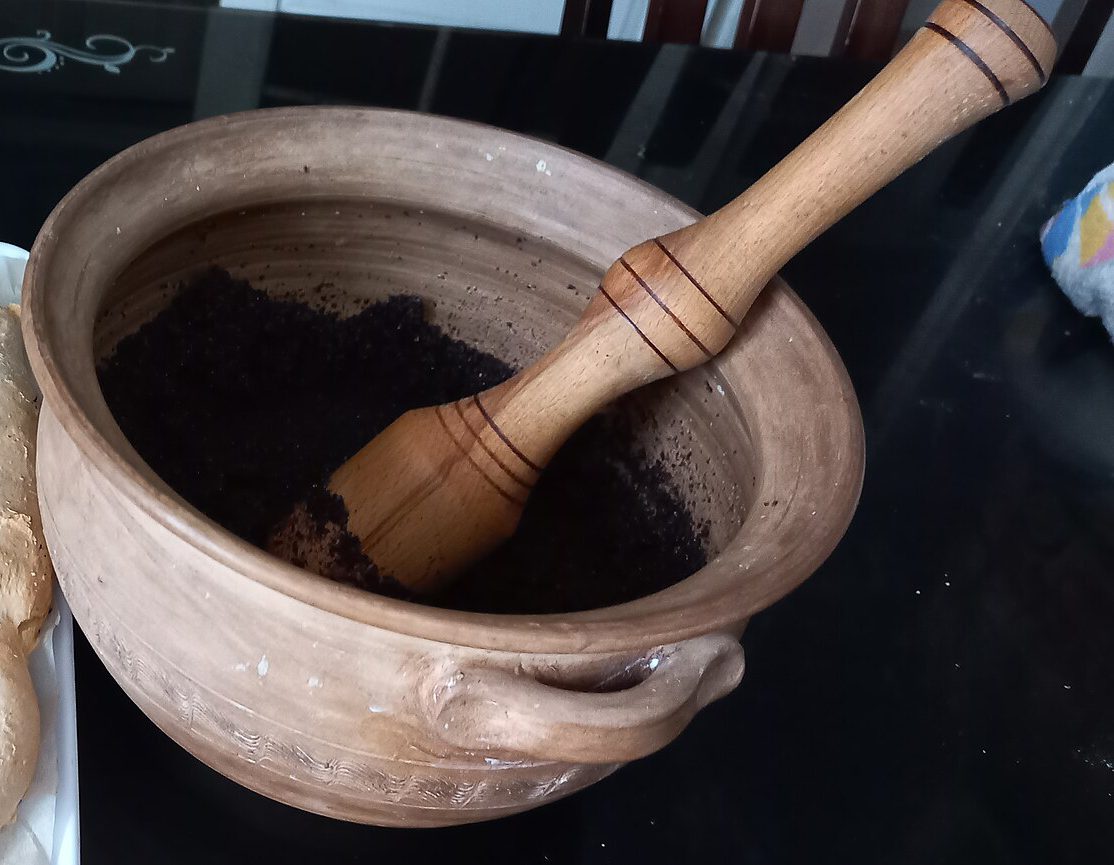
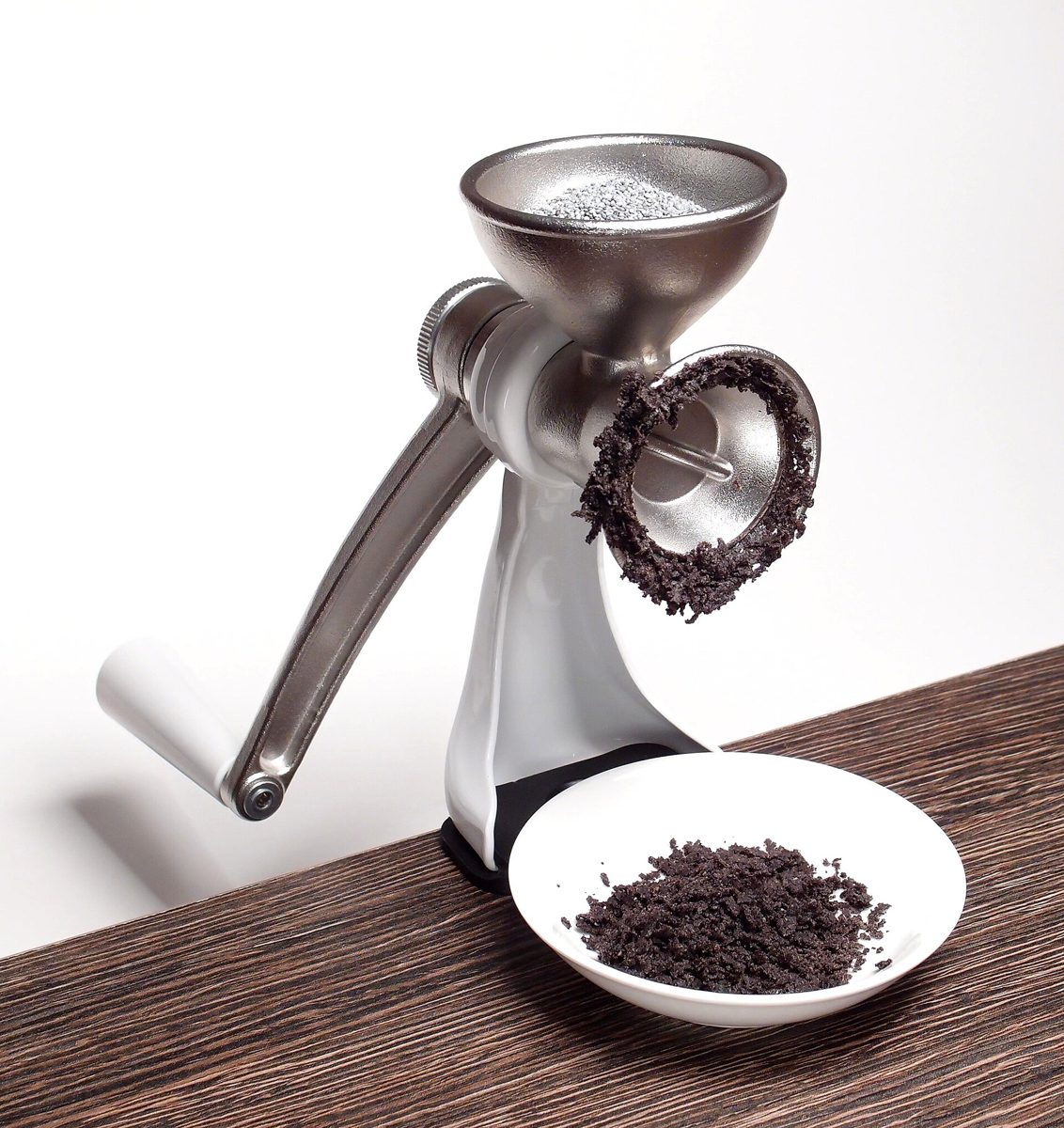
Grind the poppy seeds twice in a grinder with the finest sieve or in a poppy seed mill. In the past, they were ground in a mortar with a wooden pestle.
-
In a saucepan, melt the butter, add the ground poppy seeds, sugar, honey, raisins, walnuts, orange peel, almond extract, and cinnamon. Heat while stirring for no longer than about 5 minutes, then let it cool completely.
-
All dough ingredients should be at room temperature. Crush the yeast with a teaspoon of sugar, add a few tablespoons of lukewarm milk and a tablespoon of flour, mix, and set aside for about 10 minutes until it starts to work.
-
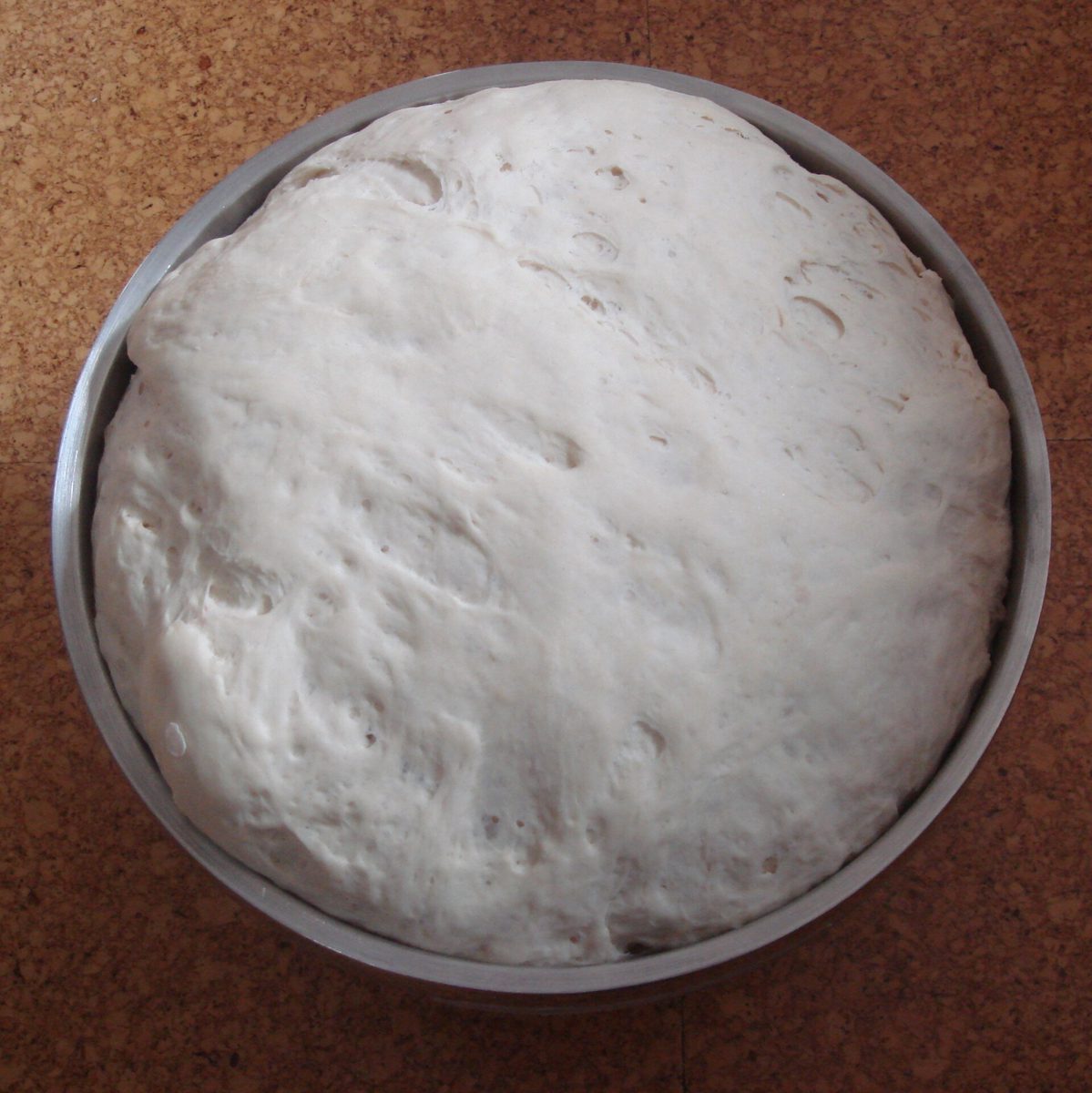
In a bowl with flour, add the remaining sugar, egg yolks, salt, the rest of the milk, and the yeast mixture, as well as rum and vanilla if using. Knead, gradually pouring in the melted butter towards the end, for 10–15 minutes until the dough is smooth and elastic. Cover and set aside in a warm place for 1–1.5 hours until it doubles in volume. On cool days, it helps to use an oven preheated to about 40 °C with the door slightly open.
-
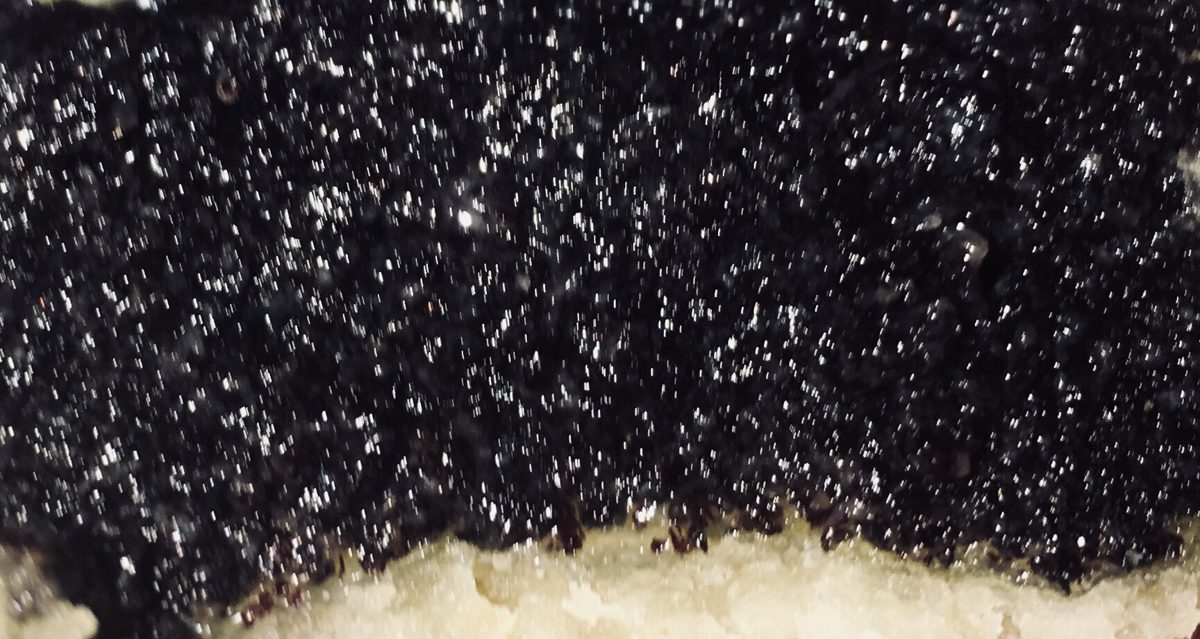
Whip the egg whites and gently fold them into the cooled poppy seed filling just before rolling: for homemade filling, to semi-stiff, for canned filling, to stiff. Roll out the risen dough on a floured surface into a rectangle about 30×35 cm and about 3 mm thick. Spread the filling evenly over it, leaving a 1.5–2 cm edge free.
-
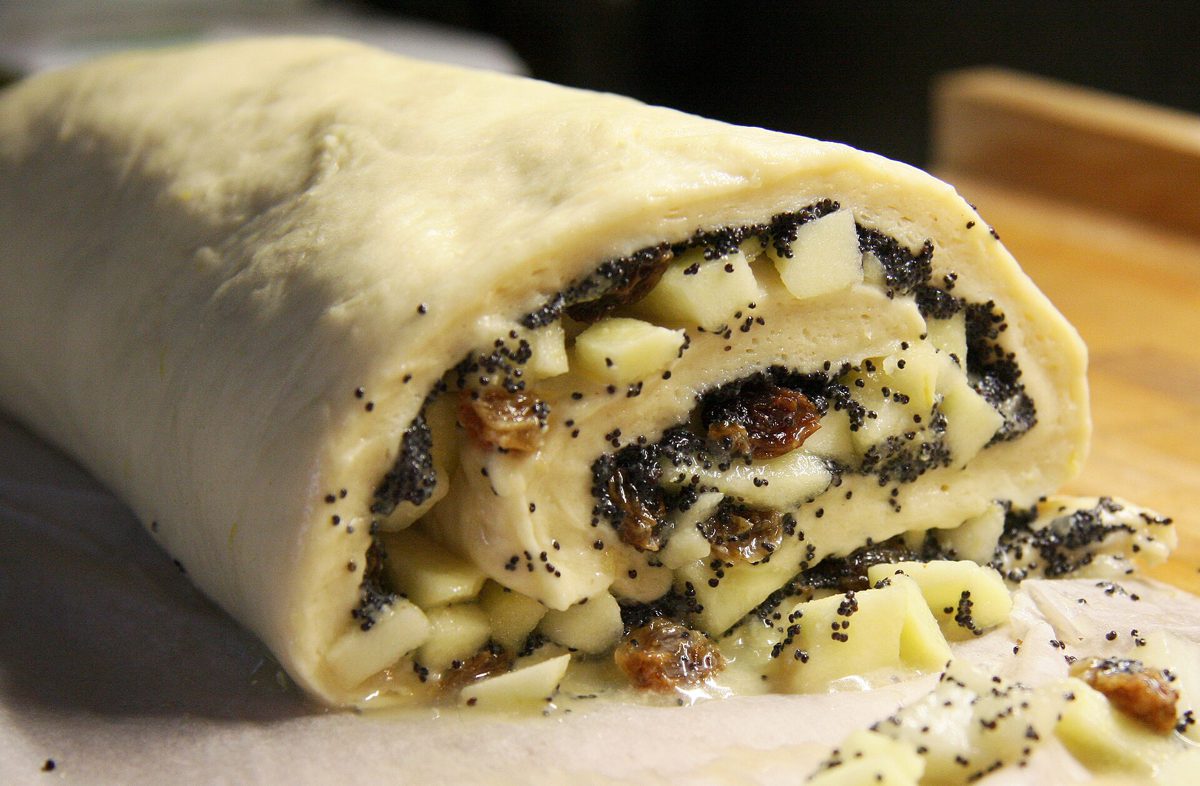
Tightly roll the dough into a roll about 35 cm long. Seal the seam, tuck the ends under, and gently press the roll with your hands so that the dough adheres to the filling.
-
Wrap the roll twice in greased baking paper, leaving about 1 cm of slack: the dough will rise further, and the paper will prevent it from spreading. Place on a baking sheet seam side down and let it rest for about 20 minutes. Meanwhile, preheat the oven.
-
Bake for 35–40 minutes at 180 °C with convection or at 190 °C top and bottom. After baking, leave the makowiec in the turned-off oven for 15 minutes with the door ajar, then cut the paper on top and let it cool completely.

-
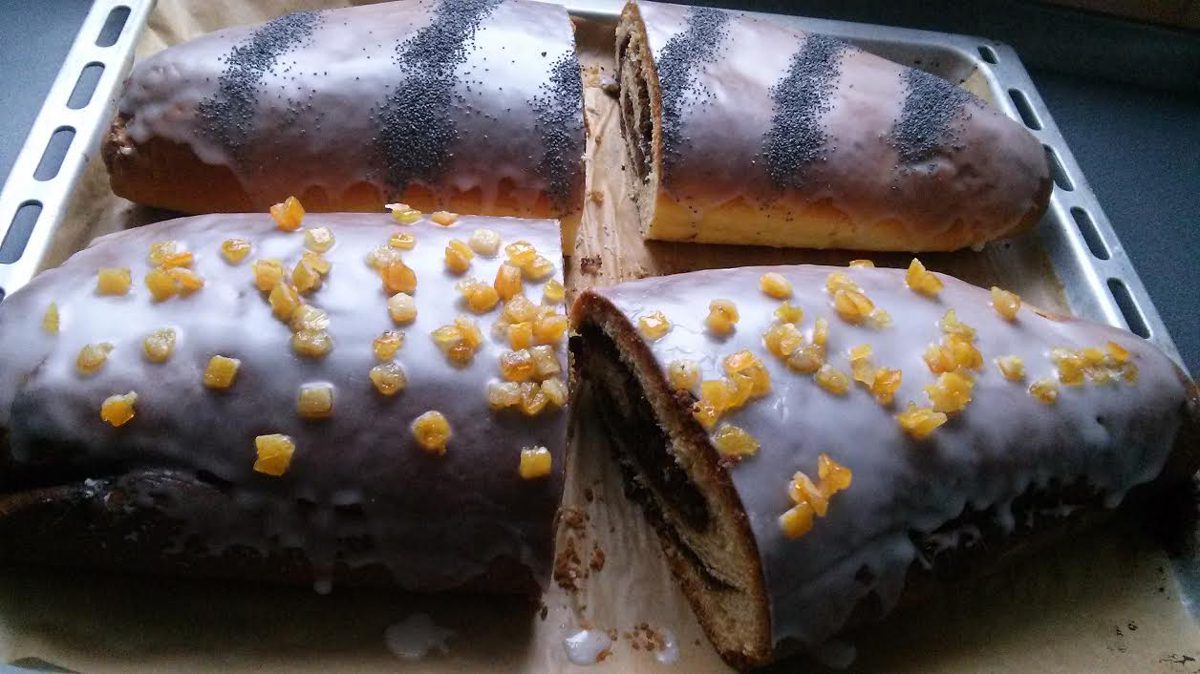
Beat the powdered sugar with hot water or lemon juice to a thick icing and drizzle it over the cold makowiec. Sprinkle with dry poppy seeds or orange peel, and when the icing hardens, slice it.
Photos