The story behind the recipe
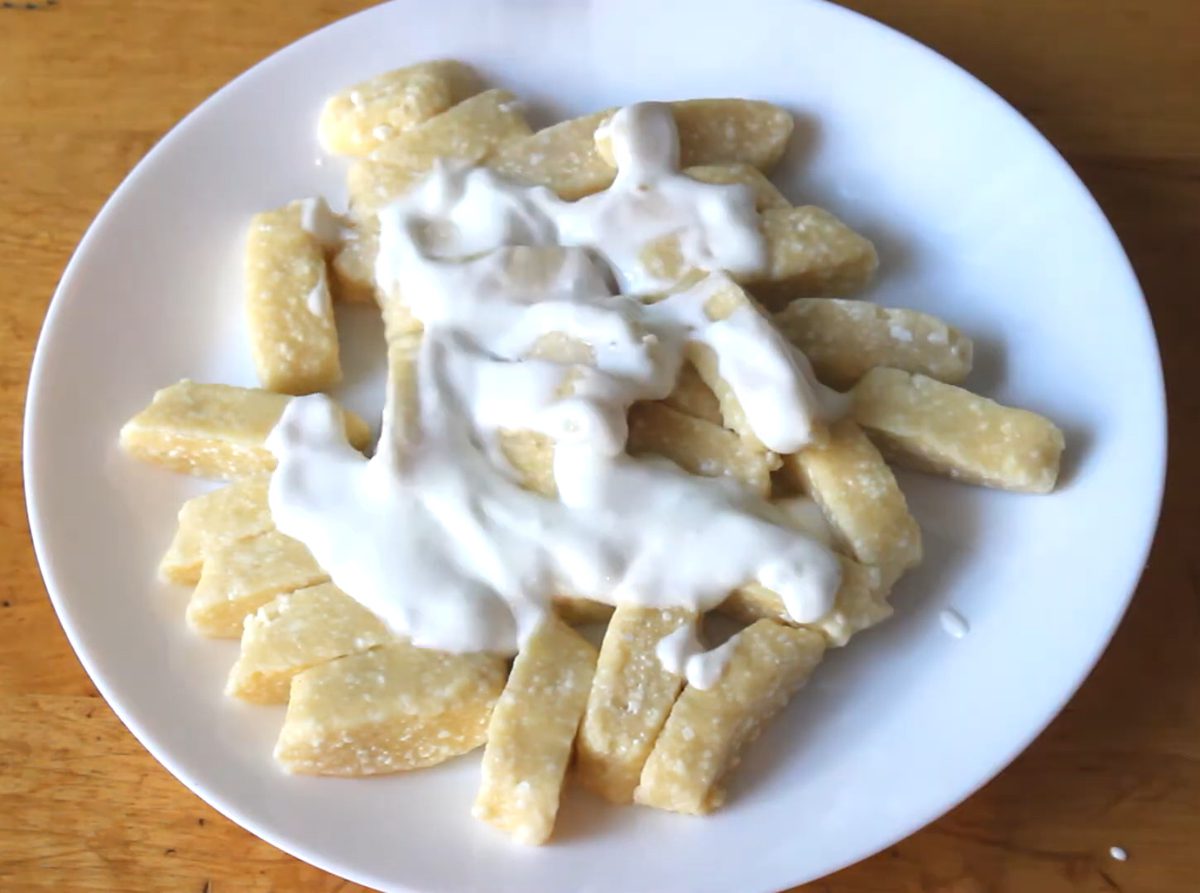
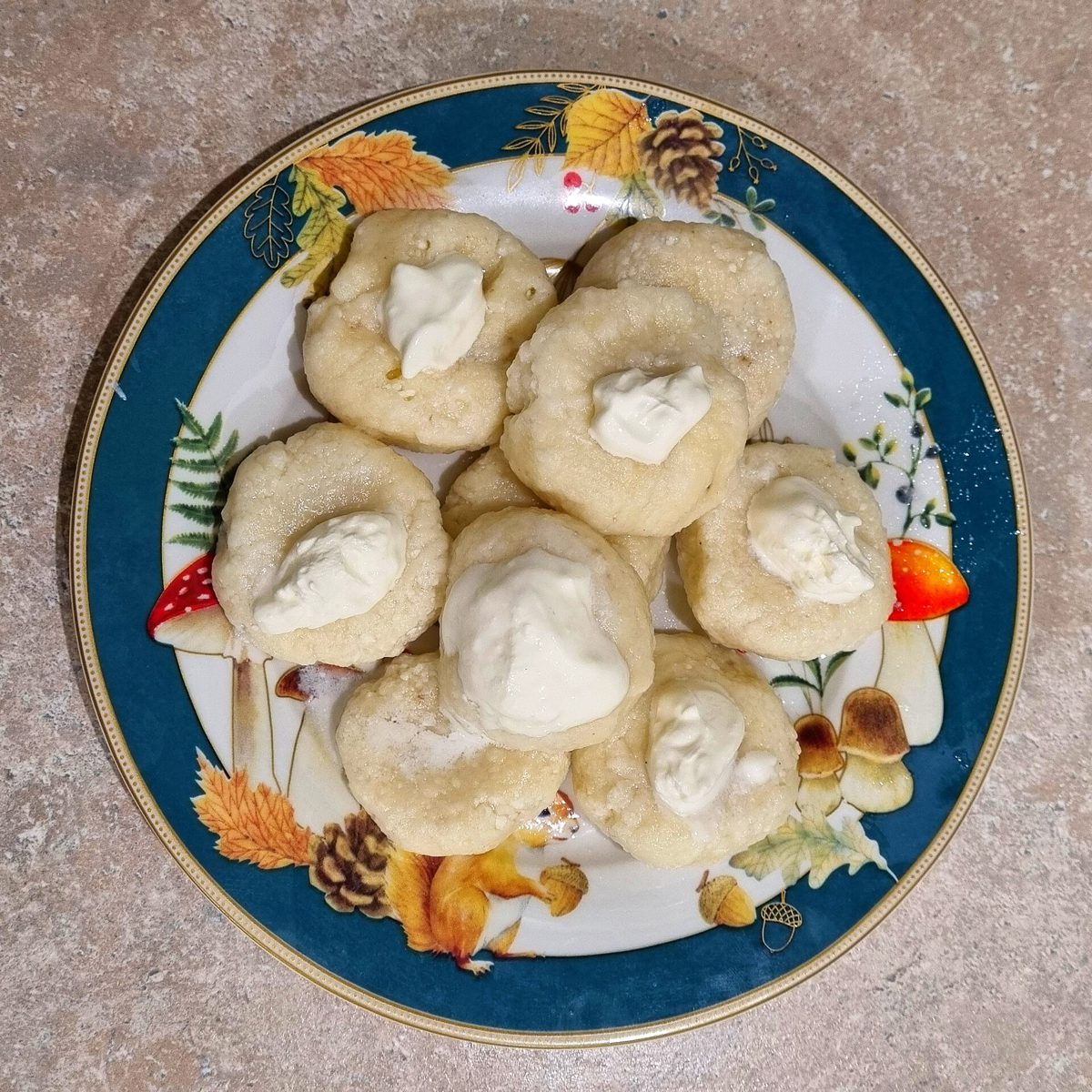
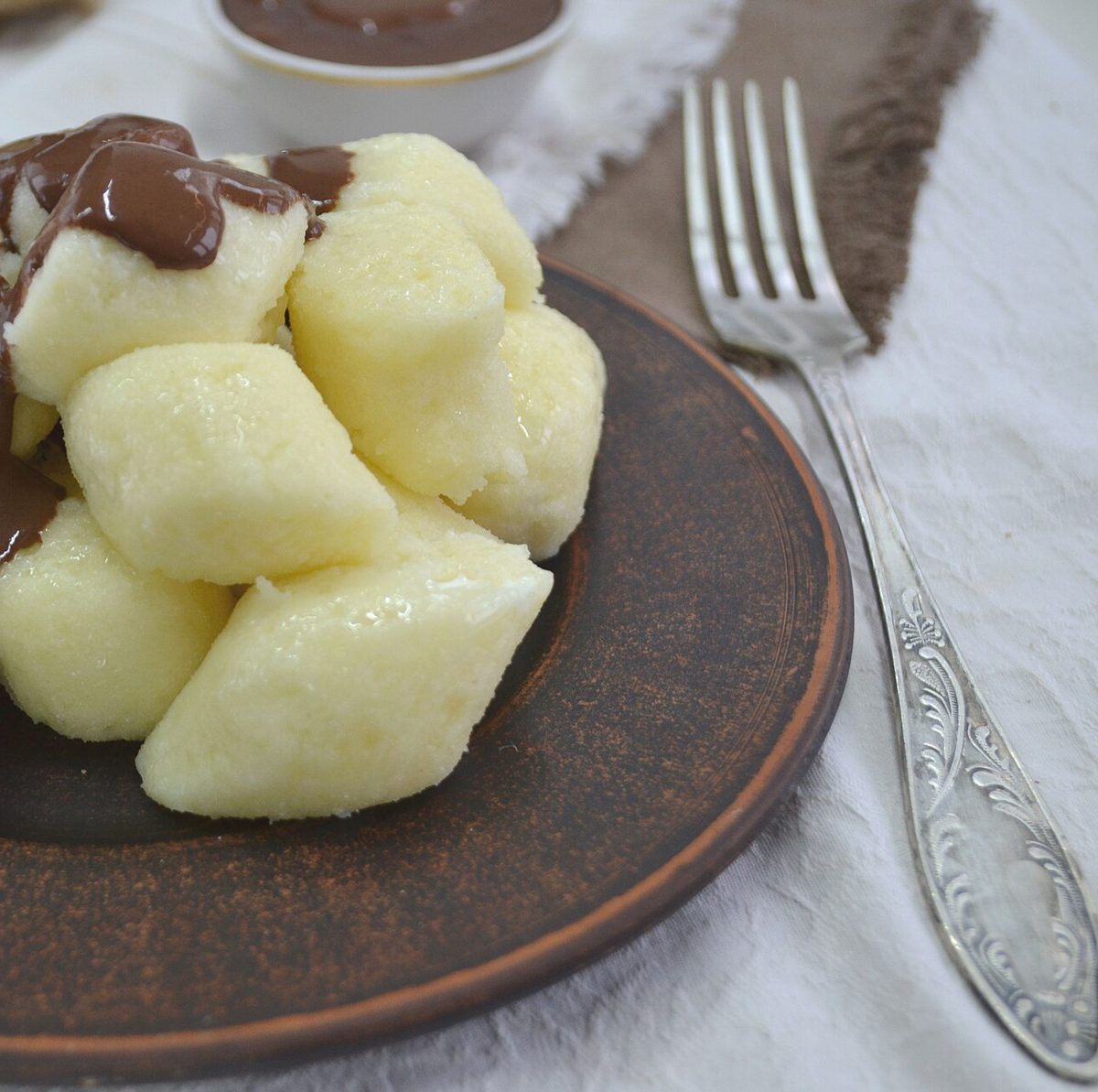
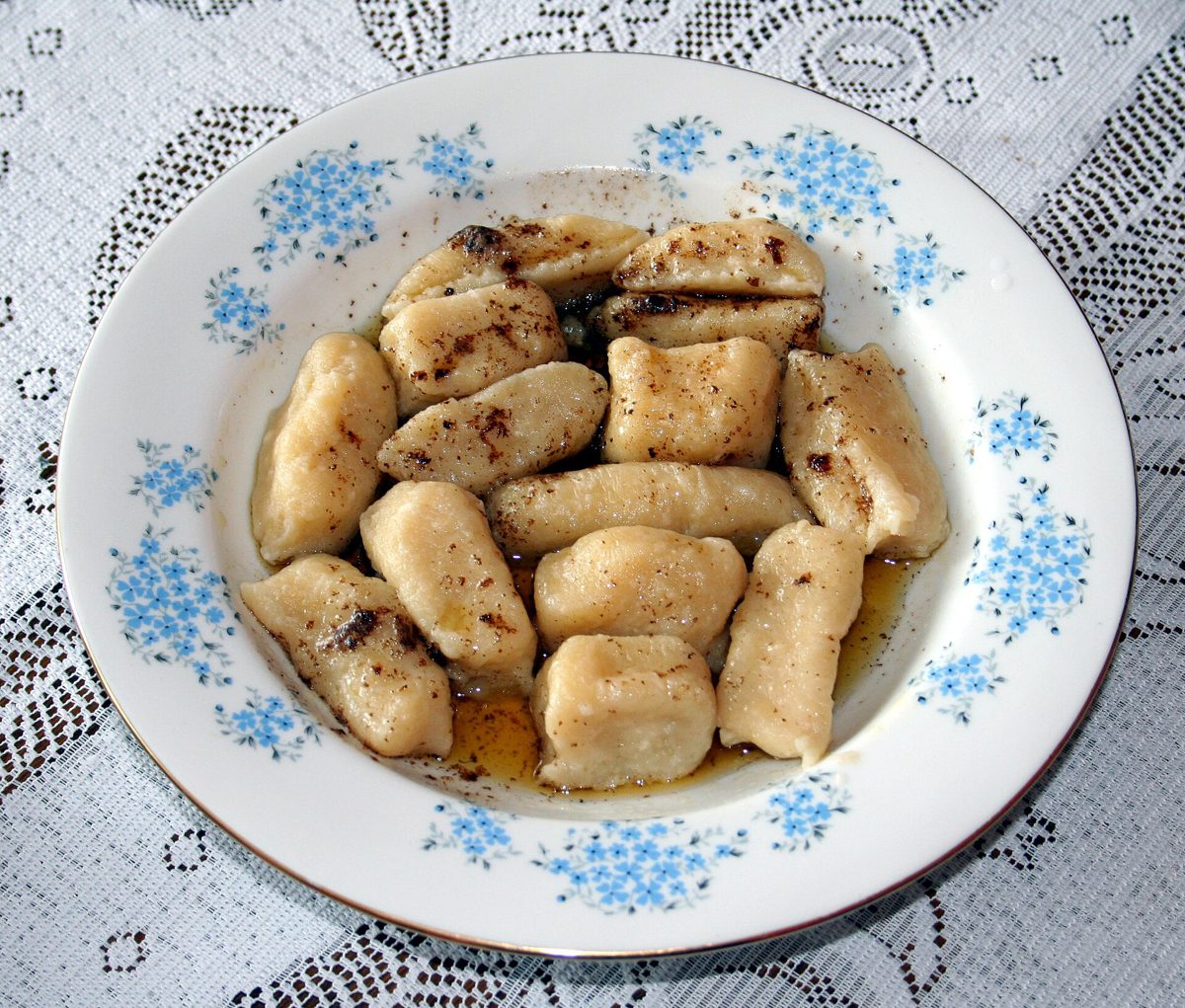
Lazy pierogi, also known as lazy dumplings, are thick dumplings made from cottage cheese, eggs, flour, and sometimes boiled potatoes, cooked in lightly salted water. In Ukraine, they are known as liniwi wareniki. Magdalena Kasprzyk-Chevriaux wrote in 2015 on Culture.pl that "these dumplings, despite their name, have little in common with pierogi except that their ingredients–cottage cheese, eggs, and flour–are similar to those of cheese pierogi. However, they are not filled with anything." There is no need to make separate dough and filling, hence the name "lazy".
In the same text, the author recalls that before 1939, sweet dishes made from flour and cottage cheese were served only as desserts and were called legumins. It was only during the PRL, in a period of permanent crisis, that cheap, floury, and sweet dishes were elevated to the status of lunch. To this day, lazy dumplings are eaten for lunch, often after soup, as well as for afternoon tea or dinner.
Maria Ochorowicz-Monatowa in the "Universal Cookbook" from 1913 provides a recipe for "Lazy Pierogi": a pound of cottage cheese, which "must be well-drained and fresh, not sour," four egg yolks, whipped egg whites, and only two tablespoons of flour. She advised rolling the dough into two logs, flattening them, "scoring a grid with a knife, and cutting diagonal dumplings," and generously pouring them with "butter and browned breadcrumbs." Culinary textbooks also provide a version with boiled potatoes, which is made in many homes. We did not find lazy dumplings on the List of Traditional Products.
Ingredients
Dough (about 50 dumplings)
-
500 g semi-fat cottage cheese (block) (well-drained, not from a cup)
Abroad: USA and Canada: farmer's cheese or dry curd cottage cheese; Germany: Schichtkäse or drained Quark; Austria: Topfen - 3 pcs eggs (size M (or 2 large), about 150 g without shells)
-
120 g wheat flour (type 450 or 500, plus about 30 g for dusting)
Abroad: USA and Canada: all-purpose flour; UK: plain flour; Germany: Type 405 or 550 - ½ tsp salt (about 3 g, plus a pinch for the egg whites)
- 15 g soft butter (not necessarily, if the cottage cheese is lean or semi-fat)
For serving
- 60 g butter
-
40 g breadcrumbs
Abroad: USA: plain dry breadcrumbs; UK: dried breadcrumbs; Germany: Semmelbrösel or Paniermehl - 2 tbsp sugar (about 25 g)
- cinnamon (not necessarily)
Method, step by step
-
First, set the water to boil: a large, wide pot, and when it boils, salt it. Keep it covered on low heat until the dumplings are ready.
-
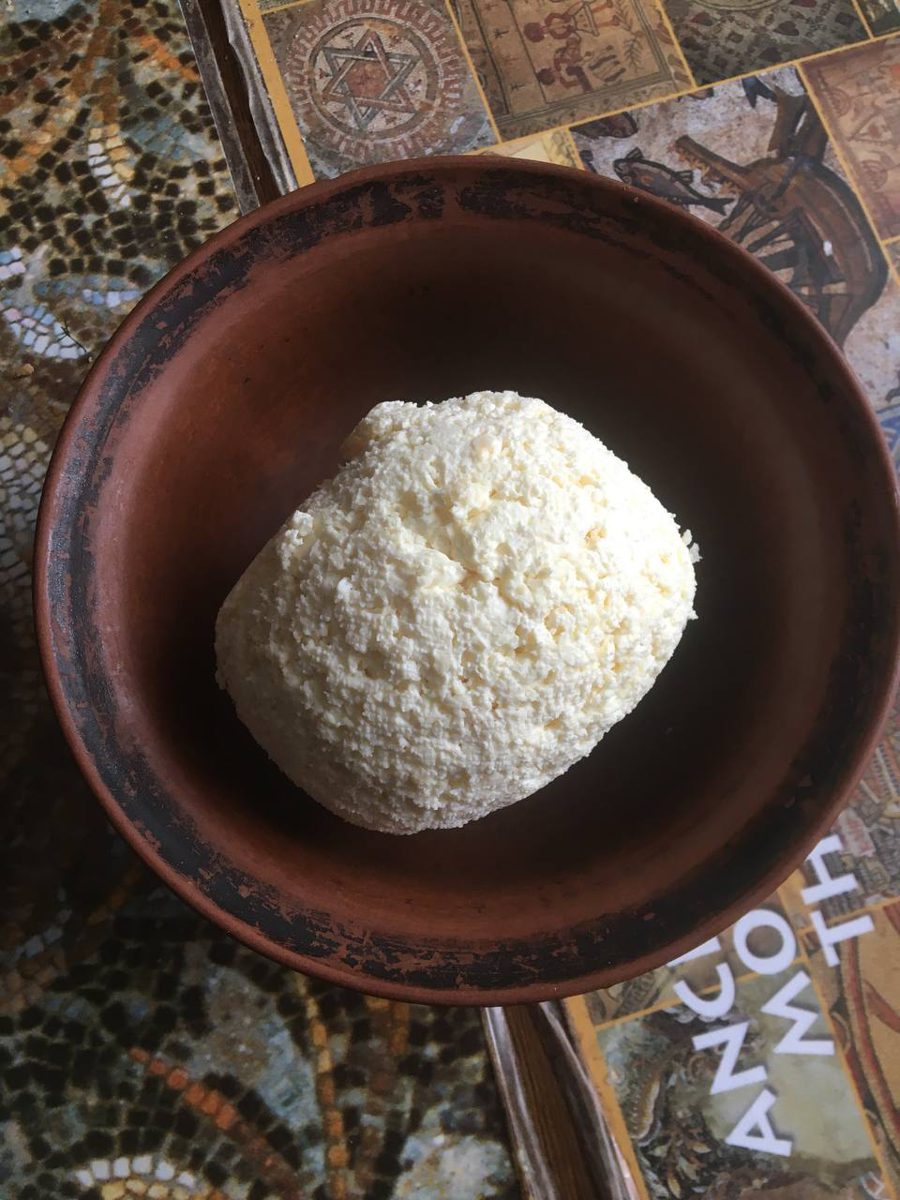
Grind the cottage cheese, press it through a ricer, or pass it through a sieve. You can also mash it with a potato masher; small lumps are fine. The cottage cheese must be firm and dry.
-
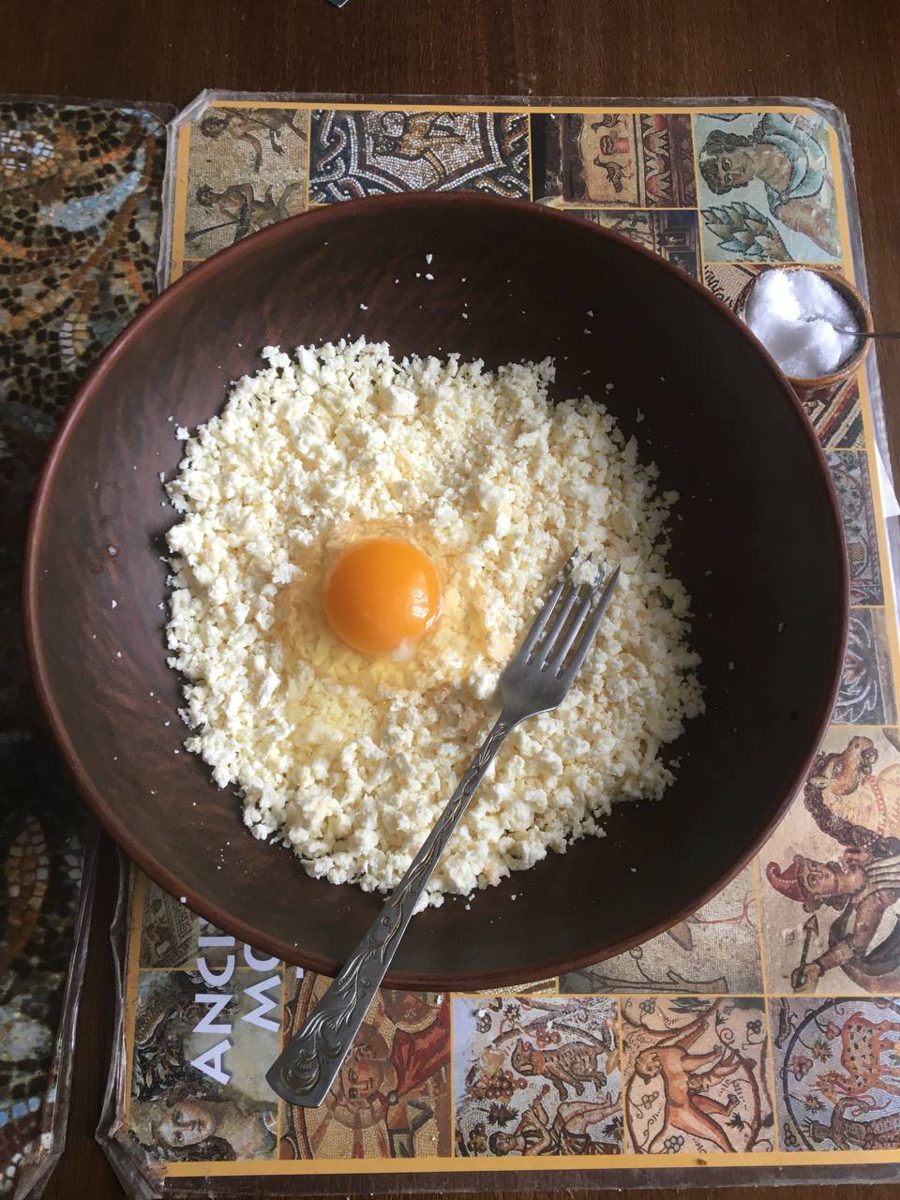
Separate the egg yolks from the whites. Add the yolks, salt, and butter, if using, to the cottage cheese and mix well until the mixture is uniform.
-
Beat the egg whites with a pinch of salt until stiff, but not too long. Stop when the foam looks like thick bath foam. Gently fold it into the cottage cheese with a spatula.
-
Add the flour and mix with a spatula, not by hand, just until combined. The mixture will be sticky. Do not add more flour, as the dumplings will turn out hard.
-
Dust the work surface generously with flour. Divide the mixture into 2–3 parts, sprinkle flour on top as well, and with dry, floured hands, form logs about 3 cm thick. Lightly flatten them if you wish, score a grid with the blunt side of a knife, and cut diagonally with a knife dipped in flour. Place the dumplings on a floured plate.
-
Cook immediately, in batches, in salted water that is just gently bubbling, not boiling.
-
Remove the dumplings with a slotted spoon as soon as they float to the surface, no later than one minute later. Cooking them longer will cause them to fall apart. Drain them well and transfer to a warm plate.
-
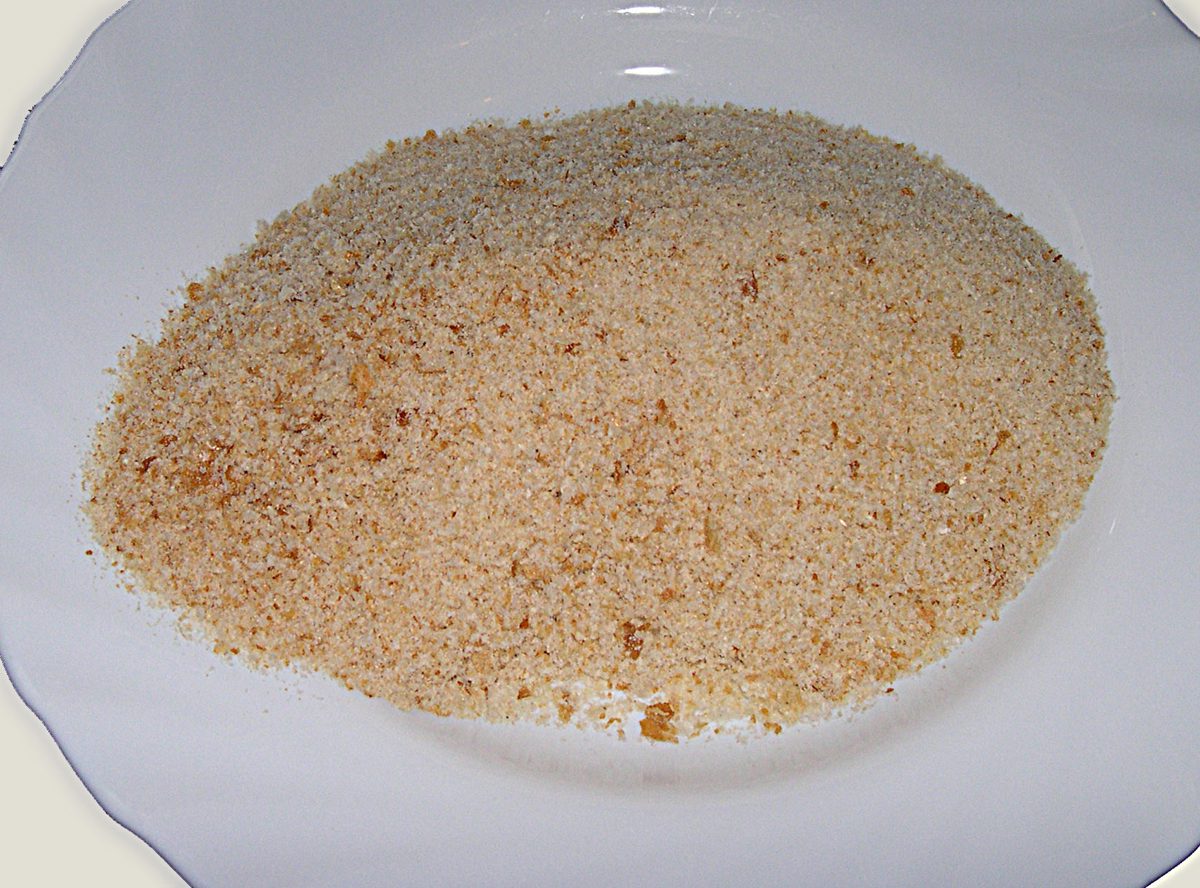
On low heat, melt the butter, add the breadcrumbs, and brown them until golden. Pour them over the dumplings, sprinkle with sugar, and if you like, also with cinnamon. Serve immediately.
Photos