
The story behind the recipe
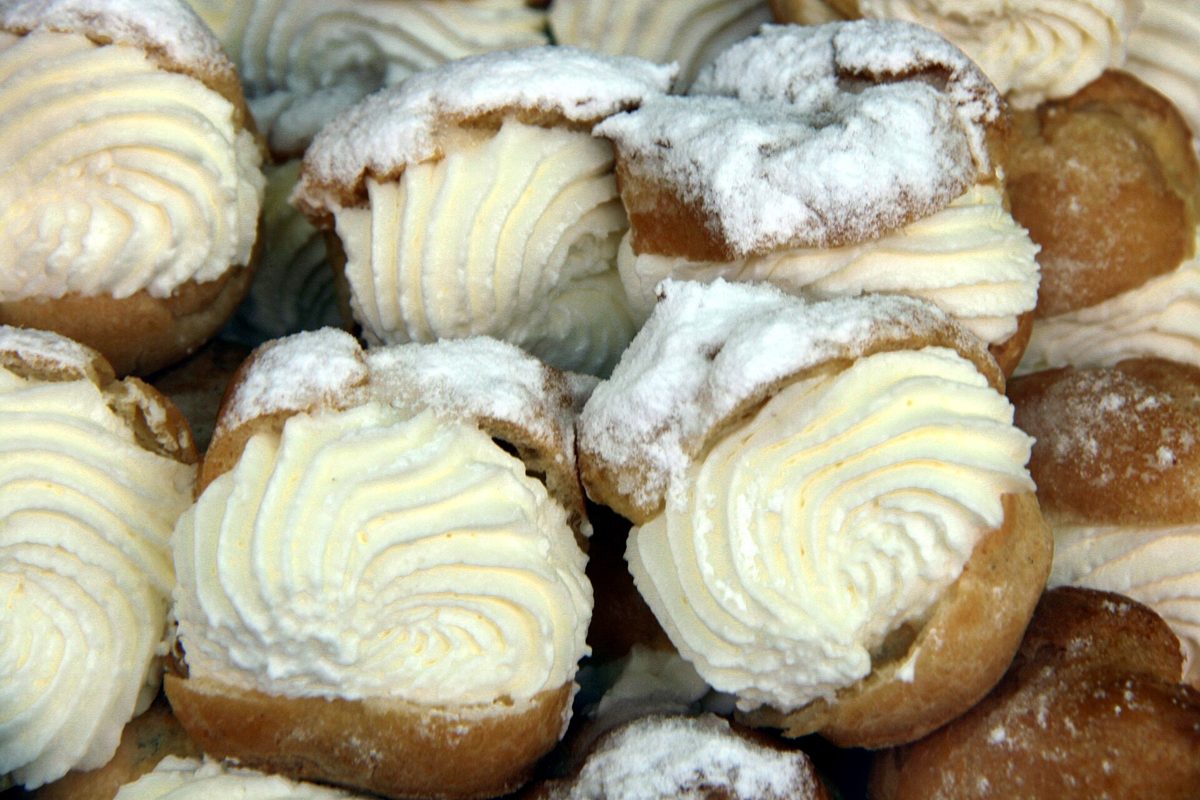
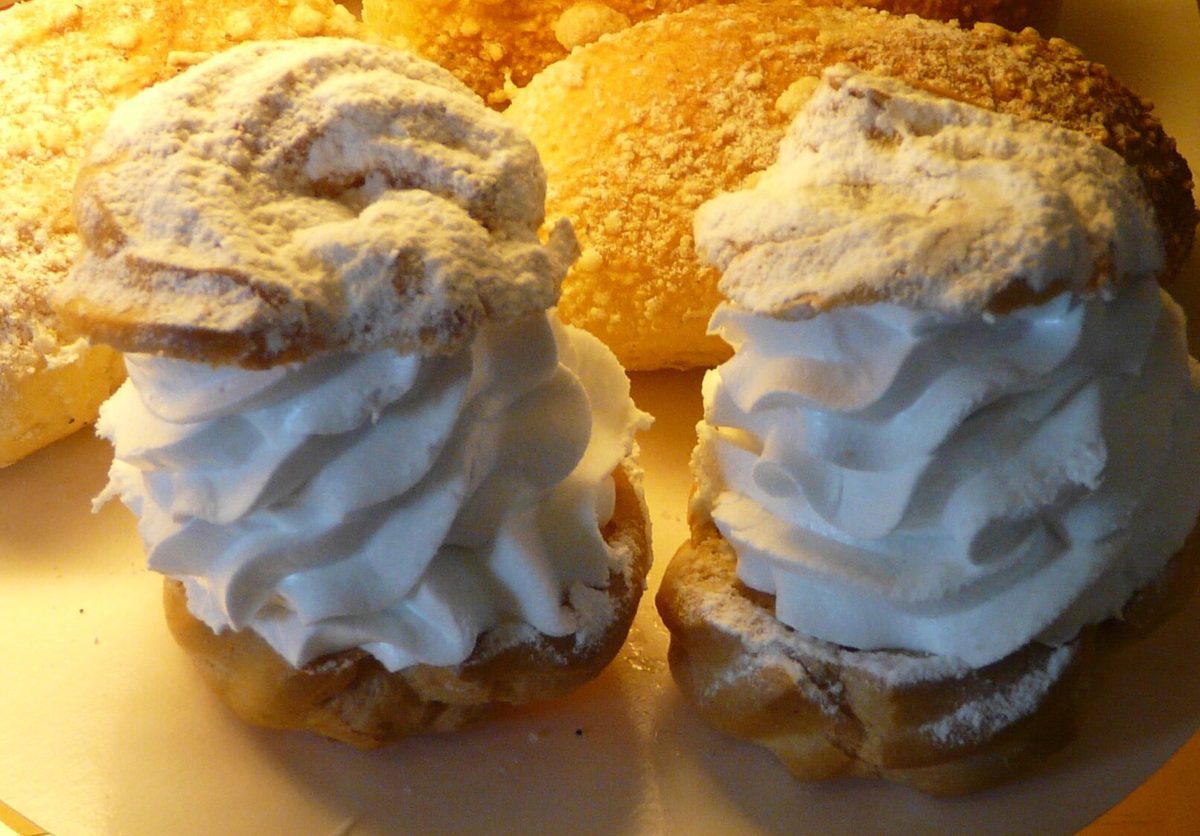
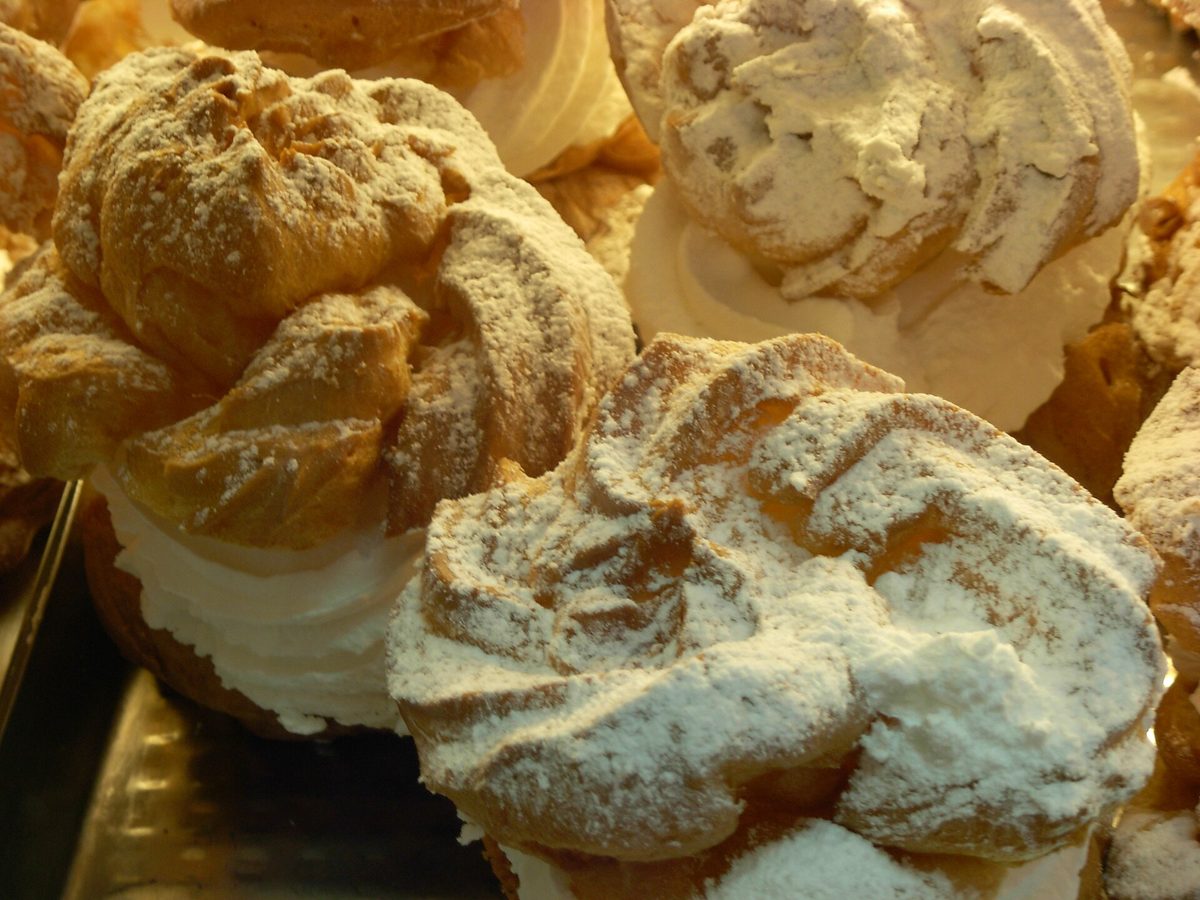
A ptyś is a pastry made from choux dough filled with meringue cream or whipped cream and dusted with powdered sugar. This is how it is described in the textbook "Gastronomic Technology with Commodity Science" by Małgorzata Konarzewska (WSiP, 2011), which adds that choux pastry can also be filled with savory fillings and served instead of pasties or with clear soups. In Greater Poland, a ptyś is called a "wietrznik," from the German Windbeutel. The Wiktionary also states that in Kraków, the word "ptyś" refers to an éclair.
The name comes from French. Choux pastry is called pâte à choux in French, and the finished pastries are called petit chou, which literally means "little cabbage," because they resemble a small head of cabbage. According to a text by Magdalena Kasprzyk-Chevriaux in "Gazeta Wyborcza" from 2015, the Polish pronunciation "pti szu" eventually evolved into "ptyś." The French call them chou à la crème. There is also another explanation: according to some English-language sources, the name pâte à choux is considered a mispronunciation of pâte à chaud, meaning "hot dough."
It is not certain who invented choux pastry, and sources vary. Polish studies attribute the recipe to 18th-century confectioners Jean Avice and Marie-Antoine Carême. English-language sources are more cautious: similar dough was described in English, German, and French cookbooks in the 16th century, and Avice and Carême in the 18th century modified the recipe into the one used today. The often-repeated story that the dough was invented in 1540 by the cooks of Queen Catherine de' Medici appears only in the writings of pastry chef Pierre Lacam from the 1890s and is considered a legend.
Ingredients
Choux pastry (16–18 puffs)
- 250 ml water
-
110 g butter
Abroad: unsalted butter; Germany: Süßrahmbutter -
170 g cake flour (type 450)
Abroad: USA and Canada: all-purpose flour; UK: plain flour; Germany: Type 405 - 4 pcs large eggs (at room temperature)
- salt (a pinch)
Whipped cream
-
500 ml heavy cream 30–36% (well chilled; can be half 30% and half 36%)
Abroad: USA: heavy cream or heavy whipping cream (at least 36%); Canada: whipping cream (33–36%); UK: whipping cream (35%) or double cream (48%); Germany: Schlagsahne (at least 30%) or -
3 tbsp (about 21 g) powdered sugar (up to 4 tablespoons, to taste)
Abroad: powdered sugar / icing sugar; Germany: Puderzucker -
1 tsp (5 ml) vanilla paste (or seeds from 1 vanilla bean, can be omitted)
Abroad: vanilla bean paste or vanilla extract
To serve
-
powdered sugar (for dusting)
Abroad: powdered sugar / icing sugar - oil (a little to grease the paper)
Method, step by step
-
Take the eggs out of the fridge in advance so they reach room temperature, and place the cream and the mixing bowl in the fridge. Line a baking sheet with good parchment paper and lightly grease it with oil, then wipe off the excess with a paper towel, as puffs tend to stick to weaker paper.
-
Pour water into a medium pot, add butter and a pinch of salt. Heat until the butter is completely melted, and only then bring it to a boil.
-
Remove the pot from the heat, add all the flour at once, and immediately stir vigorously with a wooden spoon. Place the pot back on very low heat and stir for another 1–3 minutes, until the mixture is smooth and glossy, starts to pull away from the sides, and a thin film remains on the bottom. Keep stirring to prevent burning.
-
Transfer the mixture to a metal bowl and let it cool until it is no more than lukewarm: you should be able to hold your finger in it comfortably for a few seconds, meaning below 52°C (125°F). Meanwhile, preheat the oven to 200°C (400°F), top and bottom heat, for at least 20 minutes.
-
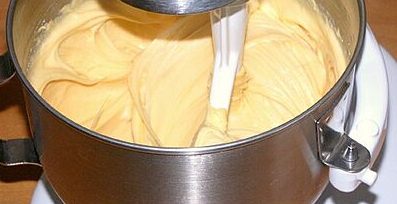
Crack in one egg and mix with a mixer, whisk, or wooden spoon until it is fully incorporated into the dough. Add the next egg only when the previous one has disappeared into the mixture. At first, the dough may look curdled; after the last egg, it should be smooth, shiny, and thick enough that it flows very slowly from a spoon.
-
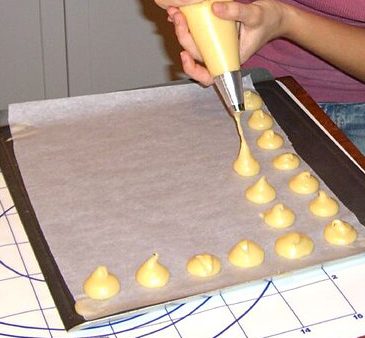
Transfer the dough to a piping bag fitted with a large star tip. Pipe round mounds about 4.5–5 cm (1¾–2 inches) in diameter onto the baking sheet, leaving about 5 cm (2 inches) of space between them, as the dough rises significantly. If everything doesn't fit on one sheet, keep the remaining dough in the piping bag and pipe it only after removing the first batch.
-
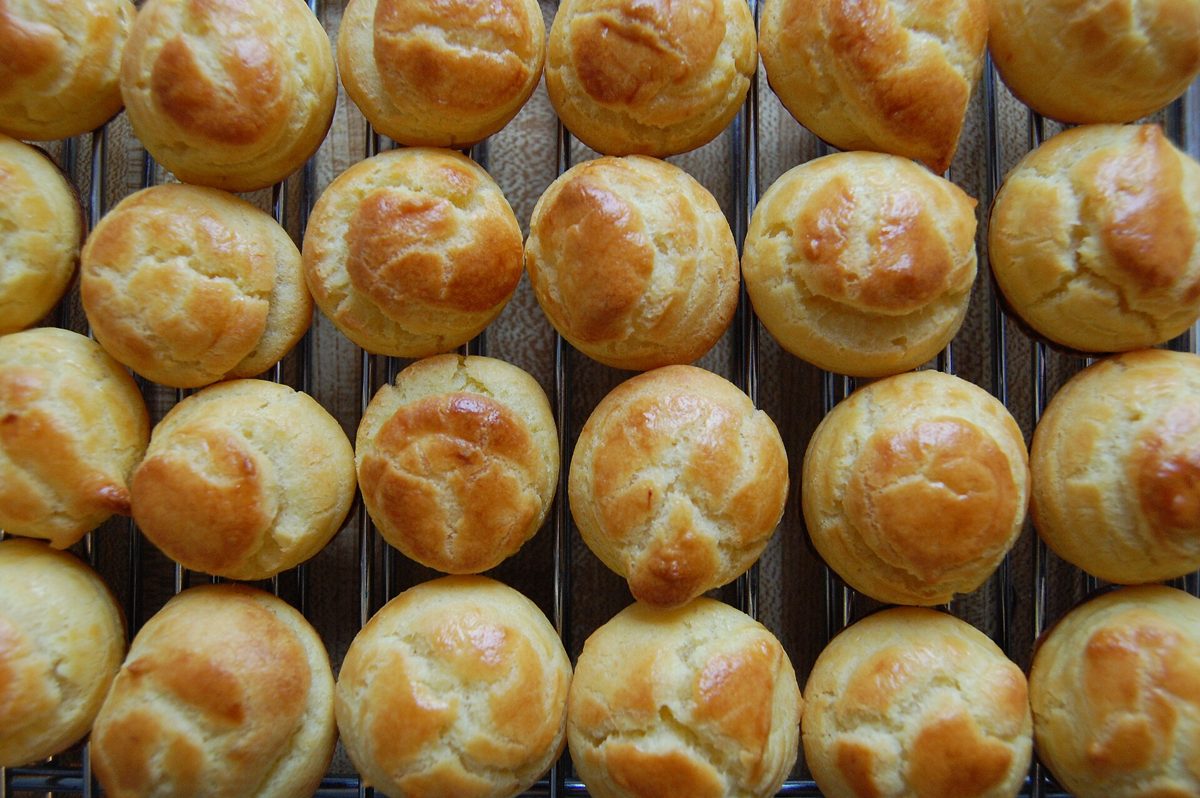
Place the baking sheet on the middle rack and bake for 25–30 minutes, until the puffs have risen and are golden. In a small oven, set to 190°C (375°F). Do not open the door during baking, as the puffs will collapse.
-
Remove the puffs and place them on a rack to cool completely. A method from King Arthur Baking: right after removing, cut each puff on the side with a sharp knife to let the steam escape, and return them to the oven for 5 minutes before cooling.
-
Chill the cream in the freezer for another 20–30 minutes, along with the mixer beaters. Whip in a tall container on the highest speed until it starts to thicken, then add the powdered sugar and vanilla, and whip for just a moment, at most a minute, until fluffy. Do not whip too long, as it will turn into butter.
-
Shortly before serving, cut each puff in half across. Pipe a thick layer of whipped cream onto the bottom halves, cover with the top halves, and dust with powdered sugar.
Photos
Comments (0)
No comments yet. Be the first!