
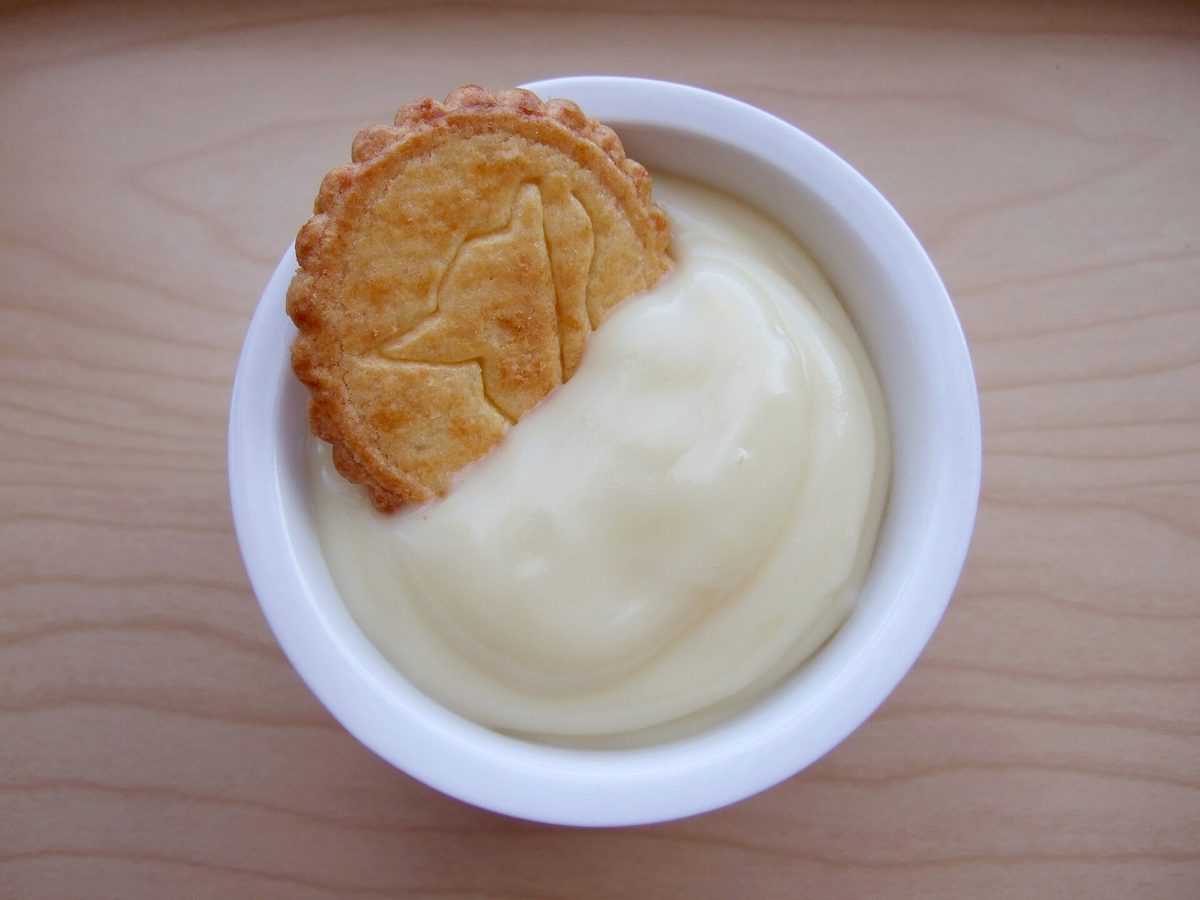
The story behind the recipe
The Great Dictionary of the Polish Language describes pudding as a sweet dessert with a thick consistency made from milk and potato starch, flavored with vanilla or cocoa. Most of us know it from a packet. According to ingredient lists collected in the Open Food Facts database, a packet of vanilla pudding contains potato and corn starch, flavoring, and coloring, most often carotenoids, sometimes a bit of vanilla extract; eggs are not included, and milk and usually sugar are added at home. Homemade pudding is made with the same basic ingredients, but with real vanilla and usually with egg yolks, which give it color and a fuller flavor.
The word itself is relatively young in our language. Linguist Kamil Stachowski notes in an article in "Polonistyka" that the earliest known records date back to 1803 and 1805, with the first exact recipes from J. J. Szczepański's book from 1822. It includes "Pudding or so-called Koch for children": half a pound of flour with cream, sugar, and salt, cooked while stirring continuously "until thickened", but also English puddings cooked in a cloth. Throughout the 19th century, pudding referred to very different dishes: Marciszewska in 1878 lists 22 recipes, both sweet and savory, made from rice, potatoes, fish, or cabbage. The Polonist service states that pre-war puddings resembled a cake with a chimney and were cooked in a closed form submerged in hot water. According to Stachowski, it was only in the second half of the 20th century that the name narrowed down to the dessert, which was also called milk jelly.
The origin of the word itself is uncertain, as sources vary. The PAN dictionary points to the Italian "budino", while Stachowski believes pudding was borrowed from the English "pudding", less likely from the German. He also mentions that in the 19th century in the United States, thick puddings began to be made with starch instead of yolks, resulting in a dessert very similar to our pudding, and pudding powders appeared in Germany at the end of the 19th century, for example, by Dr. Oetker in 1894. In the Polish cookbook by Kiewnarska from 1941, there are already advertisements for pudding powder.
Ingredients
Pudding
-
500 ml milk 3.2% (350 ml for cooking and 150 ml cold)
Abroad: whole milk; Germany: Vollmilch 3.5% - 2 pcs egg yolks
- 3 tbsp (about 38 g) sugar
-
3 tbsp (about 29 g) potato starch (level tablespoons)
Abroad: potato starch; Germany: Kartoffelstärke; possibly cornstarch (UK: cornflour) -
0.5 pc vanilla bean (up to 1 bean)
Abroad: vanilla bean; Germany: Vanilleschote; instead of half a bean, 1/2 tablespoon vanilla extract - 1 tsp (about 5 g) butter
- 1 pinch salt
To serve
- raspberry juice, raspberry jam, or fruits (for serving)
Method, step by step
-
Cut the vanilla bean lengthwise with a sharp knife and scrape out the seeds with the back of the knife. You will use both the seeds and the empty pod for the milk.
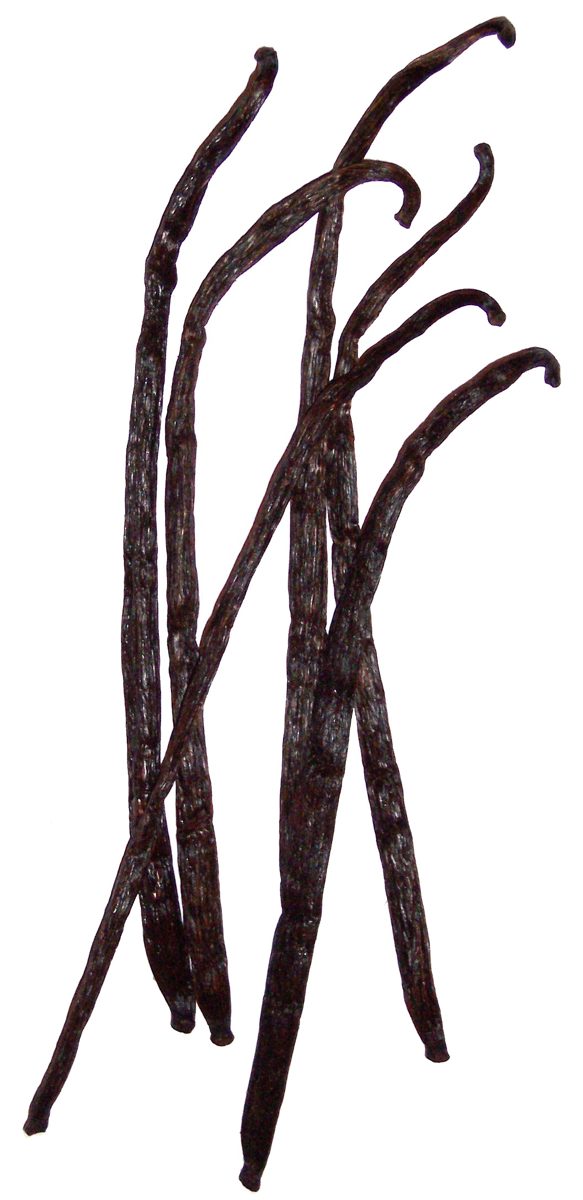
-
In a pot with a thick bottom, pour in 350 ml of milk, add the seeds and the vanilla pod, and heat over medium heat until the milk starts to boil. Keep an eye on it, as it can easily boil over.
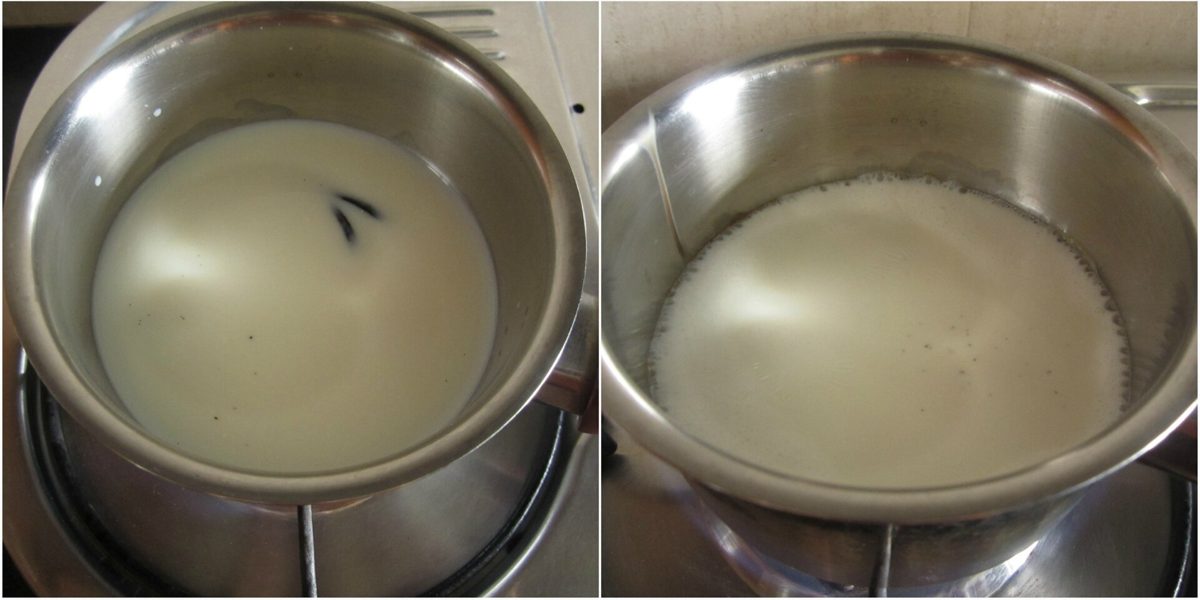
-
Meanwhile, in a bowl, whisk the egg yolks with the sugar and a pinch of salt with a whisk or spoon until smooth and lighter in color.
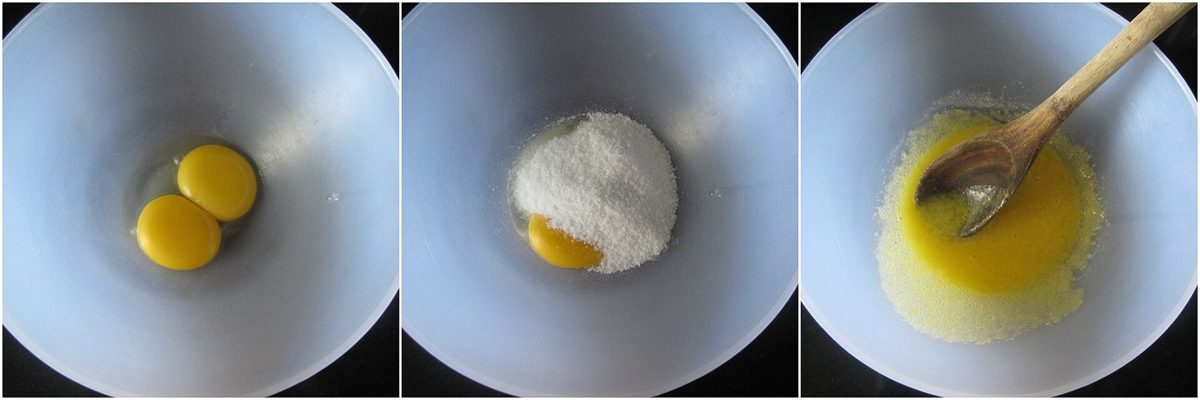
-
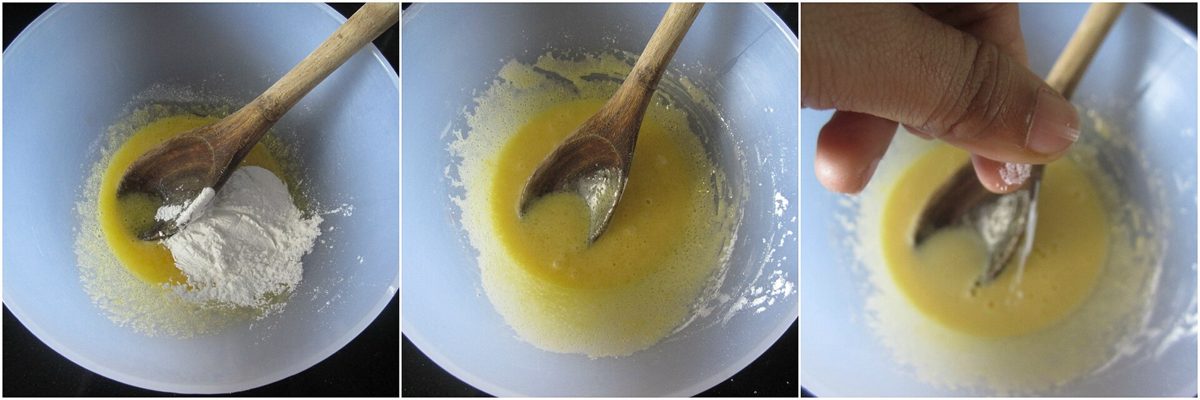
Add the potato starch to the yolks and mix well, then gradually pour in the remaining 150 ml of cold milk, stirring until the mixture is completely smooth, without lumps of starch. Just before pouring it into the pot, stir it again, as the starch settles at the bottom.
-
When the milk comes to a boil, remove the vanilla pod. Reduce the heat, pour the yolk mixture into the milk in a thin stream, and whisk vigorously the whole time, also at the bottom and edges of the pot.
-
Cook, stirring constantly, until the pudding noticeably thickens, and the first bubbles start to rise and burst on the surface, about a minute after boiling. Do not stop stirring, as the pudding can stick and burn at the bottom.
-
Remove the pot from the heat and stir in a teaspoon of butter until it melts: the pudding will be smoother and shinier.
-
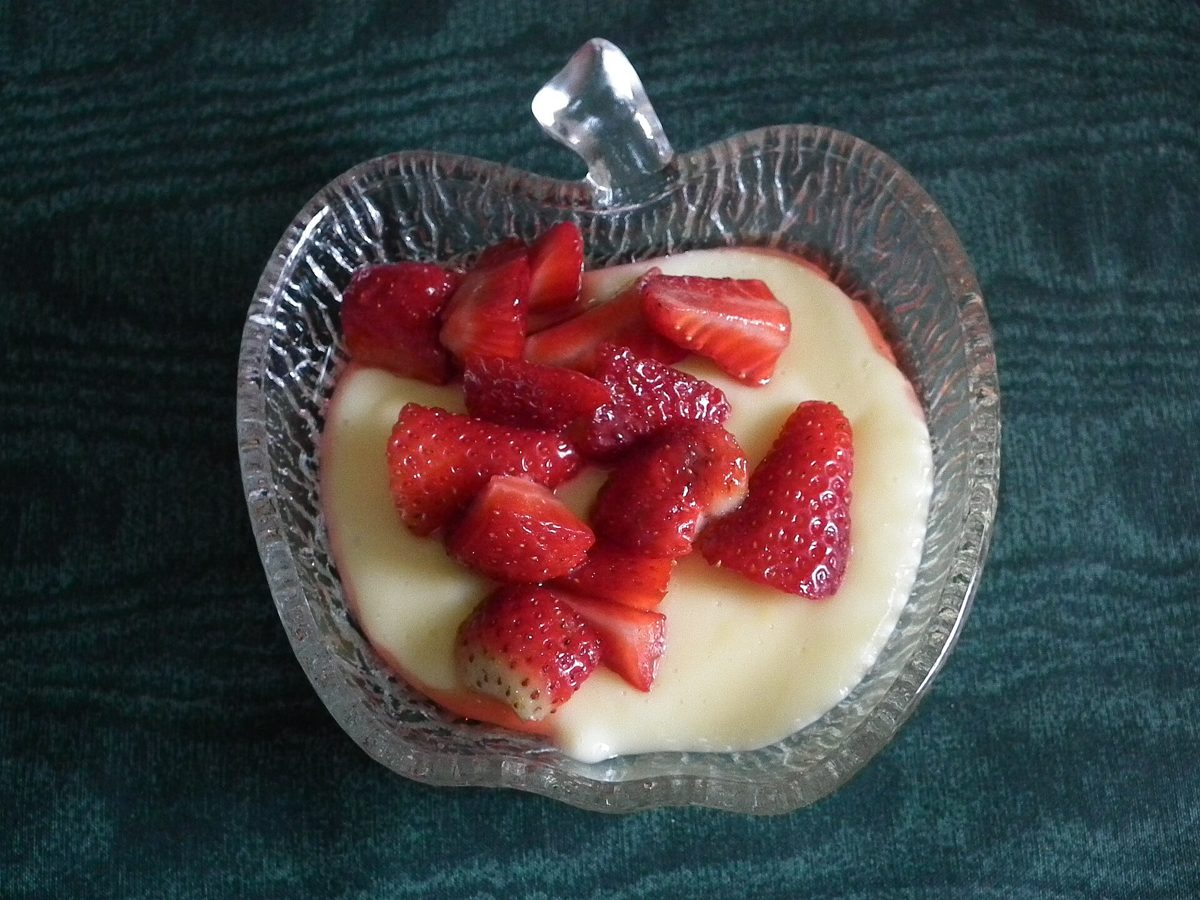
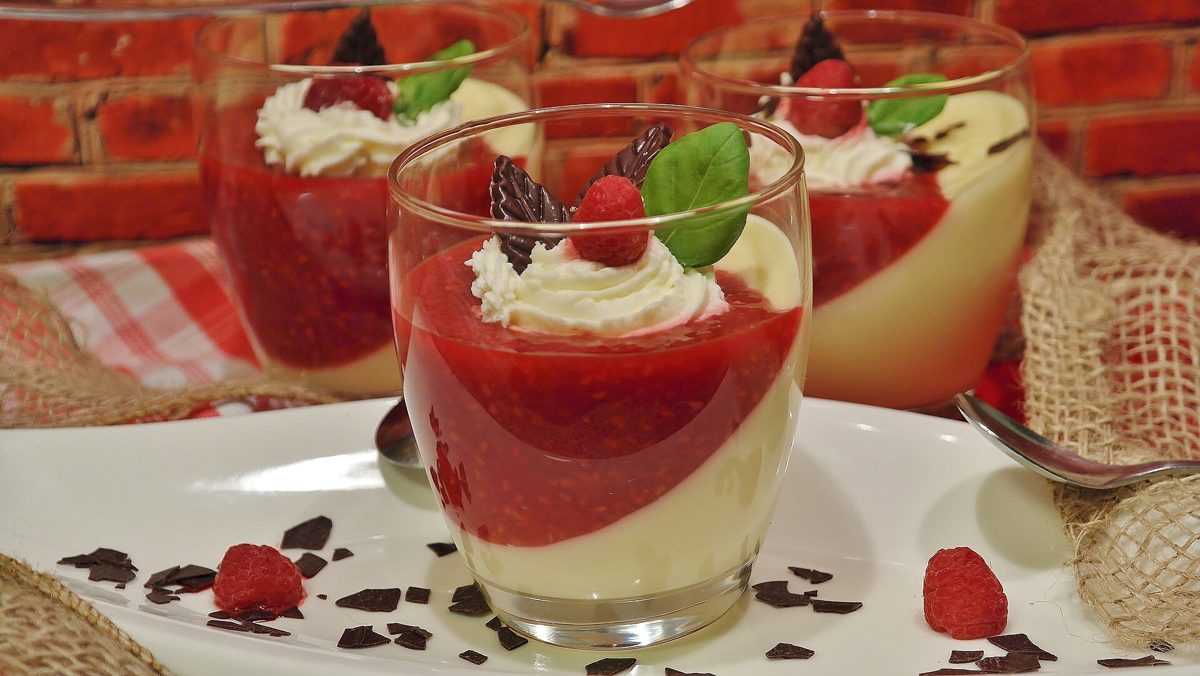
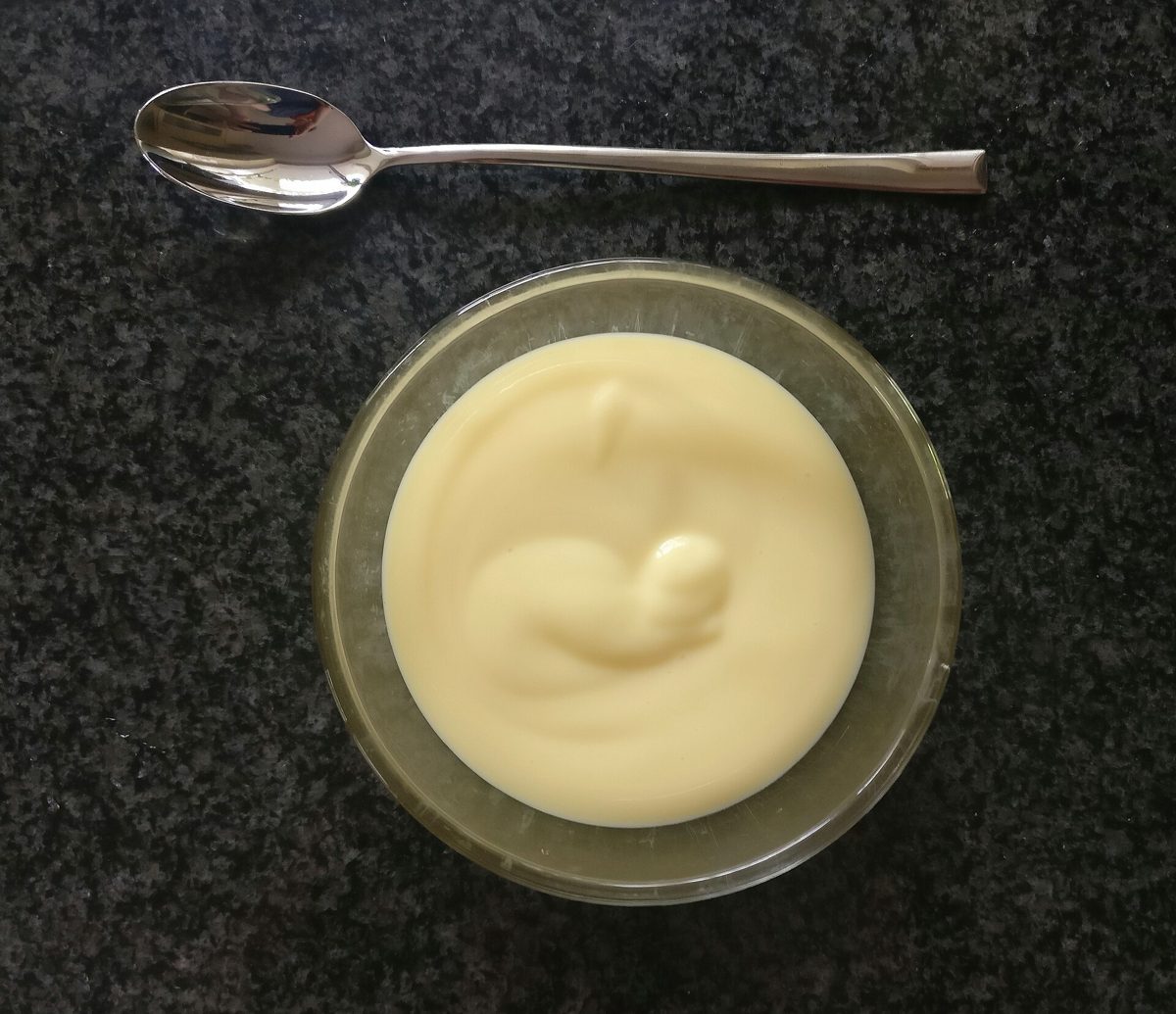
Immediately pour the pudding into 4 bowls or cups. Serve warm with raspberry juice, jam, or fruits. If it is to be served cold, cover each portion with plastic wrap touching the surface, cool, and refrigerate.
Photos
Comments (0)
No comments yet. Be the first!