
The story behind the recipe
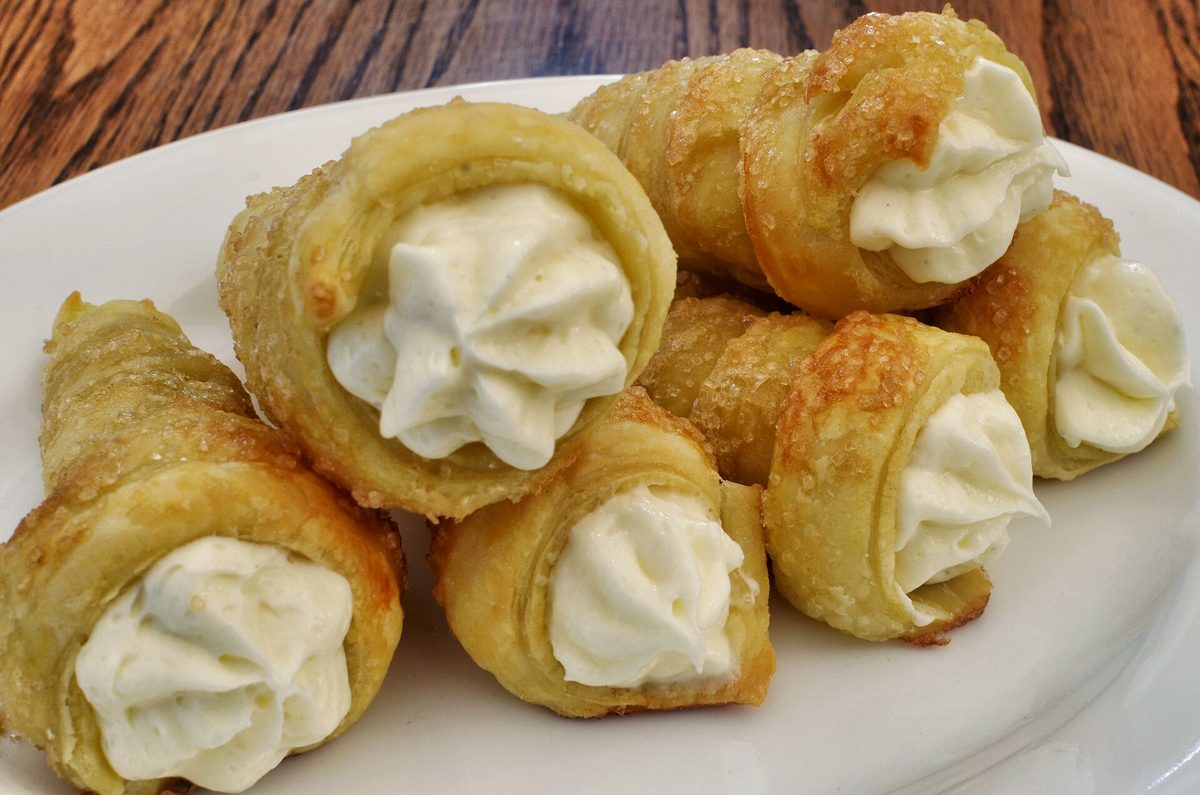
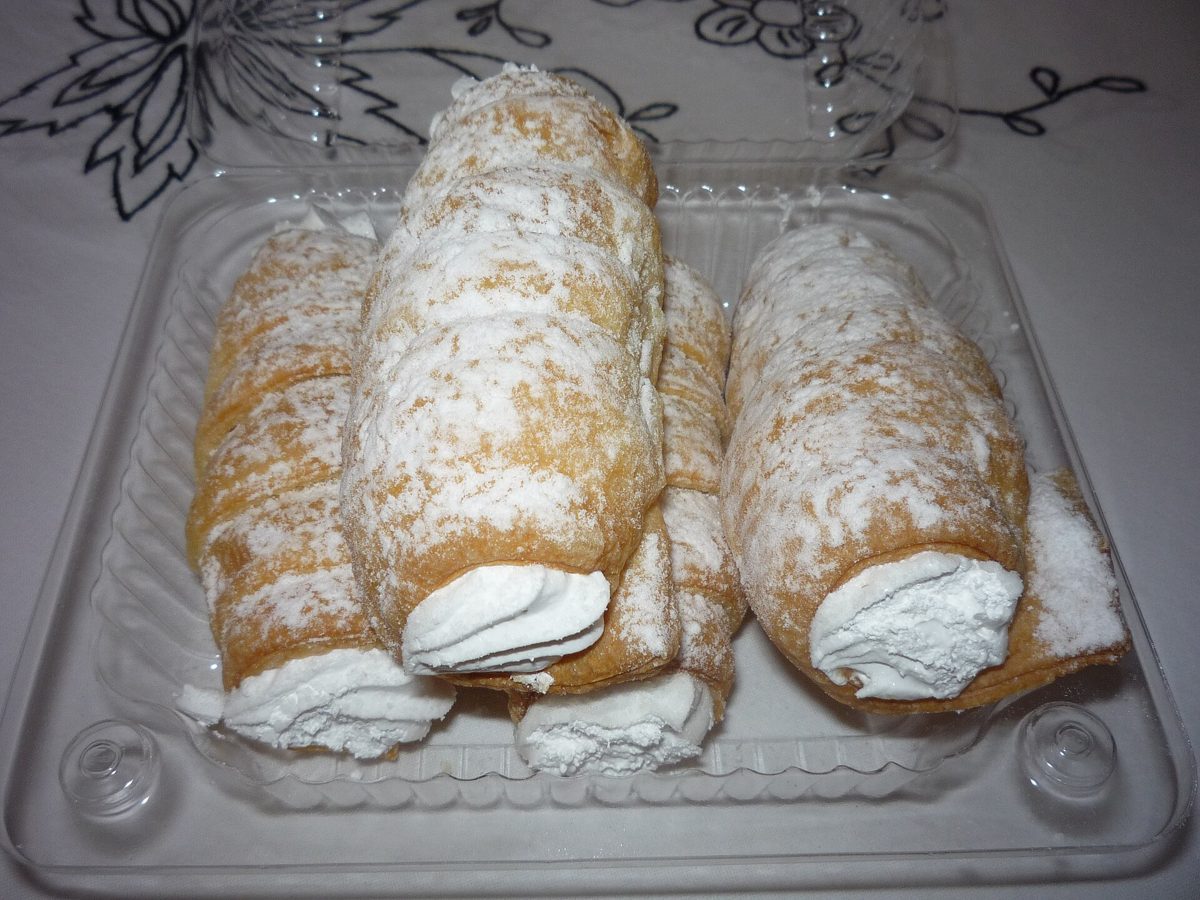
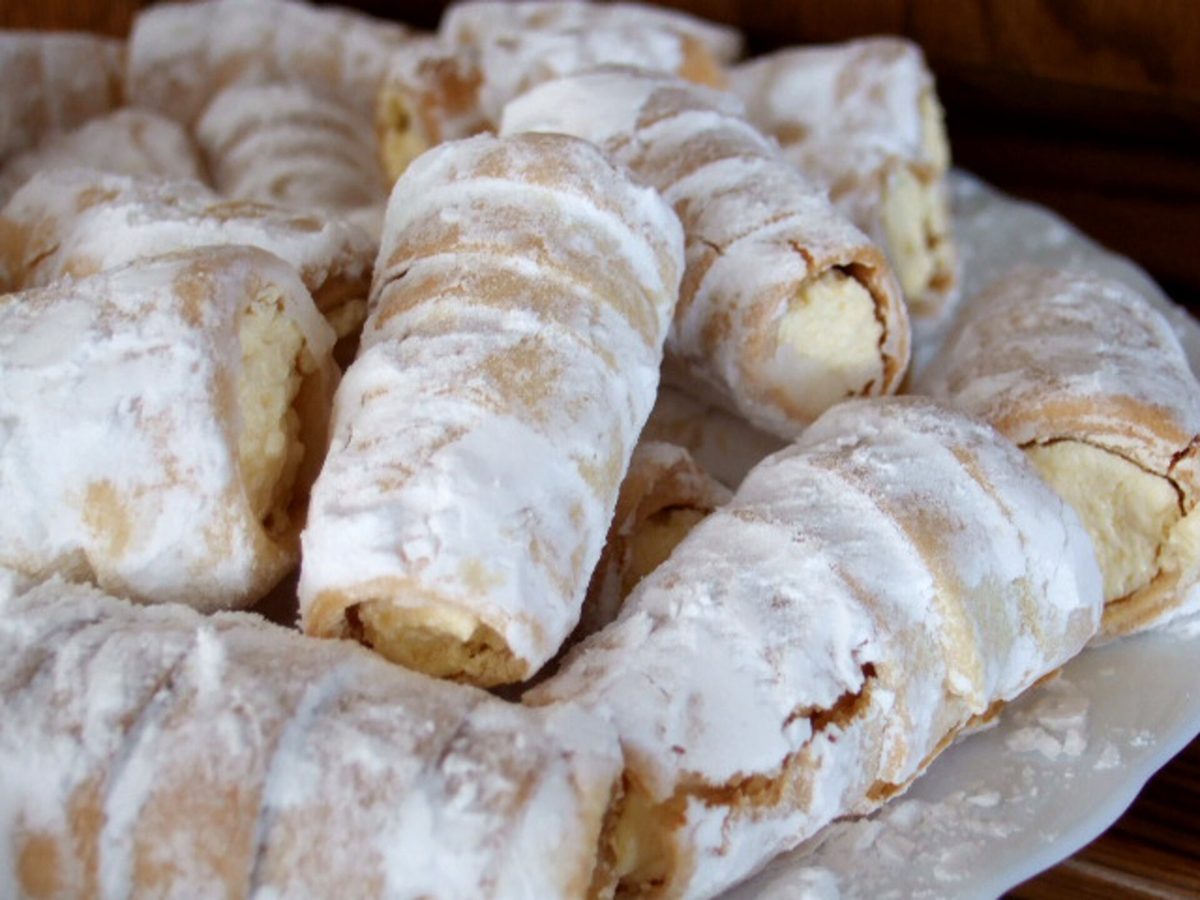
Rurka z kremem is a pastry made from crispy dough, usually puff pastry, rolled into a cone or a straight tube and filled with sweet filling, most often whipped cream, sometimes jam. The dessert likely originates from Austria, but this is not certain. In Polish cuisine, 'rurka' refers to both a pastry made from puff or shortcrust pastry and a narrower wafer tube.
Similar pastries are known throughout Central Europe. In Austria, they are called Schaumrollen, and in Germany, Schillerlocken: the name derives from a portrait of Friedrich Schiller with lush curls, painted by Anton Graff between 1786 and 1791. Czech kremrole, according to a Czech tourism organization, are offered in almost every pastry shop, with recipes passed down from mother to daughter, and no wedding is complete without them. They are filled with meringue made from egg whites cooked with syrup or whipped cream. In America, they are referred to as cream horns, and in Pittsburgh, they are called 'Lady Locks'.
In Poland, tubes filled with whipped cream have been sold by pastry shops and ice cream stands for decades, often in a wafer version. When puff pastry tubes appeared in Polish pastry shops, it could not be determined.
Ingredients
Tubes (about 20 pieces)
-
2 packages ready-made puff pastry (2 sheets from the refrigerator)
Abroad: USA: frozen puff pastry sheets, thawed; UK: ready-rolled puff pastry; Germany: Blätterteig - 15 g butter (for greasing the molds)
- 1 pc egg (for brushing)
- 2 tbsp (30 ml) milk (for the egg)
- 3 tbsp (about 38 g) fine sugar (for coating; can be brown)
- wheat flour (a little for dusting)
Cream
-
500 ml heavy cream (30–36%) (very cold)
Abroad: USA: heavy cream; UK: double cream; Germany: Schlagsahne -
3 tbsp (about 21 g) powdered sugar
Abroad: USA: powdered sugar; UK: icing sugar; Germany: Puderzucker - vanilla (a bit of seeds or paste, can be omitted)
Or protein cream (instead of cream)
- 4 pcs egg whites (from large eggs)
- 250 g sugar
- 3 tbsp (45 ml) water
-
1 tsp (5 ml) citric acid
Abroad: USA and UK: citric acid; Germany: Zitronensäure -
1 package vanilla sugar
Abroad: Germany: Vanillezucker; USA and UK: 1/2 teaspoon vanilla extract
For serving
- powdered sugar (for dusting)
Method, step by step
-
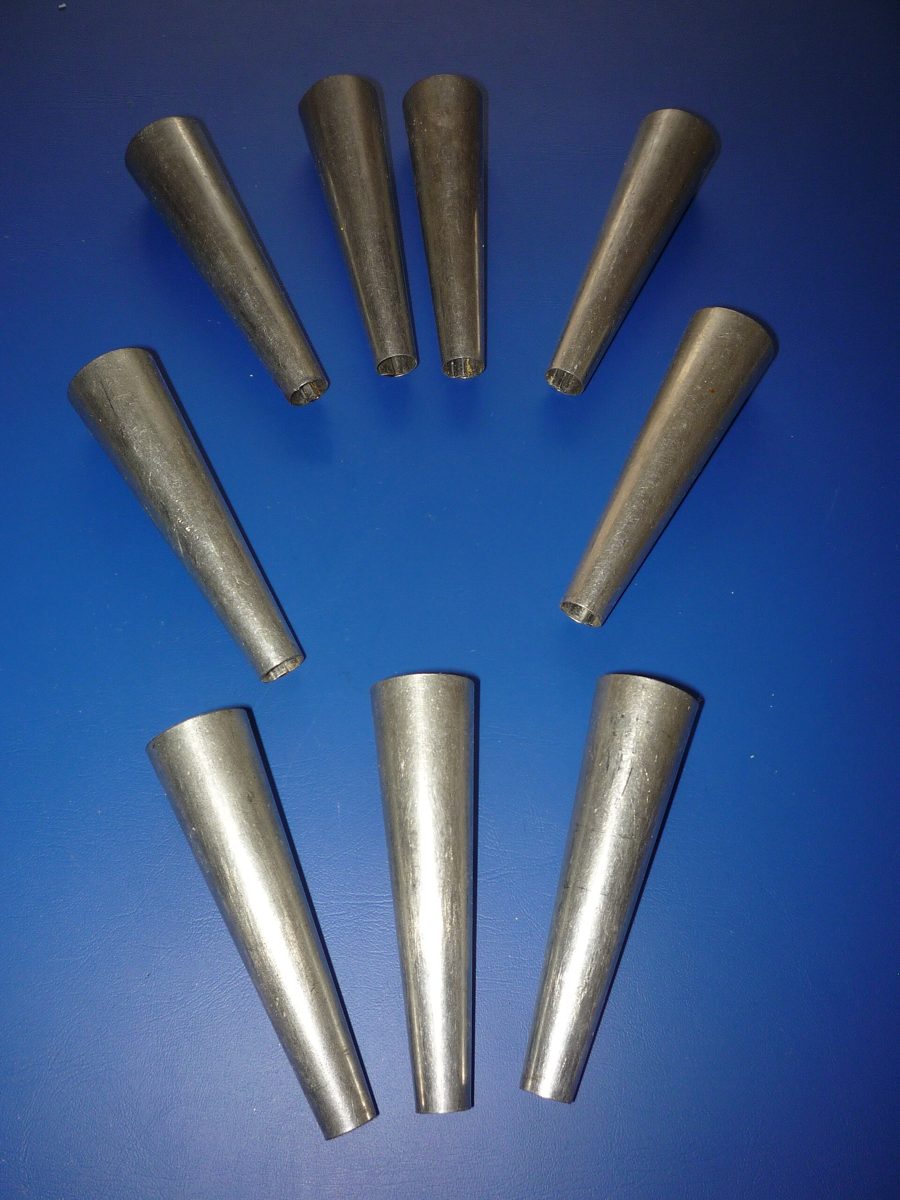
Preheat the oven to 200°C (400°F) with top and bottom heat or to 185°C (365°F) with convection. Line a baking sheet with parchment paper. Lightly grease the outside of the metal molds with butter; if you have fewer than 20, bake the tubes in batches.
-
Roll out the puff pastry sheet on a lightly floured surface and gently roll it with a rolling pin to make it a bit thinner and longer. Cut it lengthwise into strips 1.5–2 cm wide (about ¾ inch). Keep the second sheet in the refrigerator until you finish the first.
-
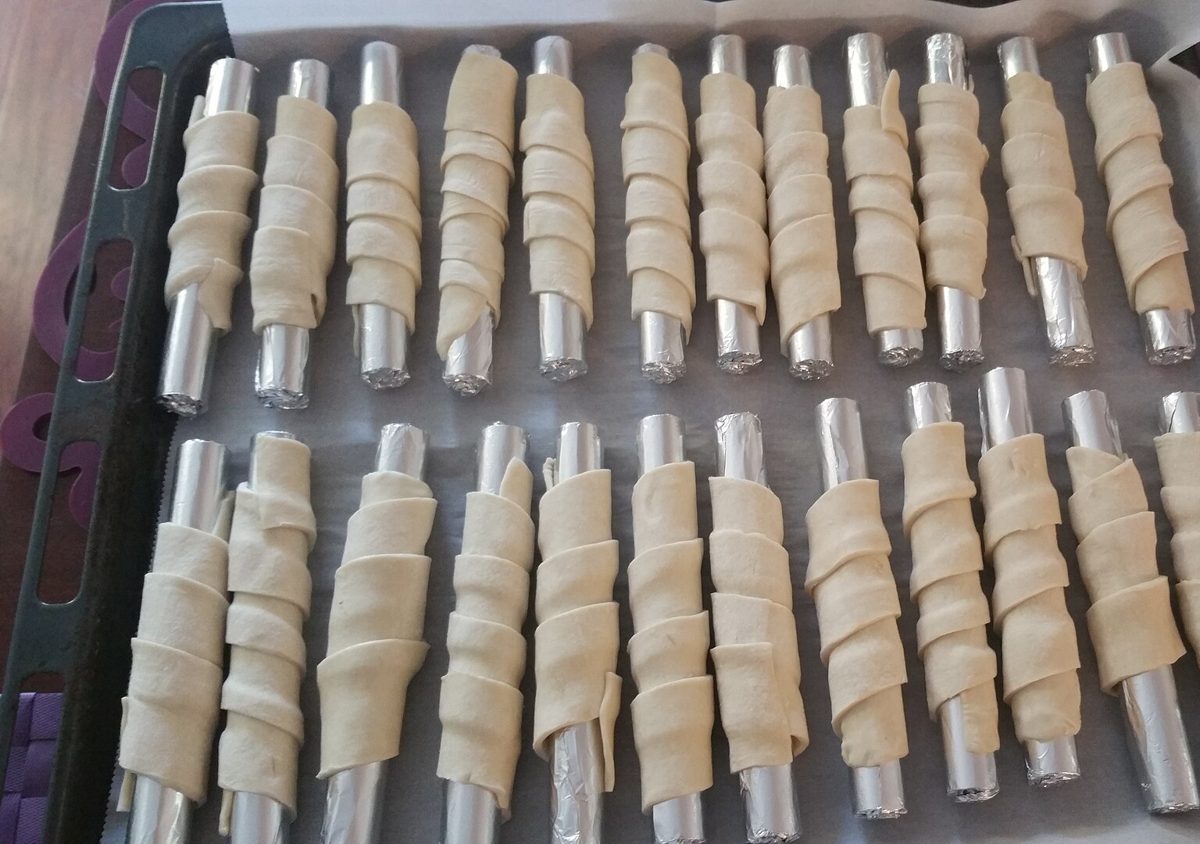
Wrap the strip around the mold from the narrower end towards the wider end, diagonally, so that each wrap overlaps the previous one by about half. Do not cover the wider opening of the mold, as it will be impossible to remove it later. When the strip ends, add another at the joint and seal it with a bit of egg. Press the end of the strip.
-
Beat the egg with the milk and brush it over the wrapped dough. Coat each tube on one side in sugar and place it on the baking sheet sugar side up, with the seam side down. Leave gaps between the tubes, as they will rise in the oven.
-
Bake for 12–20 minutes until the tubes are golden and slightly browned. The time depends on the thickness of the dough and the size of the molds, so at the end, look at the color rather than the clock.
-
Remove the baking sheet and wait a few minutes. Hold the tube with a cloth, grasp the mold by the protruding wider end, gently twist, and slide it out. Puff pastry is fragile, so do this carefully. Let the tubes cool completely on a rack; warm tubes would melt the cream.
-
Cream: whip the very cold heavy cream with a mixer, starting at low speed. Towards the end, add the powdered sugar and vanilla and whip just until the cream is stiff and starts to resist the beaters. Do not whip longer, or it will curdle.
-
Or protein cream: boil sugar with water covered until it forms a thick syrup, adding citric acid at the end. Meanwhile, whip the egg whites in a bowl placed over a pot of boiling water; the water must not touch the bottom of the bowl. Pour the hot syrup into the whipped egg whites in a thin stream while continuously whipping, add the vanilla sugar, and whip until the mixture is thick, stiff, and glossy. Cool before filling.
-
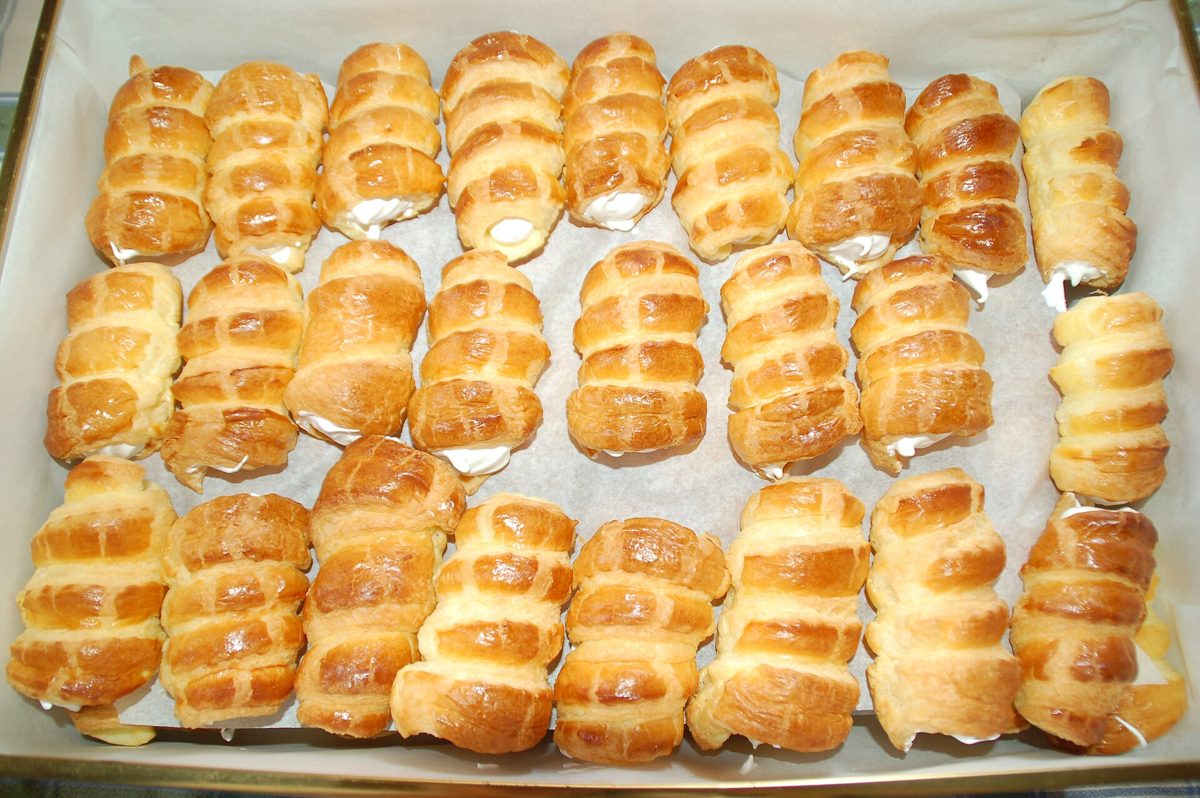
Transfer the cream to a piping bag with a tip or a strong bag with a cut corner. Insert the tip as deep as possible from the wider side of the tube and squeeze the cream while slowly withdrawing until the entire interior is filled. Fill the tubes preferably shortly before serving and dust them with powdered sugar.
Photos
Comments (0)
No comments yet. Be the first!