The story behind the recipe
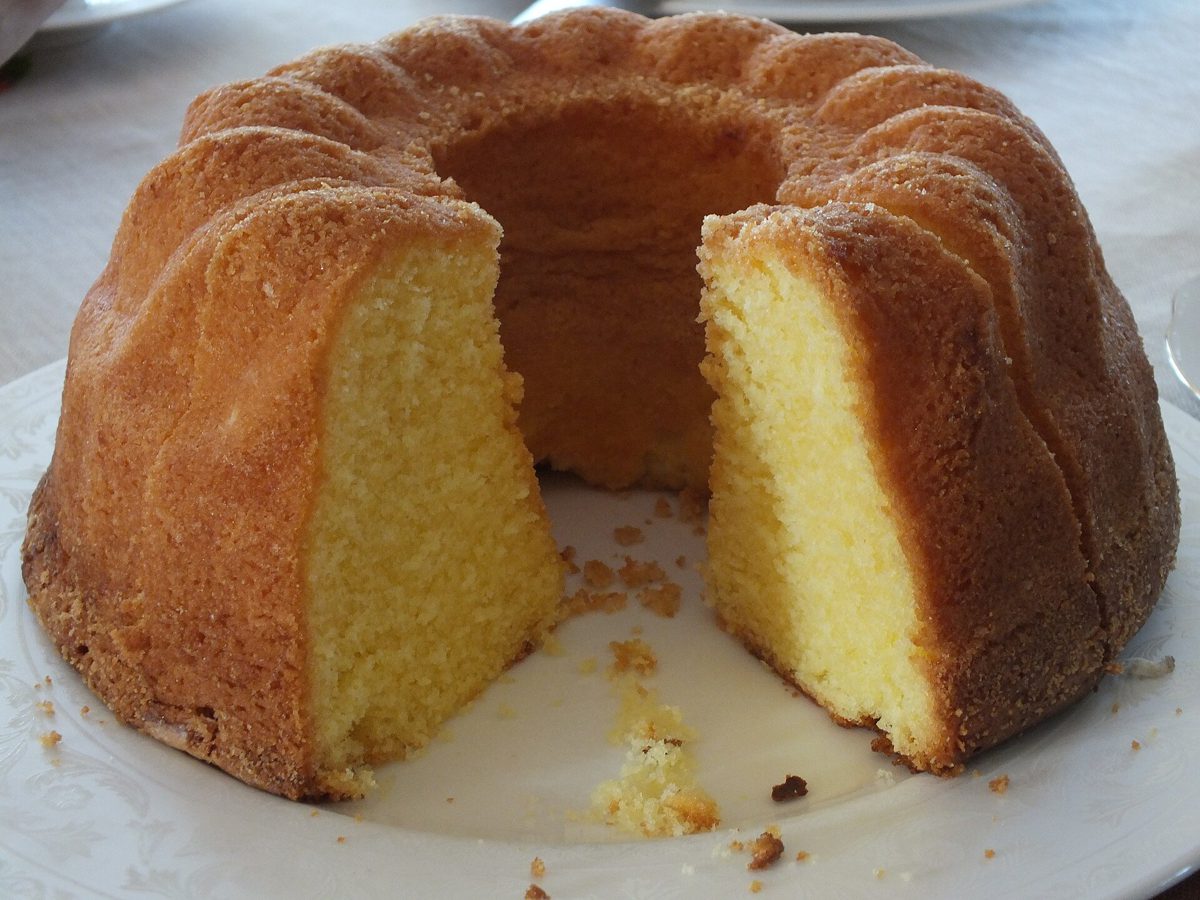
Babka is a cake baked in a round or elongated, smooth or fluted pan, most often in the shape of a truncated cone with a chimney in the middle. According to Polish Wikipedia, it is made from yeast dough, sponge cake, or sponge-fat dough, which is the sand cake. The origin of the name is uncertain. The Proto-Slavic word 'baba' meant grandmother, and the most common explanation is that the fluted cake resembles the wide, pleated skirt of an older village woman. The National Center for Culture suggests another possibility: the old Easter babkas may have looked like a braided challah in the shape of a wreath or like a braid pinned under a scarf by married women. The Linde Dictionary from 1807 describes babka as 'a type of cake in the shape of a Turkish turban' and provides the German equivalent 'Kugelhupf'. The German Wikipedia notes that in Upper Lusatia and Silesia, gugelhupf is referred to as 'Babe', derived from the Polish babka.
Historically, Polish babka was yeast-based. Zygmunt Gloger in the 'Encyclopedia of Old Poland' writes that it is 'a well-known cake made from wheat flour, usually baked for the 'blessing' on Easter, and formerly also for Pentecost'. In old Polish cuisine, babkas colored with saffron were called 'yellow bread', and raisins, almonds, candied peel, wine, or vodka and many spices were added. In the 19th century, spices were dropped, saffron was used less and less, and babka was primarily baked for Easter. Baking was associated with customs: the kitchen was silent, as noise could cause the cake to fall, men were not allowed in the kitchen, and hot babkas were placed on feather beds and rocked until they cooled. Elżbieta Kiewnarska in 'Easter Cakes' from the interwar period writes that 'a successful Easter babka is the greatest pride of the hostess', and she divides babkas into yeast and protein types. In 2017, the product 'Yeast Babka from Mrogi' from the Łódź Voivodeship was entered into the List of Traditional Products, and its description reminds us that 'already at the end of the 17th century, sweet Easter babkas with raisins or almonds were baked in Poland'.
The sand cake also has a long history: the recipe for 'sand cake with leavening powders' is provided by Lucyna Ćwierczakiewiczowa in the book 'Babkas, Cakes, and Mazurkas' from 1908, still without starch, using only wheat flour. Polish Wikipedia still calls yeast babka the main Easter cake, but in today's home recipes, the name 'Easter babka' most often refers to the sand cake. Ania Gotuje explains this simply: sand cake 'is much quicker and easier to prepare' than yeast babka, and Moje Wypieki writes that 'without sand cake, some cannot imagine the holidays'. Easter babka is also one of the dishes that is taken to be blessed in a basket on Holy Saturday.
Ingredients
Cake (bundt pan 22–24 cm, 2–2.5 l)
-
150 g butter (very soft, at room temperature, not melted)
Abroad: unsalted butter -
150 g powdered sugar (or fine sugar)
Abroad: USA: powdered / confectioners' sugar; UK: icing sugar; Germany: Puderzucker - 4 pcs eggs (medium or large, about 220 g total without shells, at room temperature)
-
150 g cake flour (type 450)
Abroad: USA: all-purpose or cake flour; UK: plain flour (not self-raising); Germany: Weizenmehl Type 405 -
150 g potato starch (potato flour)
Abroad: potato starch (not potato flour); Germany: Kartoffelstärke, often as Kartoffelmehl -
1½ tsp baking powder (about 6 g)
Abroad: baking powder -
1 pc lemon (zest and 3 tablespoons (45 ml) of fresh juice; instead of lemon, 1 teaspoon of vanilla extract or 16 g of vanilla sugar)
Abroad: Germany: Vanillezucker; USA and UK: vanilla extract
For the pan
- 1 tbsp (about 14 g) soft butter
-
2 tbsp (about 14 g) breadcrumbs (or flour)
Abroad: breadcrumbs
Icing (optional)
-
150 g powdered sugar (or just powdered sugar for dusting)
Abroad: powdered / icing sugar; Germany: Puderzucker - 2 tbsp (30 ml) lemon juice (2–3 tablespoons, enough for the icing to be thick)
Method, step by step
-
A few hours earlier, or preferably the night before, take the butter out of the fridge, and before baking, also take out the eggs. The butter should be soft but not melted. You can warm the eggs for a few minutes in a bowl with warm tap water.
-
Prepare the pan: generously grease it with soft butter, including the grooves and chimney, dust with breadcrumbs or flour, and tap out the excess. Preheat the oven to 170°C (top and bottom heat, no fan).
-
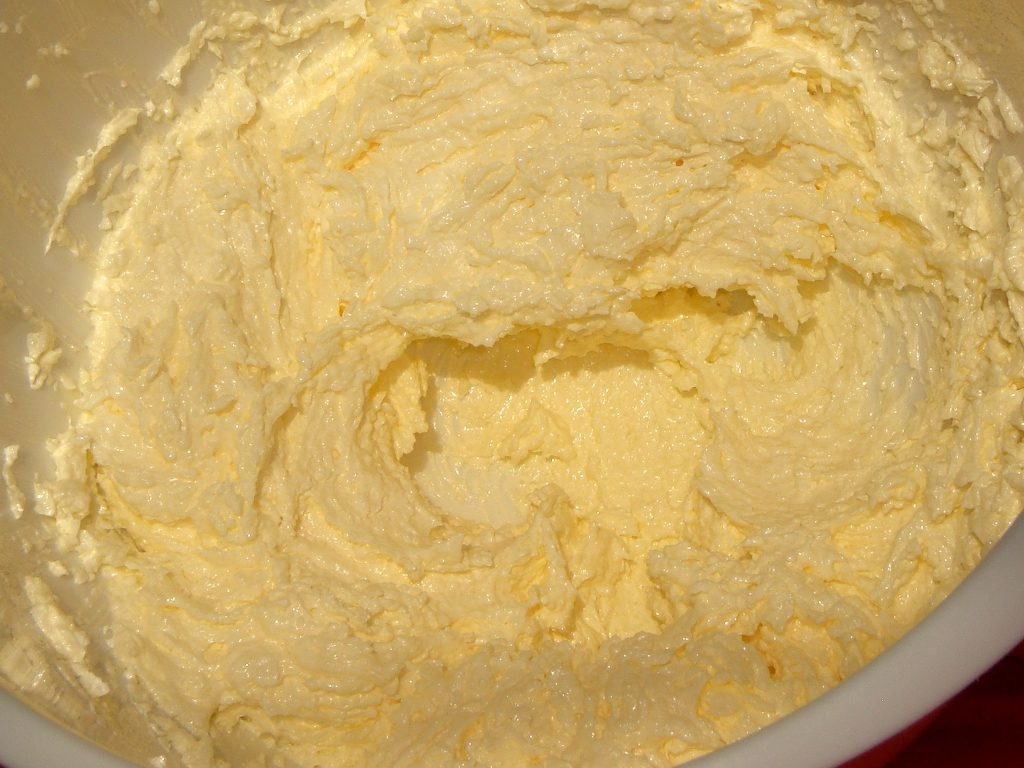
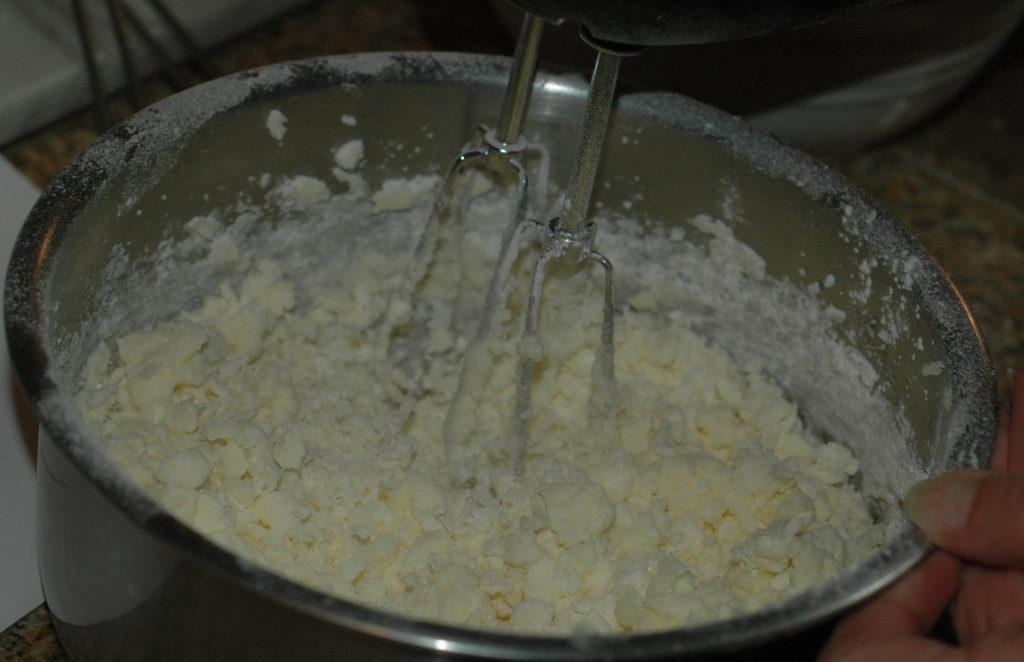
Beat just the butter with a mixer until light and fluffy. Add the powdered sugar one tablespoon at a time, continuing to beat. Beat for a long time, at least 10 minutes: this determines whether the cake will be light.
-
Add the eggs one at a time, beating each for about 3 minutes before adding the next. If the mixture looks curdled, it’s okay, keep beating.
-
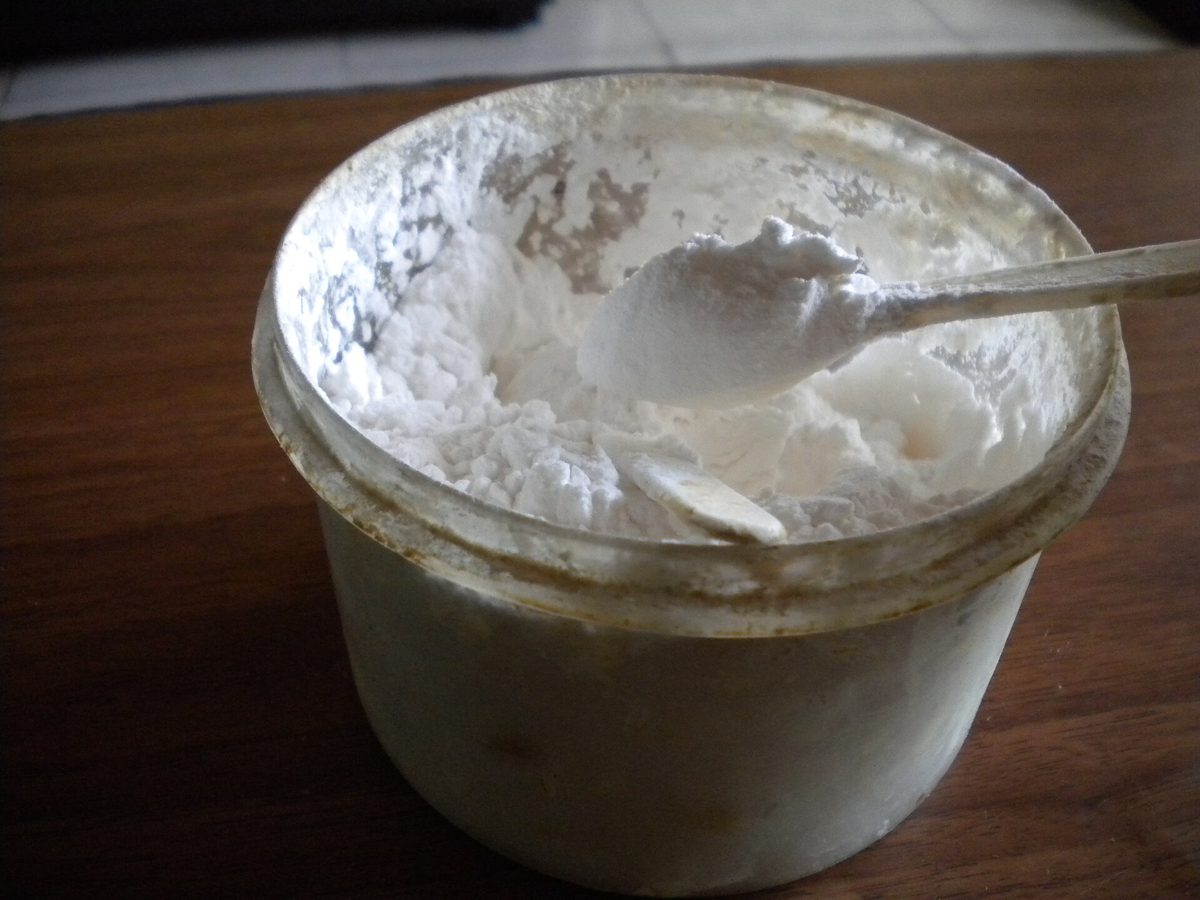
Sift the flour, potato starch, and baking powder together directly onto the mixture. Mix briefly with a spatula or on the lowest speed, just until combined. Finally, add the lemon zest and juice and mix again briefly.
-
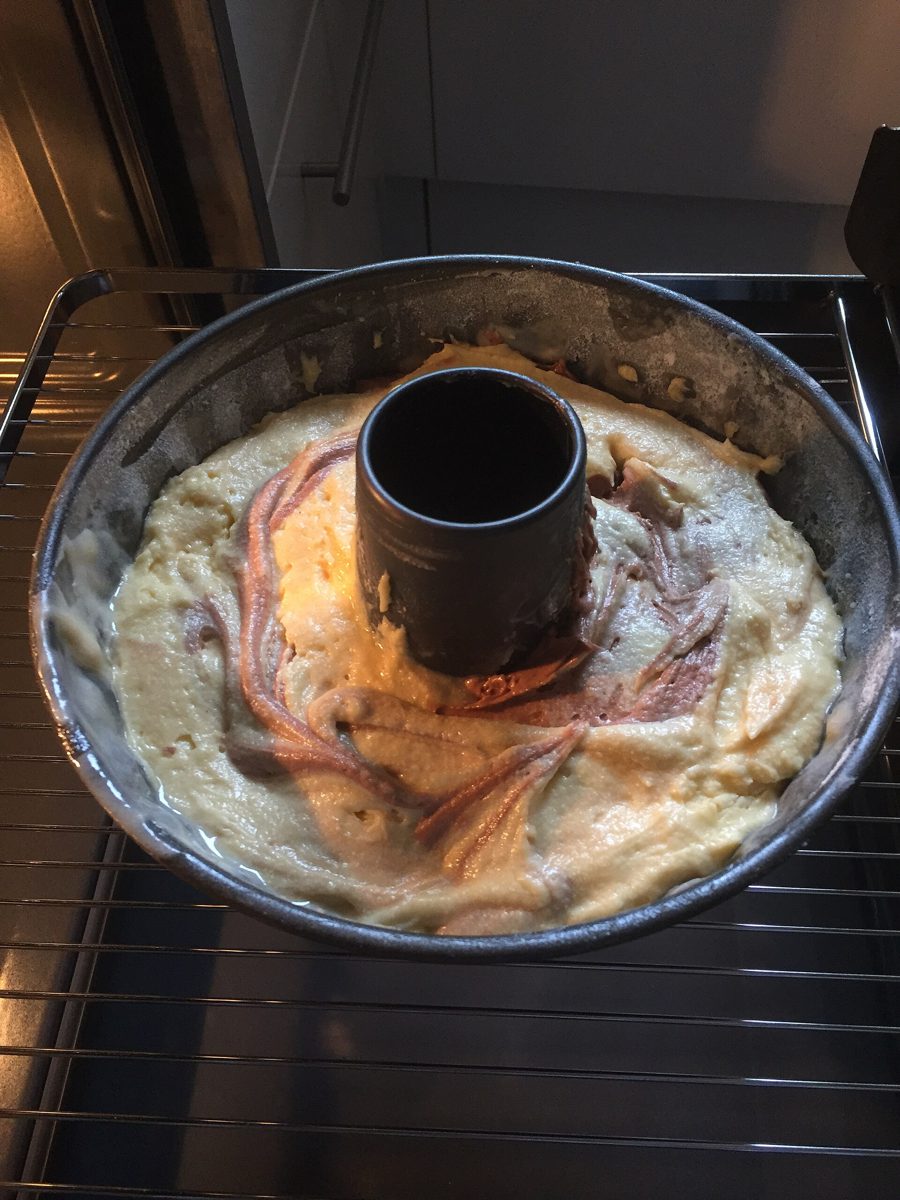
Transfer the batter to the pan, filling it about halfway, and smooth the top. Immediately place the pan on the middle rack of the oven.
-
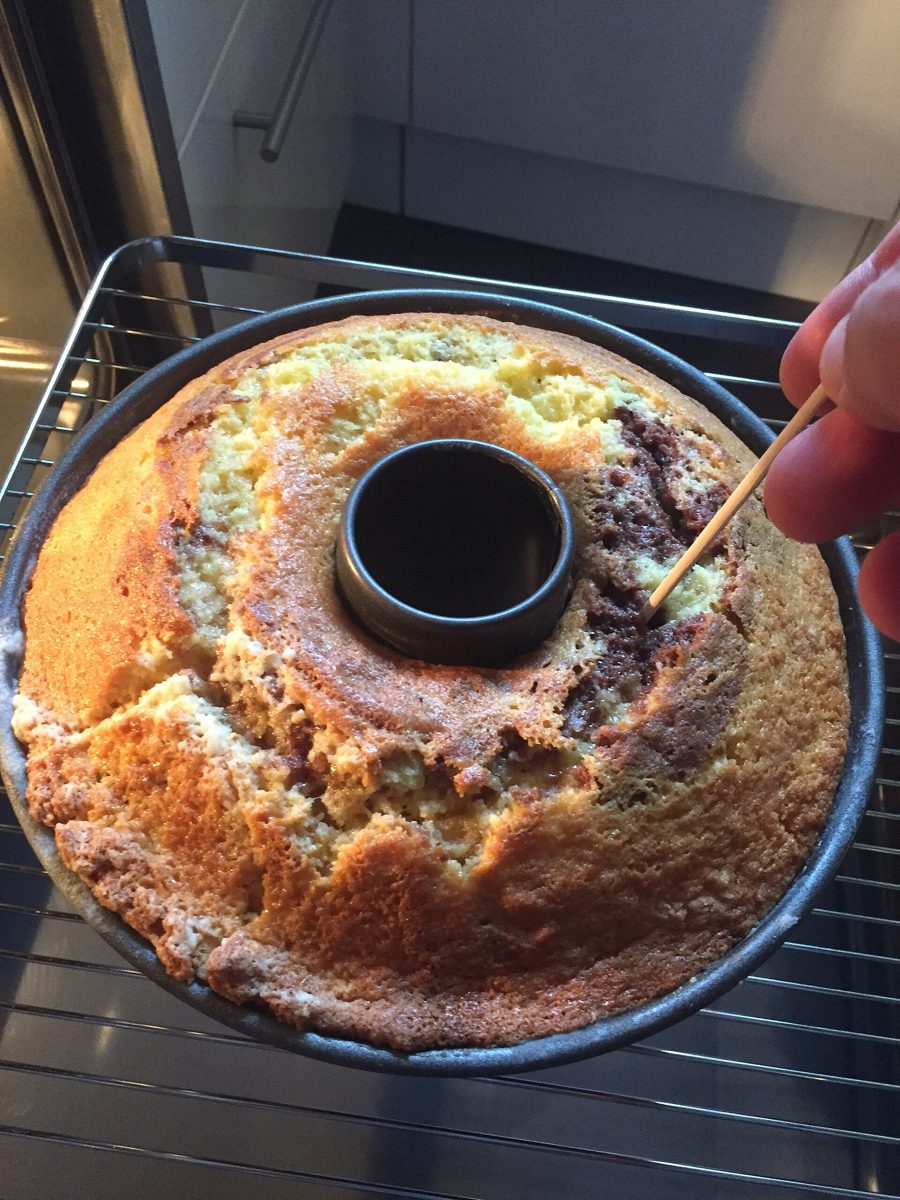
Bake for 40–50 minutes. Do not open the oven during the first part of baking. From the 35th minute, check with a wooden stick: when it comes out dry, the cake is ready. Do not extend the baking time 'just to be sure', as the cake will dry out.
-
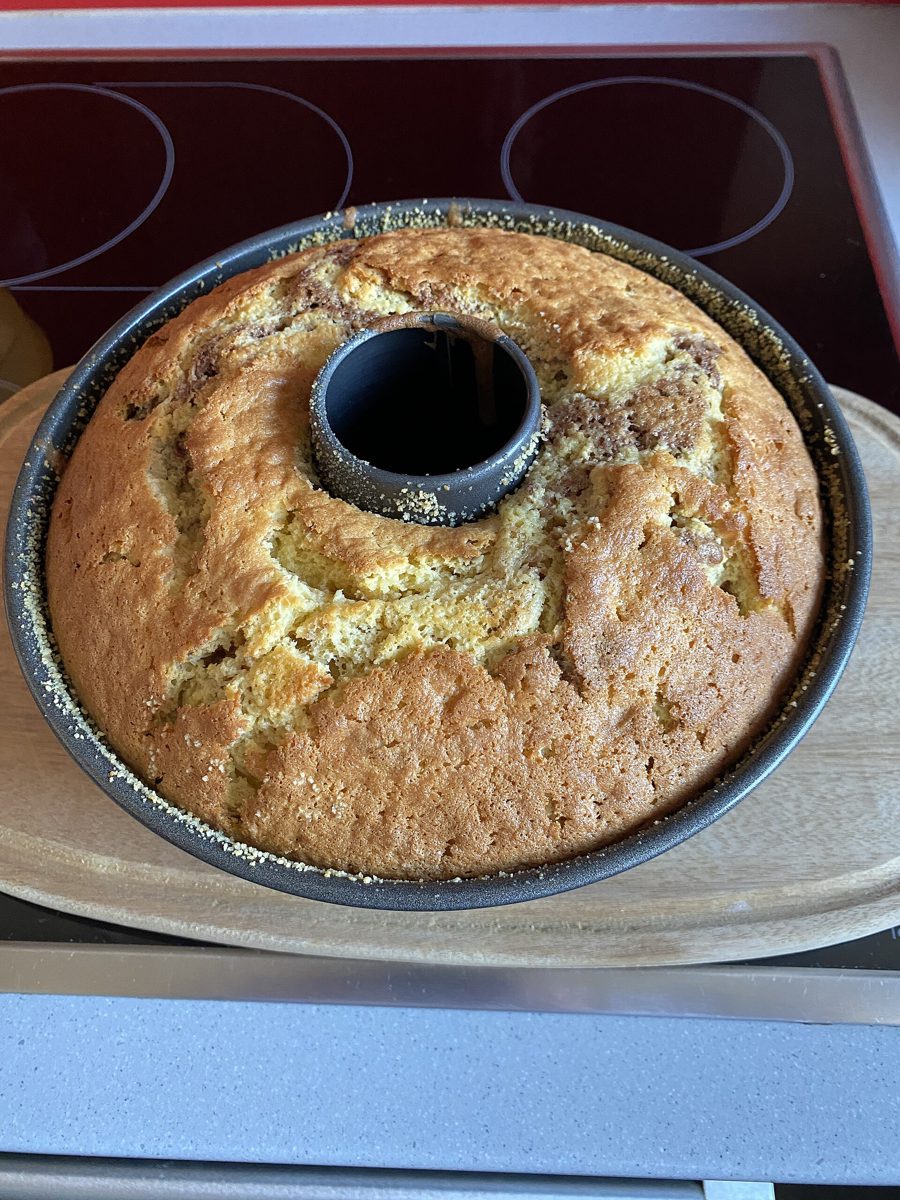
Turn off the oven and leave the cake for 5 minutes with the door ajar, then a few more minutes in the pan, not longer than about 10 minutes total.
-
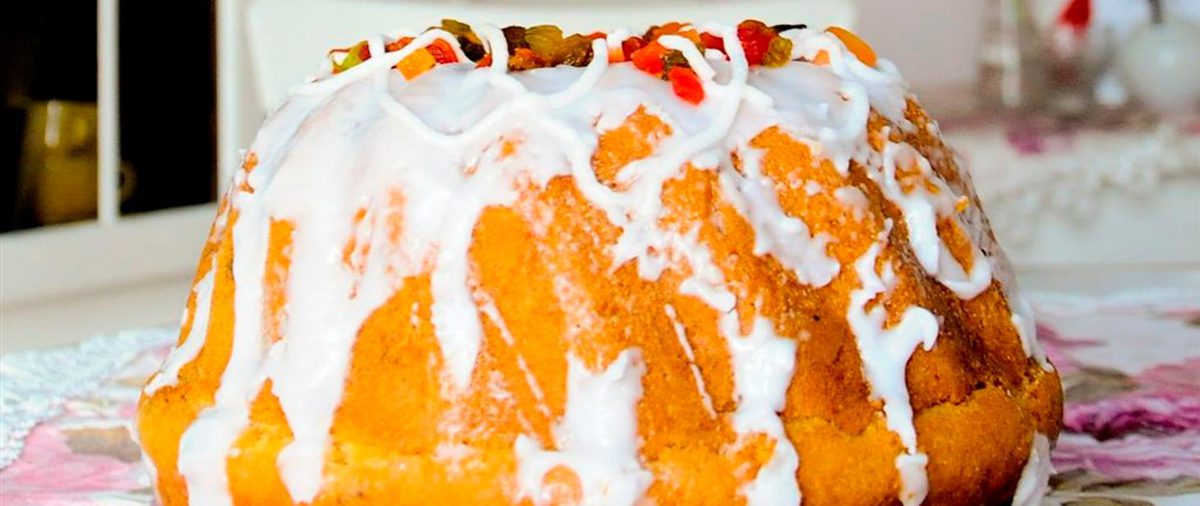
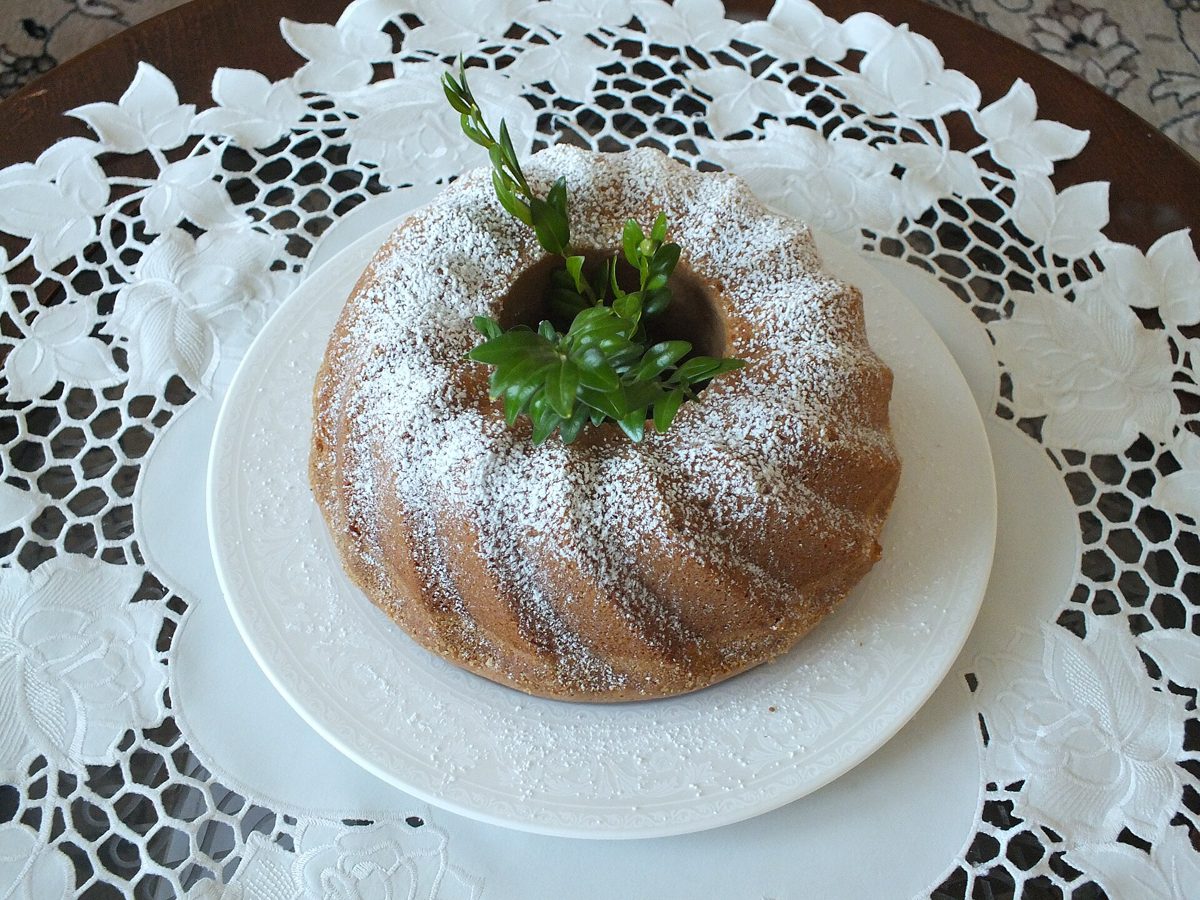
While still warm, turn the cake onto a rack and remove the pan. Once completely cooled, dust with powdered sugar or drizzle with icing: beat the powdered sugar with lemon juice added one tablespoon at a time until the icing is thick and smooth.
Photos