The story behind the recipe
According to Polish Wikipedia, beef steaks are cut from beef or pork: the meat is cut into smaller pieces, pounded with a mallet, lightly browned in a pan, and then simmered in a pot. The name comes from the act of pounding. Michał Arct's dictionary from 1916 briefly explains: "Bitek, zrazik bity," and Wiktionary lists "zrazy" as a synonym. Beef steaks differ from rolled beef in that they are "without filling" and are "usually in smaller pieces," Wikipedia states. They are not rolled with bacon and pickles like rolled beef or Silesian roulades; a flat slice of meat is simply simmered in sauce with onions.
In old cookbooks, this dish was called "zrazy bite". Franciszek Chocieszyński in "Practical Cook" (Poznań 1884) instructs to cut the roast into thin steaks, "pound perfectly," salt, pepper, "dust each with flour," brown in butter, then add onions and "mushrooms" and simmer "until the sauce bubbles up." Lucyna Ćwierczakiewiczowa in "365 Dinners for 5 Złoty" moistens similar steaks with broth from dried mushrooms or stock. Marta Norkowska in "The Latest Cuisine" (1903) simmers "beef steaks rustic style" with bacon, onions, and bay leaves, serving them with Kraków groats or grated potatoes. Elżbieta Kiewnarska in 1930 calls steaks "one of our national dishes" and advises to use either beef or, even better, cross-cut for beef steaks and stews.
Interestingly, in the same old cookbooks, "bitki" often referred to round patties made from minced meat: this is the case with Norkowska (1903), in Wincenty Zawadzki's "Lithuanian Cookbook" (1913), and with Kiewnarska (1930). When the name transitioned to refer to pounded slices simmered in sauce is uncertain. Today, beef steaks are a common home-cooked meal: Ania Gotuje recalls that her mother made them, and her husband’s grandmother did too, and they were always eaten with potatoes and pickled cucumbers. Kwestia Smaku calls them one of the "flagship dishes of Polish cuisine for the whole family," and the English-language blog Polish Your Kitchen recommends them for Sunday dinner. We did not find beef steaks on the List of Traditional Products.
Ingredients
Beef Steaks
-
800 g upper round or cross-cut beef (in one piece, for about 8 slices)
Abroad: Germany and Austria: Oberschale or ready Rouladenfleisch; USA: top round, bottom round, or eye of round; UK: topside or silverside - ½ tsp (2.5 ml) ground black pepper (1 teaspoon, for the meat)
-
2 tbsp all-purpose flour (about 20 g, for dusting the meat)
Abroad: USA: all-purpose flour; UK: plain flour -
25 g lard (2 tablespoons; or 4 tablespoons of oil)
Abroad: lard; Germany: Schweineschmalz
Sauce
- 300 g onion (2 medium, sliced into feathers)
- 3 cloves garlic (optional, sliced)
- 500 ml water or beef broth (more if needed)
- 3 pcs bay leaves
-
4 pcs allspice (whole berries)
Abroad: allspice; Germany: Piment - 1 tsp (about 6 g) salt (1 teaspoon, for the sauce; season at the end)
- ½ tsp (2.5 ml) ground black pepper (1 teaspoon, for the sauce)
-
4 pcs dried mushrooms (optional)
Abroad: dried porcini; Germany: getrocknete Steinpilze
Mushroom Sauce (optional)
-
200 g button mushrooms (sliced)
Abroad: button mushrooms; Germany: Champignons - 1 tbsp butter (about 15 g)
At the End
- 1 tsp (about 2.5 g) all-purpose flour (only if the sauce is too thin, mixed with a bit of cold water)
-
3 tbsp sour cream 18% (optional, about 60 g)
Abroad: sour cream; Germany: saure Sahne
Method, step by step
-
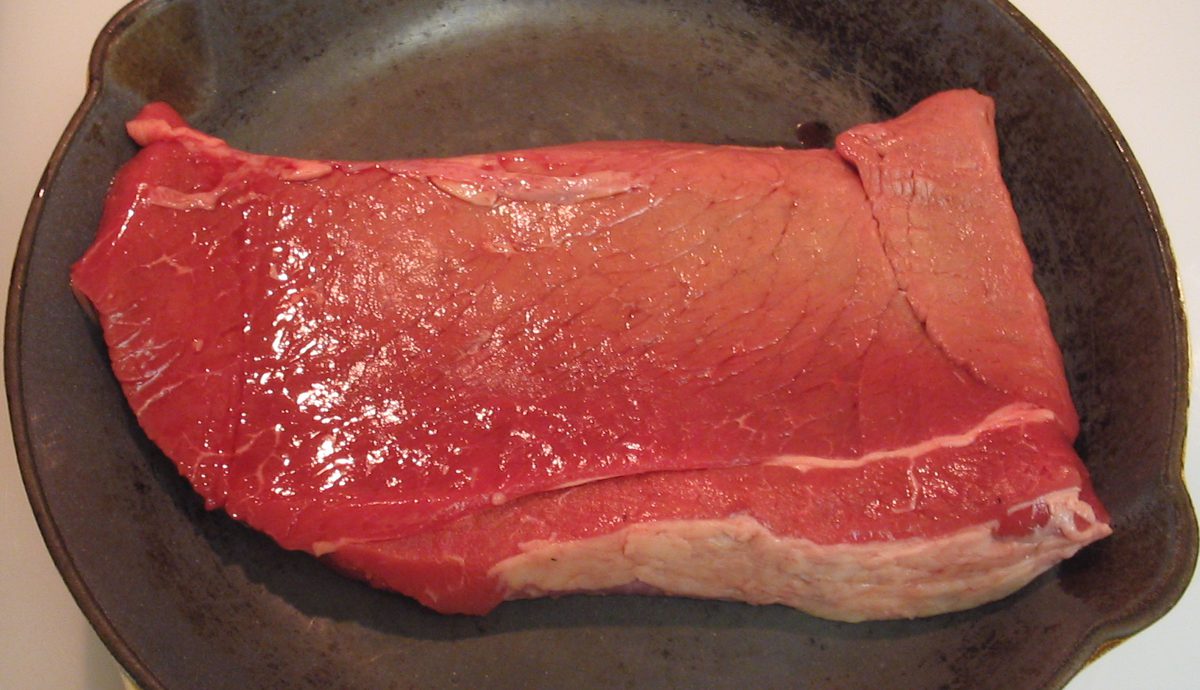
Cut the beef across the grain into about 8 slices, 1–1.5 cm thick (about ½ inch). Trim off thicker membranes and sinews.
-
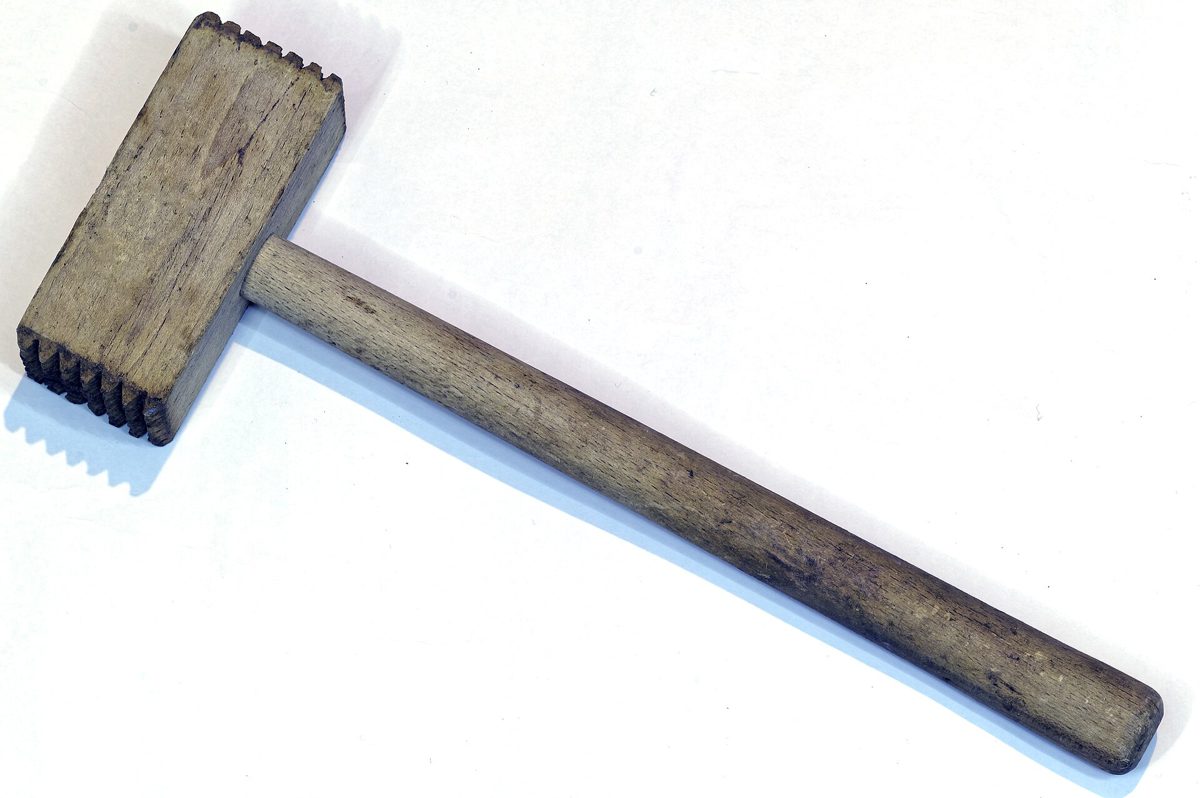
Cover each slice with plastic wrap and a cloth or place between two sheets of parchment paper and pound with a mallet. The beef will flatten less than pork, so don’t worry about that. Cut very large slices in half.
-
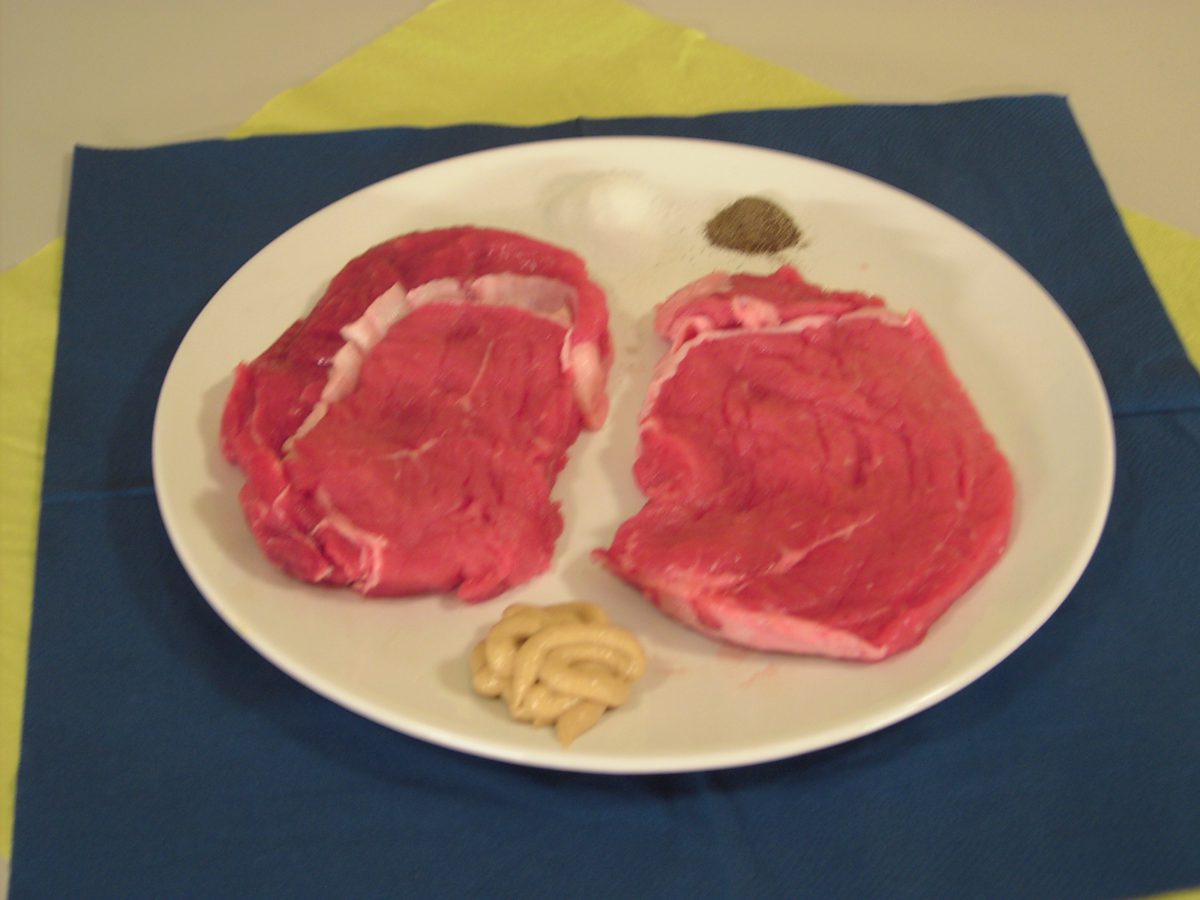
Dust the slices on both sides with black pepper. Do not salt them; the salt will go into the sauce. Just before frying, coat each slice in flour and shake off the excess.
-
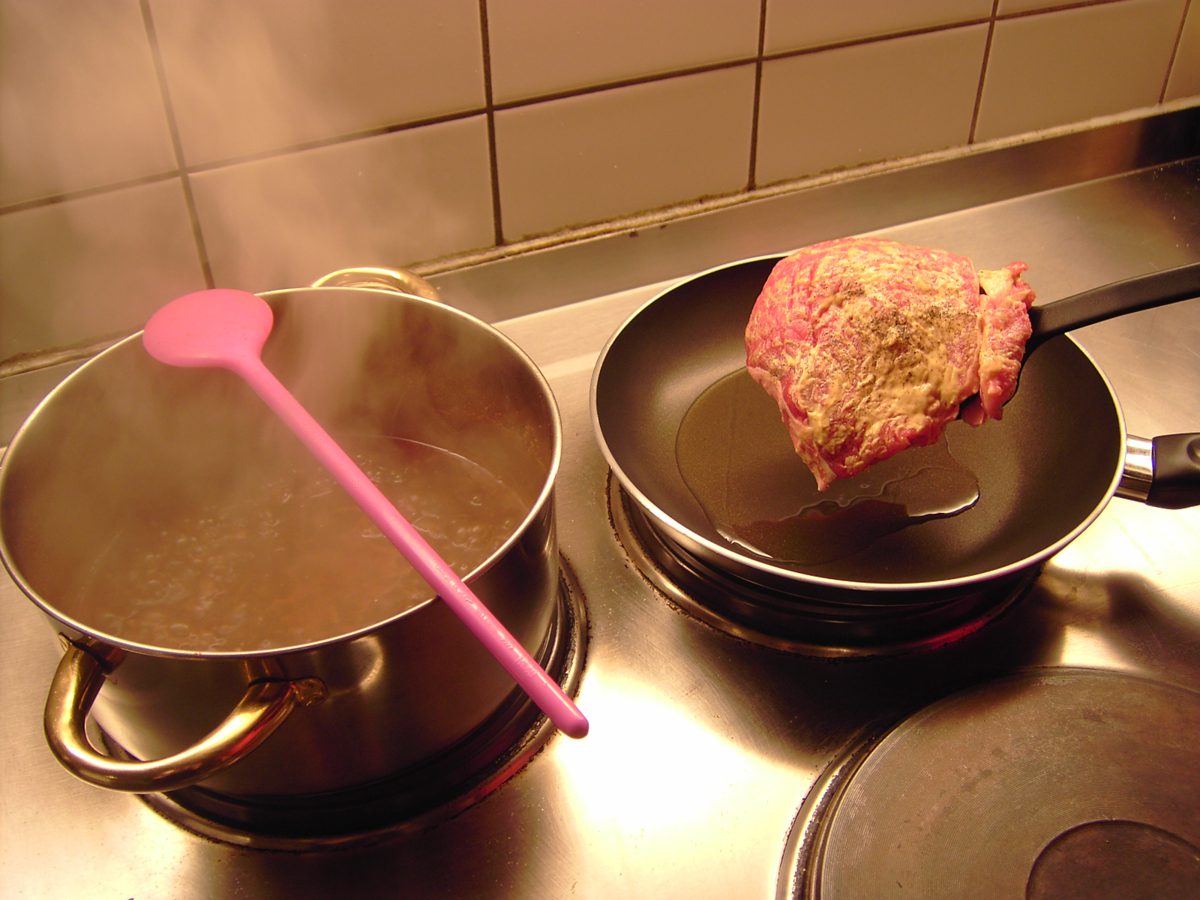
In a pan with a diameter of at least 24 cm (9½ inches), heat the lard well. Place the slices one by one, in batches, and fry until browned for about 3 minutes on each side. If the meat is browning too quickly, reduce the heat. Transfer the browned steaks to a heavy-bottomed pot.
-
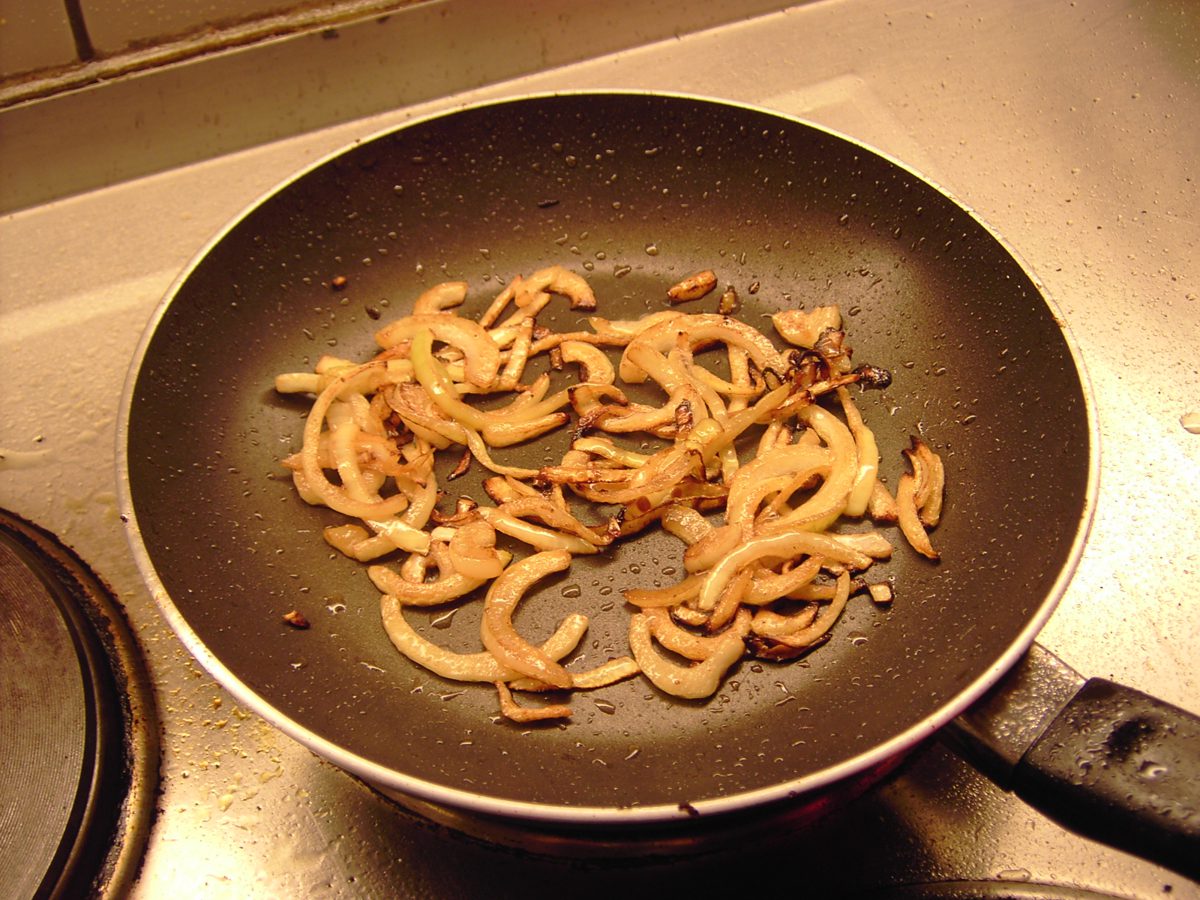
In the same fat, without washing the pan, fry the onions over slightly lower than medium heat for about 12 minutes, stirring occasionally. Add the garlic and fry for another 3 minutes until everything is browned.
-
Pour water or broth into the pan, bring to a boil, and scrape up the browned bits. Pour everything into the pot with the meat. Add bay leaves, allspice, salt, the remaining pepper, and dried mushrooms. The liquid should almost cover the meat.
-
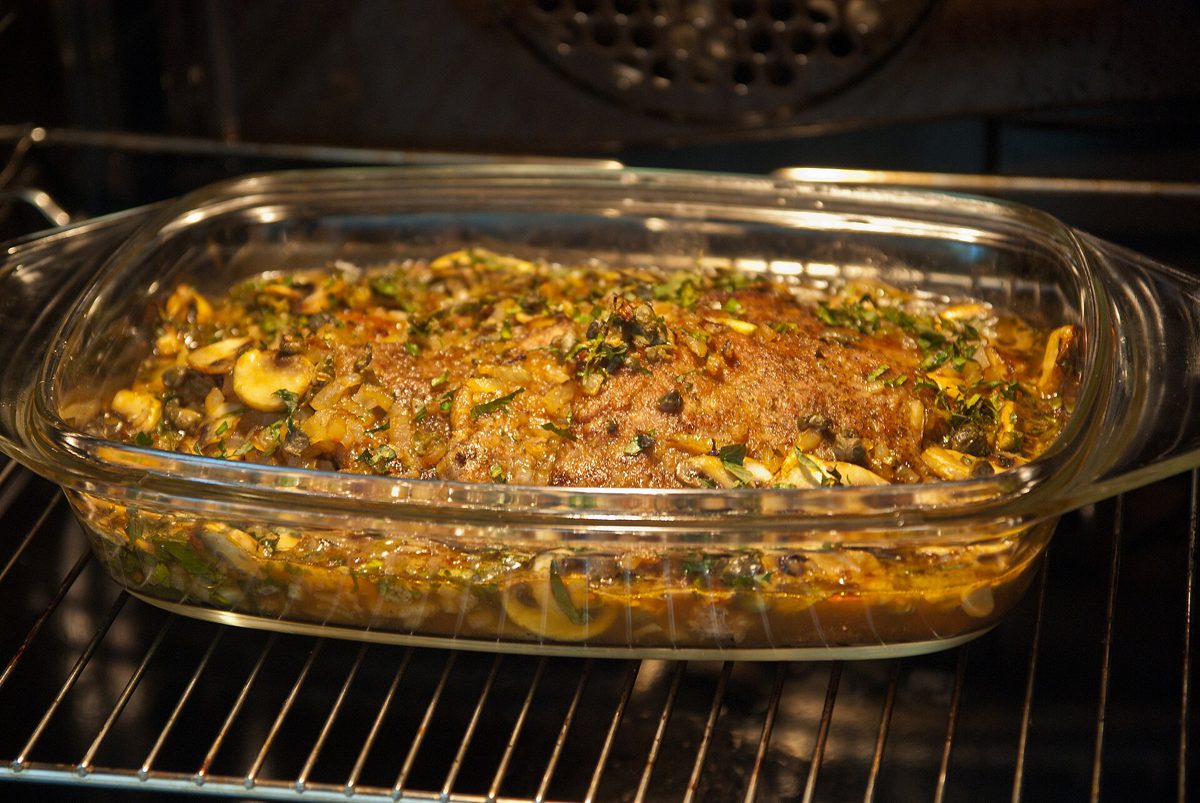
Cover the pot, bring to a boil, and reduce the heat so that the sauce just lightly bubbles. Simmer the beef steaks for 1.5–2 hours. After an hour, check with a fork if the meat is softening, and if necessary, add a bit of hot water.
-
If you are making beef steaks with mushrooms, about half an hour before the end of cooking, melt the butter in the pan and fry the mushrooms over high heat for about 4 minutes, stirring. Transfer them to the pot and continue simmering with the meat.
-
When the meat is tender, taste the sauce. Thanks to the flour on the meat, it should be slightly thick. If it is too thin, pour in a teaspoon of flour mixed with cold water and cook for 2 minutes. First mix the sour cream with a few tablespoons of hot sauce, then pour it into the pot and just warm it up. Season with salt and pepper.
-
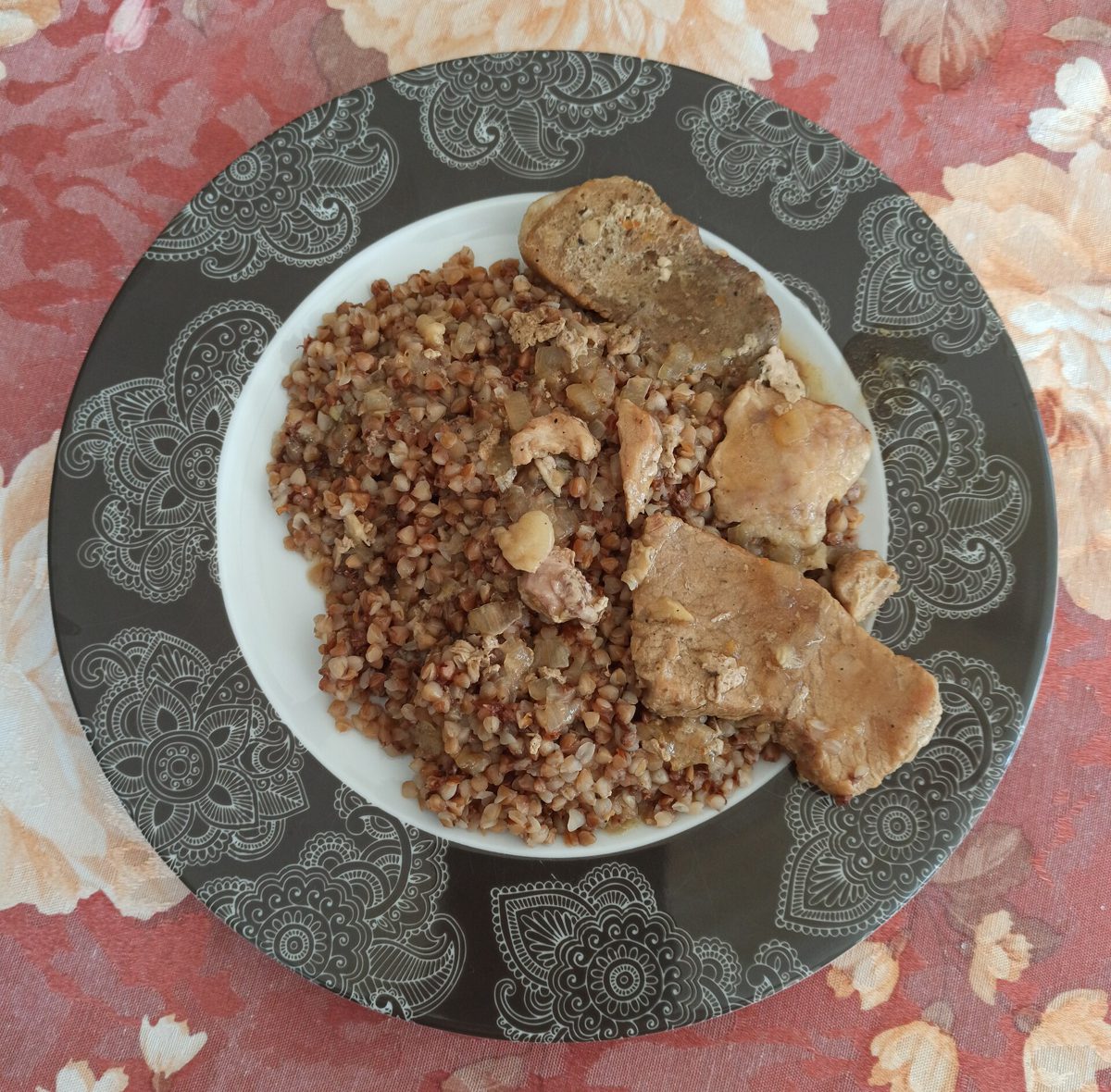
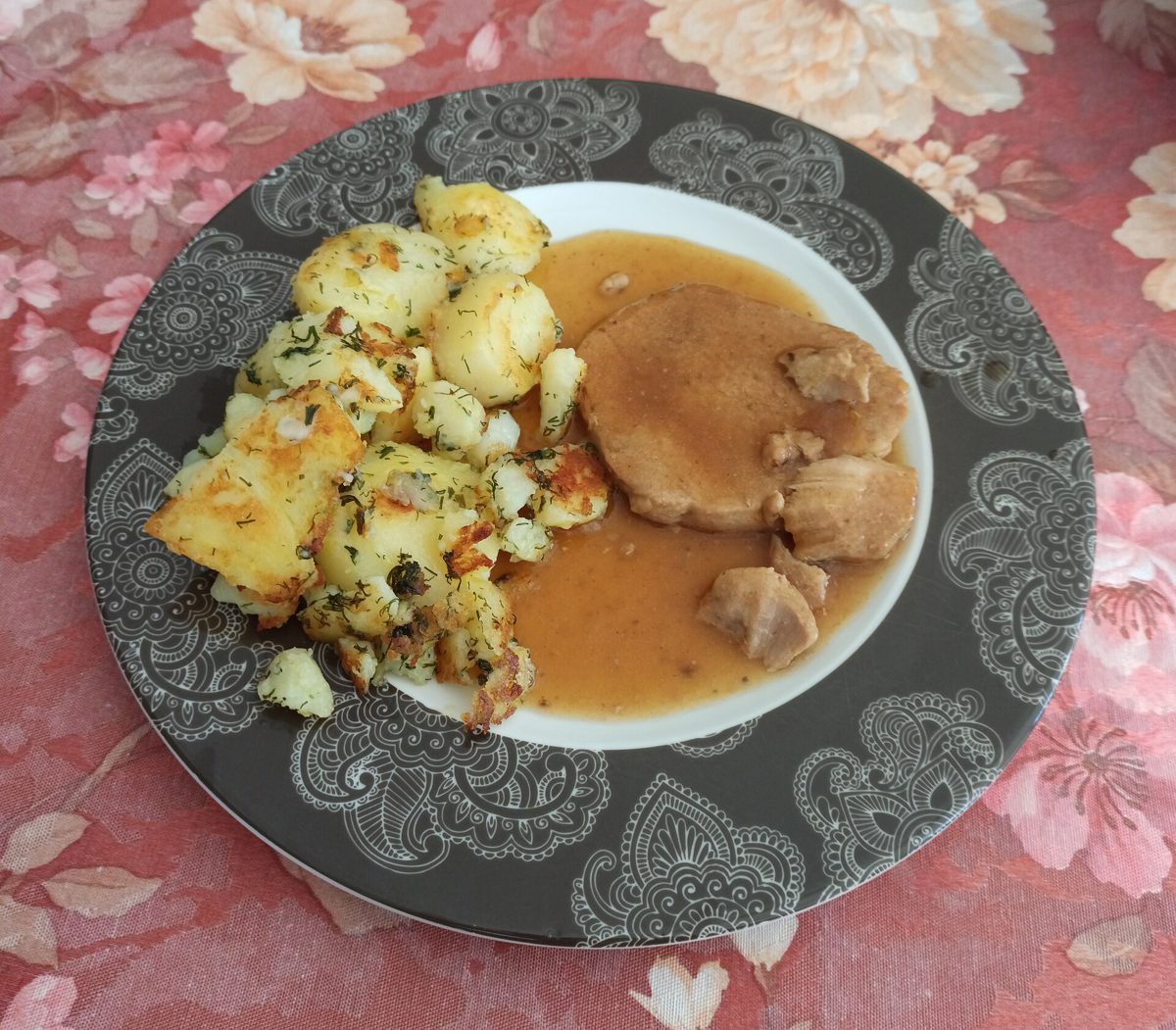
Serve the beef steaks hot, drizzled with sauce, with buckwheat groats, potatoes, kopytka, or Silesian dumplings, along with pickled cucumbers or sautéed beets.
Photos