
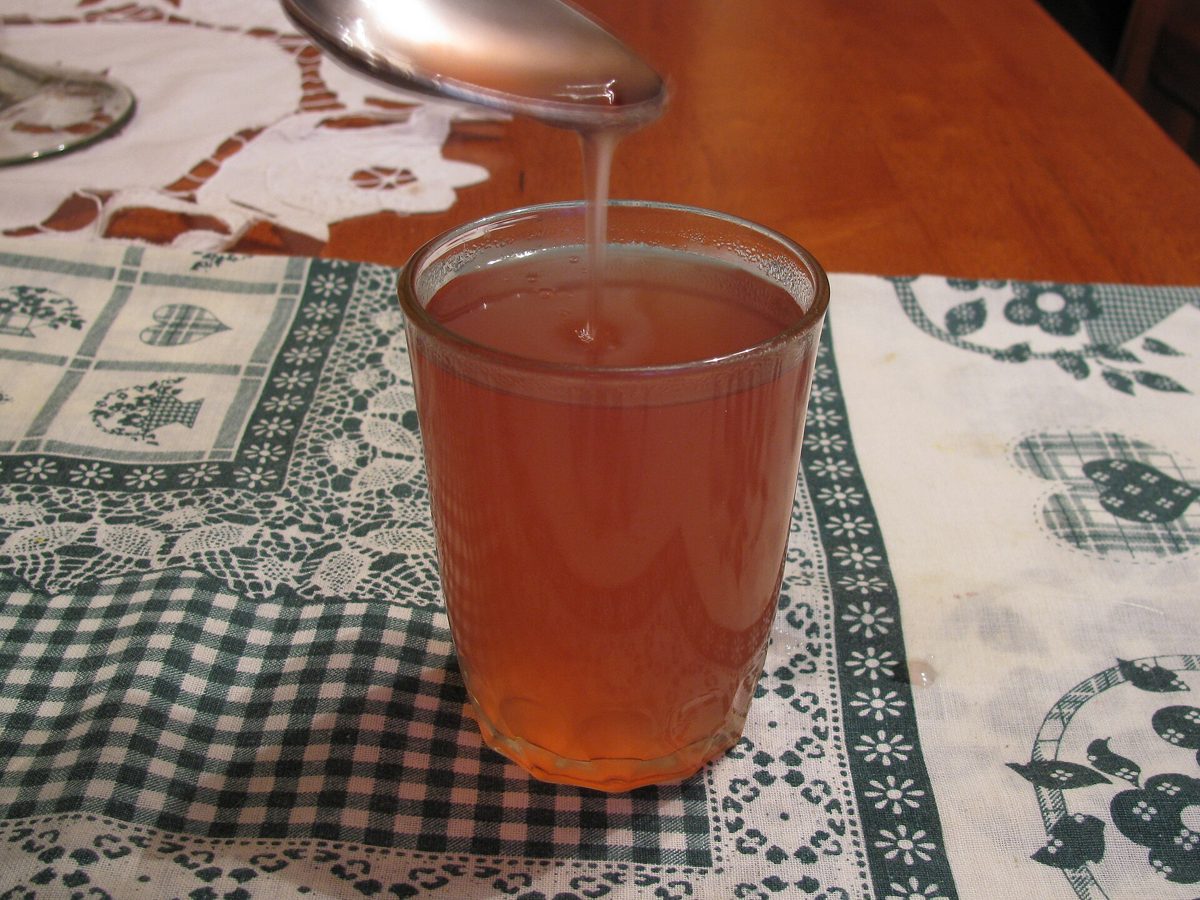
The story behind the recipe
Today, kisiel is associated with dessert, but in the past, the word meant something entirely different. According to the National Center for Culture, it was a soup made from crushed and soured grain, and later from soured bran or oat flour, something that "fermented." Zygmunt Gloger in the "Encyclopedia of Old Poland" refers to kisiel as a type of żur (sour soup) and describes it, following Gołębiowski, as the same dish made from oat flour as żur, only thicker, sometimes cooled so that it could be cut with a knife. The Old Russian "Tale of Bygone Years" recounts that in 997, the inhabitants of Białogród, besieged by the Pechenegs, showed their enemies kisiel and mead hidden in fake wells, causing them to lift the siege.
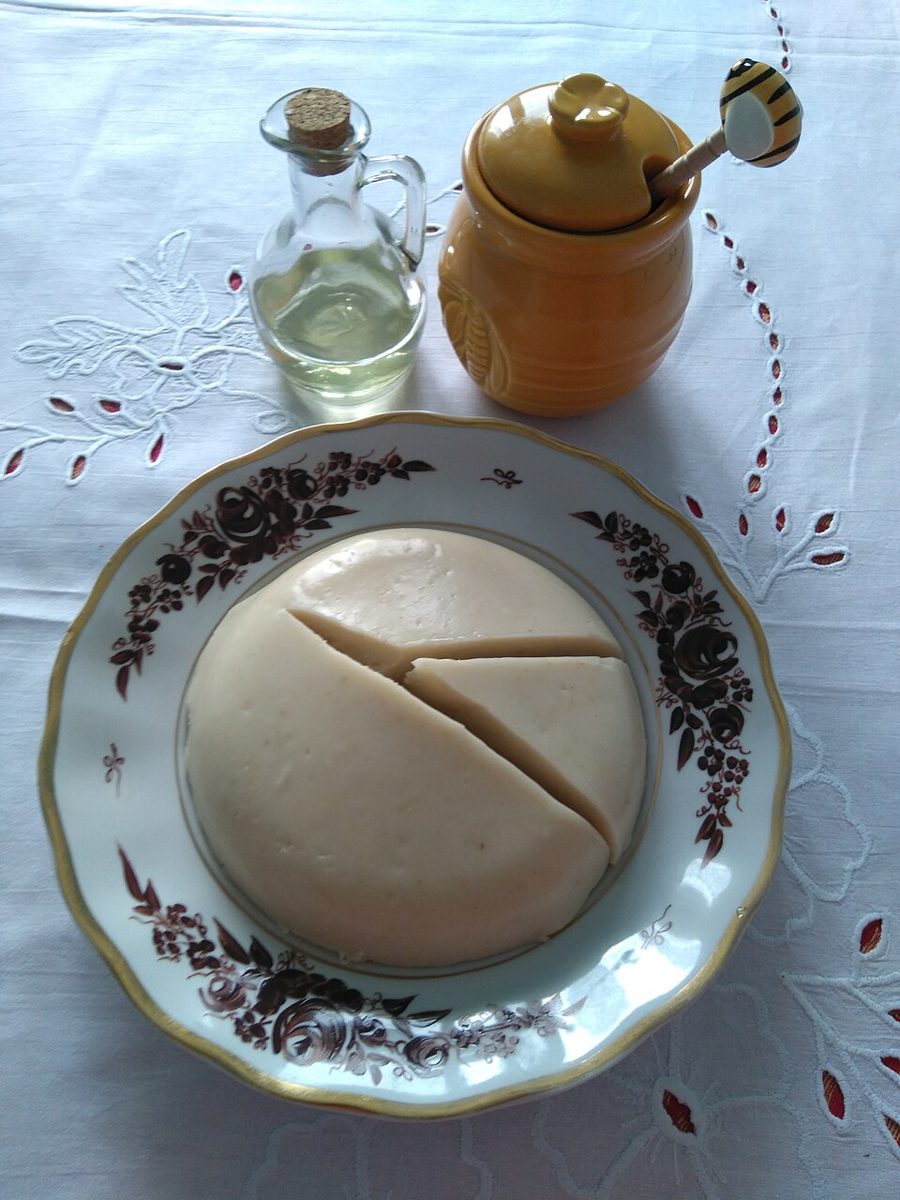
In Old Polish cuisine, kisiel or kisielice also referred to thick, sour soups made with fish gelatin, eaten during Lent and sometimes colored with fruits. Oat kisiel has survived to this day. In the Kodeń community in Lublin, it is made from flour or oat flakes with yeast, left overnight in warmth, then cooked and cooled in a dish. It is mainly eaten during Lent and on Christmas Eve, with linseed oil or cracklings. The Ministry of Agriculture included it on the List of Traditional Products in 2015, and in 2022, the Podlaskie oat kisiel was added to it.
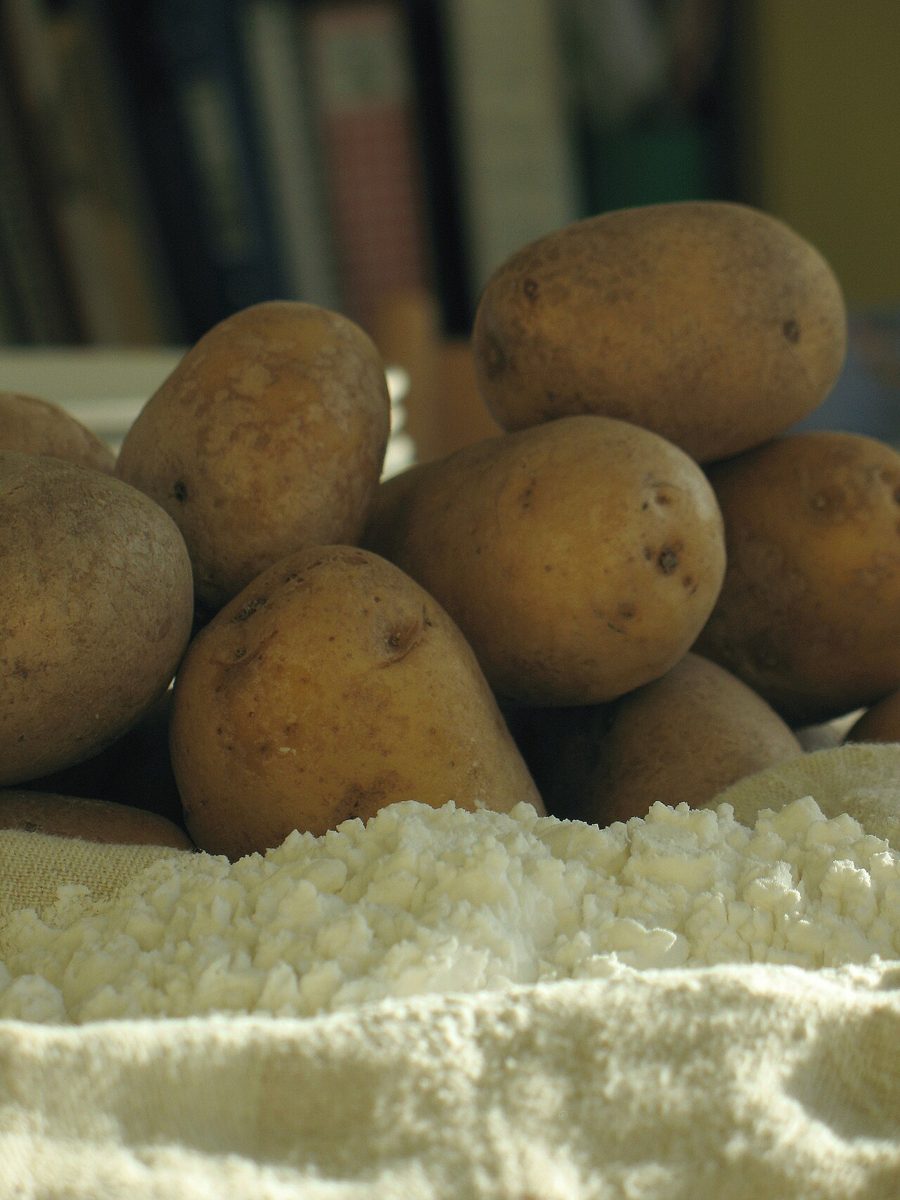
Sweet fruit kisiel made with potato starch is much younger. According to available studies, such kisiels became popular in Russian territories at the end of the 19th or the beginning of the 20th century, along with potato cultivation, as they did not need to be fermented. When exactly they made their way into Polish homes is uncertain: sources generally cite the 19th century or the turn of the century. The National Center for Culture notes that when the name żur became established for sour soup, kisiel began to refer to "sour starch" eaten as dessert or a snack. Packet kisiel contains sugar, potato starch, some dried fruits, citric acid, flavors, and dye. Homemade kisiel is simply fruits, water, sugar, and starch.
Ingredients
Kisiel
-
300 g rhubarb (only the stalks, without leaves, cleaned; fresh or frozen)
Abroad: USA and UK: rhubarb, out of season frozen rhubarb; Germany: Rhabarber -
200 g strawberries (fresh or frozen, without thawing)
Abroad: strawberries, frozen strawberries; Germany: Erdbeeren - 400 ml water (for cooking the fruits)
-
70 g sugar (to taste, a bit more for very sour rhubarb)
Abroad: USA: granulated sugar; UK: caster sugar or granulated sugar; Germany: Zucker
Zawiesina
-
2 tbsp (about 19 g) potato flour (potato starch) (for gluten-free diet, pure starch labeled gluten-free)
Abroad: USA: potato starch (not potato flour); UK: potato starch; Germany: Kartoffelstärke or Kartoffelmehl - 100 ml cold water
To serve
-
whipped cream, fresh strawberries, mint (optional)
Abroad: USA: whipped cream or heavy cream to whip; UK: double cream or whipping cream; Germany: Schlagsahne
Method, step by step
-
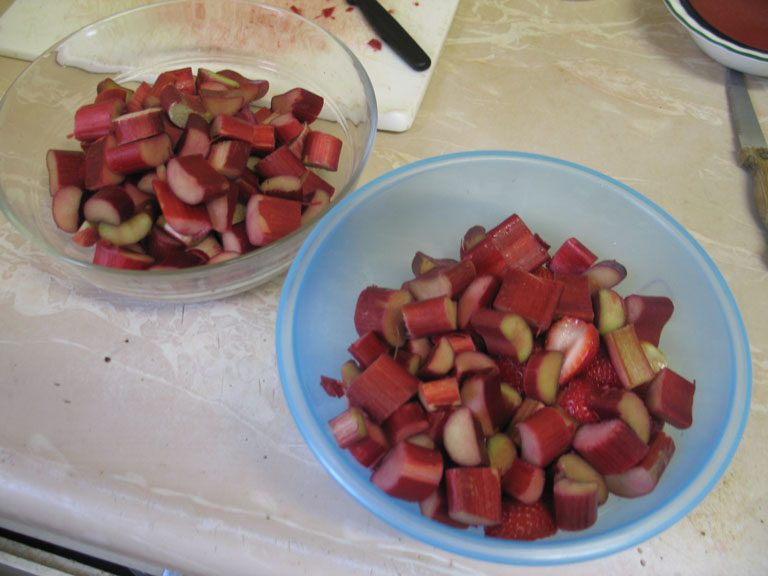
Cut off and discard the leaves of the rhubarb, trim the ends of the stalks, and wash them. No peeling is necessary. Cut the rhubarb into pieces about 1 cm (½ inch) long. Wash the strawberries, then remove the stems, and cut larger ones in half or quarters.
-
Place the rhubarb in a pot, pour in 400 ml of water, and add sugar. Bring to a boil and cook over medium heat for about 5 minutes until the rhubarb softens and starts to break down.
-
Add the strawberries and cook for another 5–8 minutes until they release their juice and soften. If using frozen fruits, cook a few minutes longer. If you prefer a smooth kisiel, blend the fruits with a blender. Taste and sweeten while the kisiel is still runny.
-
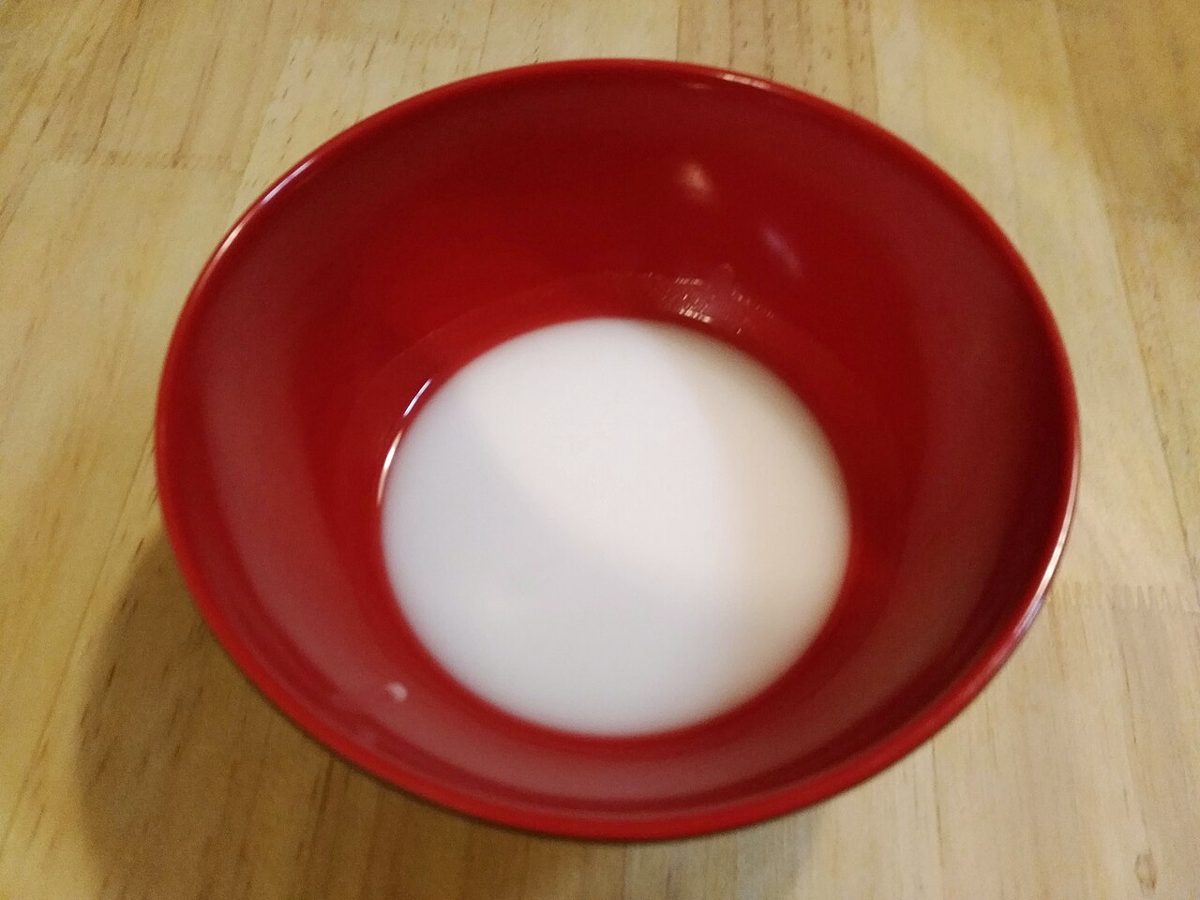
In a glass, mix 2 tablespoons of potato starch with 100 ml of cold water. Stir with a fork until there are no lumps left. The water must be cold.
-
Stir the mixture again, as the starch quickly settles to the bottom. Pour it in a thin stream into the boiling fruits while constantly whisking vigorously. The kisiel will start to thicken immediately.
-
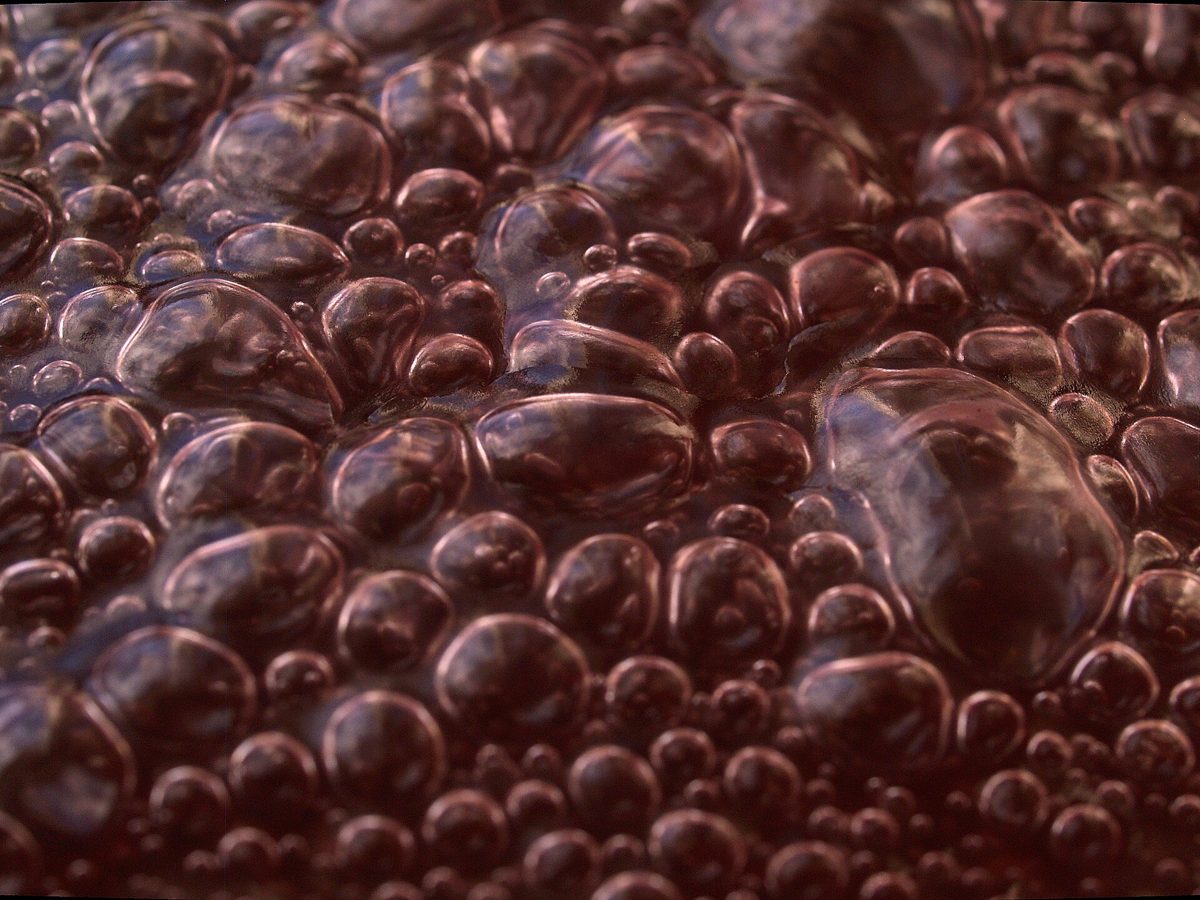
Bring the kisiel to a boil again while stirring, and immediately remove the pot from the heat. Do not cook it longer: potato starch works best in dishes that do not cook for long.
-
Check the thickness. If the kisiel is too thin, mix a teaspoon of starch in 2 tablespoons of cold water, pour it in while stirring, and bring to a boil again.
-
Pour the kisiel into glasses or bowls. Serve warm or set aside for 20–30 minutes to cool. Before serving, decorate with whipped cream, a fresh strawberry, or a mint leaf.
Photos

Comments (0)
No comments yet. Be the first!