The story behind the recipe
Ćwikła z chrzanem, also known as beets with horseradish, is a cold side dish made from beets and horseradish. The word "ćwikła" is also commonly used to refer to the red beet itself. Brückner in the "Etymological Dictionary of the Polish Language" from 1927 notes this word as early as 1472, meaning "betha," and connects it with the Czech "cwikla," the South Slavic "cwekla," and the Greek "seutlon." The Polish Wikipedia traces it back to the Slovak "cvikla." Its exact origin is uncertain.
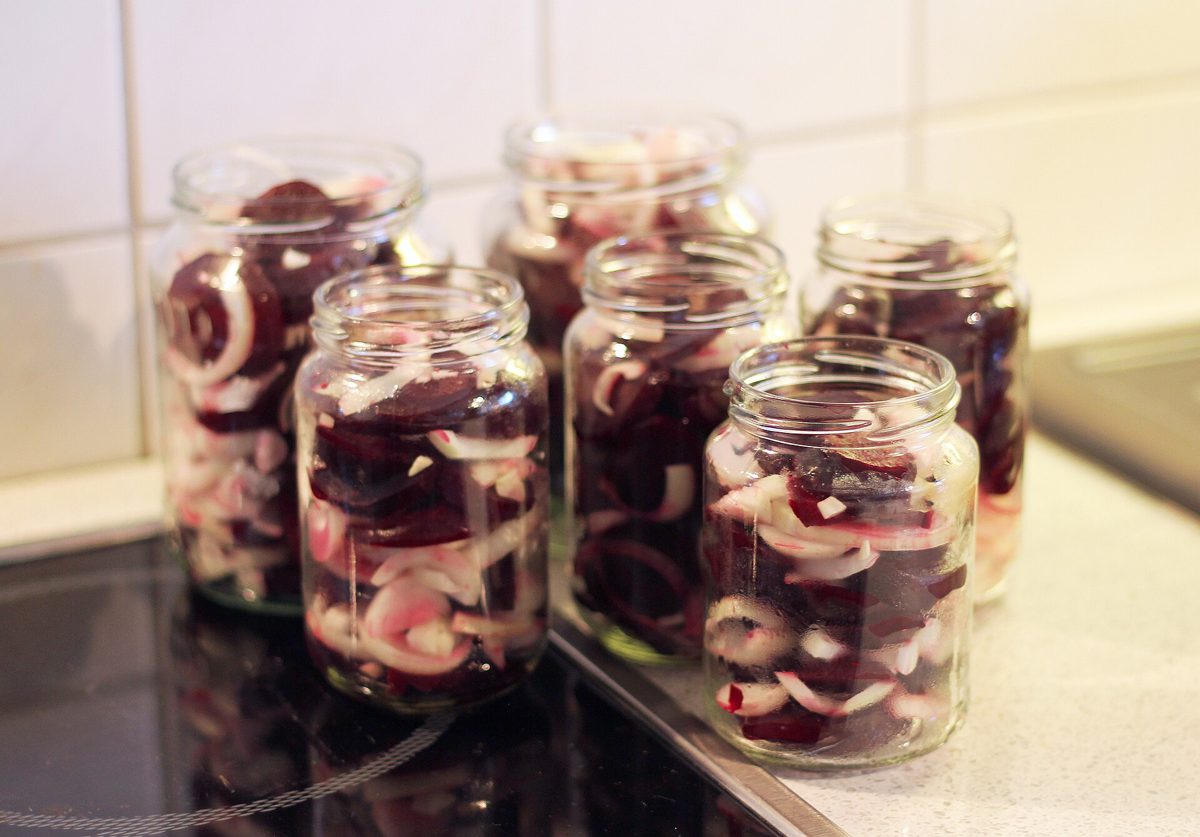
Mikołaj Rej in "The Life of a Good Man" described beets baked in an oven, sliced, layered with horseradish and fennel, drizzled with vinegar and salted, adding that thanks to the horseradish, "it will last long." The Polish Wikipedia, citing Paweł Lis's book "Slavic Cuisine," calls this text the first Polish recipe for ćwikła, dating it to 1567. Gloger wrote in the "Encyclopedia of Old Poland" that ćwikła, which was "sliced, drenched in vinegar, shaken with horseradish, fennel, and salt," was served with meat dishes in rural manors. Ćwierczakiewiczowa in "365 Dinners for 5 Złoty" from 1871 layered slices of cooked beets with grated horseradish and caraway in a jar, while Mrs. Elżbieta (Kiewnarska) in her book "Salads and Salad Dressings" from 1928 wrote that such ćwikła in vinegar would last "for a couple of weeks until the horseradish rests." Thus, old ćwikła was sliced and pickled in vinegar, while today's homemade version is grated.
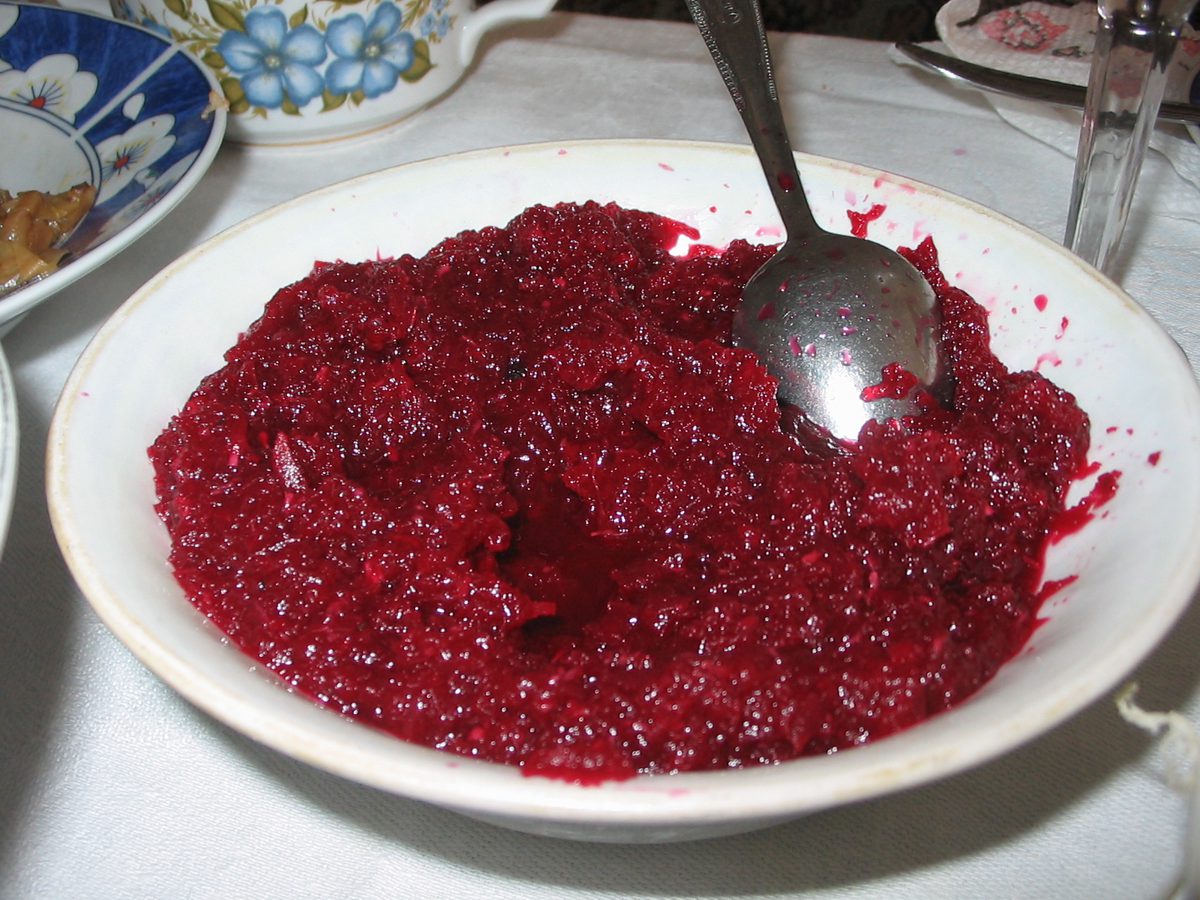
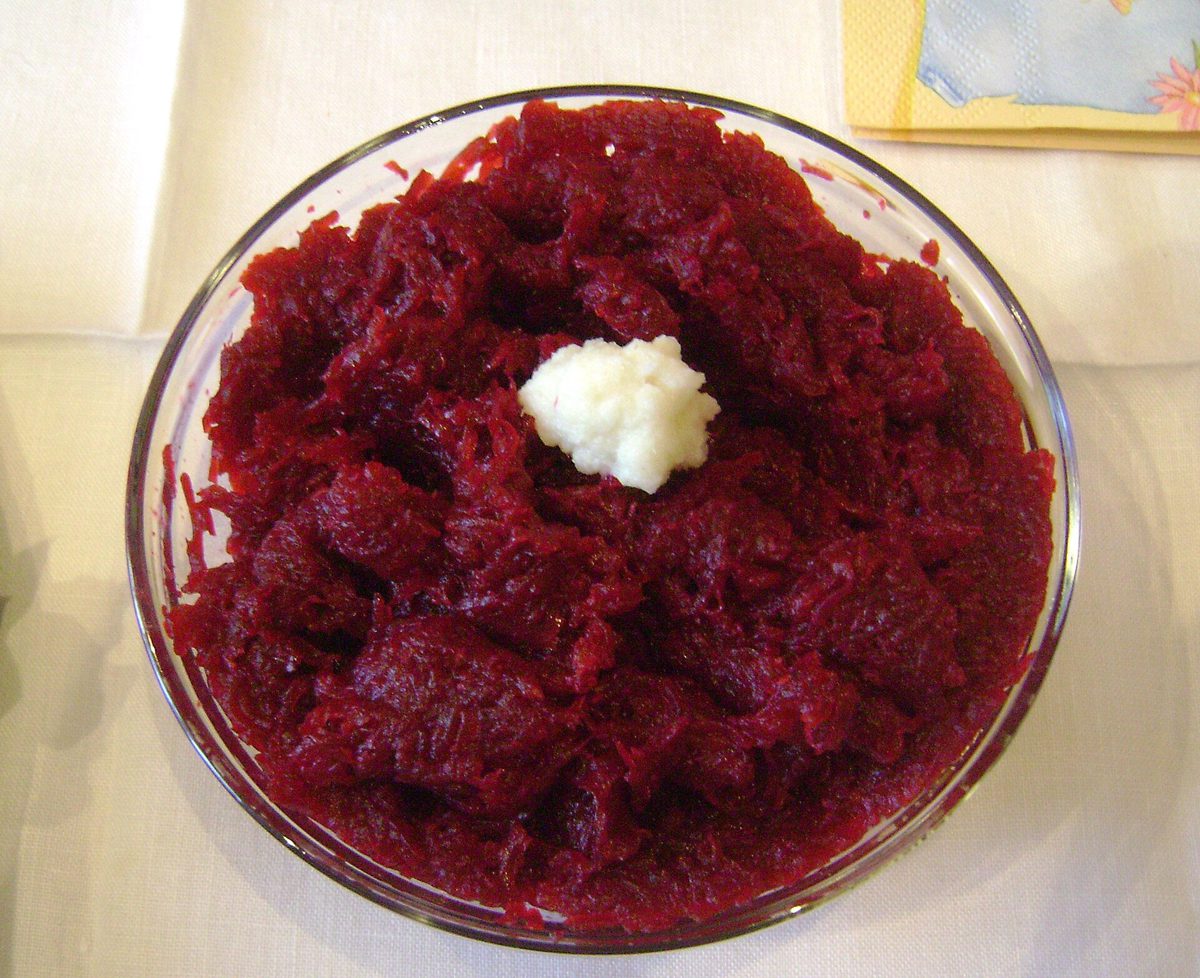
In 2016, "Ćwikła z Werbkowic" from the Lublin Voivodeship made it to the List of Traditional Products of the Ministry of Agriculture. The entry describes it as a smooth mass of grated beets and horseradish, "ranging from red to amaranth, with distinct white specks," with a taste described as "sweet-sour and sharp." According to this entry, ćwikła is eaten cold with lunches and dinners, especially with meats, but "most often associated with the Easter period." A similar side dish is known in German cuisine (Rote-Bete-Meerrettich) and Jewish cuisine (chrain with beet).
Ingredients
Ćwikła (około 500 g)
-
600 g beets (raw, unpeeled, 3–4 medium)
Abroad: USA and Canada: beets; UK and Australia: beetroot; Germany: Rote Bete -
120 g fresh horseradish root (weight before peeling, a piece about 15–20 cm (6–8 inches); or 4–5 tablespoons of grated horseradish from a jar)
Abroad: Germany: Meerrettich, Austria and Bavaria: Kren; from a jar: USA and Canada: prepared horseradish; UK and Australia: grated horseradish; Germany: Meerrettich gerieben (not horseradish sauce) - 2 tbsp (30 ml) boiling water (up to 3 tablespoons, not necessary, for milder horseradish)
- 1 tbsp (about 13 g) sugar (flat, to taste)
- 1 pinch salt (large pinch)
- 15 ml 6% wine vinegar (or 1.5–2 tablespoons of lemon juice)
- 0.5 pc small sour apple (not necessary, finely grated; shortens the shelf life of ćwikła)
Method, step by step
-
Thoroughly scrub the beets, but do not peel them or cut off the ends. Cook them in water until soft, 60–90 minutes depending on size, until a fork easily goes into the center. You can also wrap them in foil and bake at 200°C (400°F) for 60–90 minutes. The beets can be prepared the day before.
-
Soak the horseradish root in cold water for at least an hour. This will help the horseradish retain its nice color and prevent it from drying out.

-
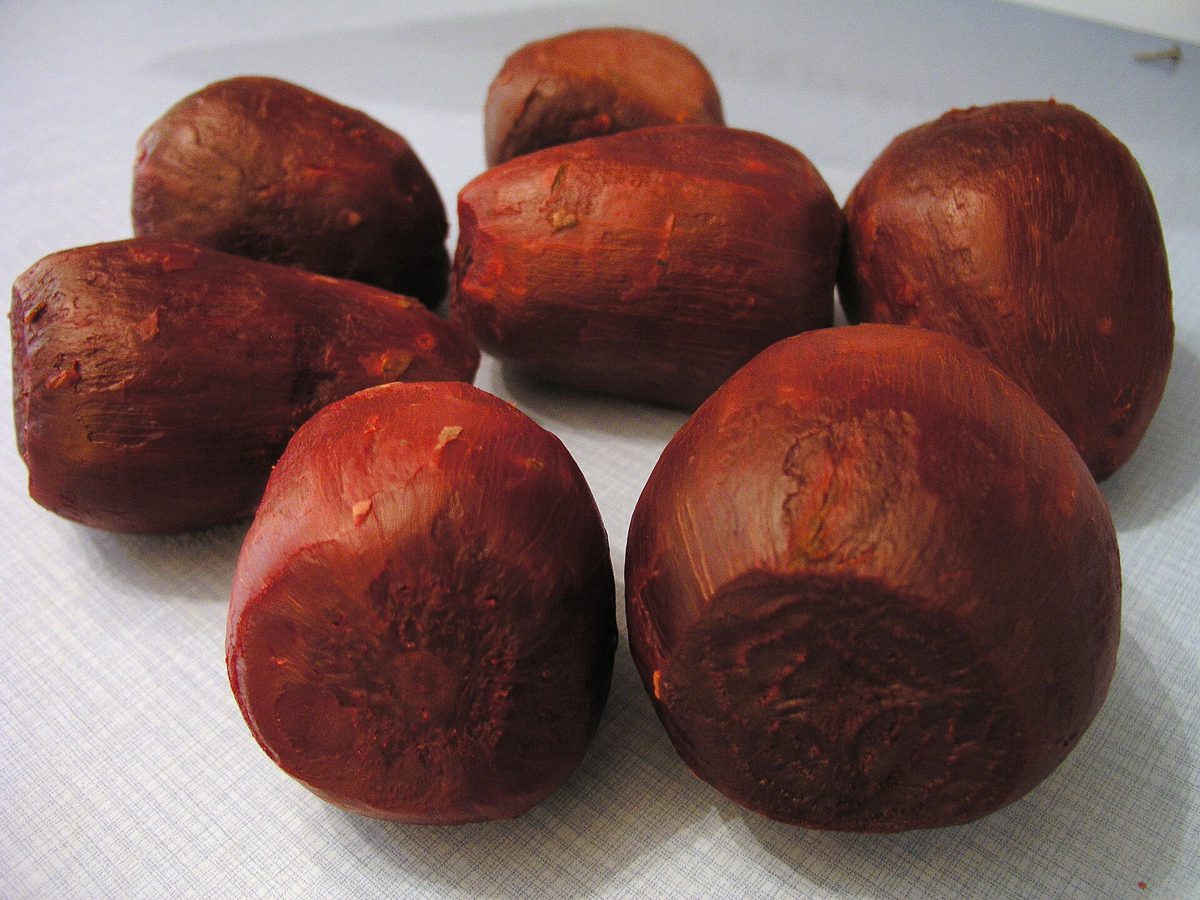
Peel the beets. The skin comes off easiest when they are still warm, but you can also cool them first. Wear gloves, as beets can stain your hands.
-
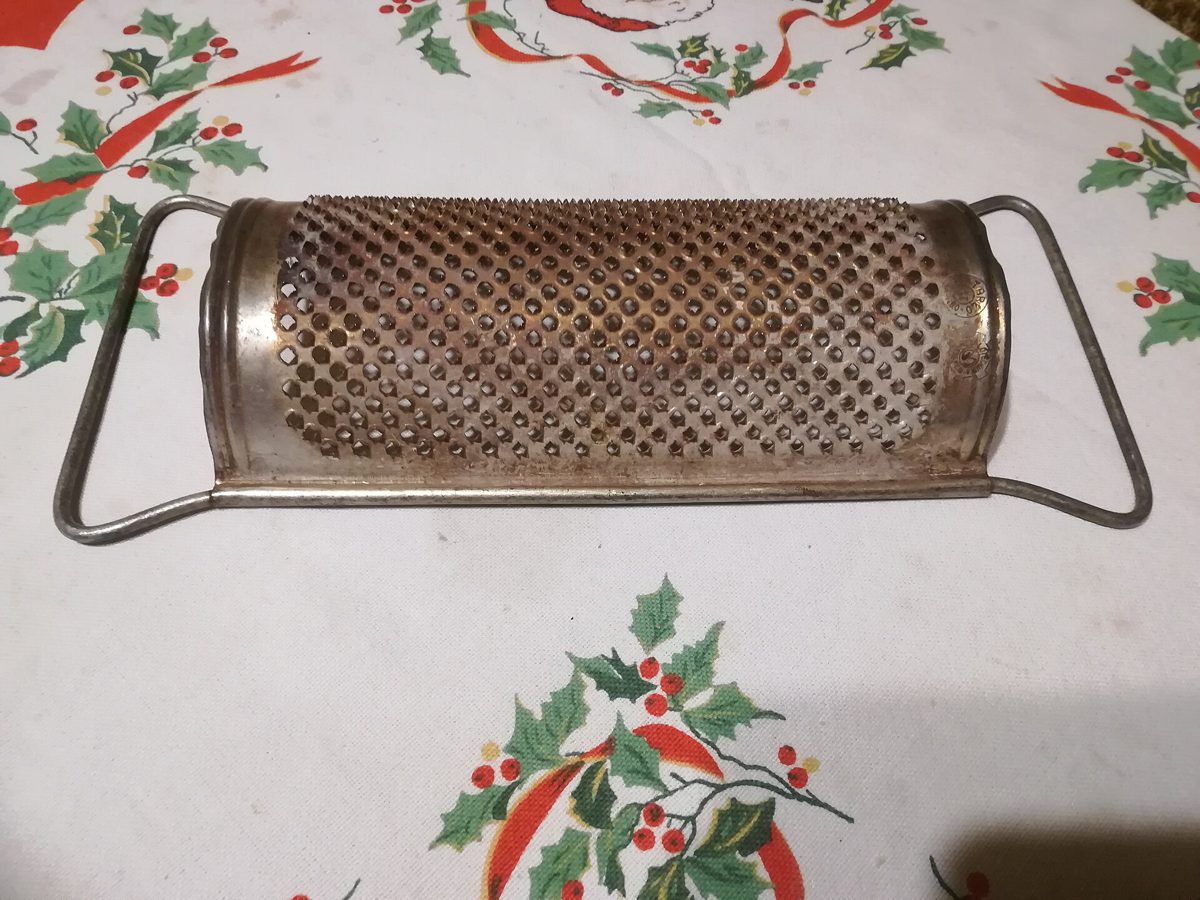
Grate the beets on a fine grater. If you prefer a more distinct texture, grate half finely and half coarsely. Transfer them to a sieve and drain excess juice, otherwise the ćwikła will be watery.
-
Peel the horseradish and grate it on the finest grater, just like potatoes for pancakes. The sharp smell can irritate the nose and eyes, so do not lean too low over the grater.
-
If you prefer a milder ćwikła, pour 2–3 tablespoons of boiling water over the grated horseradish or rinse it with hot water in a sieve. Immediately add vinegar or lemon juice, salt, and sugar, and mix.
-
Combine the beets with the horseradish, but set aside some horseradish at first. Mix and taste: if the ćwikła is too mild, add the rest of the horseradish; if too sharp, add more beets; and if too sour, a bit of sugar. At this stage, you can also add the grated apple.
-
Transfer the ćwikła to clean jars, seal, and place in the refrigerator for at least an hour, preferably for several hours or overnight, to let the flavors meld. After resting, taste again and adjust seasoning if necessary.
-
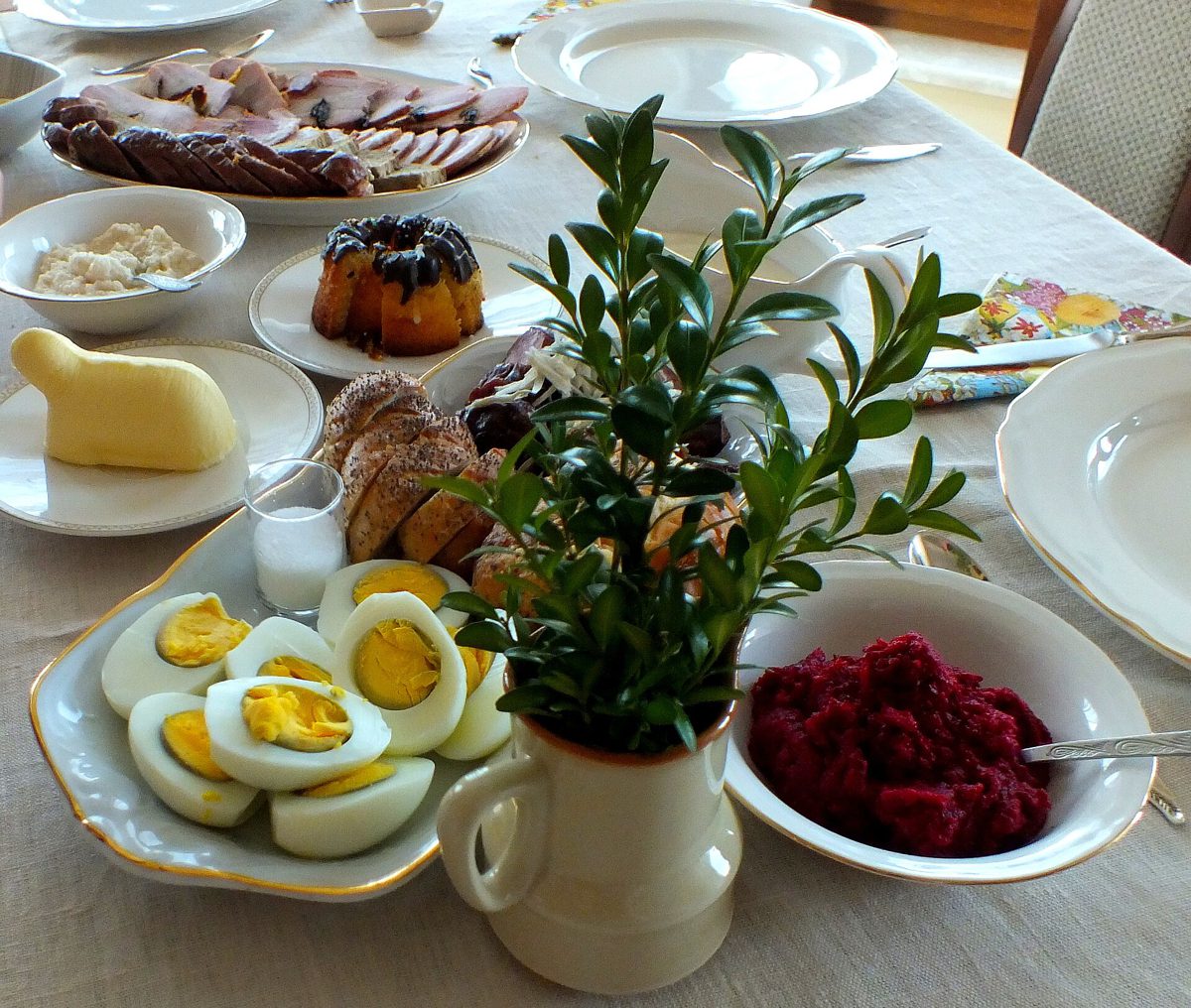
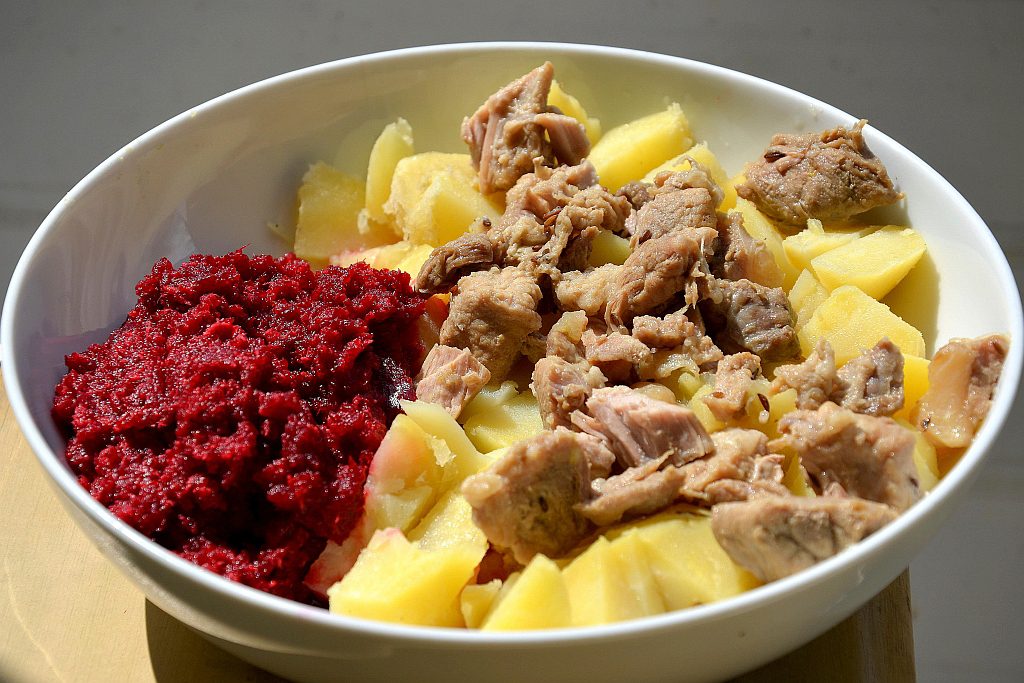
Serve cold: with cold cuts, ham, sausage, and roasted meat, with boiled meat, or for Easter breakfast with eggs.
Photos