The story behind the recipe
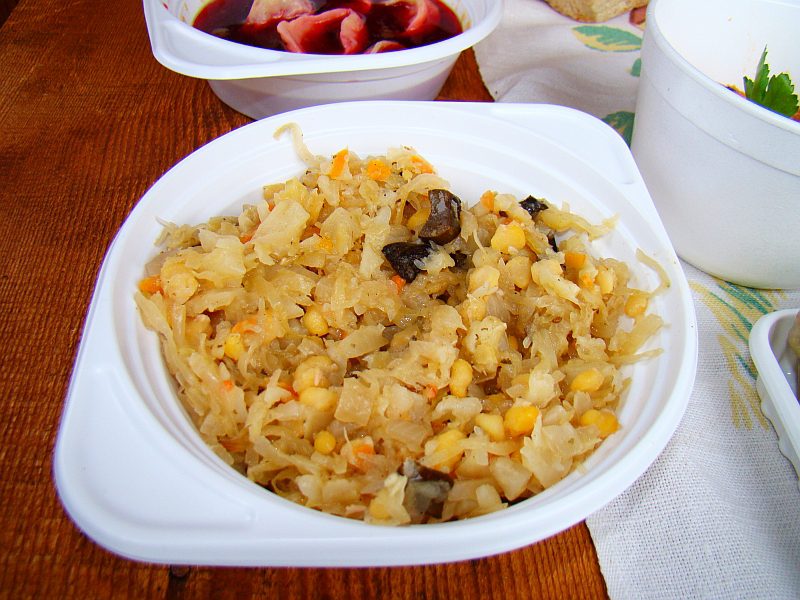
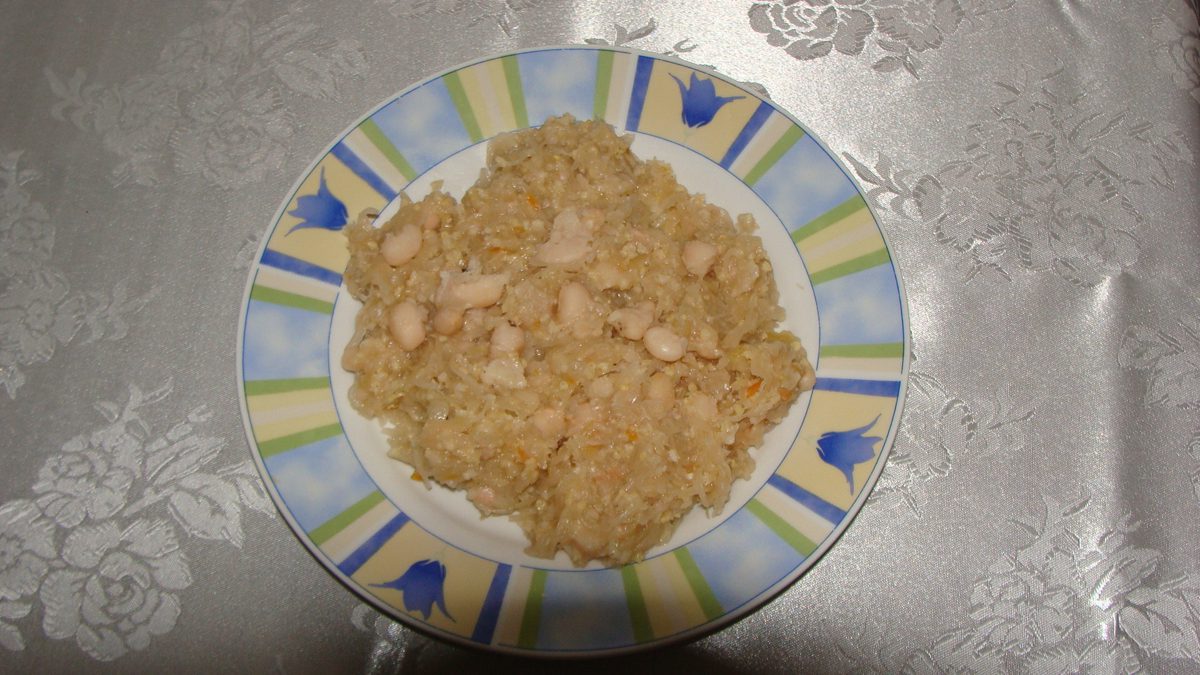
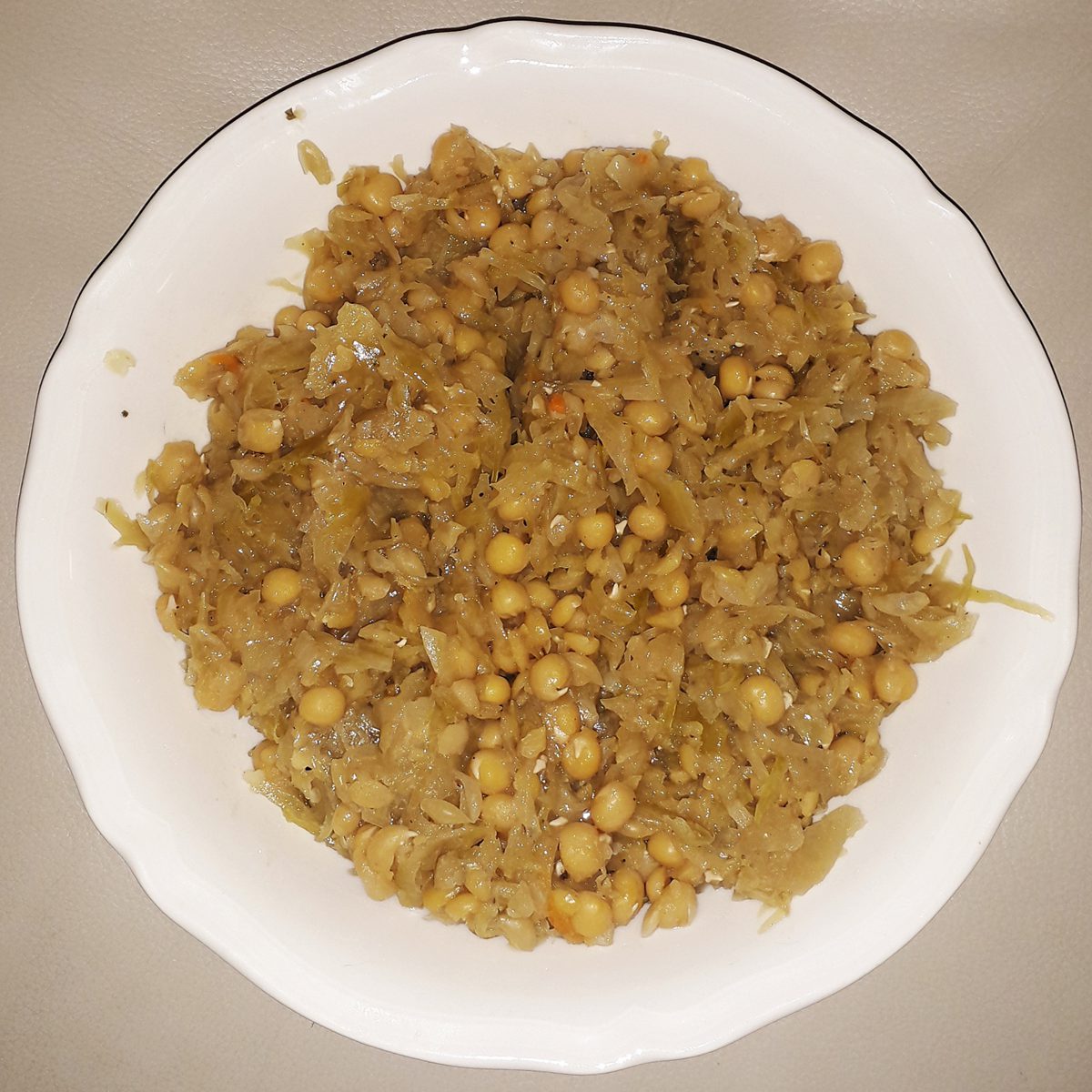
Kapusta wigilijna po pysznicku comes from Słomiana in the Pysznica community, in the Stalowa Wola district of Podkarpacie. In 2010, it was added to the List of Traditional Products by the Ministry of Agriculture. The entry card reminds us that the community is home to the Janowskie Forest Landscape Park, part of the Solska Forest, and states that the holiday cabbage was "always prepared during the Christmas Eve supper in Pysznica." It was considered a delicacy and, according to the card, is still served every year on the Christmas table in the Pysznica community.
The card describes a whole day's work. On Christmas Eve morning, a pot with soaked peas was placed on a baking sheet, which was usually cooked in the same water it soaked in; the card refers to it as "the so-called bomb," but does not explain what kind it is. The cabbage was taken out with a wooden spoon from an oak barrel and boiled, changing the water for cold several times until it stopped being sour. Finally, "4 handfuls of jagieł," meaning millet, were added, along with the peas and their water, onions sautéed in butter, and country sour cream. The card does not provide other quantities, so the proportions in this recipe are editorial.
Pysznica and Stalowa Wola are located in the area of the Lasowiacy, an ethnographic group from the former Sandomierz Forest, who referred to themselves as "Lesioki." According to Wikipedia, their traditional cuisine was based on grains, mainly millet and buckwheat, as well as potatoes and cabbage. A similar dish from Cygan in the Nowa Dęba community was added to the list in 2014 as "cabbage with peas and millet": a "peasant Lenten dish" for Christmas Eve, in which oil was used instead of butter and sour cream. It is not certain how old the version from Pysznica is, as the card does not provide any date.
Ingredients
Groch
-
150 g dry split peas (soaked overnight; the card from Pysznica does not specify whether the peas were whole or split)
Abroad: USA, Canada, and the UK: yellow split peas; Germany: gelbe Schälerbsen - 750 ml cold water (for soaking and cooking the peas)
Kapusta
-
800 g fermented cabbage
Abroad: UK: Krakus Sauerkraut (Morrisons); USA: Silver Floss Barrel Cured Shredded Sauerkraut; Germany: Sauerkraut; best without vinegar in the ingredients -
100 g millet (rinsed)
Abroad: USA: hulled millet; UK: millet grain; Germany: Hirse
Okrasa
- 200 g onion (2 medium, diced)
- 40 g butter
-
150 g thick sour cream 18%
Abroad: sour cream; Germany: saure Sahne or Schmand - salt and ground black pepper (to taste)
Method, step by step
-
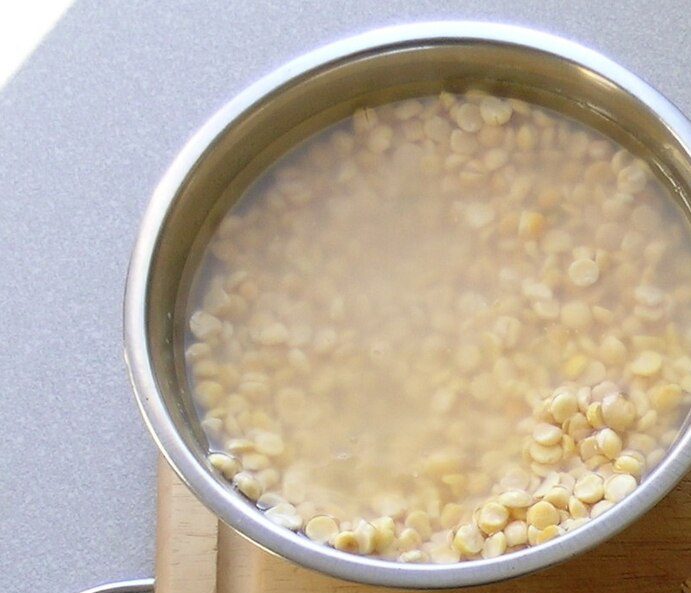
The day before, rinse the peas in cold water. Pour 750 ml of cold water into the pot you will cook them in and leave them overnight.
-
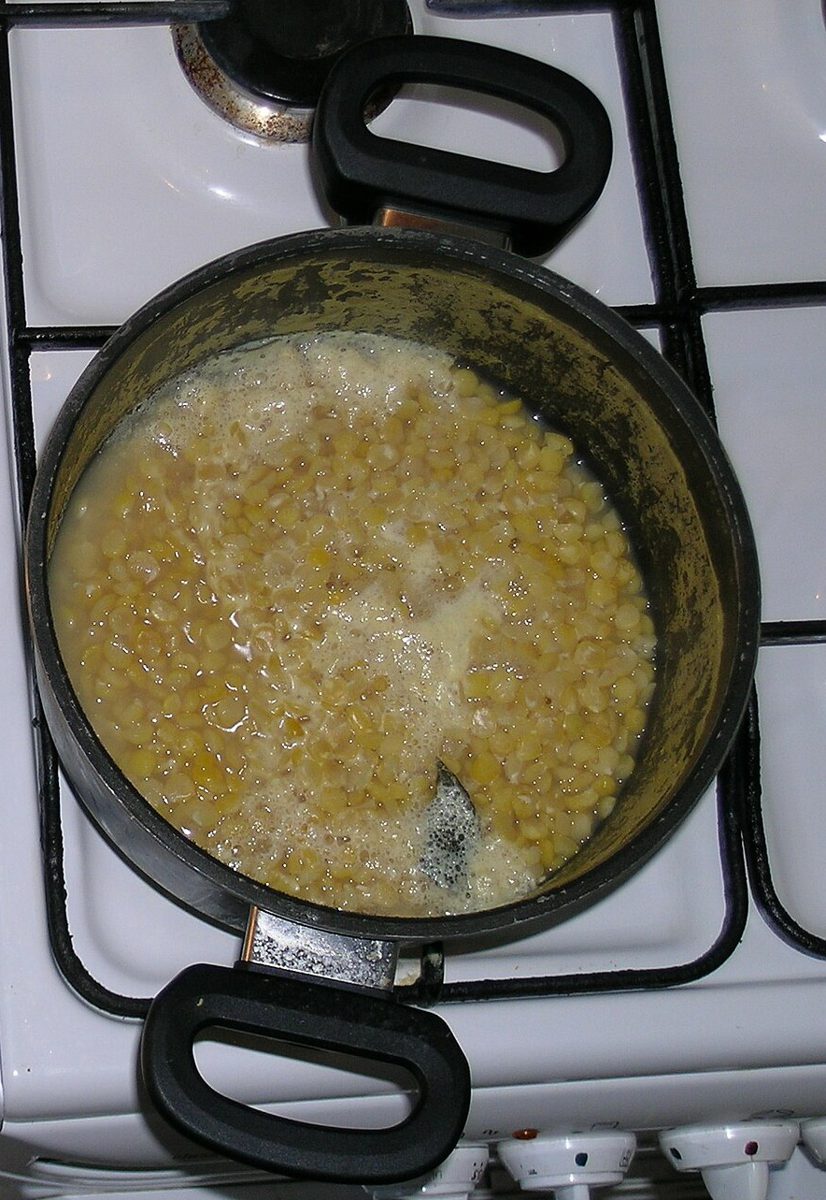
Cook the peas in the same water they soaked in, covered, on low heat for about an hour, until completely soft. Skim off the foam. Do not drain the water, as the peas will go into the cabbage with it. If the water evaporates too much, add a little hot water.
-
Meanwhile, chop the fermented cabbage briefly, transfer it to a large pot with a thick bottom, cover it with cold water, and bring to a boil. After a few minutes, drain the water, cover the cabbage with fresh cold water, and continue cooking. Taste: when the acidity is mild but the cabbage is still sour, do not change the water anymore. In the end, there should be just enough water left in the pot to barely cover the cabbage.
-
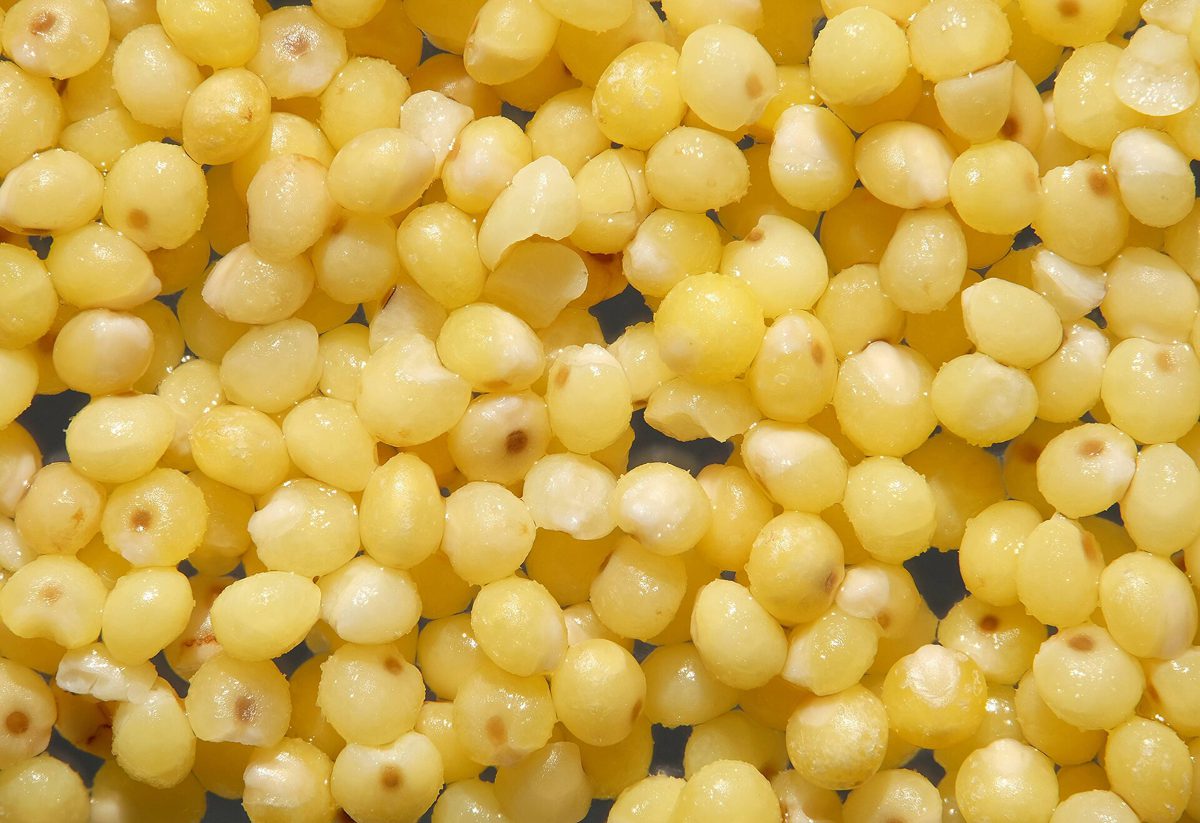
Pour the millet into a sieve, rinse it in cold water, and then pour boiling water over it. This will remove the bitter taste.
-
Add the millet to the cabbage, mix, and cook on low heat, covered, for about 15 minutes, until the millet softens. Stir occasionally, as the millet absorbs water and the mixture thickens.
-
Pour the cooked peas into the cabbage along with the water they cooked in. Cook everything slowly for another 10 minutes, stirring occasionally to prevent burning. The mixture should be thick.
-
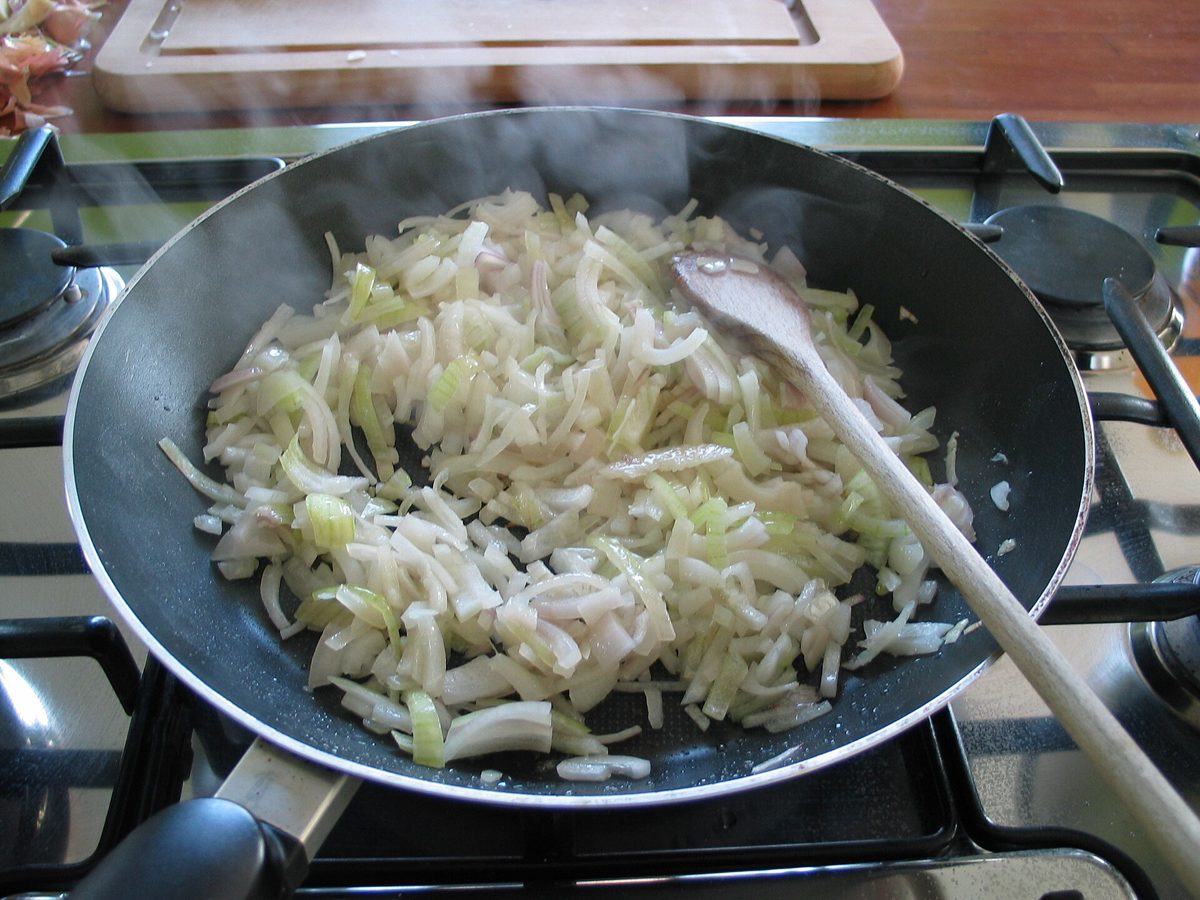
Dice the onion and sauté it in butter over medium heat for about 10 minutes, until soft and golden.
-
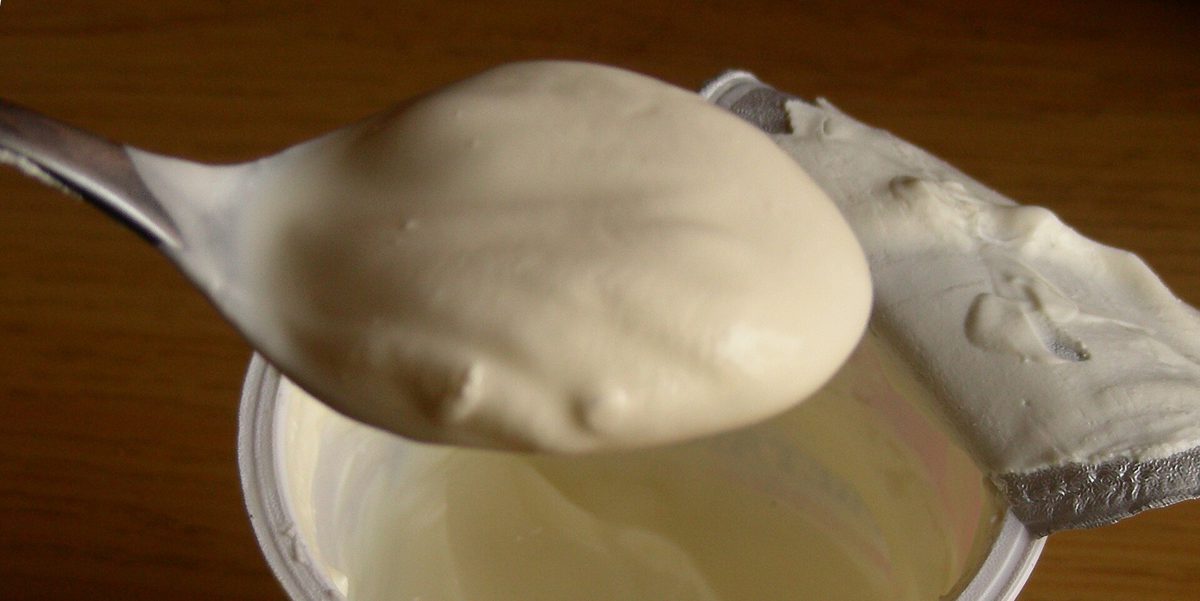
Add the onion to the cabbage along with the butter and sour cream, mix, and heat for a moment, but do not cook for long. Season with salt and pepper only at the end, as fermented cabbage can be salty.
-
Serve hot on the Christmas table as one of the dishes for everyone during the supper.
Photos