The story behind the recipe
Pierogi z jagodami is a seasonal dish made when berries ripen in the forest. According to Polish Wikipedia, in the warmest regions of Poland, berries mainly fruit from June 19 to July 14, and Ania Gotuje has been making these pierogi from the end of June to mid-July. The berry is also called black berry or czernica, and in southern Poland, it is referred to as borówka, so 'pierogi z borówkami' from Podkarpacie or Małopolska is the same dish. However, in stores, borówka usually means American blueberry, which is a different fruit.
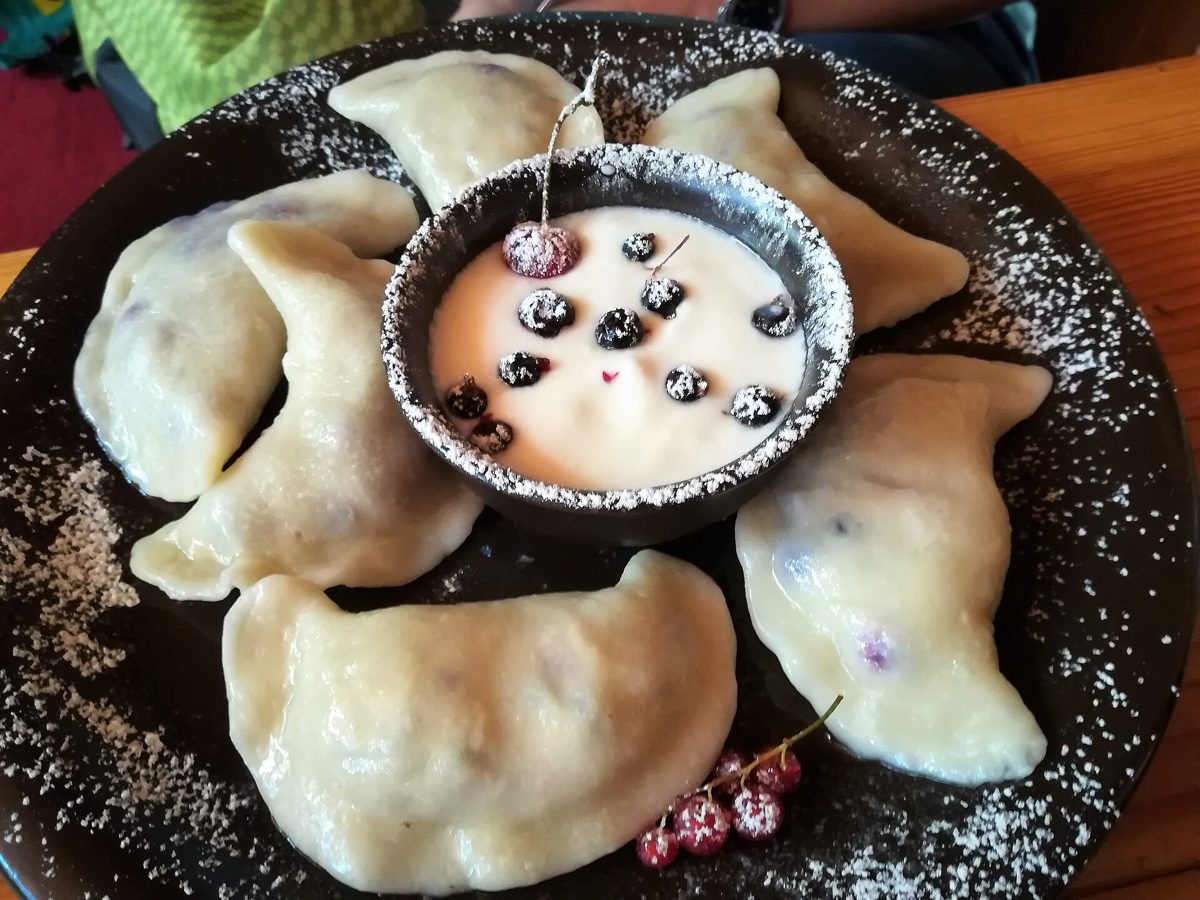
On the List of Traditional Products by the Ministry of Agriculture, there are 'Pierogi z jagodami z Myszyńca' from Kurpie, registered on September 6, 2017. The entry tells that for the Kurpie people, gathering berries and mushrooms in the forest was an important part of life, and when the first berries ripened, entire villages would go to pick them. During the season, 'pierogi z jagodami were an everyday dish.' The filling was made from fresh berries, often picked that same morning, without sugar, flour, or breadcrumbs. Everyday pierogi were larger and simpler, while those for guests had a decorative frill and were placed in a large bowl in the center of the table. The berries are tart, so they were drizzled with cream or honey, which was plentiful in Kurpie.
The second entry is 'Pierogi jagodowe lubelskie,' added to the list on September 26, 2022. Lublin is a forested region, and family trips to the forest ended with such dishes, with recipes passed down from mother to daughter. The Feast of Our Lady of the Blueberries on July 2 opened the 'green period' in the folk calendar, and it was believed that only from that day could berries be picked and eaten.
Ingredients
Dough (about 40 pierogi)
-
400 g all-purpose flour (cake or universal)
Abroad: USA: all-purpose flour; UK: plain flour; Germany: Type 405 - 1 pc egg (size M)
- 40 g butter (melted and cooled)
- 200 ml water (boiled, warm)
- ½ tsp (about 3 g) salt
Filling
-
450 g berries (fresh or frozen)
Abroad: USA and Canada: frozen wild blueberries; UK: bilberries; Germany and Austria: Waldheidelbeeren -
1 tbsp (about 9.5 g) potato flour
Abroad: potato starch; Germany: Kartoffelstärke - 1 tbsp (about 13 g) sugar (1–2 tablespoons, optional; traditionally without sugar)
For serving
-
250 ml 18% cream (or 30% for a thicker sauce)
Abroad: USA: light cream; UK: single cream; Germany: Kochsahne; 30%: whipping cream, Schlagsahne -
2 tbsp (about 14 g) powdered sugar
Abroad: USA: powdered sugar; UK: icing sugar; Germany: Puderzucker -
1 tsp (5 ml) vanilla sugar
Abroad: Germany: Vanillezucker; USA and UK: a few drops of vanilla extract - 1 handful fresh berries (optional)
For cooking
- 3 l water
- 1 tbsp (about 18 g) salt
Method, step by step
-
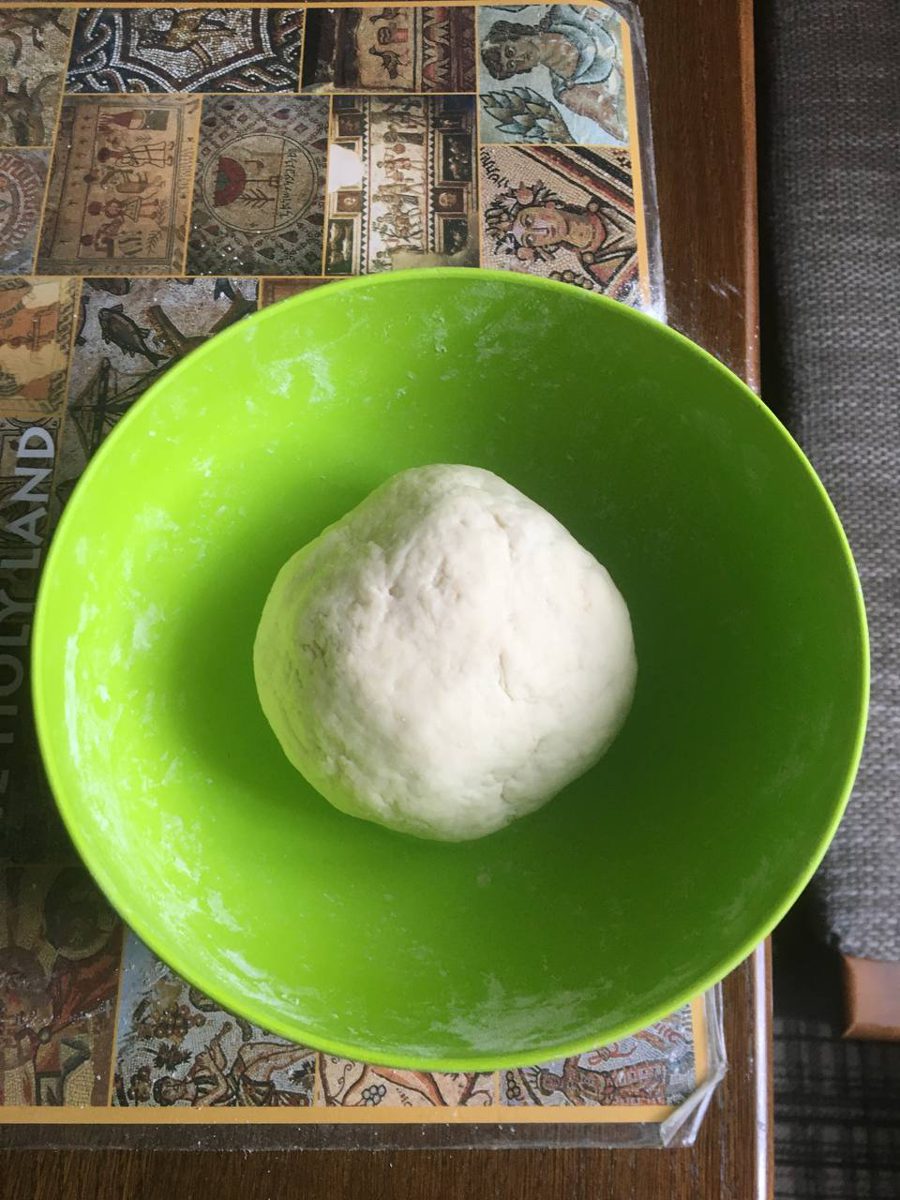
Dough: sift the flour with salt into a bowl and make a well. Crack in the egg, pour in the melted butter and warm boiled water. Mix with a spoon, then briefly knead by hand into a soft, slightly sticky dough. If you measure the ingredients precisely, you won't need to add more flour. Wrap the dough in plastic wrap and place it in the fridge for 30 minutes.
-
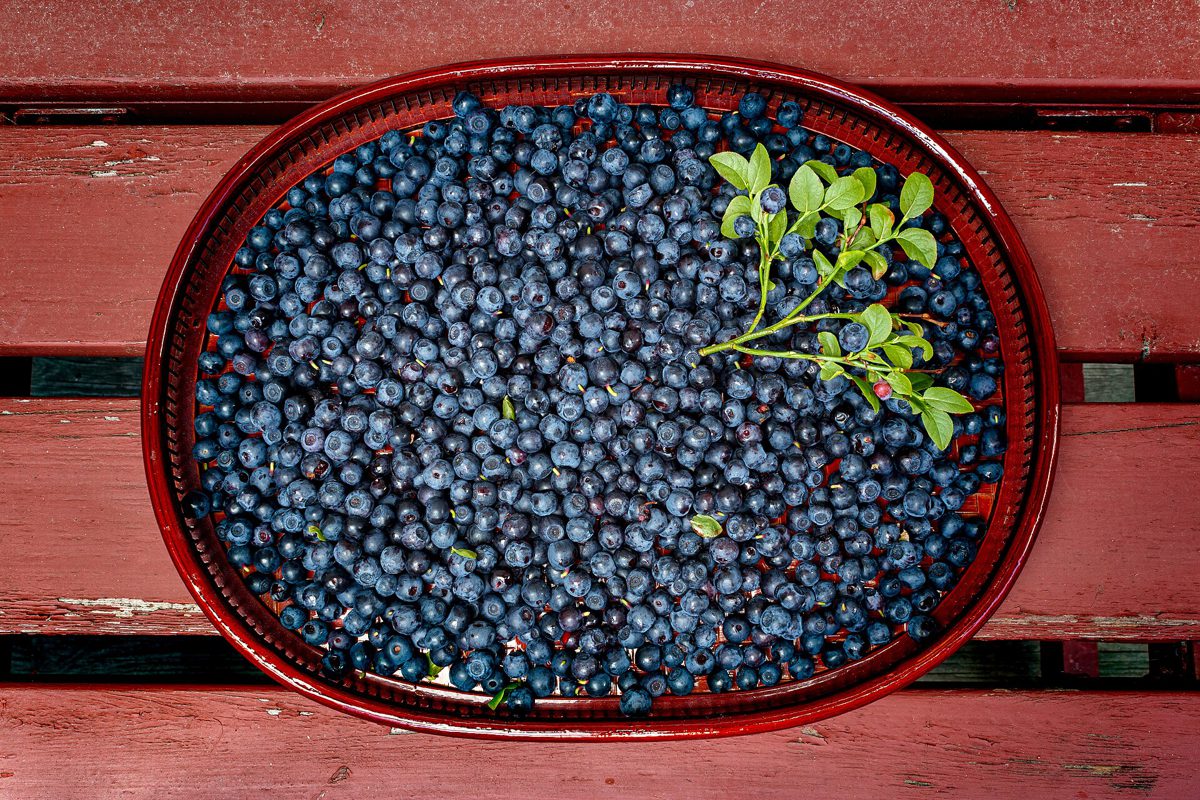
Rinse fresh berries briefly, dry them on a paper towel, and sort them, removing leaves and stems. Spread them on a tray and dust with potato flour. Do not thaw frozen berries: take them out of the freezer just before shaping.
-
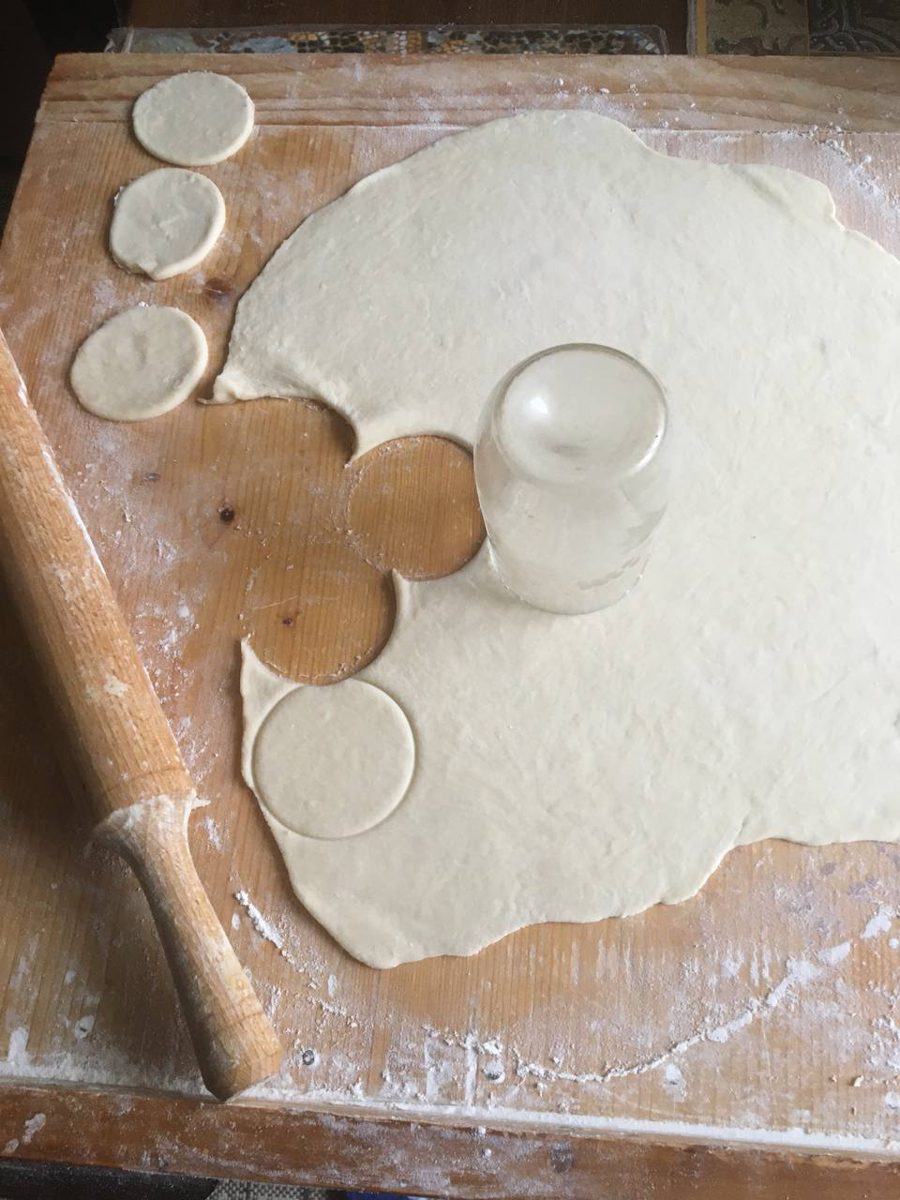
Roll out one-third of the dough, keeping the rest covered with a damp cloth. Roll it out very thinly, to about 2 mm (1/16 inch), and cut out circles with a glass, about 7–8 cm (2¾–3⅛ inches) in diameter. You can slightly stretch each circle with your fingers.
-
If you are sweetening the filling, sprinkle the berries with sugar now and gently mix. Sugar draws juice from the fruit, so do not do this earlier.
-
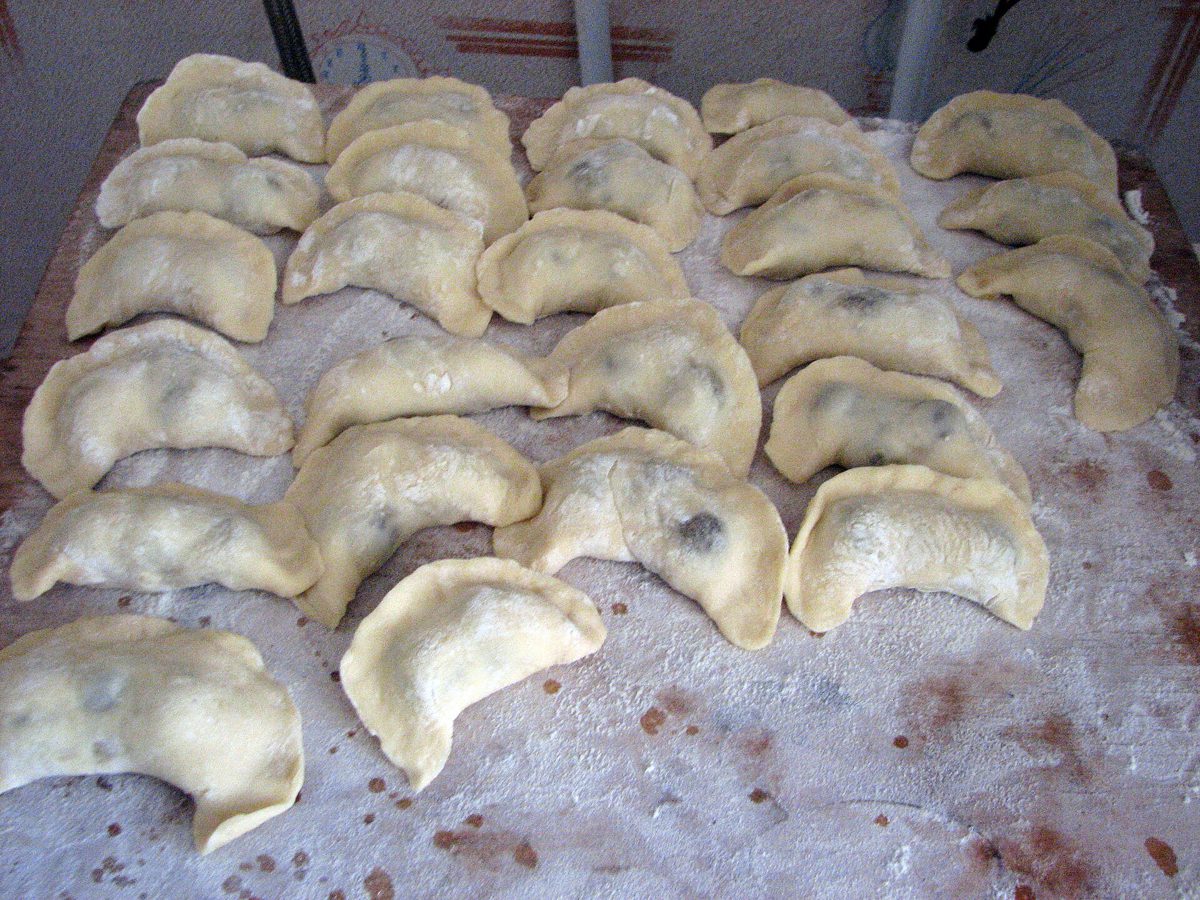
Place a full teaspoon of berries, about 10 g, in the center of each circle. Fold the circle in half and carefully seal the edges, then make a frill that closes the pieróg well. The edges must remain dry, as wet edges will not seal.
-
Place the finished pierogi on a floured countertop and cover them with a damp cloth. Knead the dough scraps together and roll them out again.
-
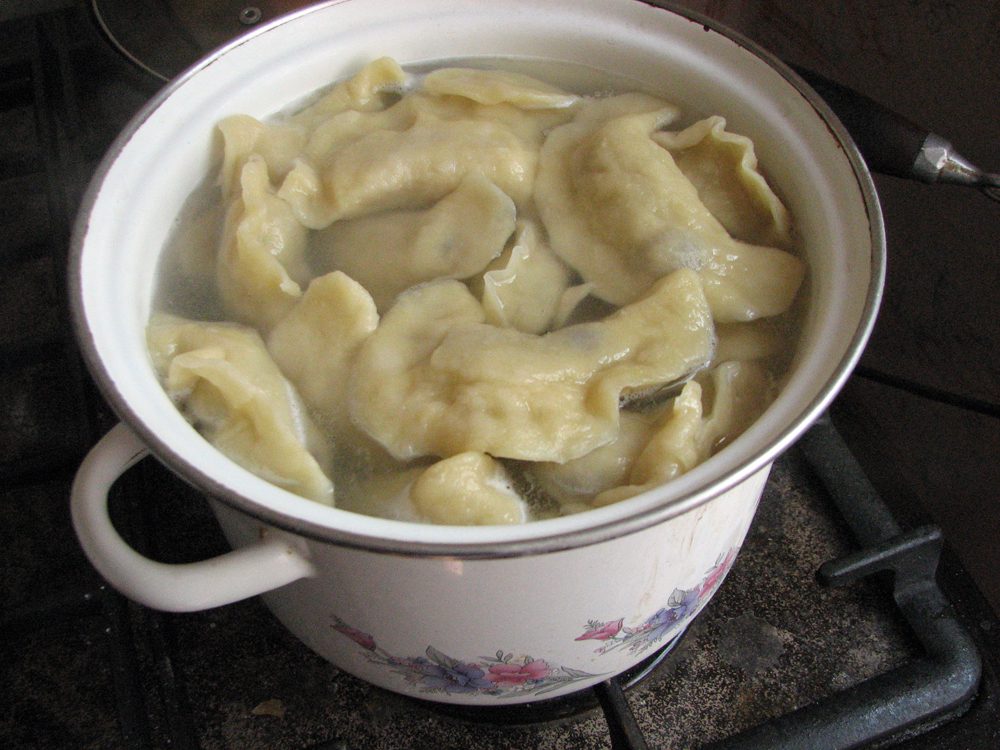
In a large pot, bring 3 liters of water with a tablespoon of salt to a boil. The water should not be boiling vigorously. Drop the pierogi in batches, about 15 at a time. They will float after about a minute, then cook for another 2–4 minutes. A pieróg that floats immediately has an air bubble inside: wait a minute before you start timing. For thinner dough, take one out earlier and taste it.
-
Remove the pierogi with a slotted spoon, drain well, and lay them out separately on a buttered plate or tray so they do not touch.
-
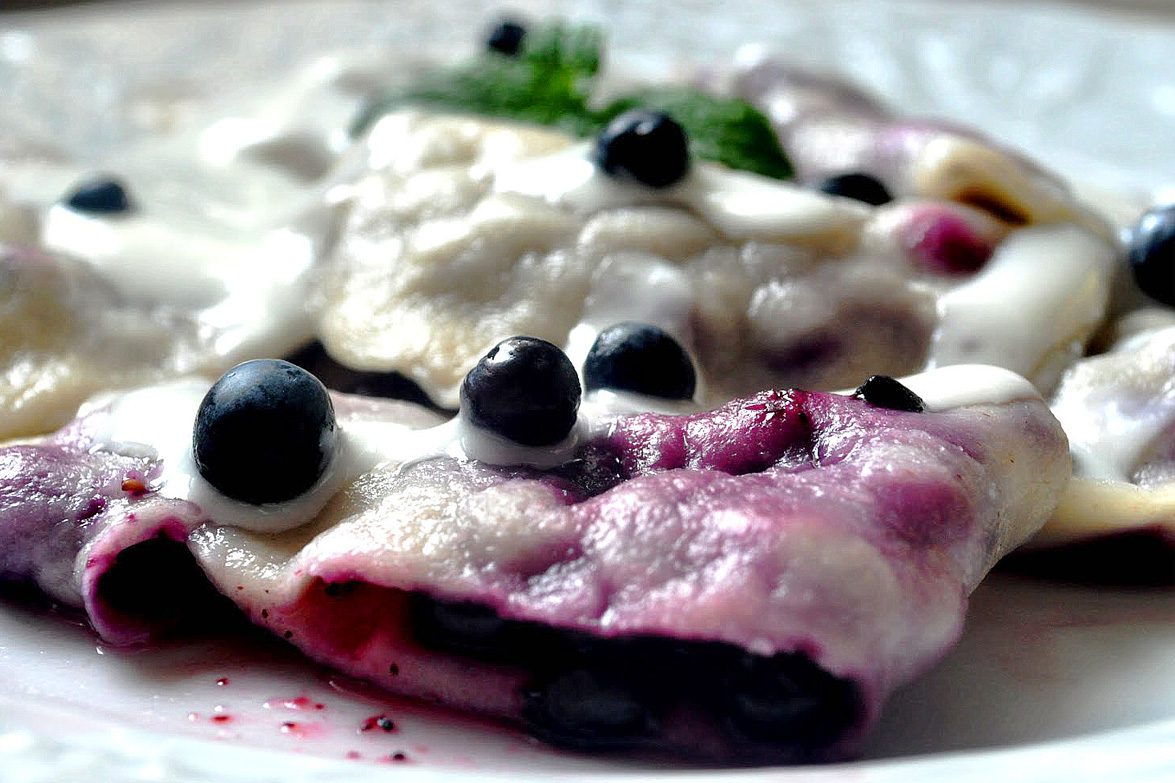
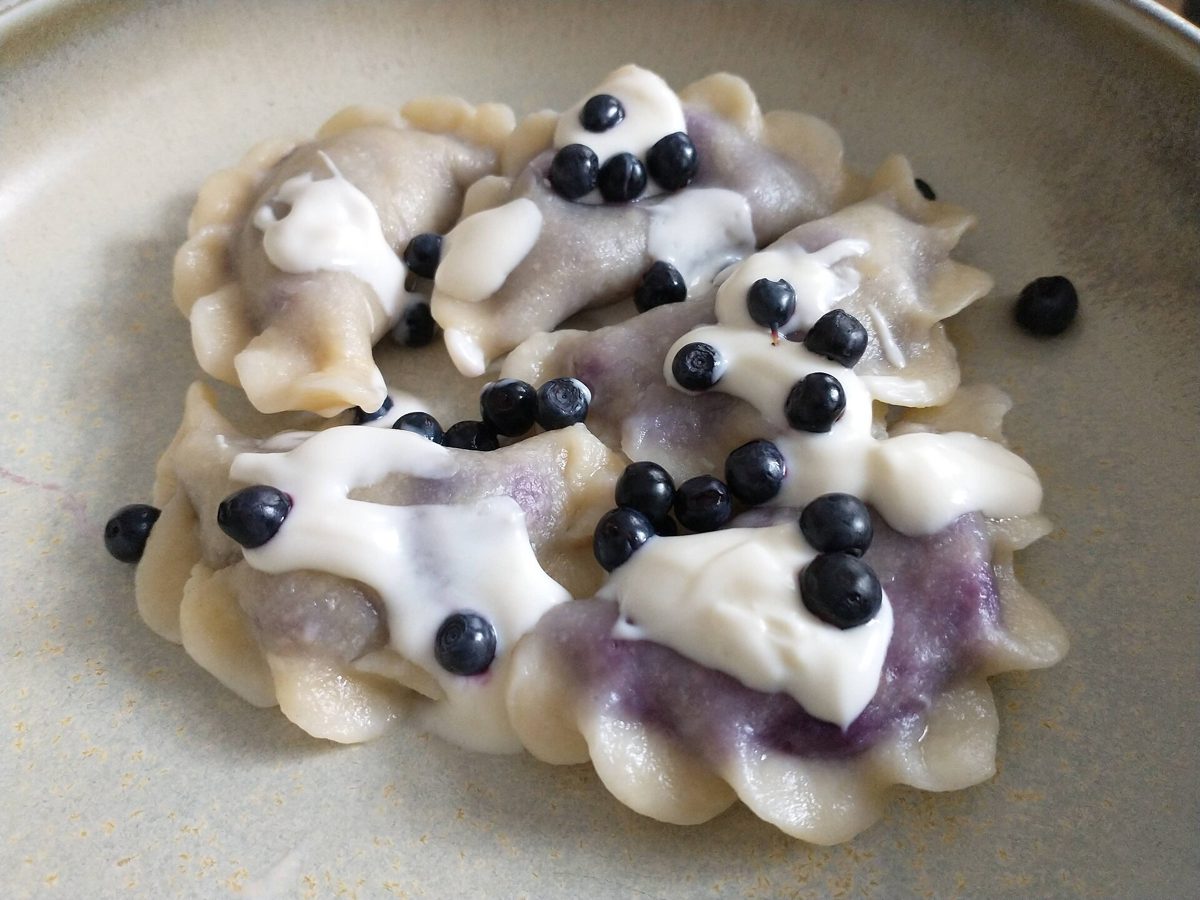
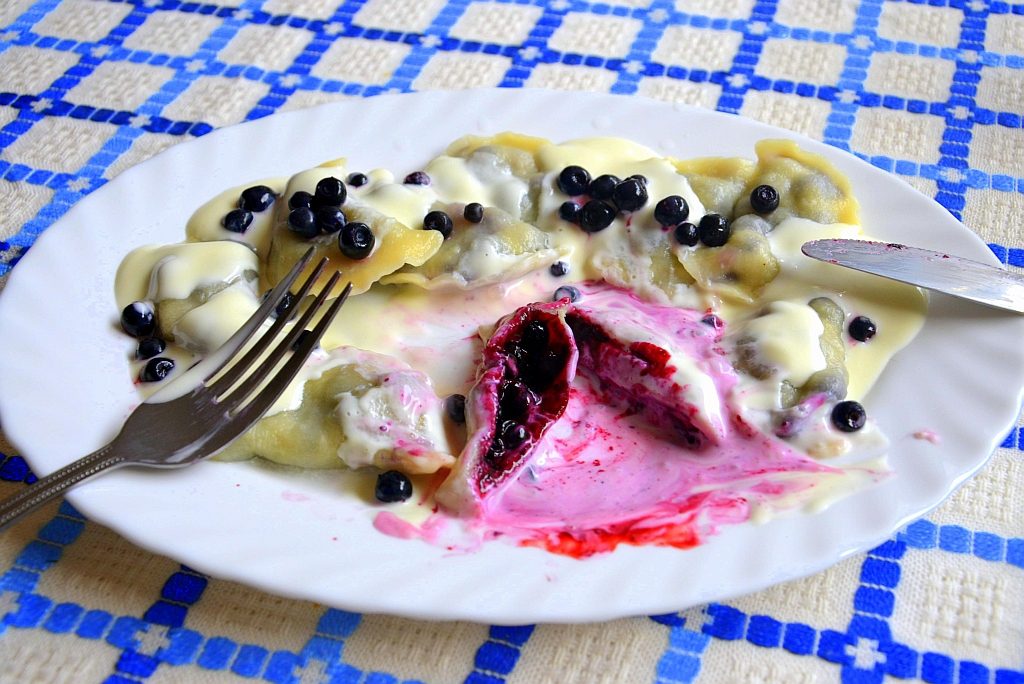
Mix the cream with powdered sugar and vanilla sugar. Drizzle the hot pierogi with the cream and sprinkle with a handful of fresh berries.
Photos