The story behind the recipe
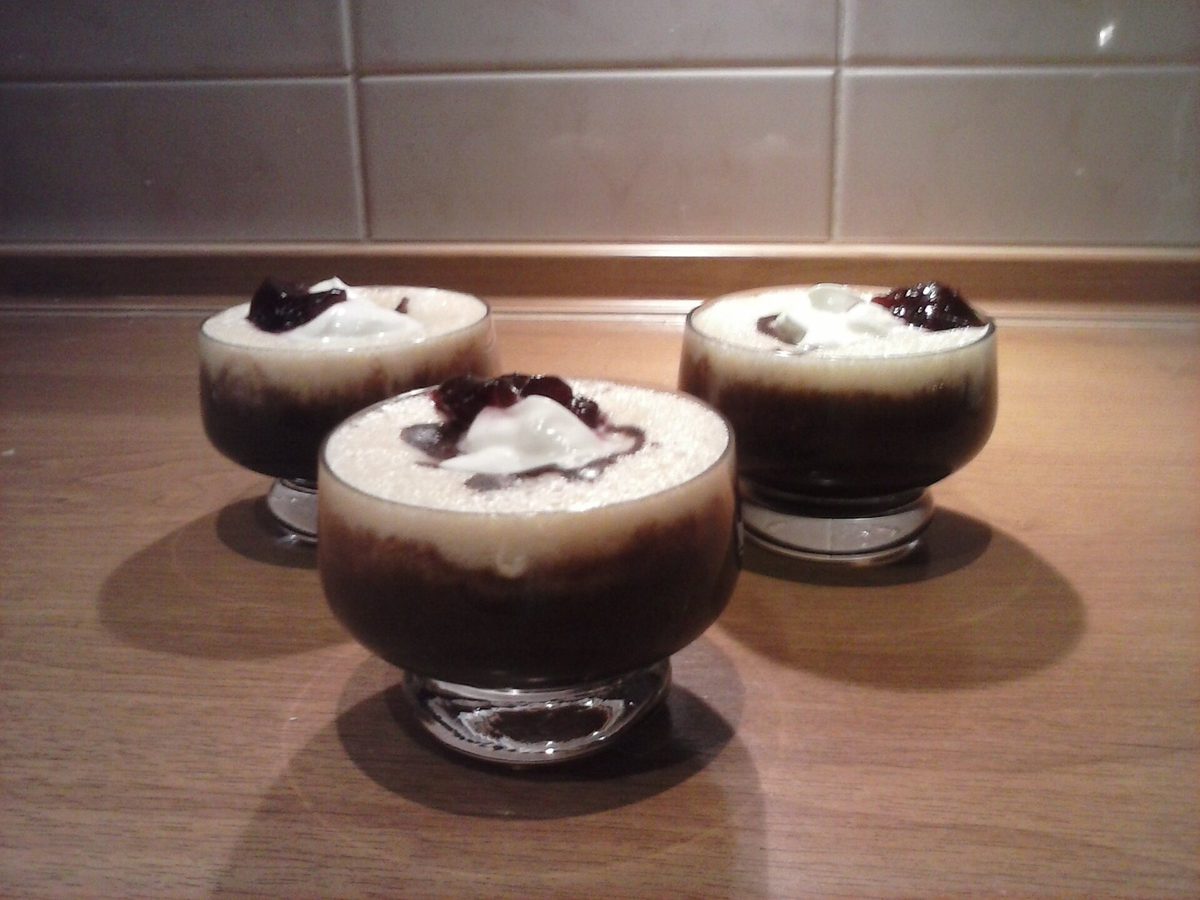
Szpajza is a lemon-flavored egg dessert, light and fluffy, that takes the shape of the dish it is served in. Since September 12, 2006, "Lemon Szpajza (lemon cream)" has been on the List of Traditional Products as a product from the Silesian Voivodeship. According to the ministry's card, it was one of the most popular desserts served after dinner during important celebrations: for church feasts, weddings, and first communions. The dessert has been known "probably since the end of the 19th century," and it became particularly popular in the 20th century. The card also states that a portion made from 4 eggs yields about one liter of cream.
In 2021, "citron szpajza" was also added to the list, which is a lemon szpajza from Opole Silesia. Its card mentions that adults ate pastries and cakes with buttery creams at celebrations, while children awaited the cream "delicate as a cloud." Szpajza was served after festive dinners, at birthdays, or "geburstagu," at weddings, and christenings. The Silesian Cuisine portal notes that in the early 20th century around Tarnowskie Góry, szpajza could be lemon, gooseberry, cherry, or chocolate, and during holiday dinners in Upper Silesia, compote was served instead of tea.
The name comes from German. Linguist Daniela Pelka from Opole University, in an article from 2023, traces the Silesian "szpajza" back to the German word "Speise," meaning dish. One of the Silesian culinary lexicons connects it to "Eierspeise," but according to Pelka, the source is rather the word "Speise" itself, so it is not certain which version is correct. Winiary also provides the name "cytronszpajza," which they claim is used in some regions.
Ingredients
Szpajza
-
4 pcs eggs (at room temperature)
Abroad: USA: pasteurized shell eggs; UK: eggs with the red British Lion mark - 4 tbsp (about 50 g) fine sugar
- 1 pc large lemon (juice and grated zest)
-
4 tsp (20 ml) powdered gelatin
Abroad: USA and Canada: Knox Unflavoured Gelatine, about 1 and 1/3 packets of 7 g; UK: powdered gelatin; Germany: Gelatine gemahlen - 125 ml cold water (half a cup)
- 1 pinch salt (for egg whites)
To serve
- whipped cream
- slices of lemon or fruits (e.g., cherries, raspberries, blueberries)
Method, step by step
-
Sprinkle the gelatin into a small pot with cold water, stir, and let it sit for a few minutes until it swells. Then heat it over low heat, stirring, just until completely dissolved. Do not let it boil. Set aside to cool.
-
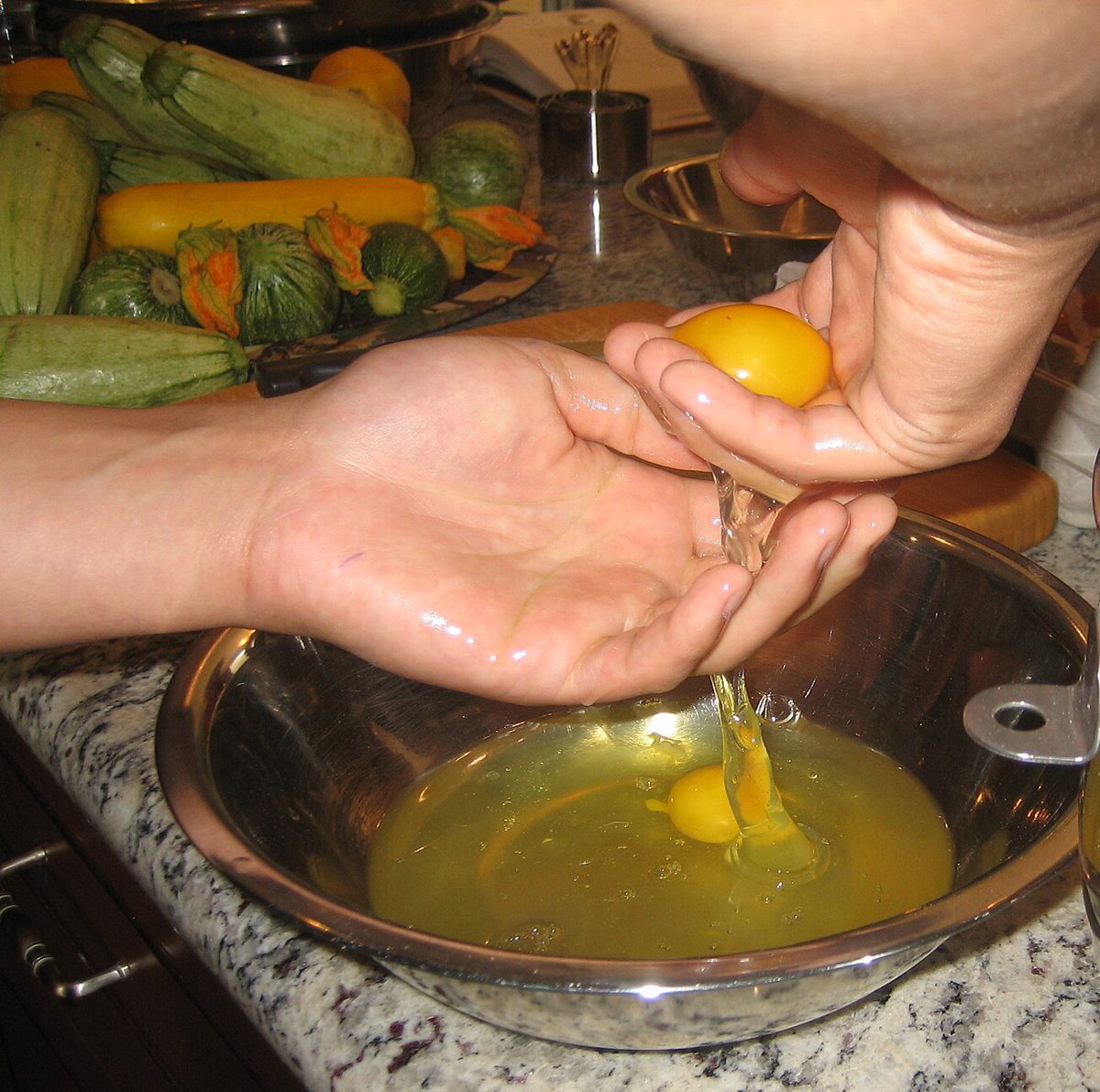
Take the eggs out of the fridge in advance. Wash them, place them in a colander, and scald with boiling water. Separate the egg whites from the yolks into two clean bowls. Not a drop of yolk can get into the egg whites, or they won't whip to stiff peaks.
-
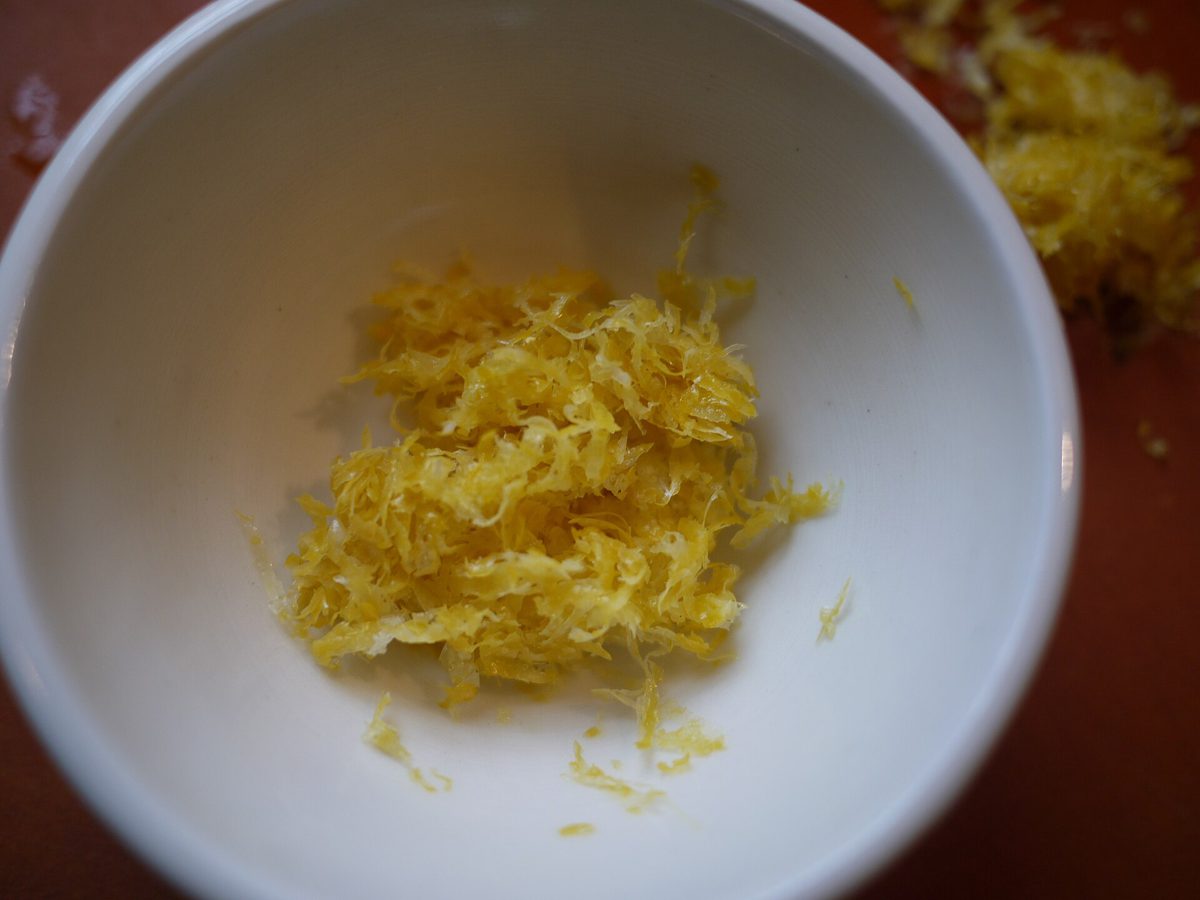
Scrub the lemon with a brush, scald with hot water, and dry. Grate the yellow zest from the lemon using a fine grater, avoiding the white, bitter layer.
-
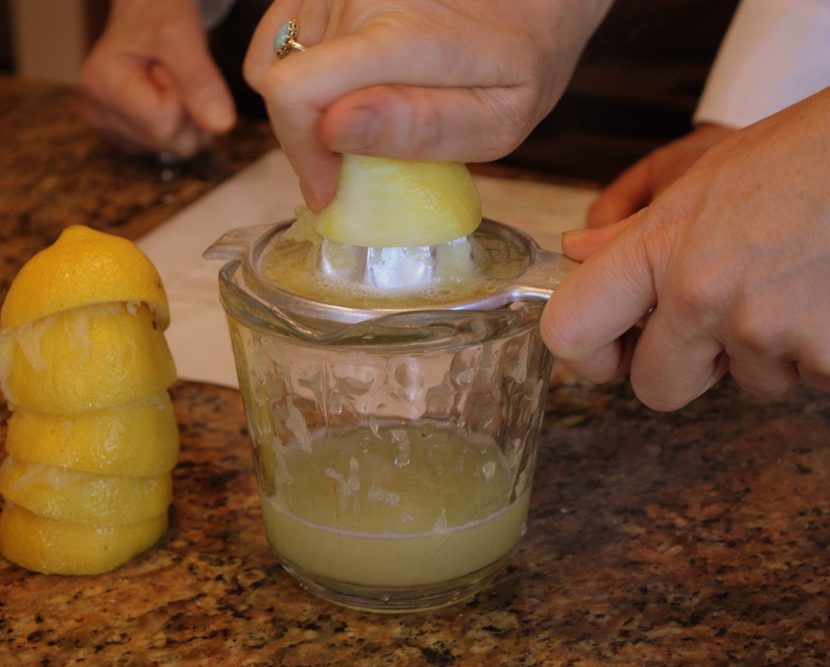
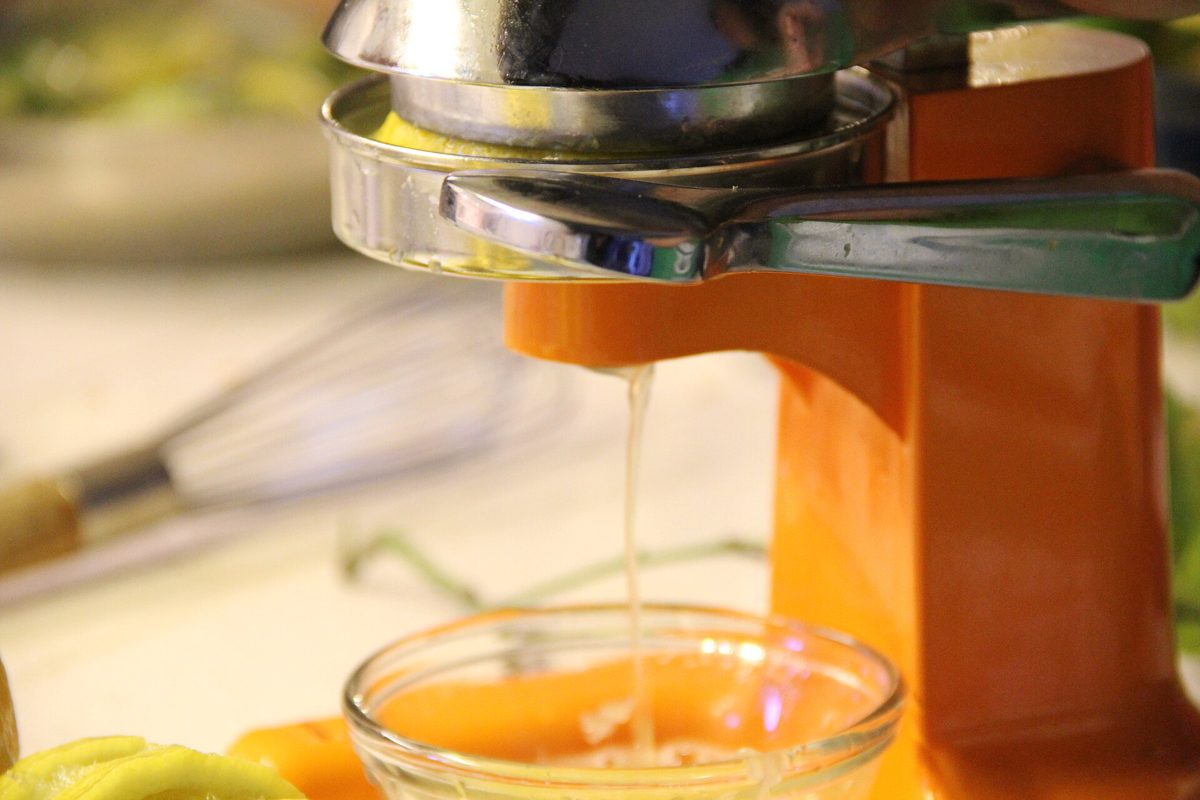
Squeeze the juice from the lemon and strain it through a sieve to remove the seeds.
-
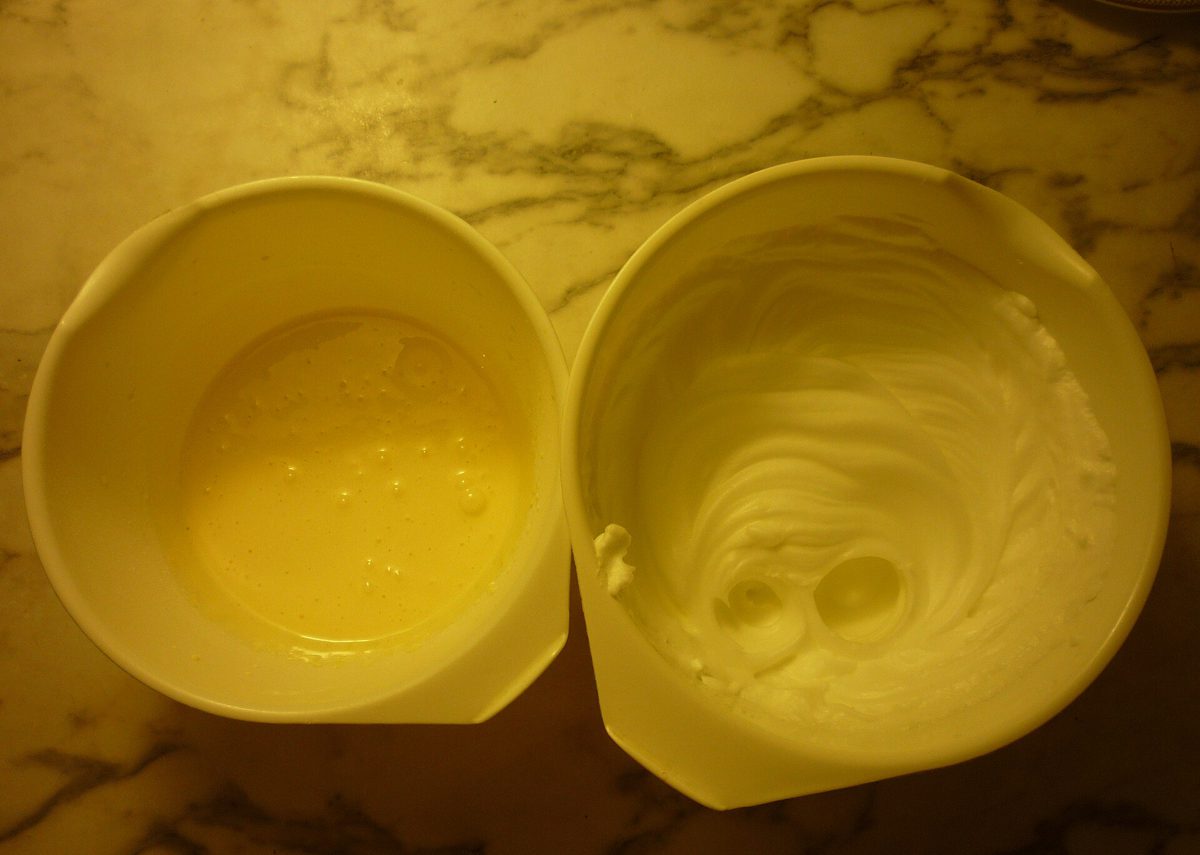
Whip the yolks with sugar using a mixer until light and fluffy, about 5–7 minutes, until the sugar dissolves. Add the grated zest and lemon juice and briefly mix.
-
In another clean, dry bowl, whip the egg whites with a pinch of salt to stiff peaks.
-
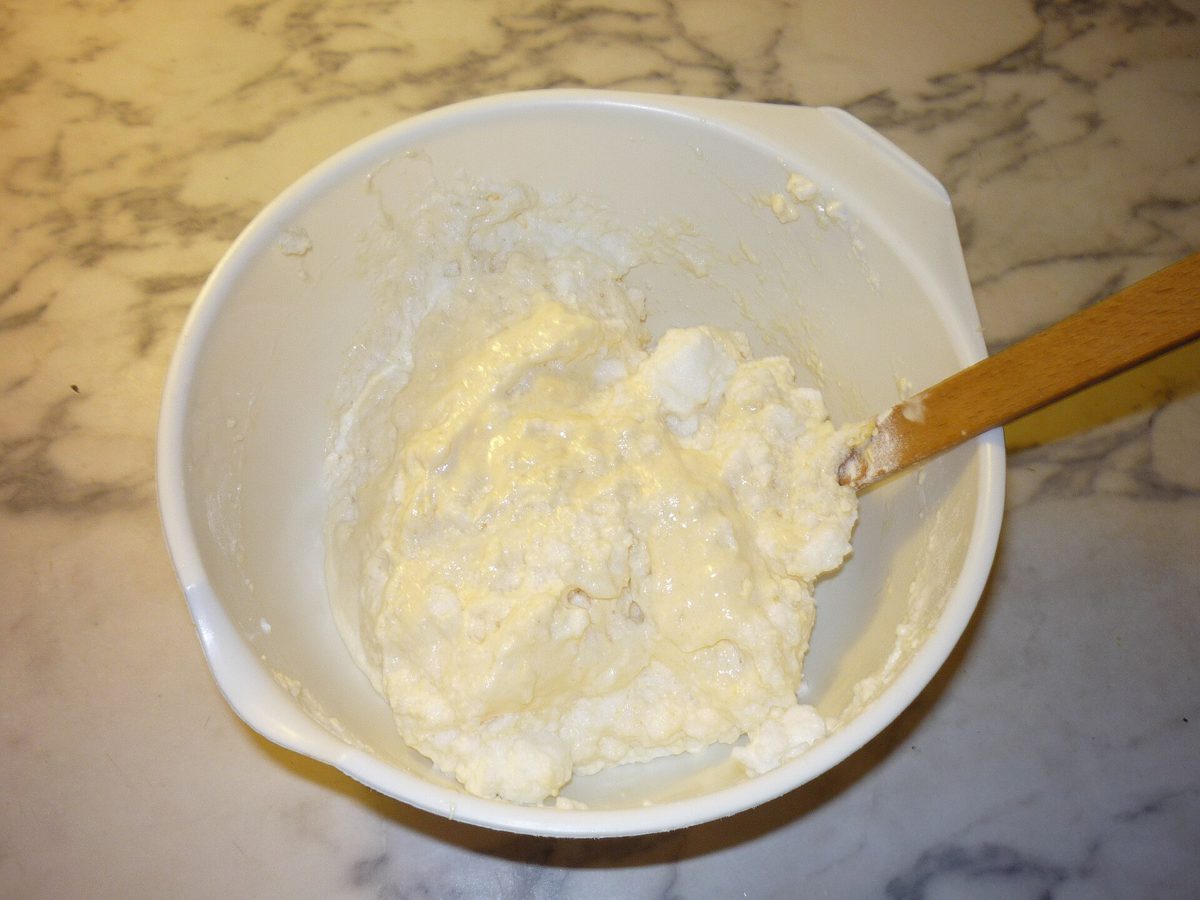
Add the whipped egg whites to the yolk cream in two or three portions, gently folding with a spatula from the bottom up each time, so the mixture doesn't lose air.
-
Check the gelatin: it should be liquid and lukewarm, not hot. Pour it into the mixture in a thin stream while continuously stirring or mixing on the lowest speed until the mixture is uniform.
-
Immediately pour the szpajza into glass cups, filling them about ¾ full, or into one bowl, as the mixture sets quickly. Place in the fridge for at least 2–3 hours until set.
-
Before serving, decorate the szpajza with whipped cream and slices of lemon or fruits.
Photos