
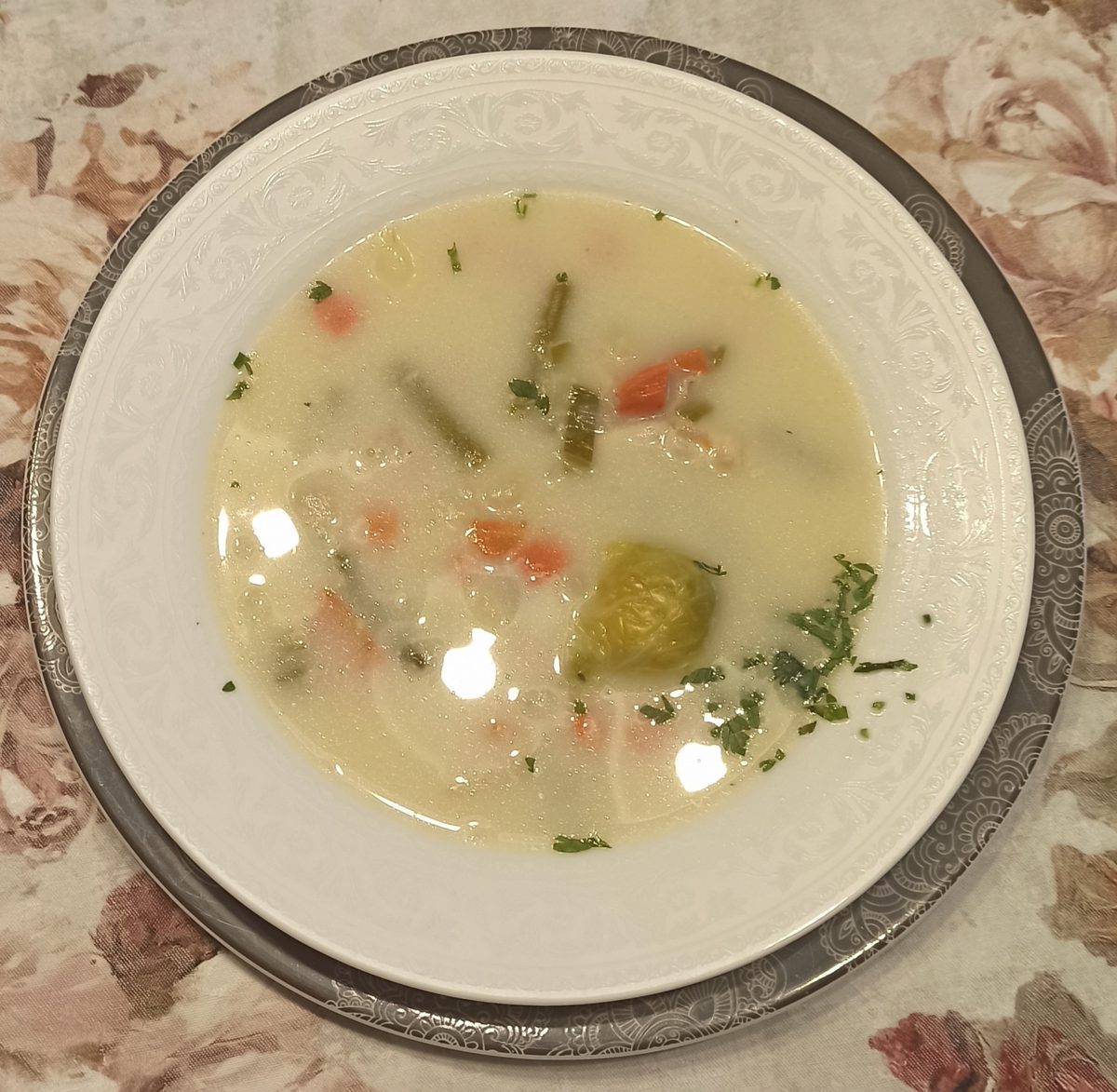
The story behind the recipe
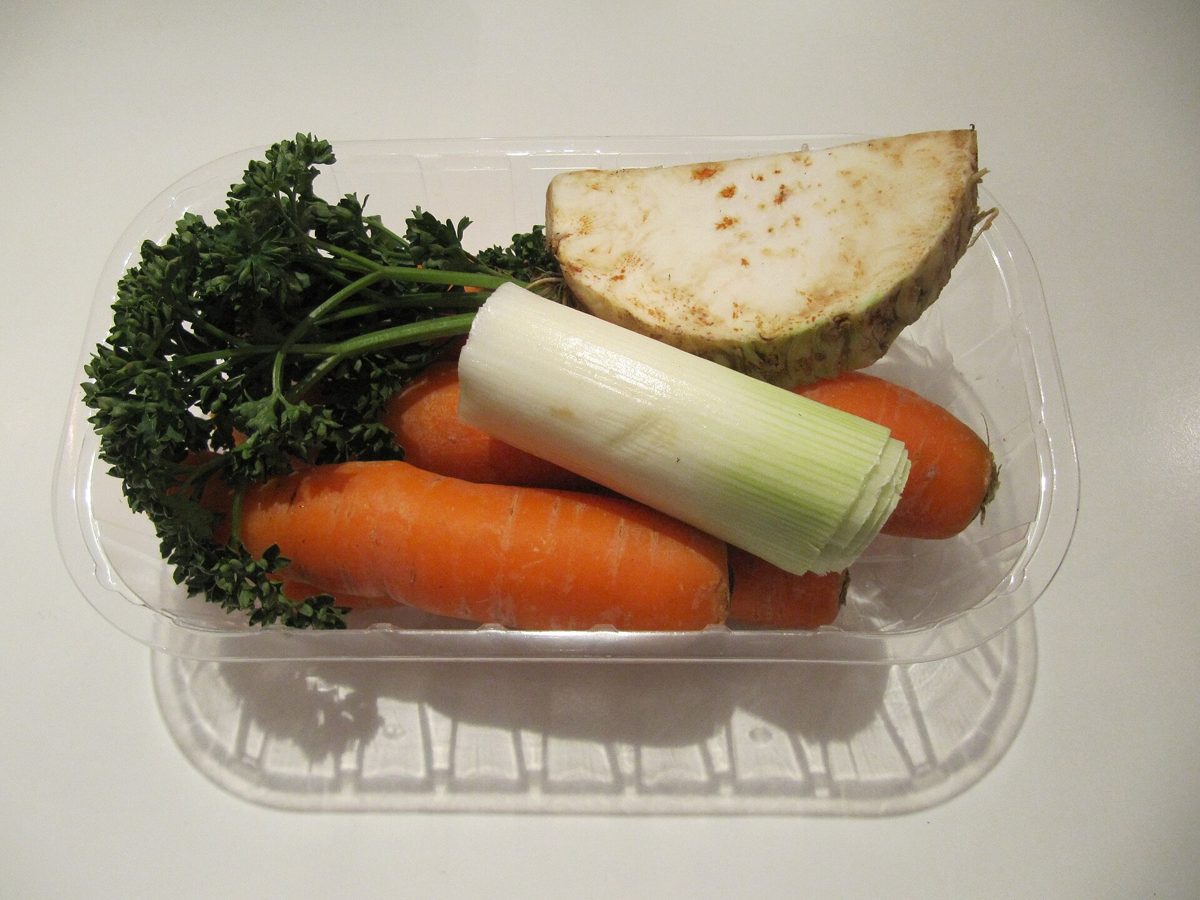
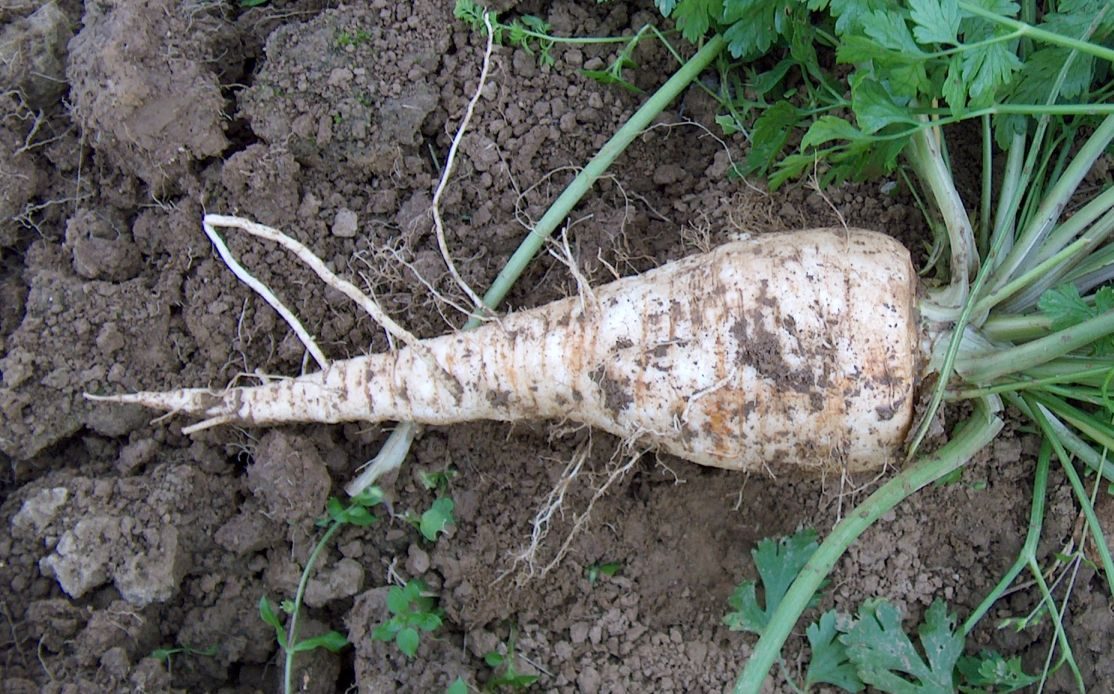
Ania Gotuje writes that zupa jarzynowa is one of the more popular soups cooked in Poland and that most of us remember it from childhood: for some, it's a pleasant memory, for others, a 'nightmare from childhood,' partly due to school cafeterias. Kwestia Smaku calls traditional jarzynowa 'the taste of summer' because it is made with potatoes, carrots, green beans, and cauliflower, and adds that bread is traditionally served with jarzynowa. The base is włoszczyzna: roots of carrots, parsley, and celeriac, leek, and Savoy cabbage. It is commonly believed that these vegetables were brought to Poland from Italy by Queen Bona, hence the name, but this is more of a widespread belief than an established fact.
Pre-war jarzynowa looked different than today's. Elżbieta Kiewnarska in her book 'Zupy i sosy' from 1929 wrote that 'it is cooked in broth made from bones with włoszczyzna, or on the flavor of vegetables,' with carrots, parsley, Savoy cabbage, leek, celeriac, and onion in quantities twice as much as for broth. Soft vegetables were passed through a sieve, the soup was thickened with a roux, and enriched with half a glass of cream or two egg yolks. She advised using at most one-third of potatoes compared to other vegetables, and with the addition of asparagus, 'cauliflowers,' Brussels sprouts, and green beans, the soup was to have a 'more exquisite taste.' When jarzynowa with pieces of vegetables, as we cook today, became common in homes is not known for sure.
In the book '109 potraw,' published in Warsaw in 1941, the same author cooked jarzynowa on 'the flavor of fresh or salted vegetables' with dumplings made without eggs and poured it into a bowl with chopped dill. In Edward Redliński's 'Konopielka' from 1973, a teacher sets the table in a village cottage and invites: 'the first dish is vegetable soup,' and the hostess encourages the household to try, 'as they eat in the city.'
Ingredients
Zupa
-
1.75 l woda albo bulion warzywny (na rosole drobiowym zupa nie jest wegetariańska)
Abroad: vegetable stock; Niemcy: Gemüsebrühe - 400 g ziemniaki (około 4 średnie)
-
2 pcs marchewki (około 200 g)
Abroad: carrots; Niemcy: Karotten -
1 pc pietruszka (korzeń)
Abroad: parsley root, Hamburg root parsley; Niemcy: Wurzelpetersilie albo Petersilienwurzel -
100 g seler korzeniowy (kawałek bulwy)
Abroad: celeriac albo celery root; Niemcy: Knollensellerie -
0.5 pc por (tylko biała i jasnozielona część)
Abroad: leek; Niemcy: Porree albo Lauch - 1 pc cebula (średnia)
-
400 g kalafior (same różyczki, świeże albo mrożone)
Abroad: cauliflower; Niemcy: Blumenkohl -
200 g fasolka szparagowa (zielona albo żółta, świeża albo mrożona)
Abroad: green beans; Niemcy: grüne Bohnen -
100 g zielony groszek (świeży albo mrożony)
Abroad: frozen peas; Niemcy: Erbsen
Do smaku
- 2 tbsp (about 29 g) masło (albo masło klarowane)
- 2 tsp (about 12 g) sól (płaskie, połowę dodaj na początku)
- ½ tsp (2.5 ml) pieprz czarny mielony
- gałka muszkatołowa (szczypta, niekoniecznie)
Na koniec
-
150 g śmietana 18% (wyjęta wcześniej z lodówki)
Abroad: USA, Kanada: sour cream; Wielka Brytania: soured cream; Niemcy: saure Sahne albo Schmand -
1 bunch koperek (albo natka pietruszki)
Abroad: dill; Niemcy: Dill
Method, step by step
-
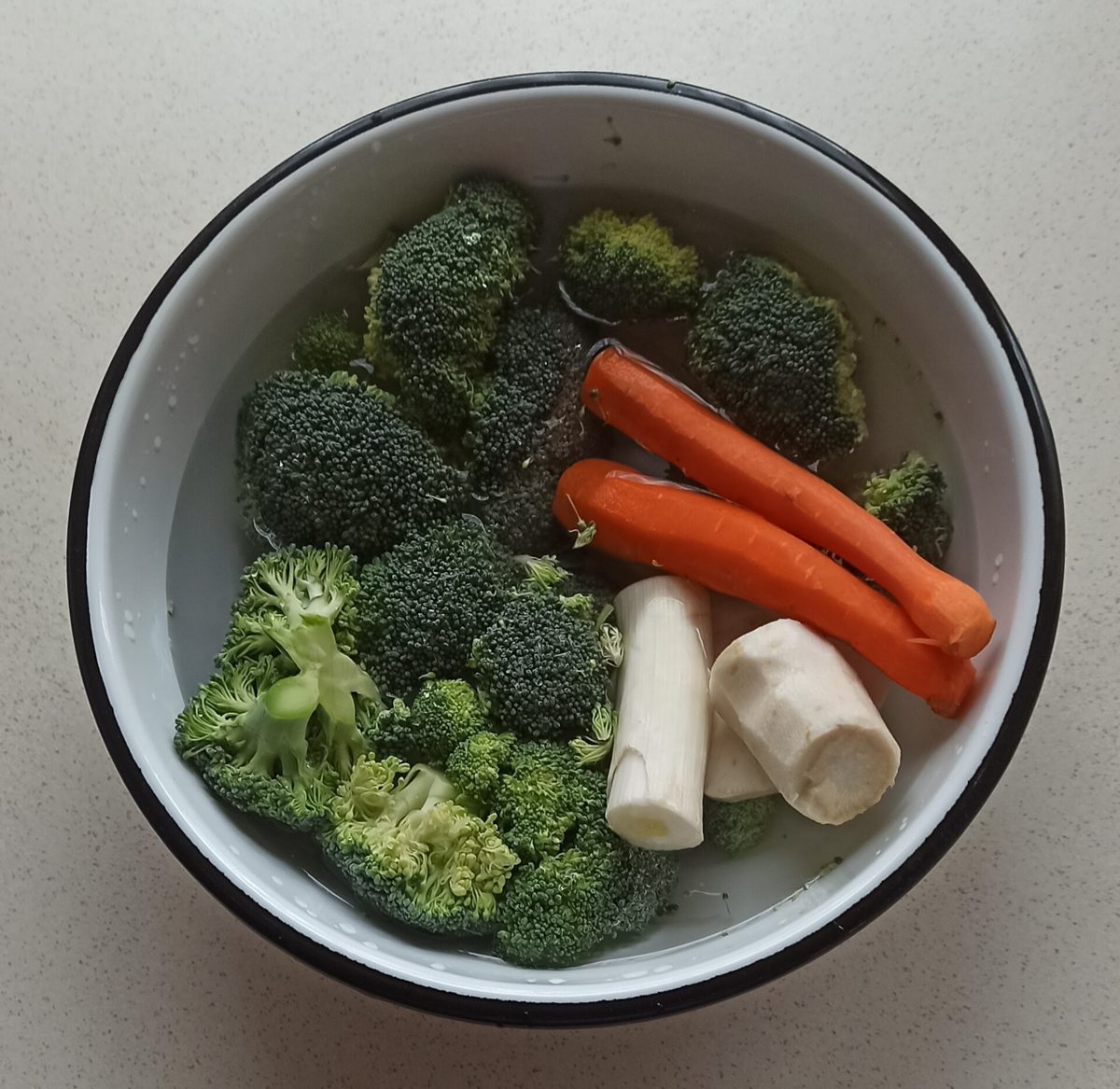
Wash all the vegetables. Peel the potatoes, carrots, parsley root, and a piece of celeriac. Cut off the dark green leaves from the leek, slice it lengthwise, and rinse thoroughly between the layers, as sand often remains in it. Peel the onion.
-
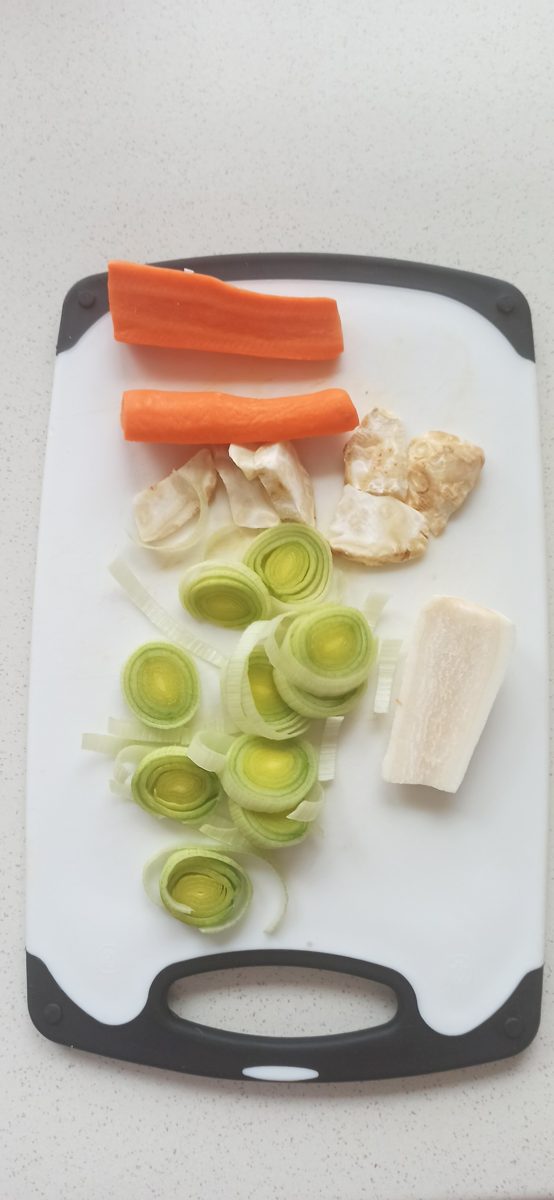
Slice the carrots into thin half-moons, and dice the parsley, celeriac, and potatoes into small cubes about 1 cm (½ inch) on each side. Cut the leek into half-rings and finely chop the onion. Small, even pieces will cook at the same time.
-
In a heavy-bottomed pan, heat 2 tablespoons of butter, add the onion and leek, and sauté over low heat for 10–15 minutes until they are translucent and just lightly browned. Set the pan aside: you will add its contents to the soup at the end of cooking.
-
In a pot with a capacity of at least 3.5 liters, place the carrots, parsley, celeriac, and potatoes, and cover them with 1.75 liters of water or vegetable broth. Cover, bring to a boil, then reduce the heat so that the soup is just gently simmering, and cook for 10 minutes.
-
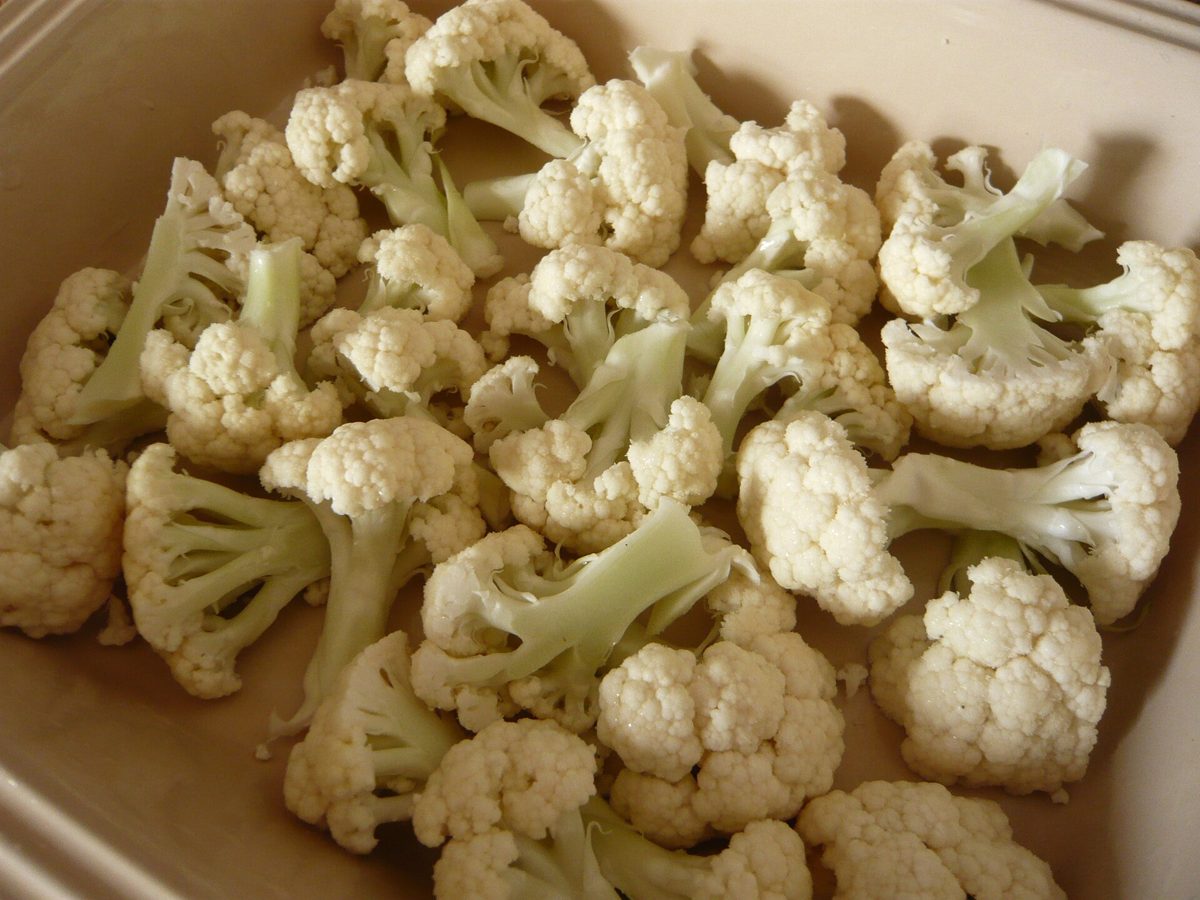
Trim both ends of the green beans and cut them into pieces 2–3 cm long (about 1 inch); do not thaw frozen ones. Divide the cauliflower into small florets. Add the green beans and cauliflower to the pot, along with half the salt and pepper and a pinch of nutmeg, and cook covered for 5 minutes.
-
Add the green peas and all the contents of the pan with the onion and leek. Stir, cover, and cook over low heat for about 10 minutes until all the vegetables are tender but not falling apart.
-
Transfer the cream to a bowl. Gradually add hot soup to it by the ladle, stirring immediately each time until you have added about a glass of broth. Reduce the heat under the pot to the minimum and pour in the cream, continuously stirring the soup. After 2 minutes, turn off the heat.
-
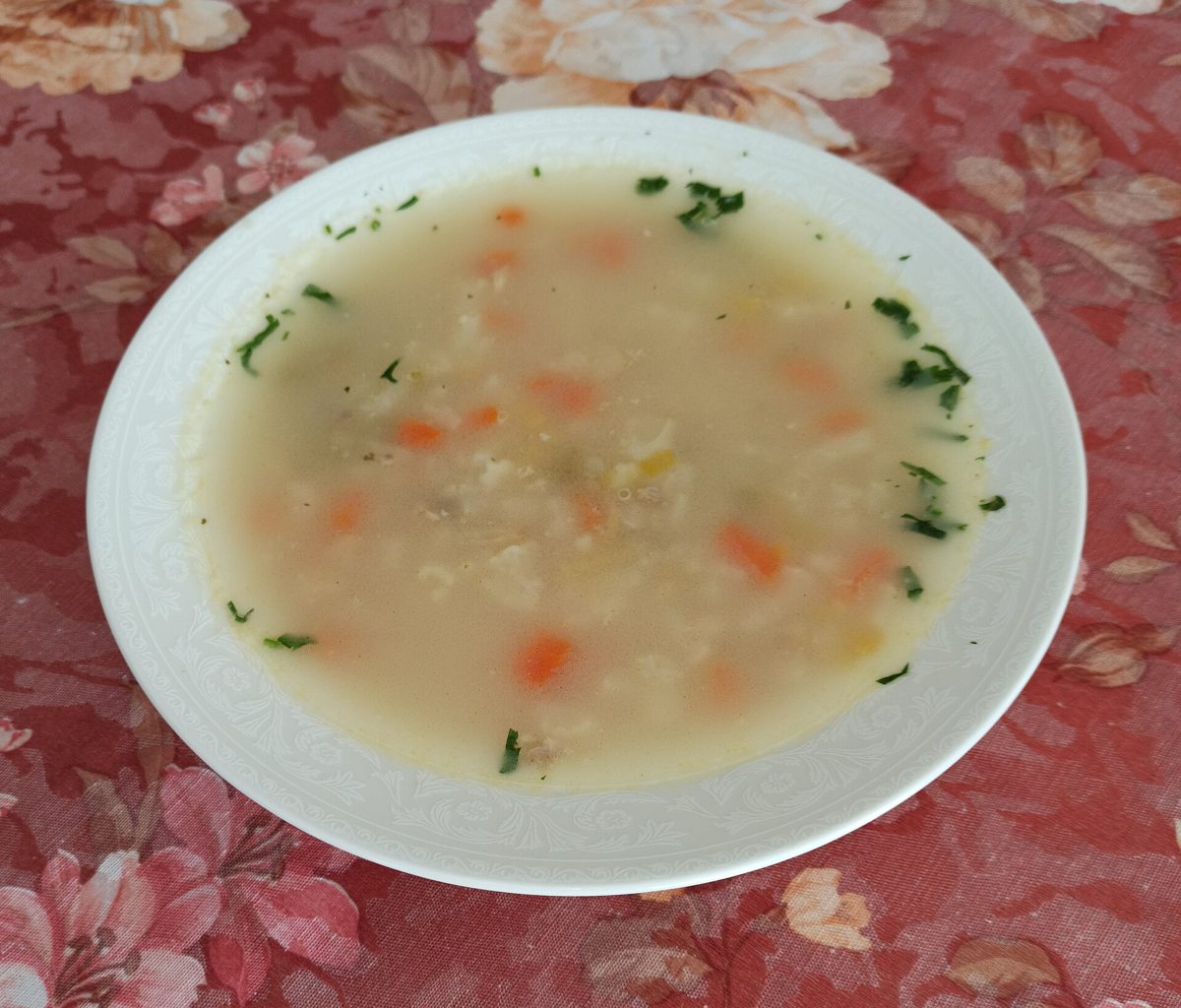
Add the chopped dill, taste, and season with the remaining salt and pepper if needed. Serve hot, with bread.
Photos
Comments (0)
No comments yet. Be the first!