The story behind the recipe
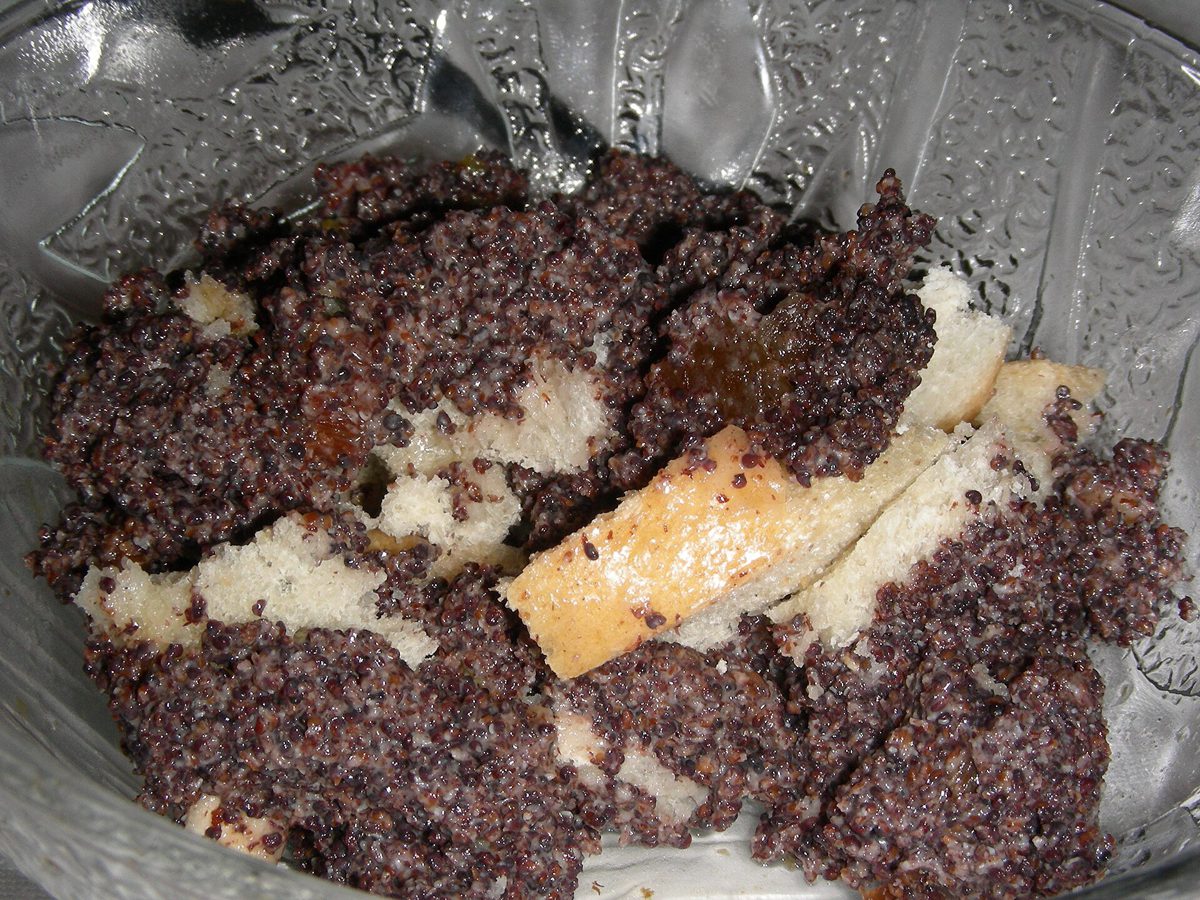
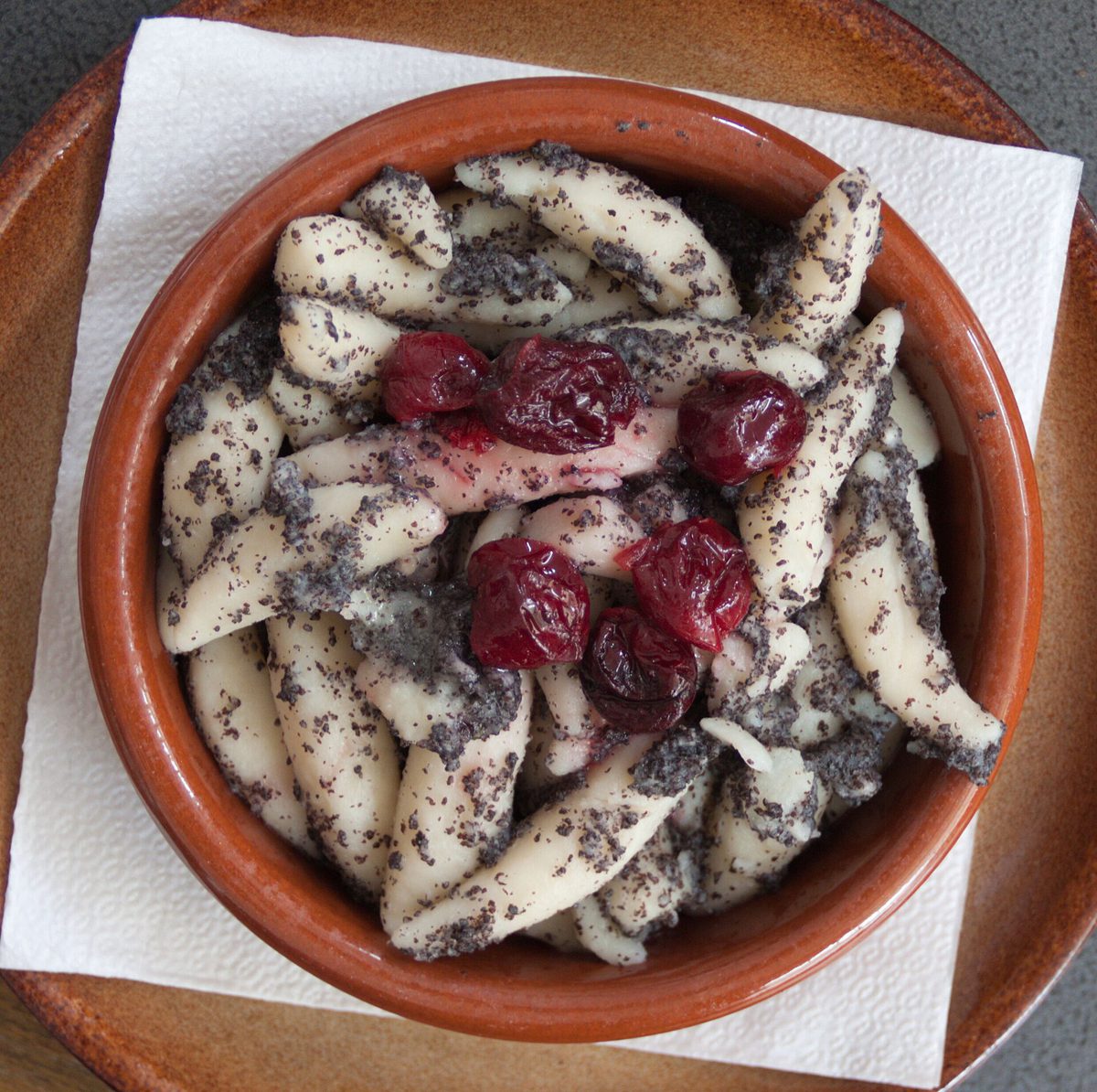
Kluski z makiem is a sweet Christmas dish. Since December 14, 2012, they have been on the List of Traditional Products as a dish from Kujawy (Kuyavian-Pomeranian Voivodeship): short-cut dumplings mixed with a dark poppy seed filling, where raisins, pieces of walnuts, and candied orange peel are visible. The entry cites the work "Wokół pomorskiej kuchni," according to which Kujavian Christmas dishes include, among others, "kluski z makiem, kapusta z fasolą, and smażone betki, czyli grzyby" (fried mushrooms). According to Polish Wikipedia, in the Zagłębie region, near Poznań and in Łódź, the same dish is called makiełki or makiołki. The weekly "Niedziela" wrote in 2009 about Zagłębie: "here we have makiełki (dumplings with poppy seeds) and pierogi," while in Upper Silesia, makówki refers to a layered bun with poppy seeds. In Greater Poland, according to the Ministry of Agriculture's websites, in some areas, makiełki are made with bread soaked in milk or water, while in others, "makiełki simply refers to dumplings with poppy seeds."
The same ministry websites mention kluski z makiem on Christmas tables in many regions. Oskar Kolberg recorded in Greater Poland "dumplings with honey and poppy seeds." In Mazovia, dumplings, sometimes called rwokami, were mixed with poppy seeds and honey, and the number of dumplings a host scooped onto a spoon was believed to predict the amount of grain in the field. In Bronowice near Kraków, at the turn of the 19th and 20th centuries, after peas and dried fruit compote, they ate "dumplings with poppy seeds in honey." Dumplings with poppy seeds are also listed among Christmas dishes from Lublin, Podlasie, and Opole, and in Kashubia, after Christmas Eve, animals were given crumbs of Christmas bread and dumplings with poppy seeds. According to folk beliefs cited in the entry on the List, eating poppy seeds on Christmas Eve was said to bring happiness, and a girl who ground poppy seeds that day was expected to marry soon.
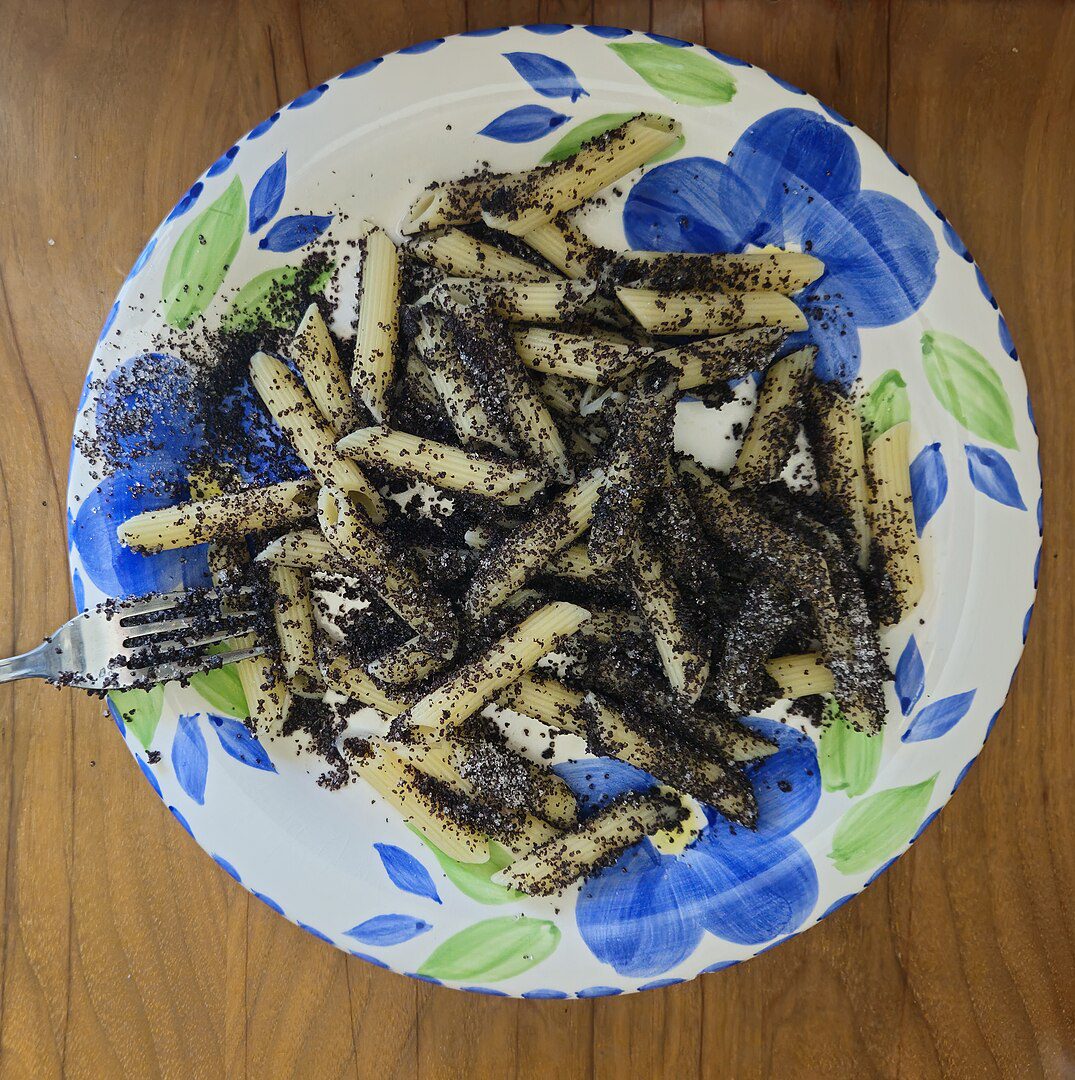
The entry from Kujawy describes a method from Bronisław: dough made from flour, eggs, and salt is cut into small strips and boiled in salted water, while poppy seeds are poured with boiling water, brought to a boil, left for 12 hours, drained, ground twice, and then mixed in a mortar with honey, walnuts, and 2 tablespoons of melted butter. Some housewives would sauté the filling for about 15 minutes, and finally mix the dumplings with the cooled filling. A related dish is kutia, where instead of dumplings, wheat is used, and Polish Wikipedia states that its substitute is łamańce with poppy seeds. Silesian makówki are something else: bread or yeast dough layered with poppy seeds. Today, as Ania Gotuje writes, many people make kluski z makiem in just a few minutes, using store-bought łazanki and canned poppy seed filling.
Ingredients
Dumplings
-
320 g all-purpose flour (e.g., cake flour, plus a bit for dusting)
Abroad: USA: all-purpose flour; Germany: Type 405 or 550 - 115 ml hot water (just under half a cup)
- 1 tbsp (15 ml) vegetable oil
- 1 pc egg (small)
- 1 pinch salt (plus salt for the water)
- 1 tbsp (about 14 g) butter (for the cooked dumplings)
Poppy Seed Filling
-
250 g blue poppy seeds (whole; or about 175 g of ground, see tips)
Abroad: Germany: Blaumohn; ready-made filling: see tips - 100 g honey (liquid, about 5 tablespoons; more to taste)
- 2 tbsp butter (about 30 g)
- 80 g raisins
-
80 g walnuts (chopped)
Abroad: walnuts -
40 g candied orange peel (finely chopped)
Abroad: candied orange peel; Germany: Orangeat -
30 g almond flakes (optional)
Abroad: flaked almonds - 1 pinch salt
To Serve
-
80 ml sweet cream (optional, for heating with the filling)
Abroad: USA: heavy cream; UK: double cream; Germany: Schlagsahne - liquid honey, nuts, and dried fruits (optional, for sprinkling and drizzling)
Method, step by step
-
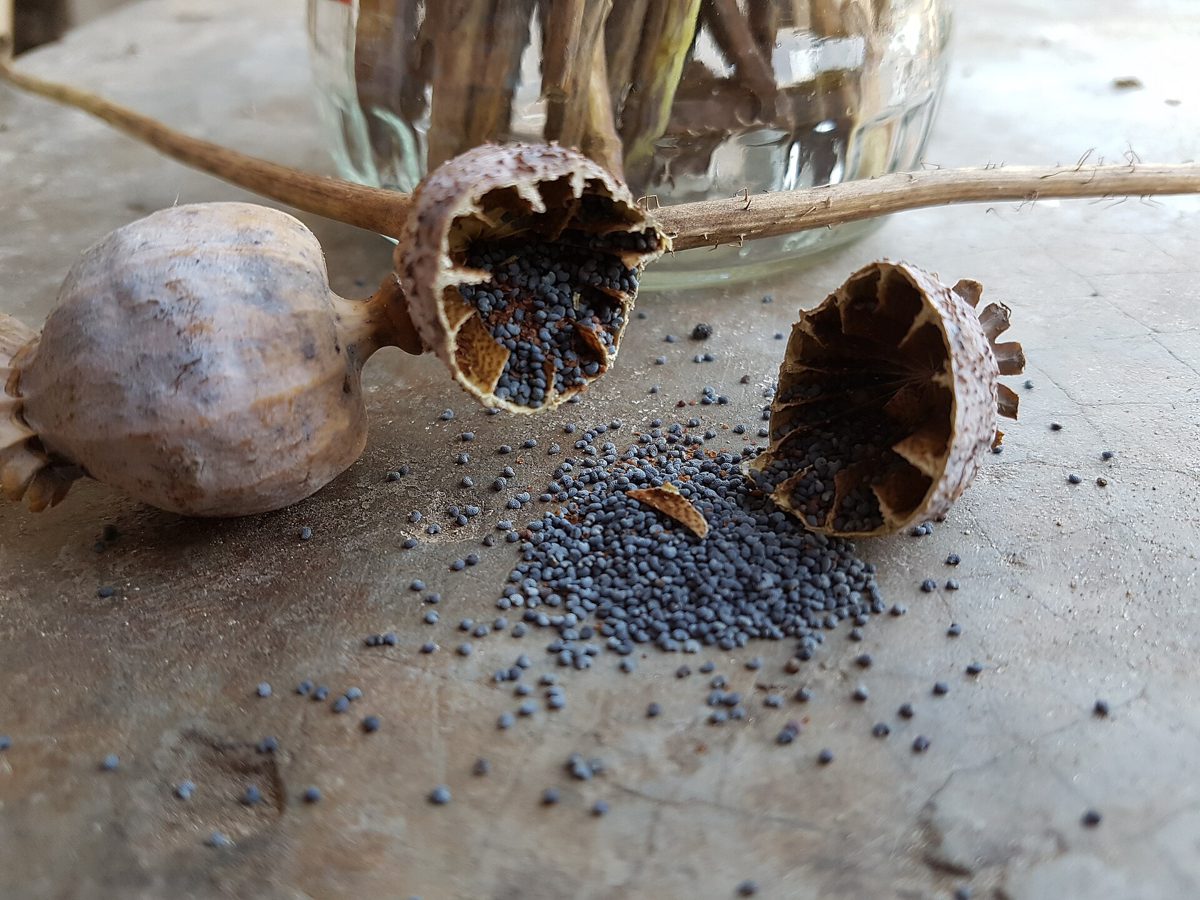
Pour the poppy seeds into a pot, cover with 3 cups of water, stir, and bring to a boil. Reduce the heat to the minimum and cook for another 5 minutes. Pour the poppy seeds into a large fine sieve set over a bowl and leave for about 20 minutes to cool and drain well. Soak the raisins in warm water to soften them. If you have already ground poppy seeds, prepare them as described in the tips.
-
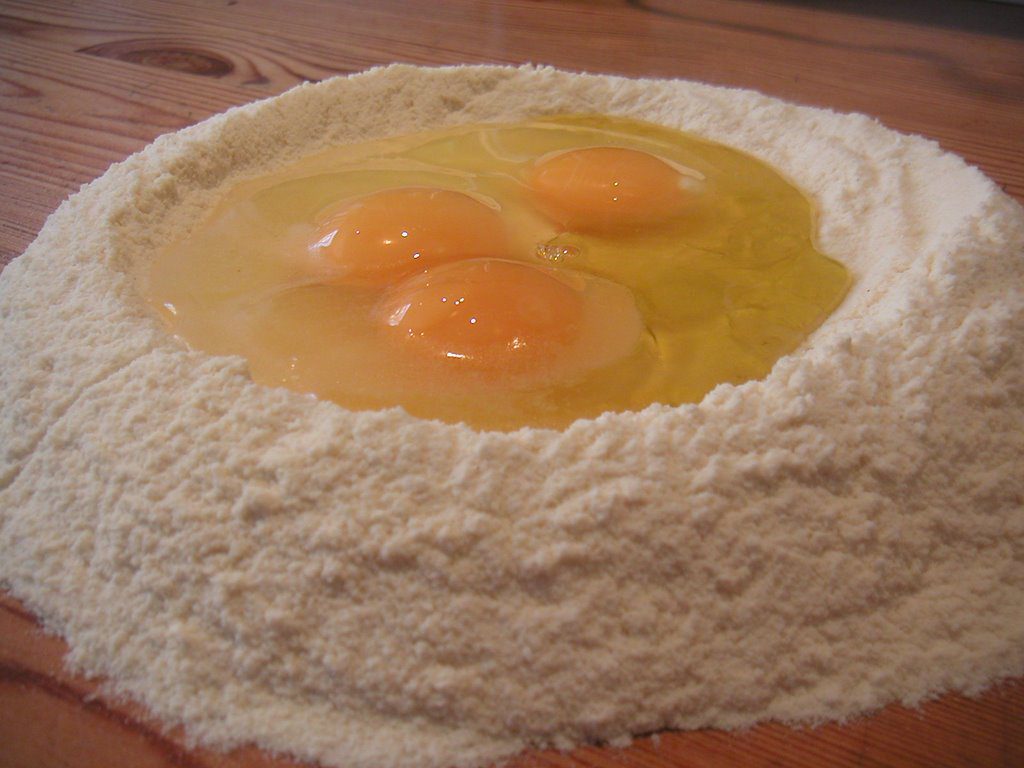
In a bowl, combine the flour, hot water, oil, egg, and a pinch of salt. Mix, then knead by hand until the dough is soft, pliable, and elastic. If it is too loose, add a bit of flour. Wrap it in plastic wrap and let it rest on the counter for 20 minutes.
-
Grind the cooled, drained poppy seeds in a meat grinder with the finest sieve. It’s best to grind them twice, although sometimes once is sufficient.
-
In a pot, melt 2 tablespoons of butter with the honey and a pinch of salt. Add the ground poppy seeds, drained raisins, chopped walnuts, orange peel, and almond flakes if using. Heat over low heat, stirring, until the mixture is uniform, but no longer than 5 minutes. Taste and add more honey if needed. The filling should be moist, not dry.
-
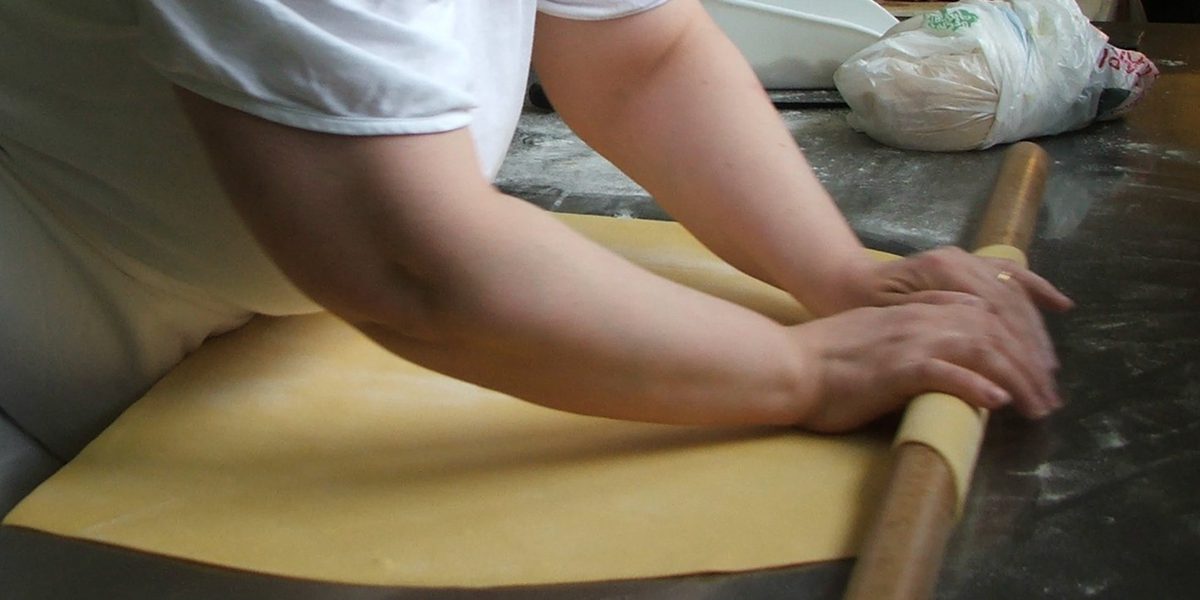
Divide the dough into three parts. Roll each part on a floured surface into a strip about 2 mm (1/16 inch) thick, sprinkling flour on top as well.
-
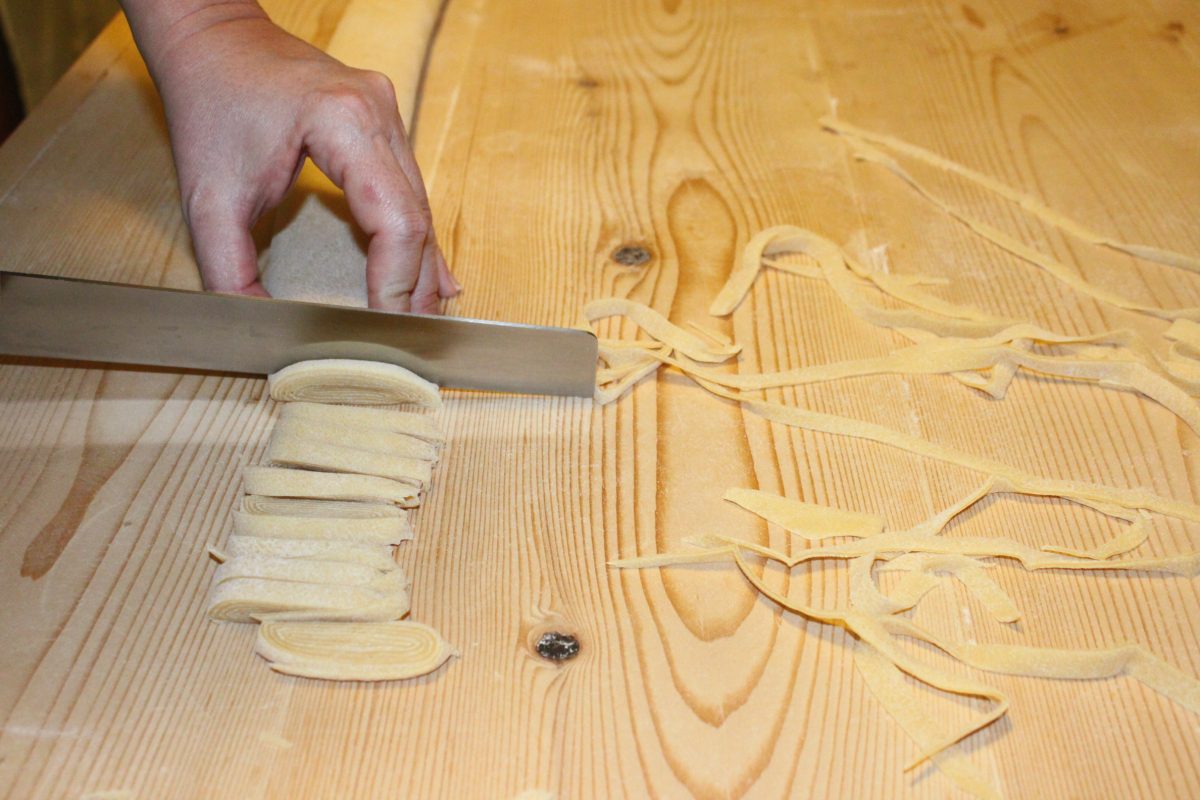
Cut the dough into strips about 3 cm (1¼ inches) wide, stack a few strips on top of each other, and cut them diagonally into narrow dumplings about 6 mm (¼ inch) wide. Sprinkle them with flour and loosen with a knife so they don’t stick together.
-
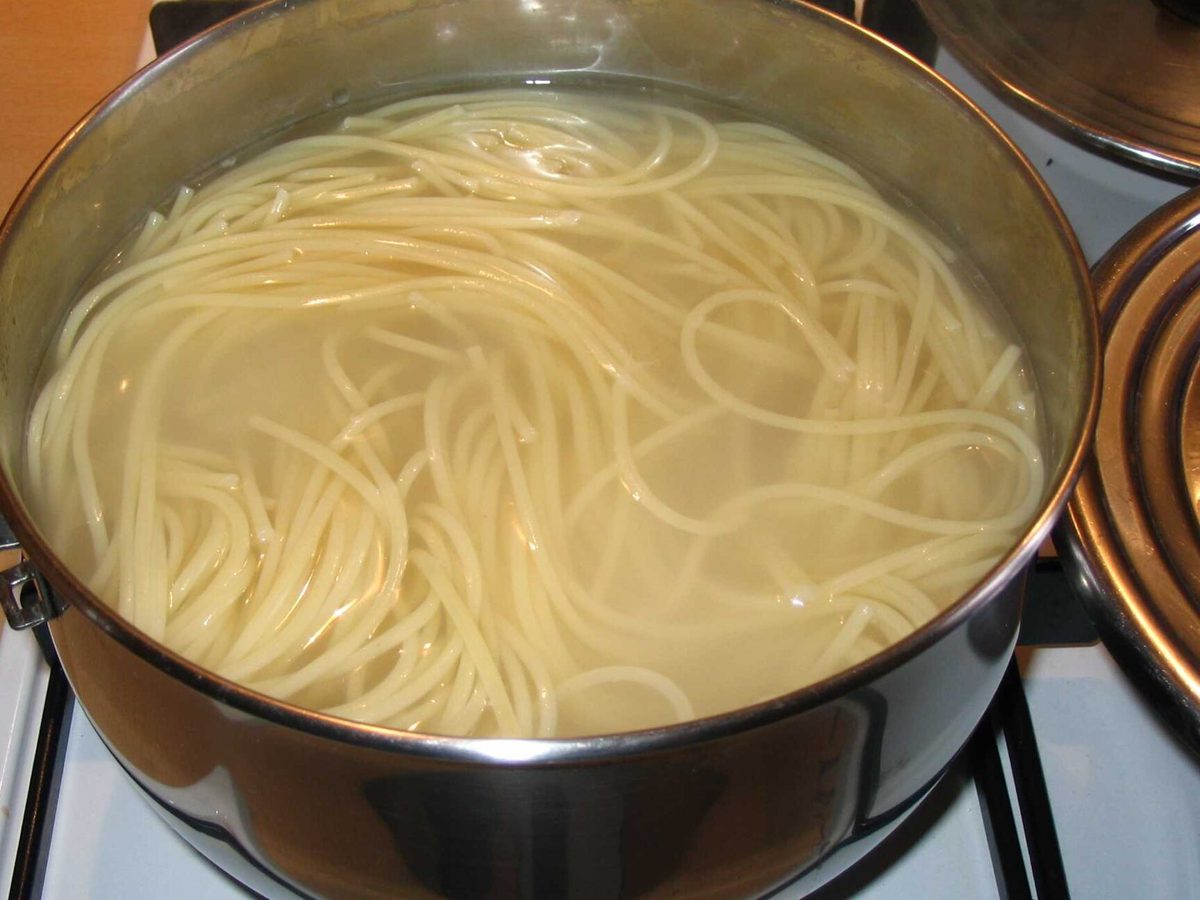
In a large pot, bring salted water to a boil. Drop all the dumplings in and gently stir immediately. When they float to the surface, cook them for another 3–4 minutes.
-
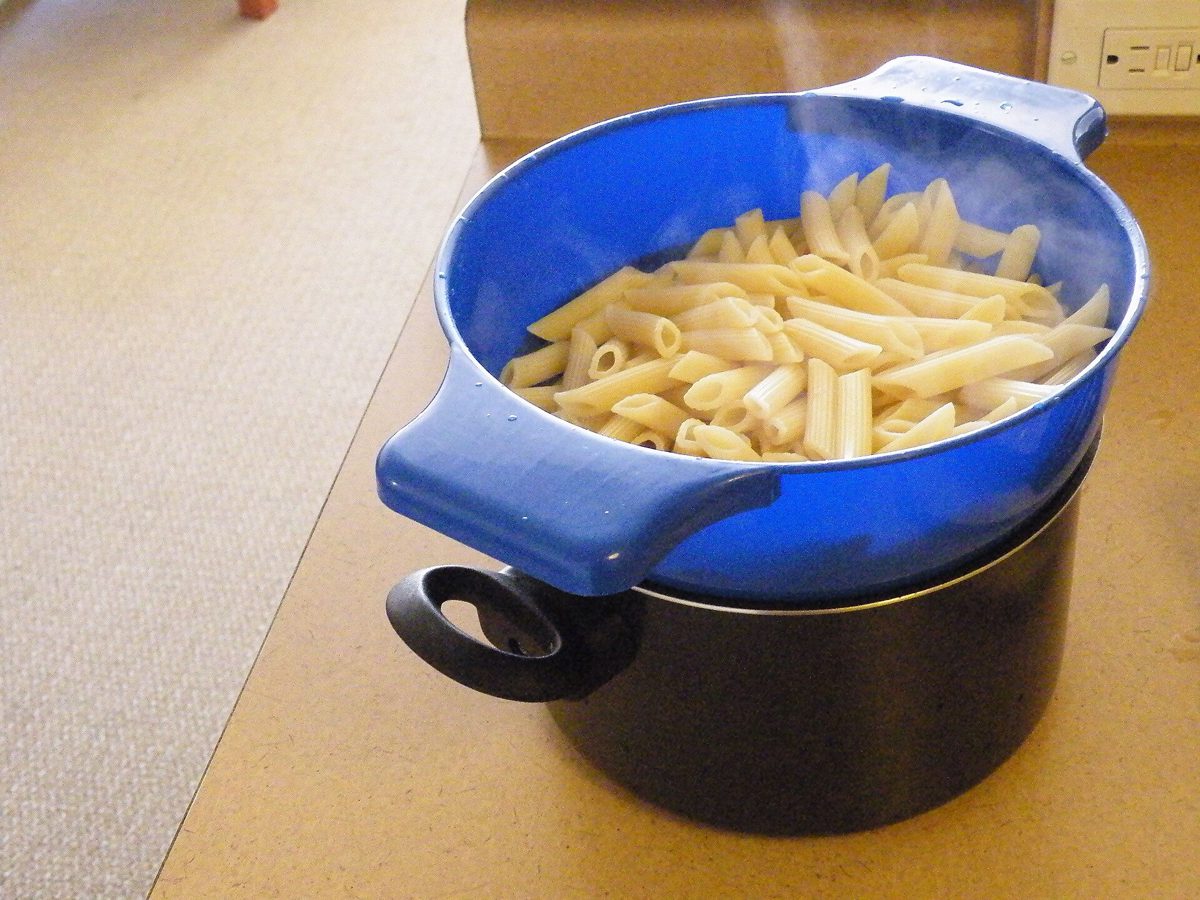
Scoop the dumplings out with a slotted spoon or drain them in a colander, transfer to a bowl, and mix with a tablespoon of butter.
-
Mix the hot dumplings with the poppy seed filling. If you prefer a milder version, first heat the filling with the cream. You can also, as in Kujawy, mix the dumplings with the cooled filling. Serve slightly warm or cold, sprinkled with nuts and dried fruits, and for those with a sweet tooth, drizzled with a bit of liquid honey.
Photos