
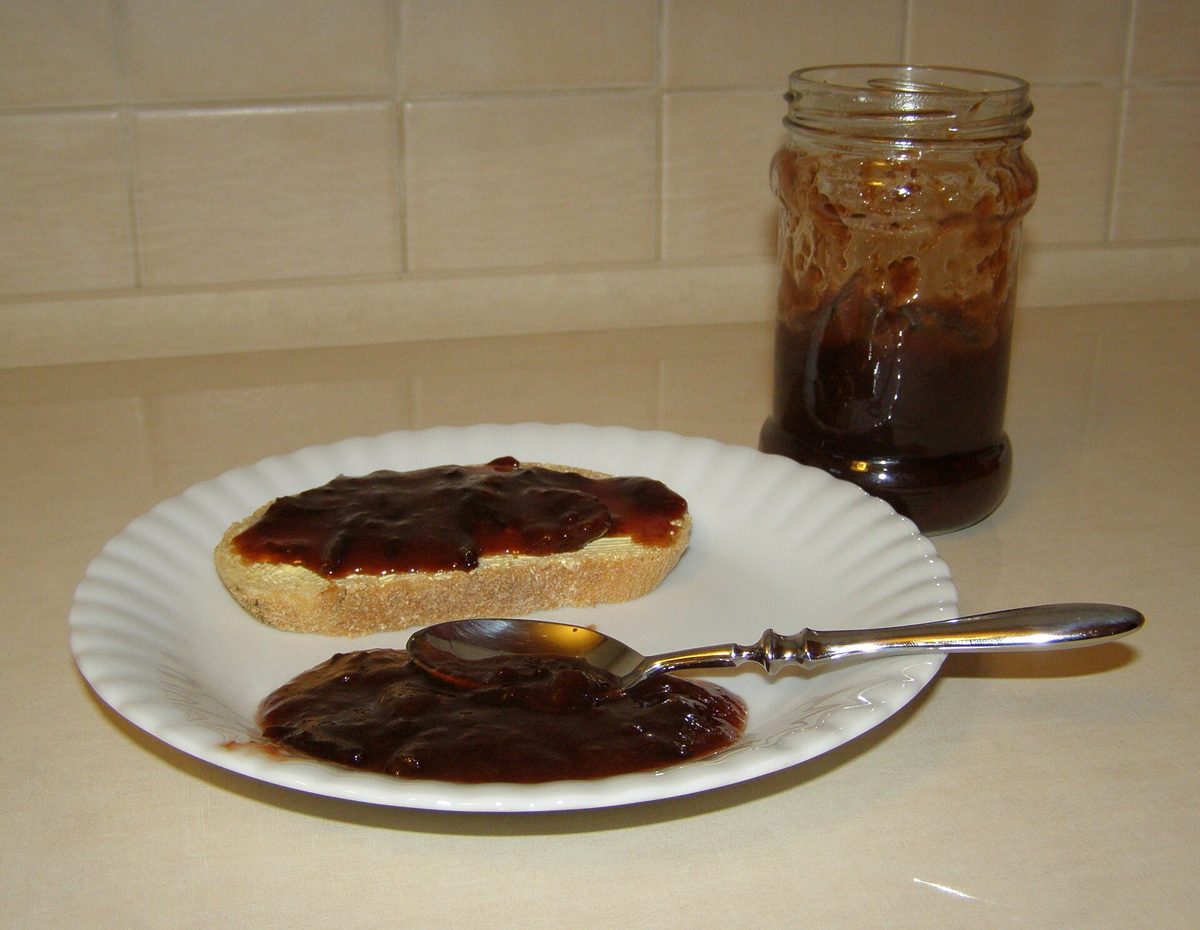
The story behind the recipe
The word "powidła" has been known in Polish since the late 15th century. According to available studies, it likely comes from the verb "powić," and "powidłem" was initially used to describe what is continuously stirred in heated fruit mass, later referring to the preserve itself. The term passed from Polish into East Slavic languages, and the Czech "povidla" made its way into Austrian German as "Powidl." Unlike jam and marmalade, powidła are less sweet, less gelled, and contain the most fruit, thickening through evaporation rather than sugar or pectin. Traditionally, they were made without sugar.
The entry "Powidła śliwkowe z Doliny Dolnej Wisły" on the List of Traditional Products states that this method of preserving plums has been known since the 16th century. Powidła were cooked in copper kettles and stirred with a wooden spoon until the mass stopped falling from it or fell in large flakes. The pits were separated on ceramic sieves, and the most famous creators were potters from Gruczna by the Vistula River. A common issue during cooking was the "kocur," or fruits sticking to the bottom of the kettle. A folk song mentions lazy Maria, who "let the kocur go to the powidła," referring to the Krzeszów powidła cooked without sugar. Several types of plum preserves made it to the list, including those from Łowicz, Mazovia, Krzeszów, Mikołajówka, and Kałęczewo.
In 2023, the European Commission registered the name "Powidła śliwkowe z Doliny Dolnej Wisły" as a Protected Geographical Indication (executive regulation 2023/1414 of June 29, 2023). According to the quality inspection authority in Bydgoszcz, this is the 45th Polish product protected in the EU. They are made from the Węgierka Zwykła variety, without added sugar, using at least 3 kg of fruit for 1 kg of powidła. "Rzeczpospolita" reported in 2007 that in the 19th century, cooking in this region could last up to three days, and the finished powidła were baked in stone pots in bread ovens and stored in cool cellars.
Ingredients
Powidła (from 3 kg of plums, 2–5 jars of 370 ml)
-
3 kg śliwki węgierki (very ripe, late, may be slightly wrinkled; weight with pits)
Abroad: USA and Canada: Italian prune plums, Italian plums, or European plums (e.g., Stanley); Germany: Zwetschgen, Hauszwetschge
To taste, not necessary
- 300 g cukier (from 0 to 300 g, depending on the sweetness of the plums; traditionally without sugar)
-
3 tbsp (45 ml) ocet spirytusowy 10% (helps to prevent sticking; not noticeable in the finished product)
Abroad: USA and Canada: distilled white vinegar; Germany: Branntweinessig - cynamon, mielone goździki albo wanilia (a pinch, added about 20 minutes before the end)
Method, step by step
-
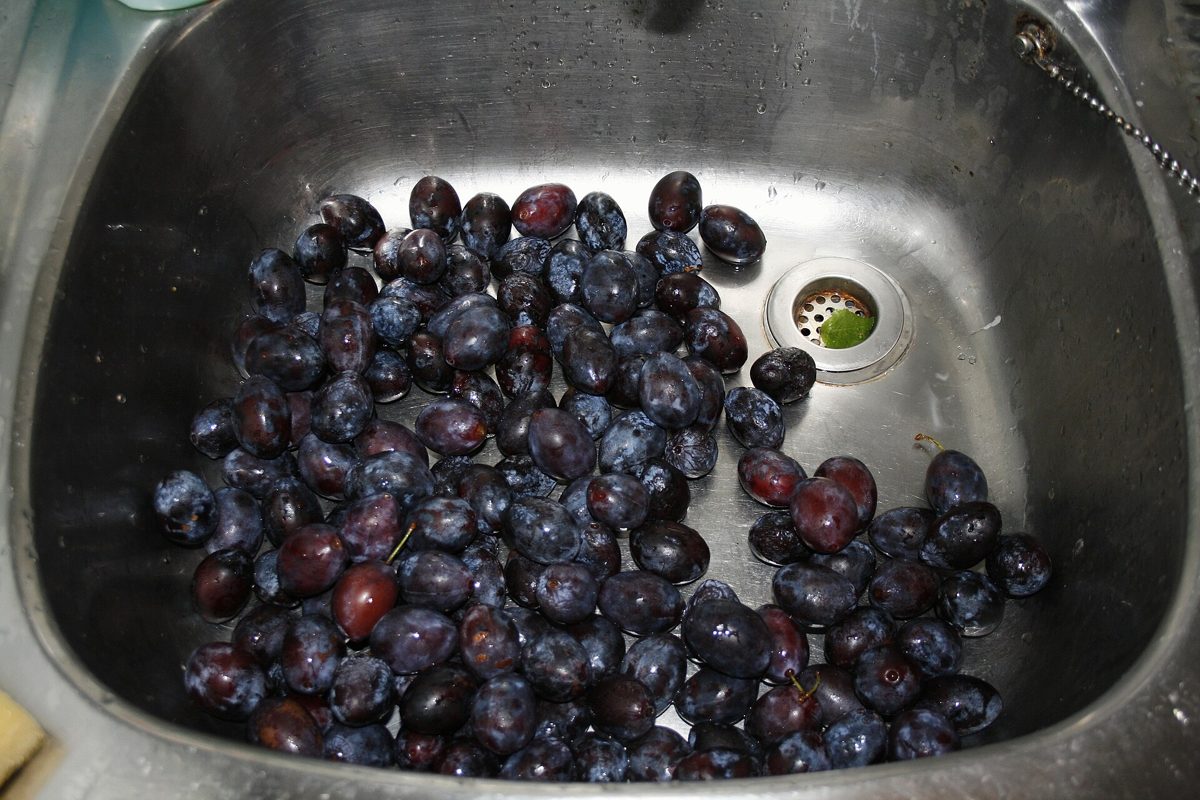
Choose very ripe, late węgierki, even slightly wrinkled: they have less water and more sugar, so they thicken faster. Sort them, remove the stems, and wash under cold running water.
-
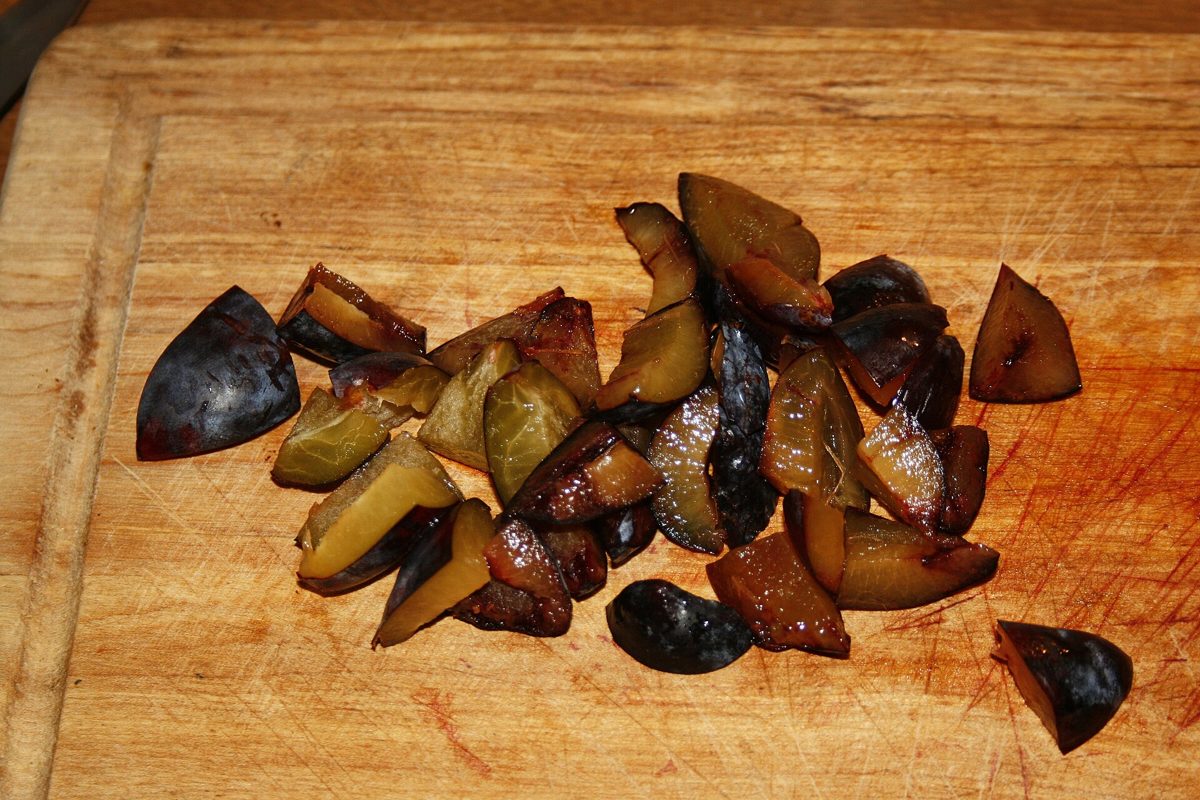
Remove the pits. You can leave the plums halved or cut them into smaller pieces, which will break down faster.
-
Transfer the plums to a wide pot with a thick bottom. If adding sugar, mix it with the plums and let it sit for 10 minutes until they release juice. You can also add vinegar. Do not add water.
-
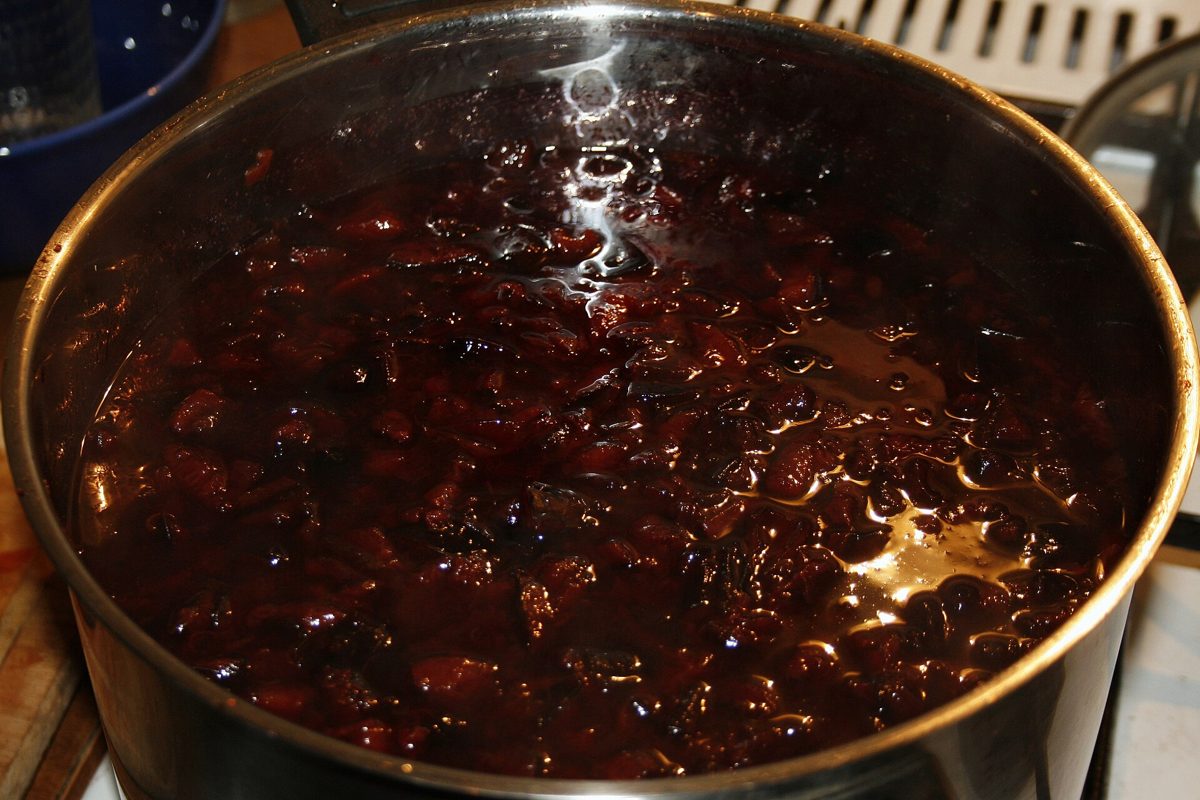
Day one: place the pot on low heat and do not cover it. Stir with a wooden spoon only after the fruits have released juice. Cook for about 1.5 hours, stirring occasionally. Remove from heat, cool, cover, and set aside in a cool place until the next day.
-
Day two: bring the powidła to a boil and cook for another 1.5 hours on slightly lower heat, stirring more frequently. Cool again, cover, and leave until the next day.
-
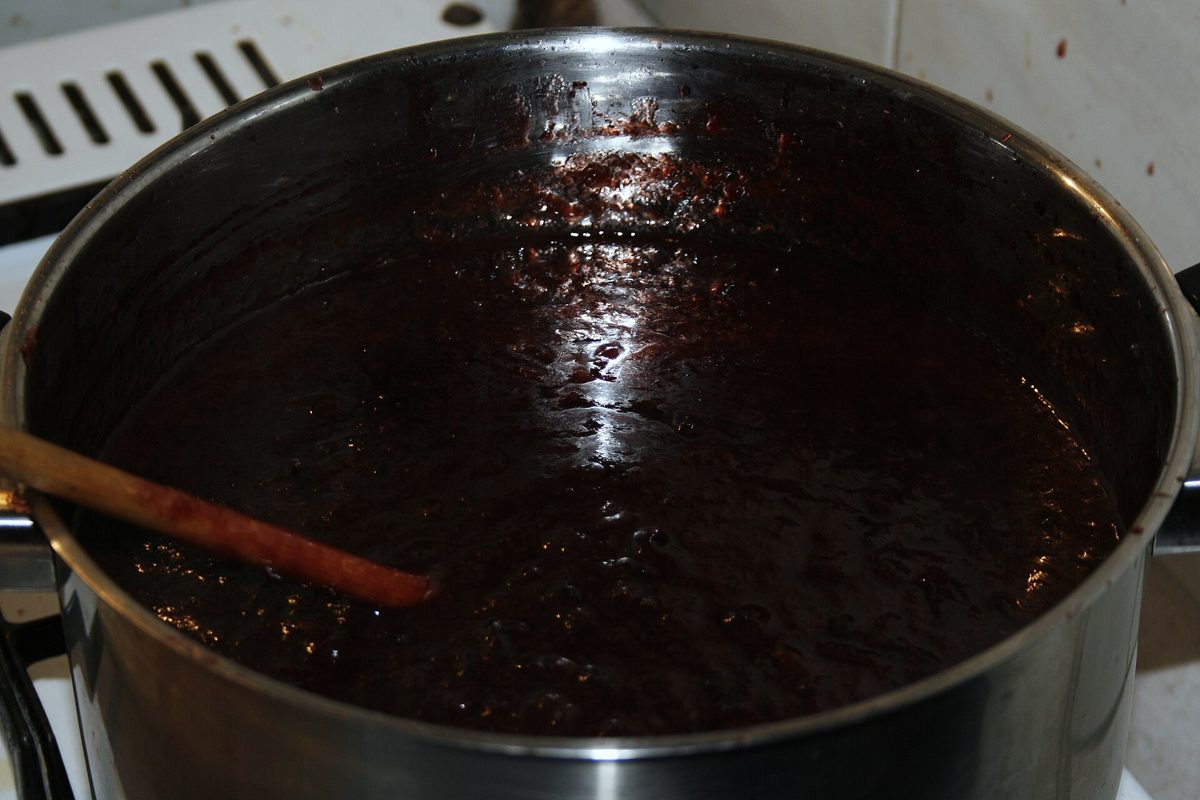
Day three: cook on very low heat for about an hour, stirring frequently throughout the day to prevent sticking. Add spices about 20 minutes before the end. The powidła are ready when they do not fall off a spoon when turned over or fall in large flakes.
-
During this time, prepare clean, undamaged jars and lids and sterilize them with boiling water. Fill the hot powidła into the jars, wipe the rims, and seal tightly.
-
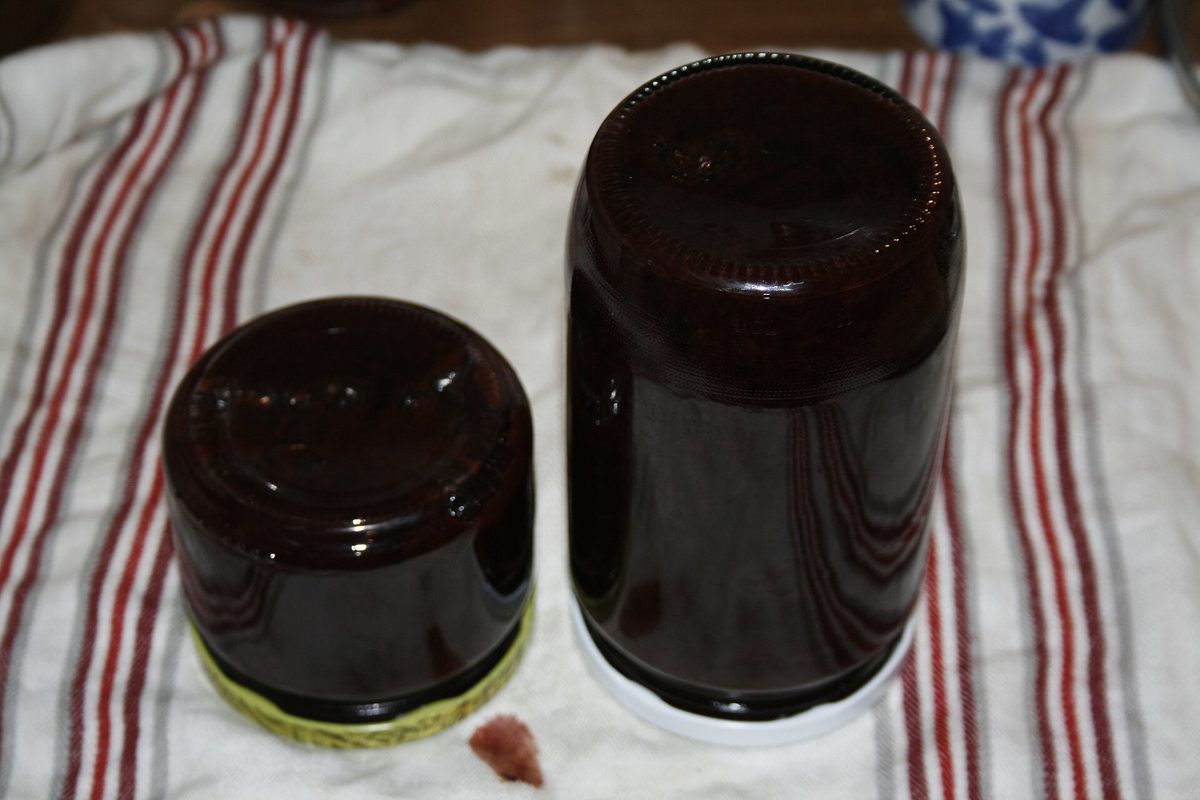
Pasteurize in a pot: place a cloth on the bottom, arrange the jars so they do not touch, and pour in hot water. Bring to a boil and cook on low heat for 10–20 minutes. Alternatively, you can place the hot jars in an oven preheated to 110°C (230°F) for 20 minutes. Remove the jars and cool them upside down.
-
Check the lids: after cooling, they should be concave and not press down when touched. Transfer the jars to the pantry or cellar.
Photos
Comments (0)
No comments yet. Be the first!