The story behind the recipe
The origin of the word bigos is uncertain. According to Polish Wikipedia, Jan Karłowicz derives it from the German "Beiguss," meaning sauce, while Aleksander Brückner traces it back to "Bleiguss." Initially, the word referred to a method of chopping: in 1534, it was written "zsiekać na bigos." By 1588, bigos referred to a dish made from chopped meat, and in the 17th century, it also included leftovers.
The old bigos had little in common with today's version. In the 17th and 18th centuries, meat, fish, and even crayfish were chopped for it, along with lemons, limes, and wine vinegar. Stanisław Czerniecki in "Compendium ferculorum" from 1682 mentions "bigos kapłonim," "bigos karpiowym," and "bigos rakowym." In the 18th century, expensive ingredients began to be replaced with sauerkraut, and according to historian Jarosław Dumanowski, by the 19th century, the proportions of meat to cabbage changed, resulting in the bigos we know today. Lucyna Ćwierczakiewiczowa in "365 obiadach za pięć złotych" from 1860 mentions "bigos hultajski z kapustą."
Bigos was often cooked in large quantities and taken on trips in special pots called bigośnicami. During hunts, they served "bigos z wiwatem": the pot's lid was sealed with dough and would "pop" when heated. Mickiewicz wrote in "Pan Tadeusz": "In the cauldrons, bigos was heated; it's hard to express in words / the extraordinary taste of bigos, its color and wonderful aroma," and the proverb says: "Only reheated bigos is good." Bigos is a dish of Polish, Lithuanian, and Belarusian cuisine, often served during holidays.
Ingredients
Cabbage
-
400 g sauerkraut (weight after squeezing)
Abroad: UK: Krakus (e.g., Morrisons); USA: Silver Floss Barrel Cured Shredded Sauerkraut; Germany: Sauerkraut; choose without vinegar, ingredients "cabbage, water, salt" -
400 g fresh white cabbage (finely shredded, without the core)
Abroad: white cabbage; Germany: Weißkohl
Meat and sausages
-
250 g pork shoulder (cut into small cubes)
Abroad: USA: pork shoulder or Boston butt; UK: pork shoulder; Germany: Schweineschulter - 150 g beef (chuck or stew meat, in small cubes)
- 100 g smoked bacon
-
150 g smoked sausage (country or hunting type)
Abroad: UK: smoked Polish sausage from the supermarket; if unavailable, use smoked ham or bacon
Additions
-
20 g dried mushrooms (preferably porcini)
Abroad: dried porcini; Germany: getrocknete Steinpilze - 250 ml water for soaking mushrooms
-
50 g dried plums
Abroad: prunes; Germany: Trockenpflaumen - 1 pc large onion (about 150–200 g)
- 1 tbsp (about 14 g) lard (or oil)
- 250 ml broth or water (250–500 ml, enough to cover the cabbage)
Spices
- 2 pcs bay leaves
- 3 pcs allspice (berries)
- 2 pcs juniper berries
- ½ tsp (about 1.5 g) caraway seeds (not necessarily)
- black pepper (to taste)
- salt (only at the end, sauerkraut is salty)
Optional
- 100 ml dry red wine (100–150 ml)
- 1 tbsp (15 ml) tomato paste (only if you like it; traditional Polish cuisine did not know it)
Method, step by step
-
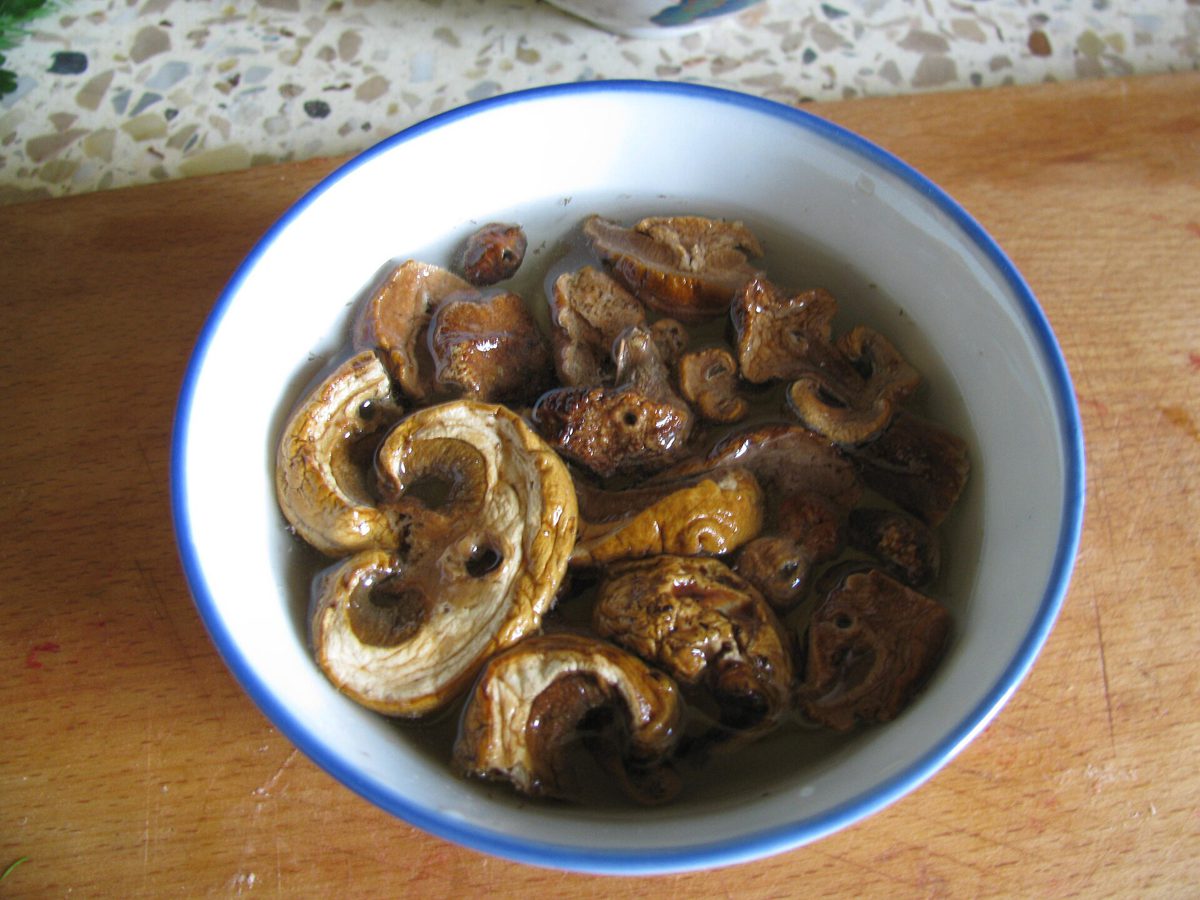
Soak the mushrooms in 250 ml of water, preferably overnight in cold water, or if you're in a hurry, in warm water. Drain them, reserving the water, and chop. Taste the water: if it's bitter, do not add it to the bigos.
-
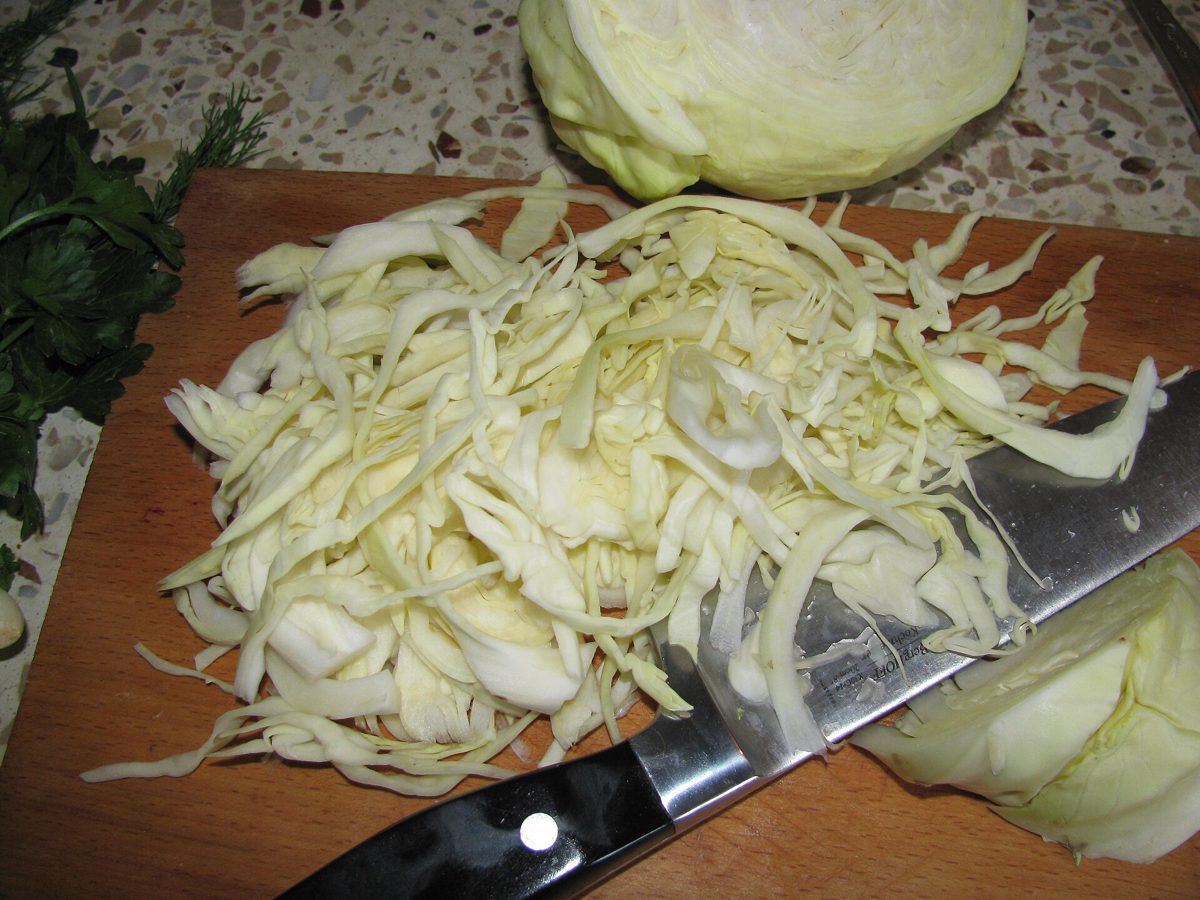
Taste the sauerkraut. If it's mild, just squeeze it, and if it's very sour, rinse and squeeze it. Chop it. Finely shred the fresh cabbage, without the core.
-
Place both cabbages in a large pot with a thick bottom, add the mushrooms with the water, and enough broth to cover the cabbage. Cook covered for about an hour on low heat, so the cabbage just lightly bubbles.
-
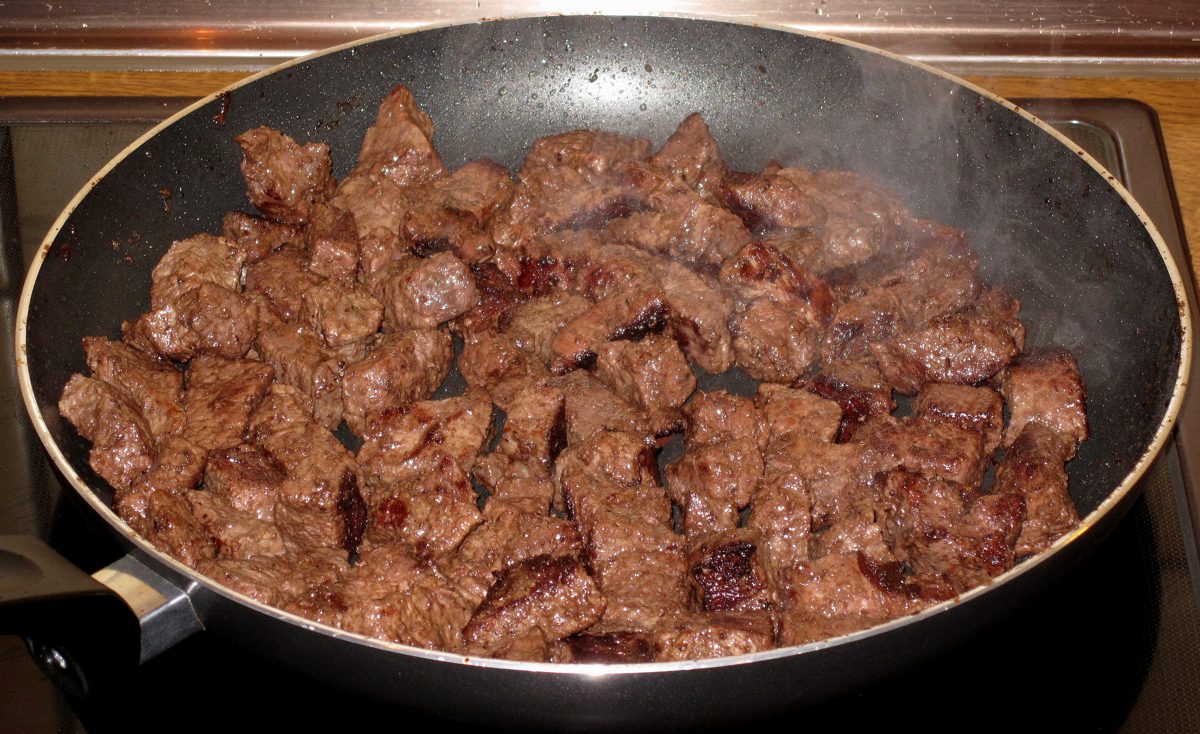
Meanwhile, heat the lard in a pan and brown the pork and beef in batches, so they fry rather than stew. Do not season the meat while frying. Transfer the browned meat to the cabbage.
-
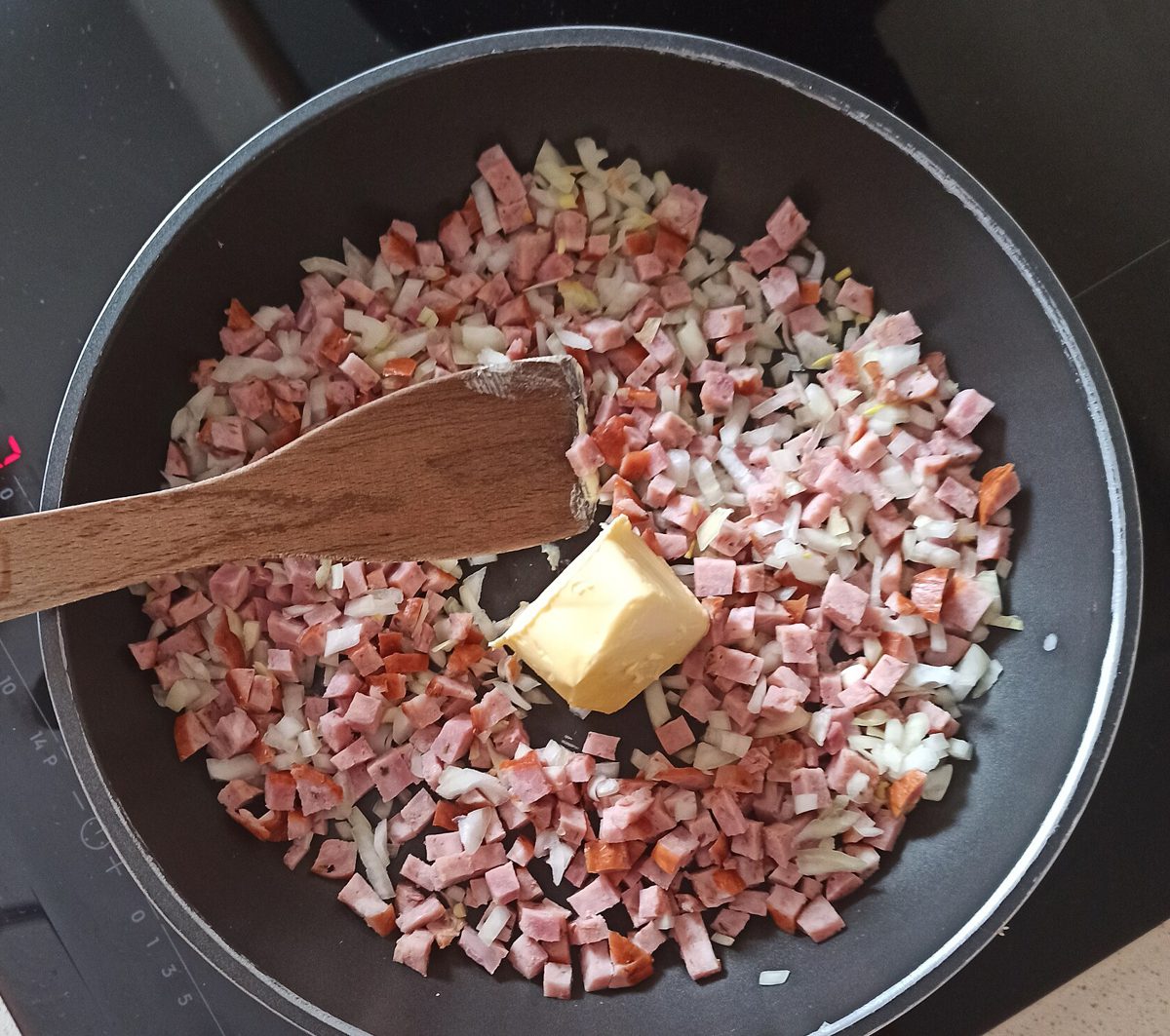
In the same pan, render the diced bacon, add the chopped onion, and sauté until translucent. Add the chopped sausage and briefly fry; if it's dried, you can add it directly to the pot. Transfer everything to the cabbage.
-
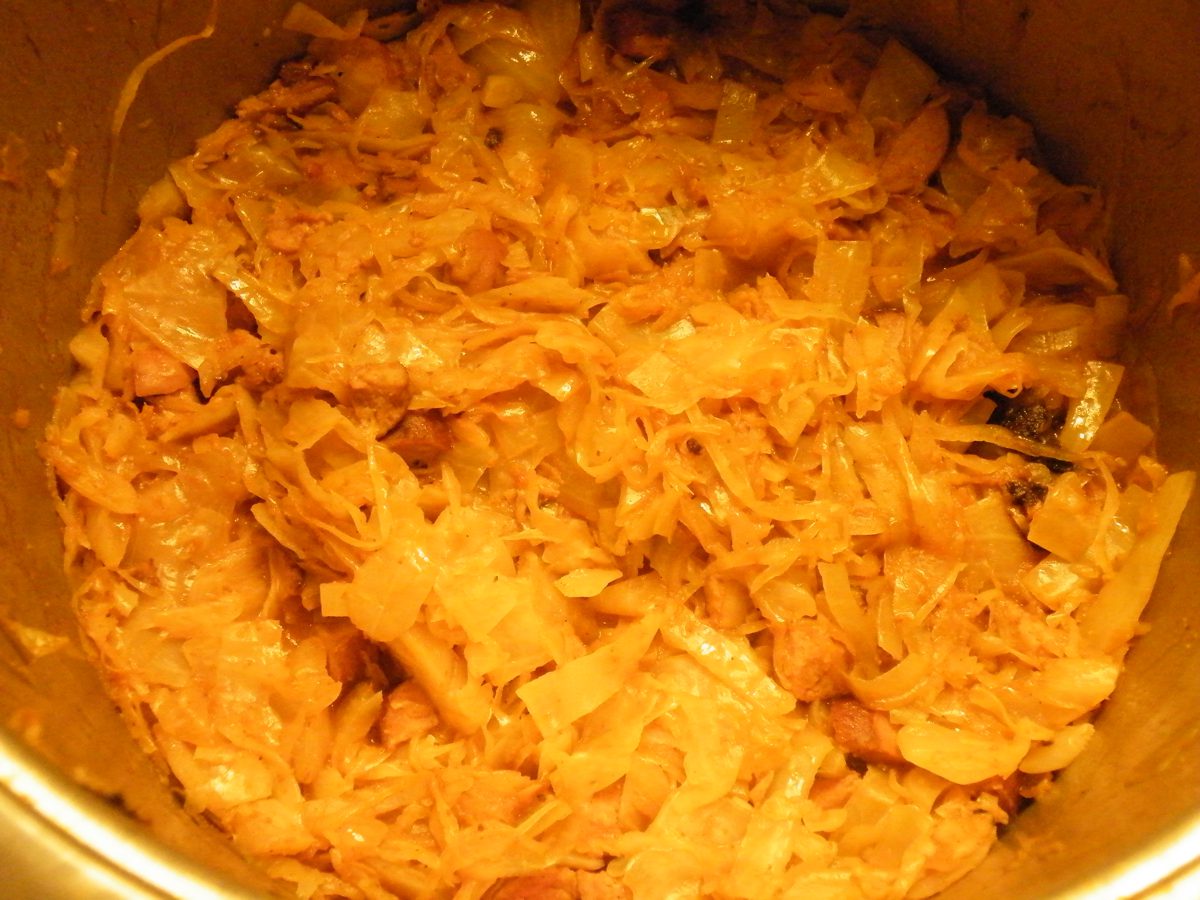
Add the chopped plums, bay leaves, allspice, juniper, pepper, and caraway seeds, and if you like, the tomato paste. Simmer covered on the lowest heat for about one and a half to two hours, stirring with a wooden spoon approximately every 30 minutes, as bigos tends to burn easily.
-
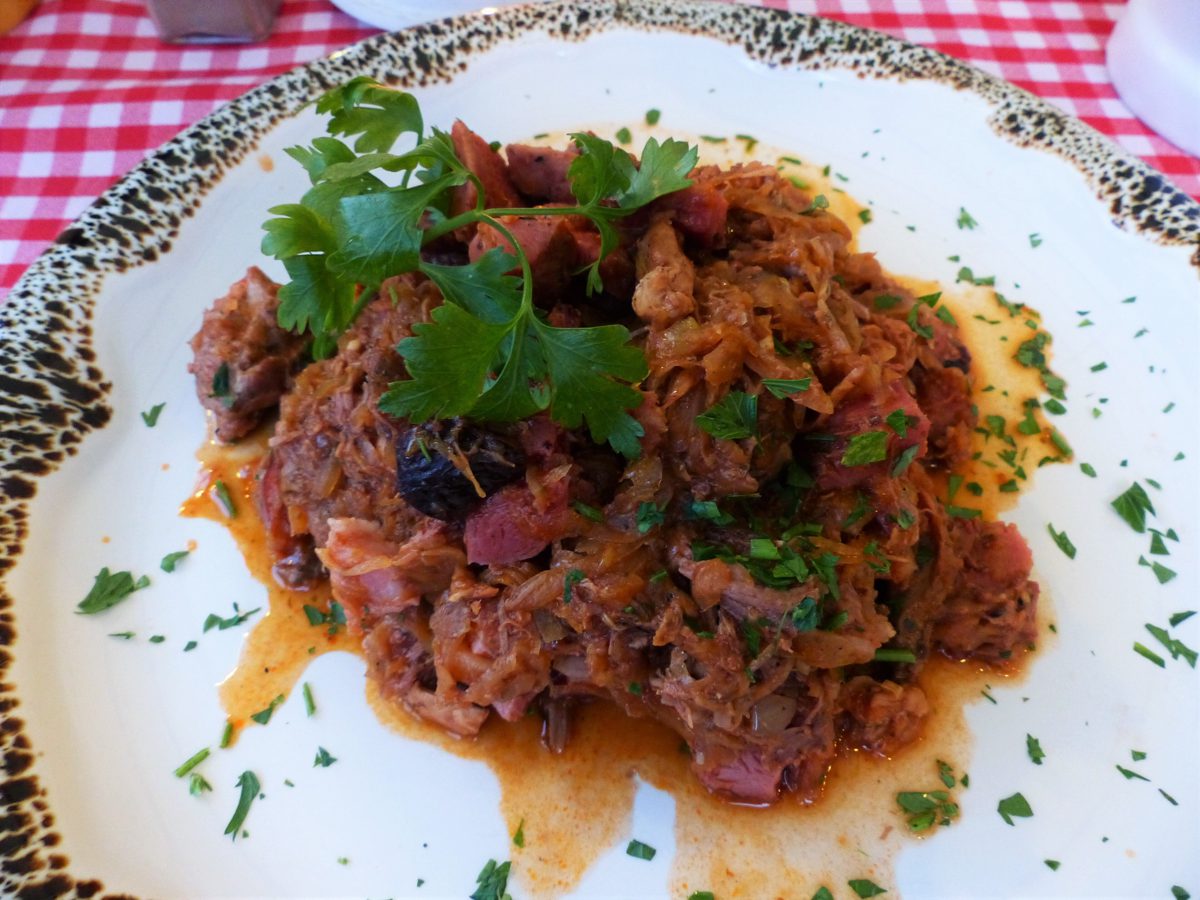
Finally, taste and only then add salt. If the bigos is too thin, cook it a little longer uncovered. It should be thick and dark brown.
-
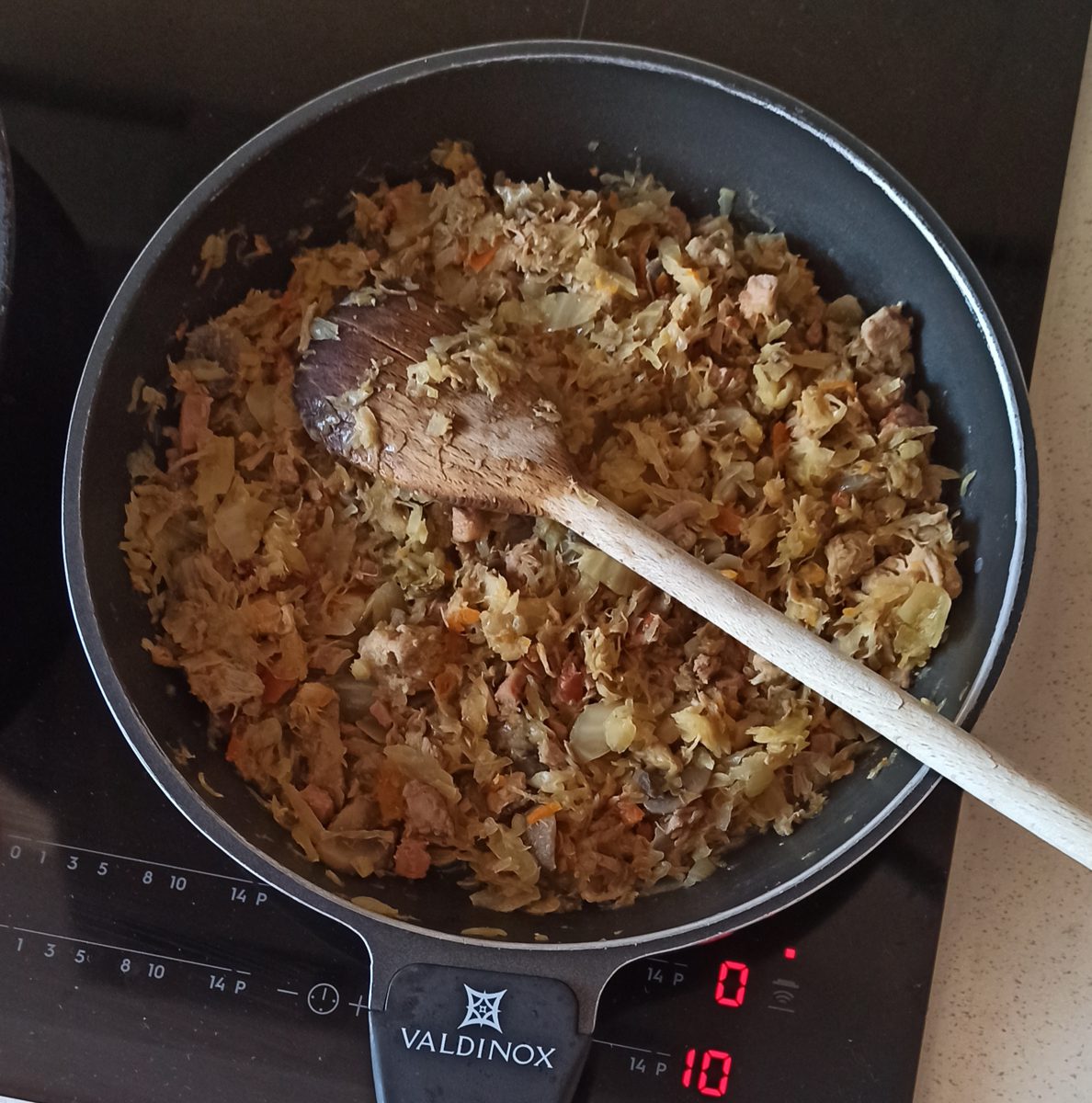
Bigos is ready on the first day, but it's best in the following days. Cool it down and store it in the fridge, and the next day reheat slowly on low heat, in a pot or pan, stirring for about 1–2 hours. You can add wine on the first day or when reheating.
-
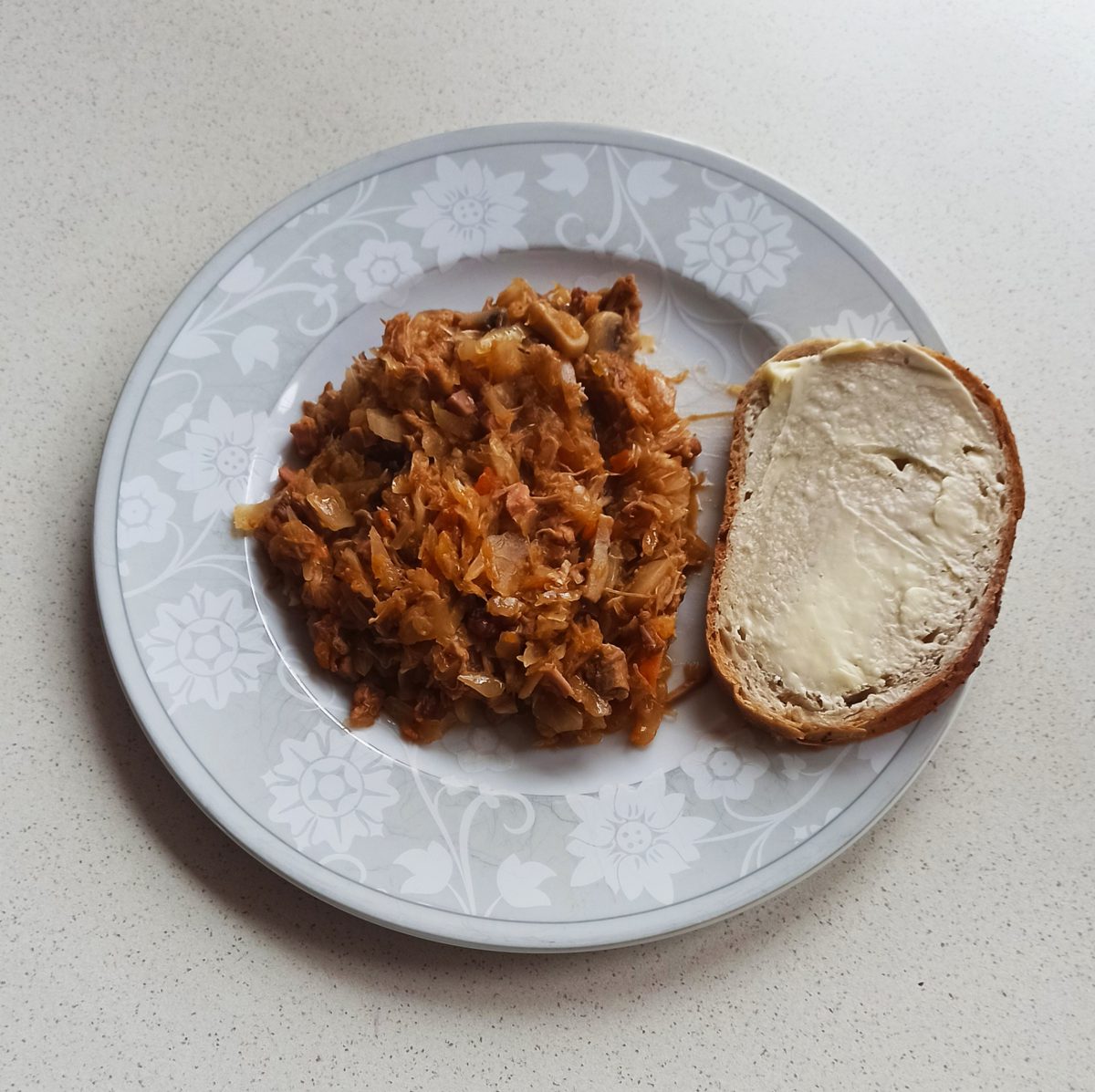
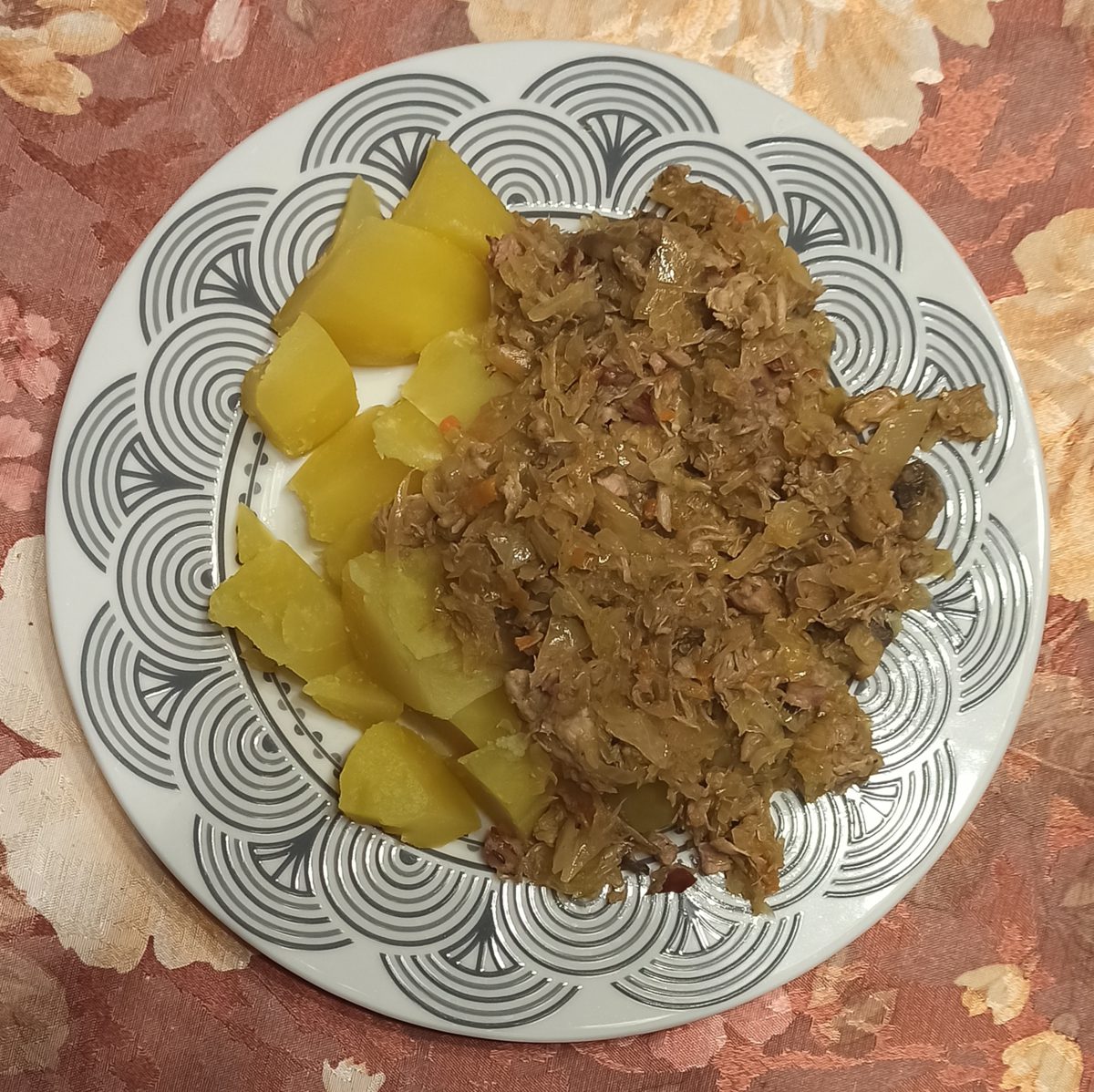
Serve hot, with whole grain or rye bread, with potatoes, kopytka, or Silesian dumplings.
Photos