The story behind the recipe
The oldest recipe I found is by Lucyna Ćwierczakiewiczowa in "365 Dinners for 5 Złoty" from 1871: hard-boiled eggs should be cut "along with the shell," carefully removed "so as not to damage the shells," chopped with a spoon of young butter, pepper, salt, and chives, then placed back into the shells, sprinkled with breadcrumbs, and browned in butter. She advises serving them "with sorrel soup or borscht." Marta Norkowska describes them almost the same way in "The Latest Cuisine" from 1903, in a chapter about additions to soups and broths, as does Wincenta Zawadzka in "Lithuanian Cookbook" from 1913, who uses a rusk instead of breadcrumbs.
Elżbieta Kiewnarska in "100 Dishes with Eggs" from 1928 writes that duck and turkey eggs, "being larger, are even better suited for this purpose." She adds dill, parsley, or chives to the filling, breadcrumbs, butter, and two raw eggs, and fries the halves filled side down in browned butter or lard, covered with a bowl, "to ensure the filling cooks well inside." She serves them arranged in a pyramid, with sorrel soup or as a snack. In a book about fasting dishes from 1927, she also suggests them with spinach, mashed potatoes, or tomato sauce.
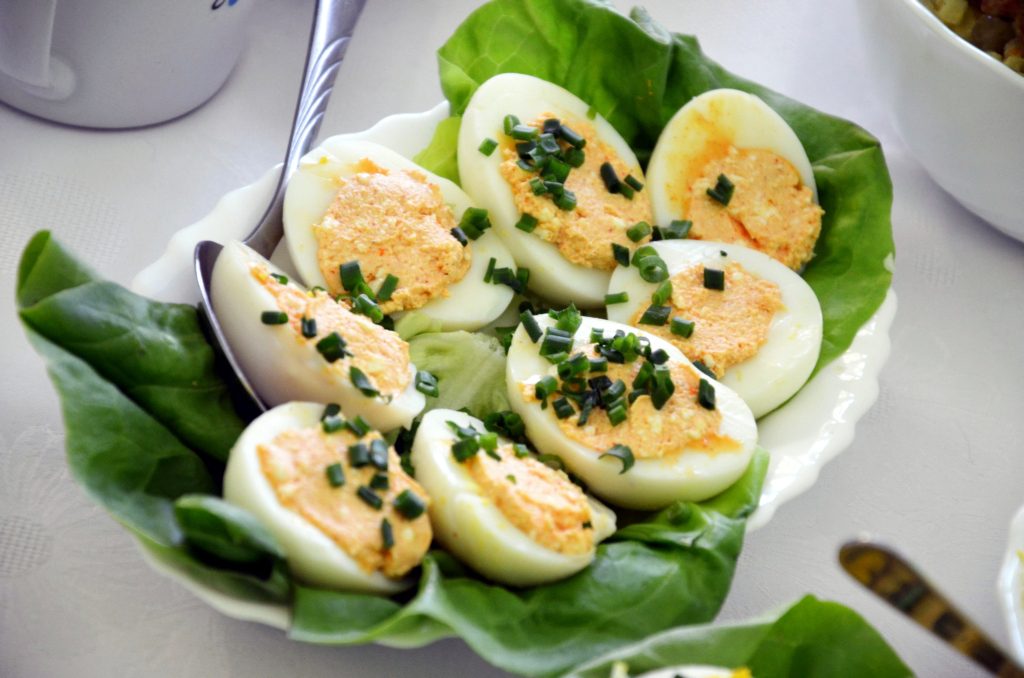
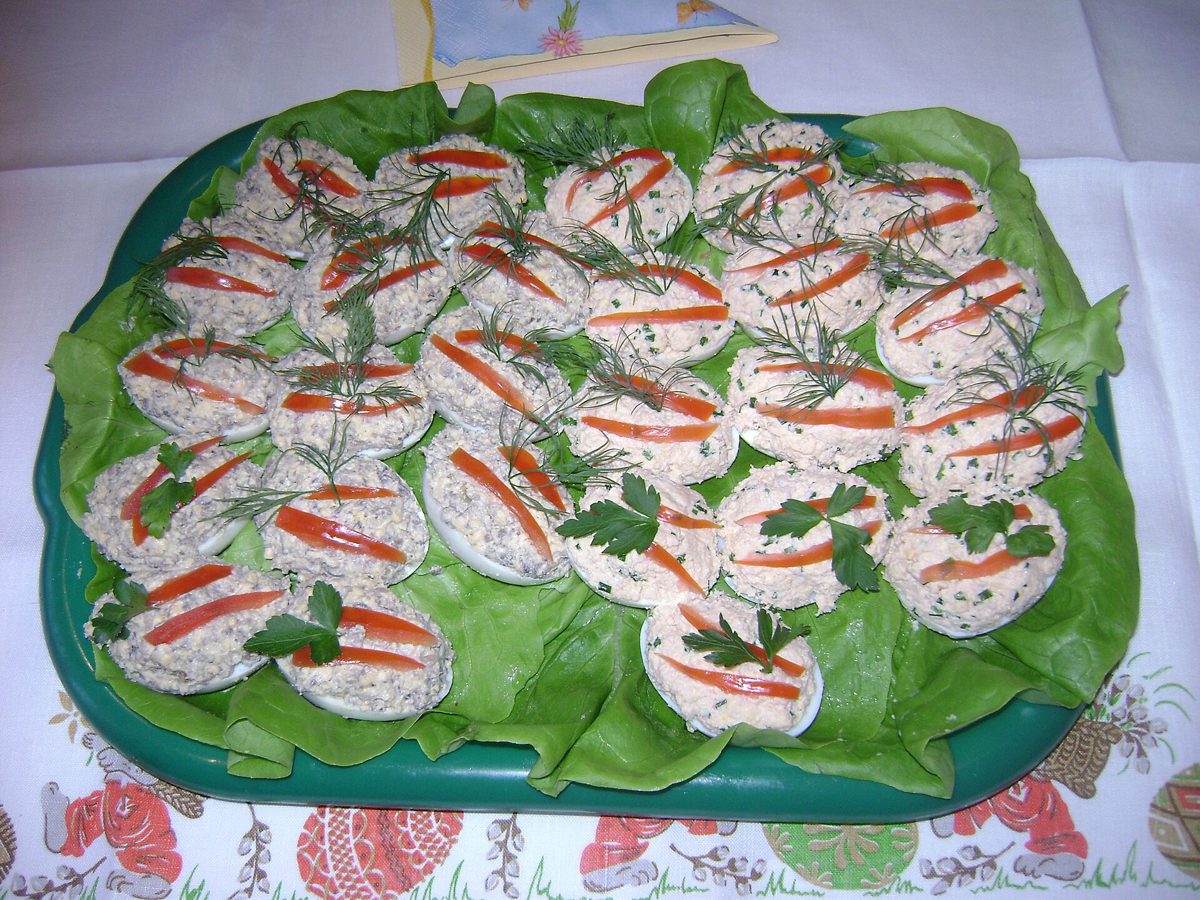
Today, stuffed eggs in shells are primarily associated with Easter. Ania Gotuje calls them a traditional snack "usually served at Easter," while the Rural Housewives' Circle from Wilkowice, who know them as "stuffed eggs," writes about a grandmother's recipe so old that "it's hard to determine its age," and about their "mandatory position in the menu of every holiday." Old cookbooks do not associate them with holidays, so it is not certain when they made it to the Easter table. We did not find them on the List of Traditional Products of the Ministry of Agriculture.
Ingredients
Eggs and Filling (12 Halves)
-
6 pcs eggs (large, class L (63–73 g))
Abroad: USA and Canada: extra large; Australia: extra-large or jumbo -
3 tbsp (45 ml) chopped chives
Abroad: USA, UK: chives; Germany: Schnittlauch - 1 tbsp (15 ml) chopped dill (or parsley)
- 1 tbsp (about 14 g) butter (soft)
-
2 tbsp (about 29 g) thick sour cream 18%
Abroad: USA: sour cream; UK: soured cream; Germany: Schmand -
1 tbsp (about 7 g) breadcrumbs (for the filling)
Abroad: USA, UK: plain breadcrumbs; Germany: Paniermehl, Semmelbrösel - 1 tsp (about 5 g) mayonnaise (optional)
- salt and pepper (to taste)
Coating and Frying
-
3 tbsp (about 21 g) breadcrumbs (for coating)
Abroad: USA, UK: plain breadcrumbs; Germany: Paniermehl, Semmelbrösel -
1 tbsp (15 ml) clarified butter (or regular butter)
Abroad: ghee; Germany: Butterschmalz
Method, step by step
-
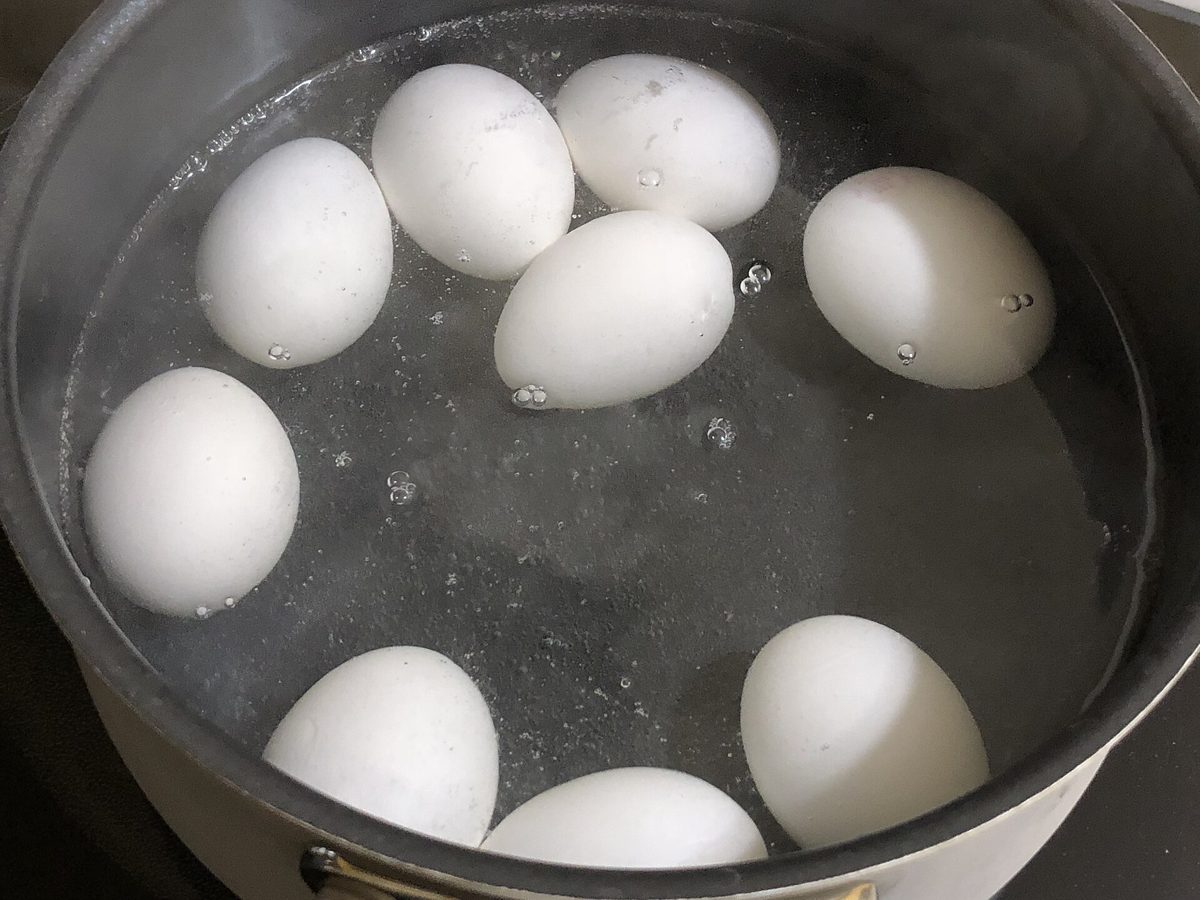
Place the eggs in a pot, cover them with water, and bring to a boil. Boil hard for no longer than 10 minutes. The water should be hot, but it must not boil vigorously, as this can crack the shells. Remove the eggs and let them cool completely.
-
Lay the egg on a board, hold it with your fingers, and cut it lengthwise along with the shell using a large, sharp knife in one decisive motion. Sawing with the knife can crush the shell. Cut the remaining eggs in the same way.
-
Gently scoop out the egg white and yolk from each half using a teaspoon, guiding it close to the shell. Set the empty shells aside; they will be needed for stuffing.
-
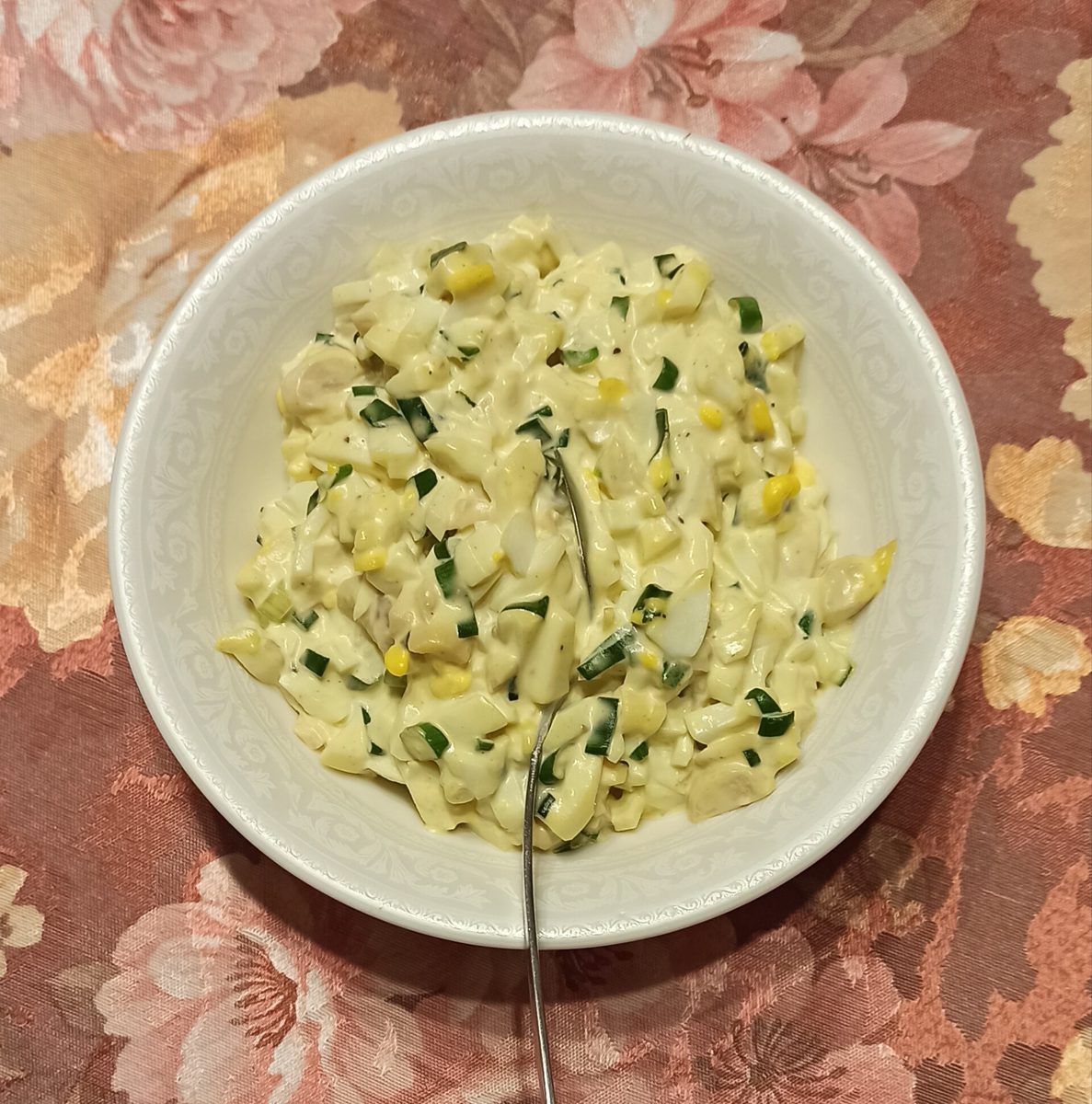
Chop the eggs finely with a knife or mash them with a fork in a bowl. Add the chives, dill, soft butter, sour cream, a tablespoon of breadcrumbs, and if desired, a teaspoon of mayonnaise. Season with salt and pepper and mix. The filling should be moist and moldable; if it crumbles, add a bit more sour cream.
-
Spoon the filling into the shells, pressing it down with a teaspoon to fill them completely. Level the top with a knife, either flush with the edge of the shell or with a slight mound. At this stage, you can cover the eggs and store them in the fridge until the next day.
-
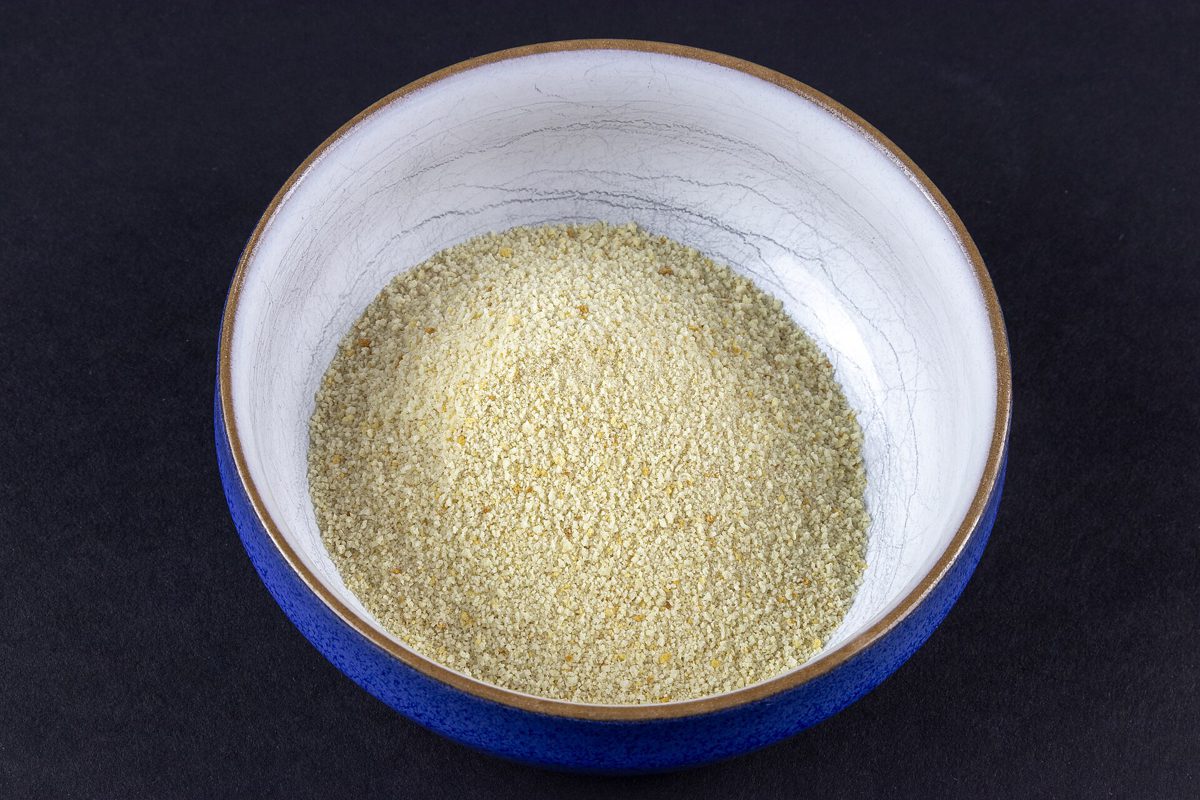
Pour 3 tablespoons of breadcrumbs into a shallow dish. Press each half with the filling side into the breadcrumbs to stick as much as possible.
-
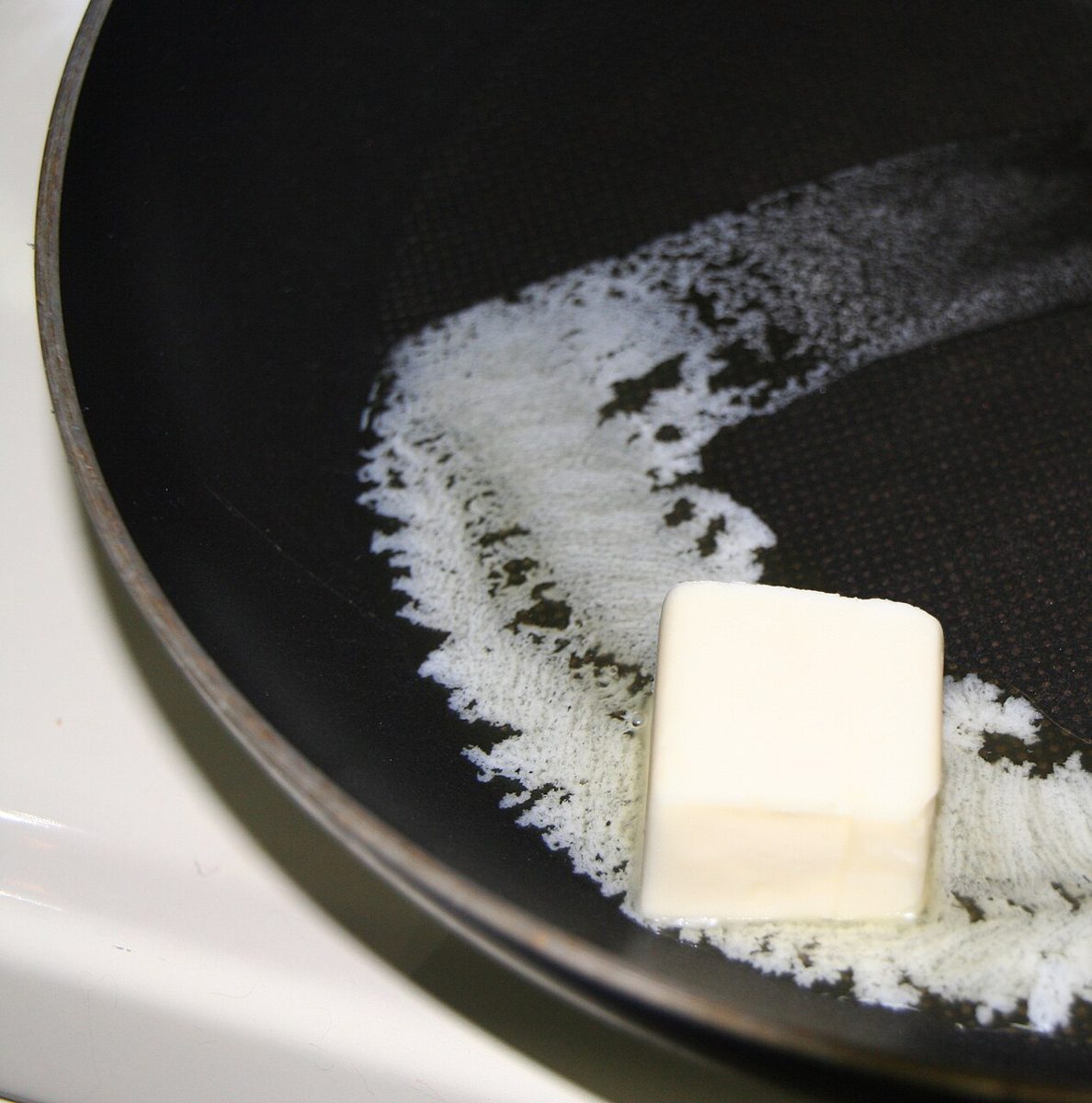
In a heavy-bottomed pan, heat the clarified butter over medium heat. Place the eggs filling side down and fry for about 2 minutes, until the breadcrumbs brown. Check the color and reduce the heat if necessary. If you want the filling to heat through well, cover the pan with a lid, just as Kiewnarska did with a bowl.
-
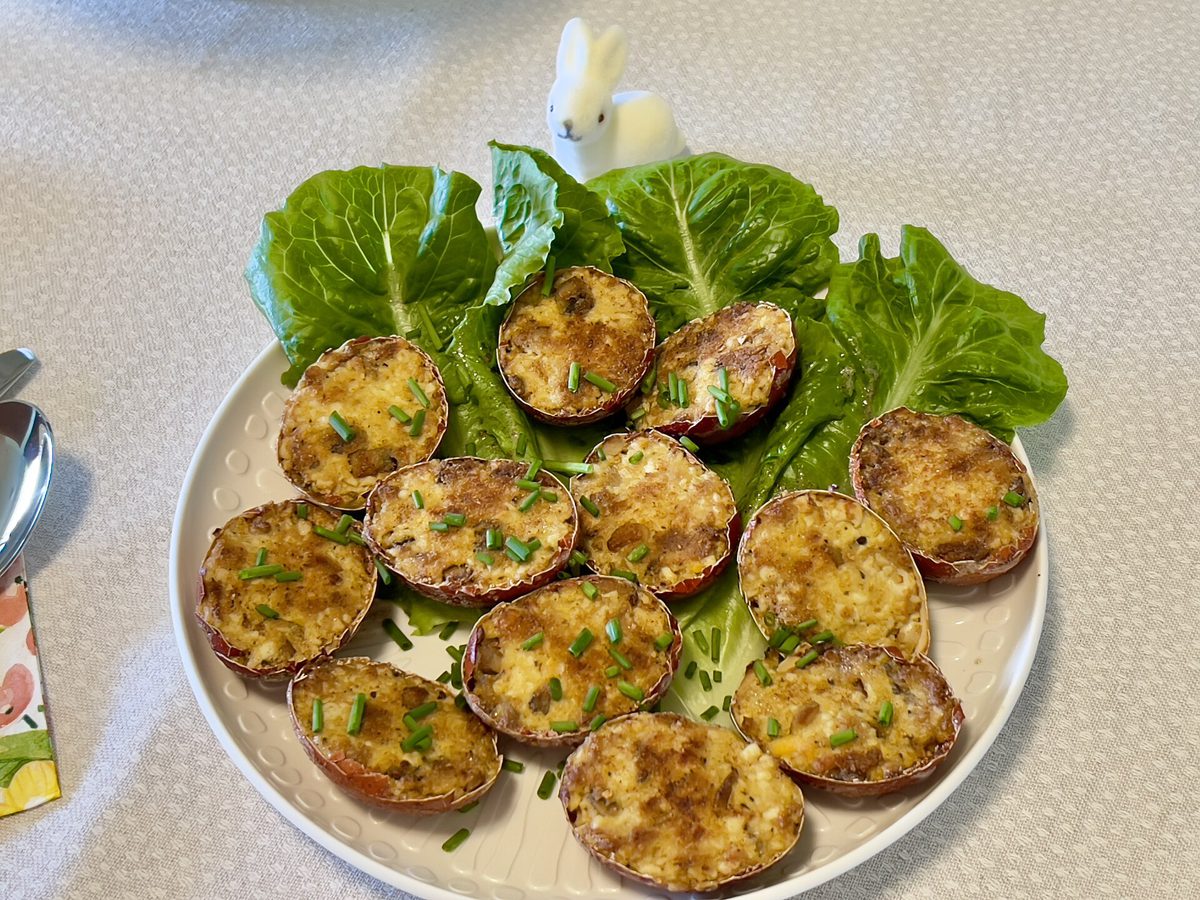
Remove the eggs with a spatula and arrange them on a platter, for example, on lettuce leaves, and sprinkle with chives. Serve warm, with tartar sauce or as an accompaniment to sorrel soup or borscht. They are also good when cooled.
Photos