
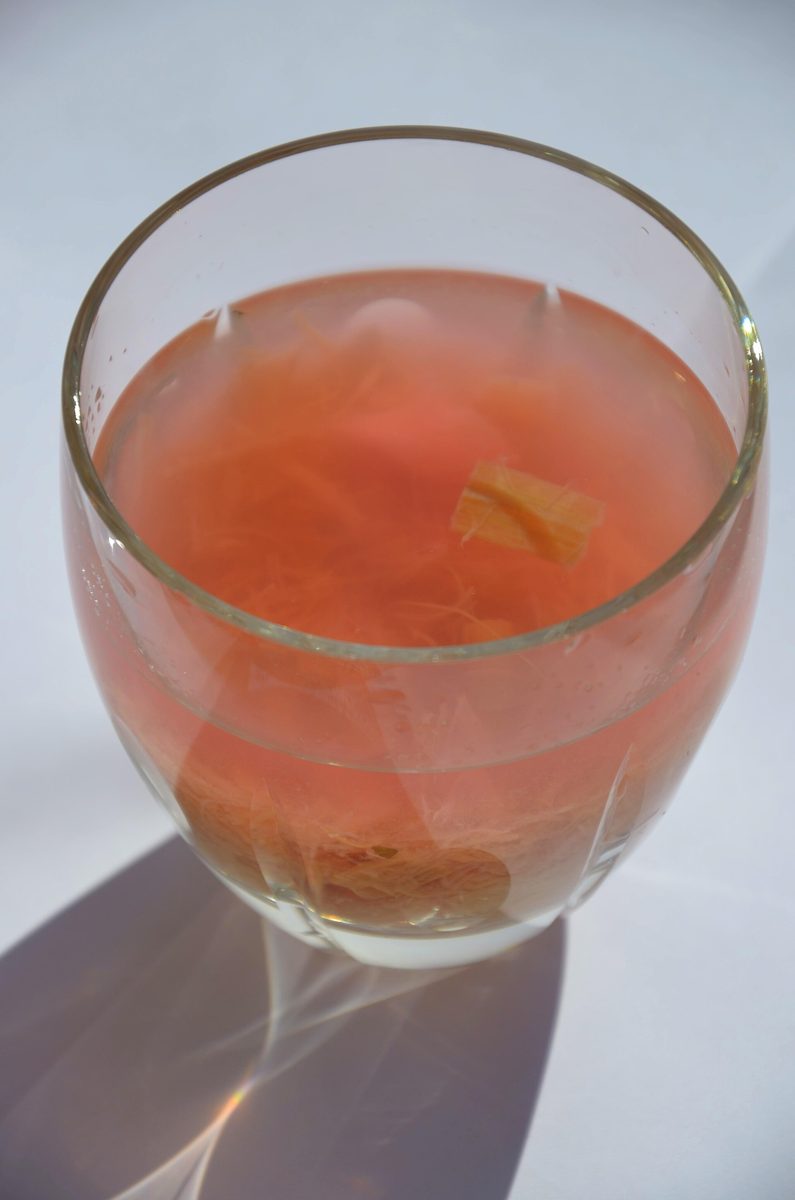
The story behind the recipe
Kompot is a drink made from cooked fresh or dried fruits, classified as a fruit preserve. It is made with apples, cherries, strawberries, and rhubarb, among other fruits. Bronisław Gałczyński in his guide "Ogród warzywny na dwustu metrach kwadratowych" from 1929 traced the word kompot, similar to compost, from the Latin compositum, meaning "composed," and added: "We often eat compotes made only from apples or only from rhubarb."
This same author advised planting three rhubarb bushes in the garden, which would yield about 15 kg of stalks per year, "from which we can have excellent compote at a time when there are no apples yet and cherries are not yet available." Rhubarb is harvested in Poland from early May to July. Rhubarb compote also appears in literature: in the story by Marian Pilot "Panny szczerbate" from 1962, the protagonist eats dumplings at a village table, "dipping the dumpling in sauce once, and in rhubarb compote another time."
The author of the blog Ania Gotuje recalls that her mother prepared rhubarb from early May, and rhubarb compote was as important in their home as apple compote in autumn. When exactly rhubarb compote entered Polish home cooking is not definitively known: we did not find a source that establishes this.
Ingredients
Kompot (około 3 l, czyli 12 szklanek)
-
1 kg rabarbar (około 5–6 średnich łodyg, ważony przed obcięciem końców)
Abroad: USA, Kanada, Wielka Brytania: rhubarb; Niemcy: Rhabarber; poza sezonem: frozen cut rhubarb (mrożony) - 3 l woda (może być mineralna niegazowana)
-
150 g cukier (plus więcej do smaku, nawet do 300 g)
Abroad: granulated sugar; Niemcy: Zucker - 1 tbsp (15 ml) sok z cytryny (do 2 łyżek, niekoniecznie)
Do podania
- kostki lodu
- listki mięty
- plasterki cytryny (albo pomarańczy)
- woda gazowana (do rozcieńczenia, niekoniecznie)
Method, step by step
-
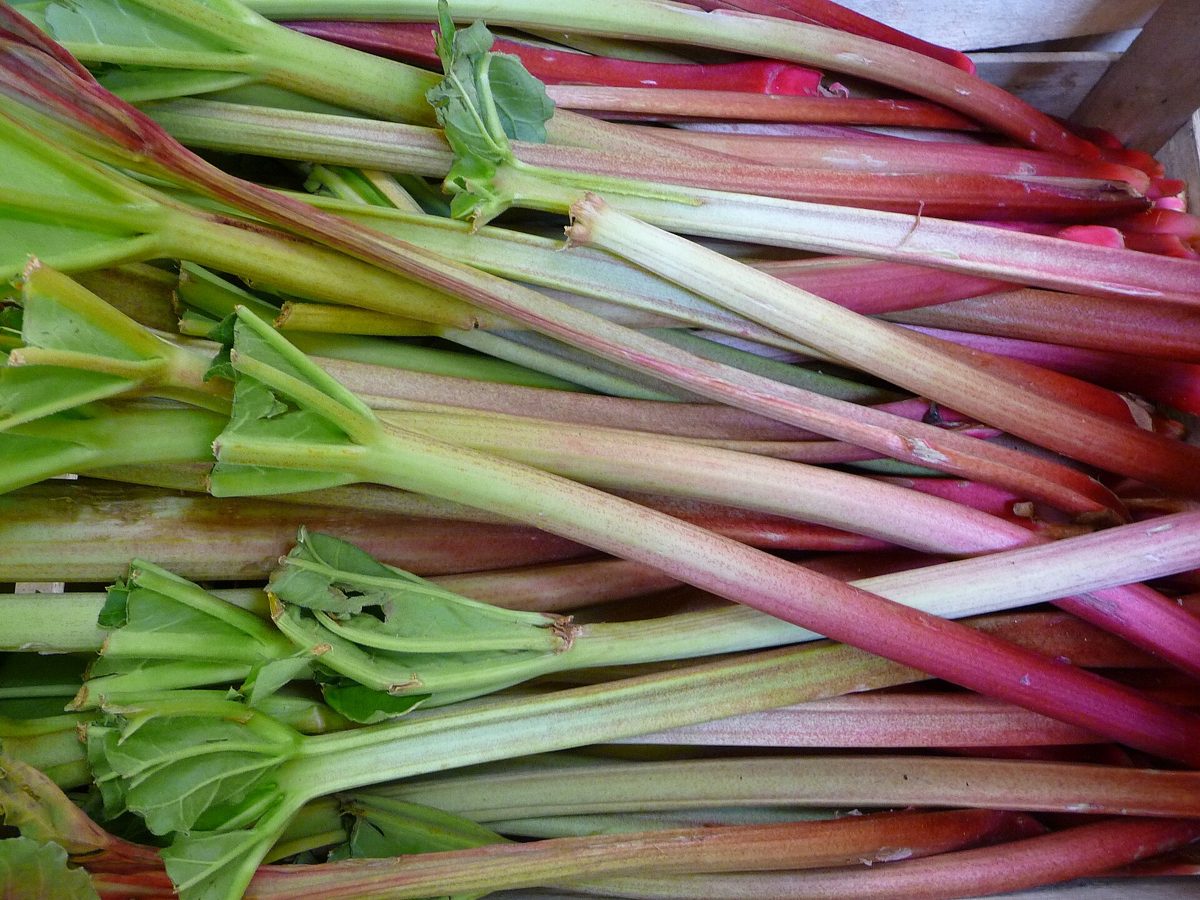
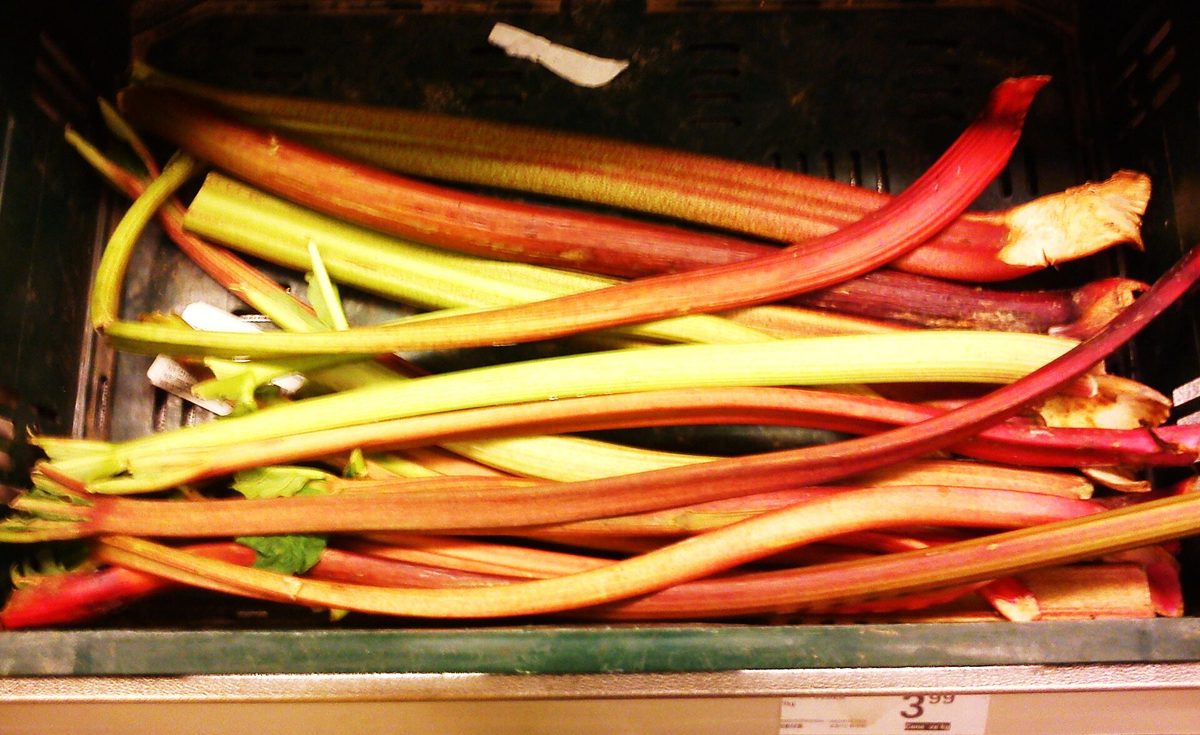
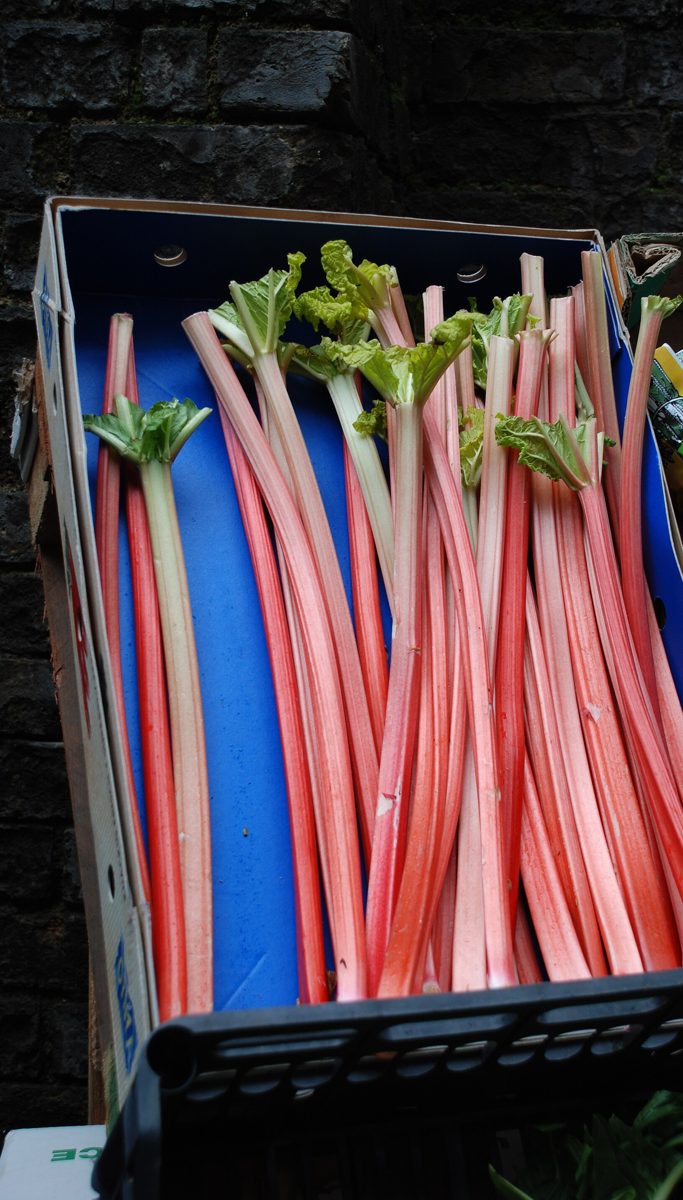
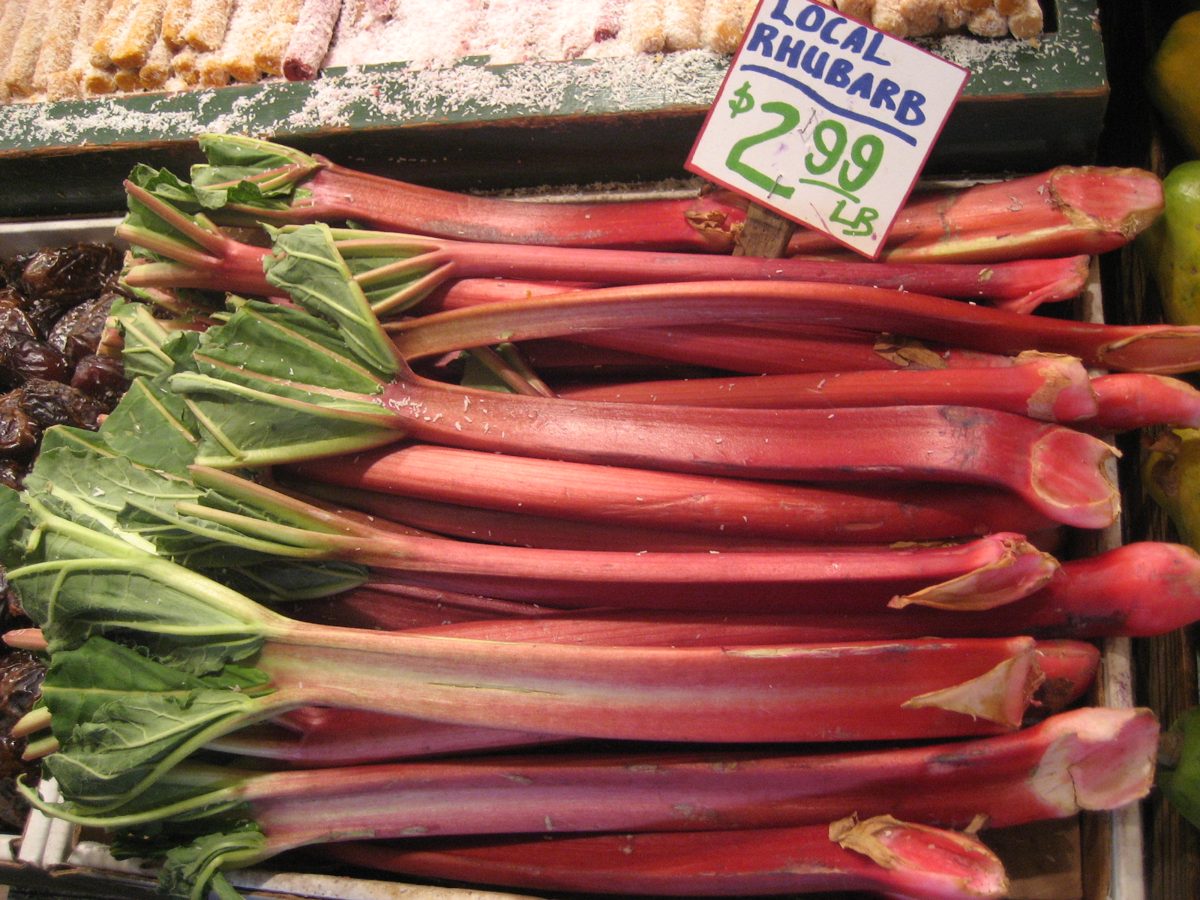
Thoroughly wash and dry the rhubarb stalks. Cut off and discard the leaves along with a piece of the stalk at the leaf and the thick, bent end that grew near the ground. Do not peel the stalks, as the skin gives the compote its pink color.
-
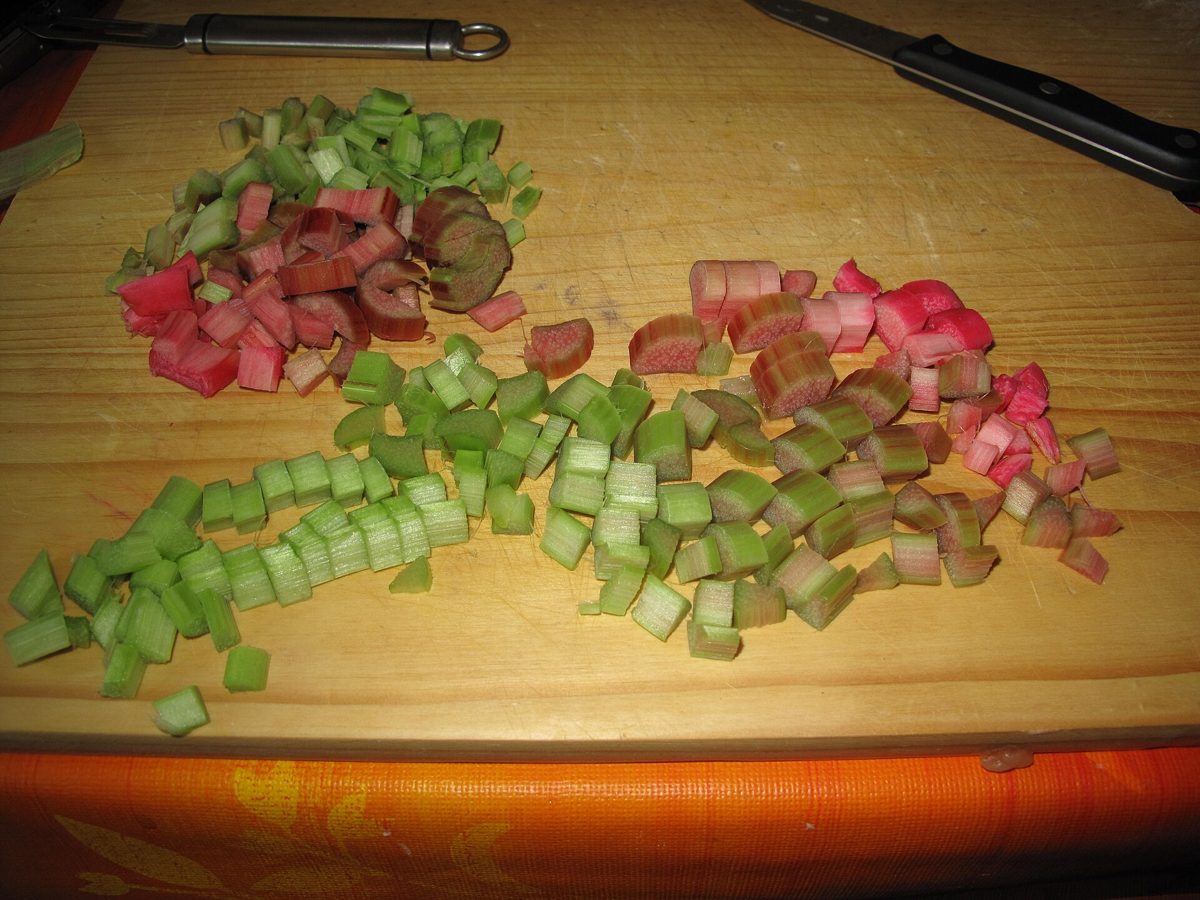
Cut the stalks into pieces about 1–2 cm (½–¾ inch) long. They do not need to be uniform, as they will soften during cooking.
-
Transfer the rhubarb to a large pot, preferably with a capacity of at least 5 liters. Sprinkle it with 150 g of sugar and pour in 3 liters of cold water. If you want a strong essence for dilution, pour in only half the water for now.
-
Cover the pot and bring to a boil over high heat. Once the compote boils, reduce the heat so that it just lightly bubbles.
-
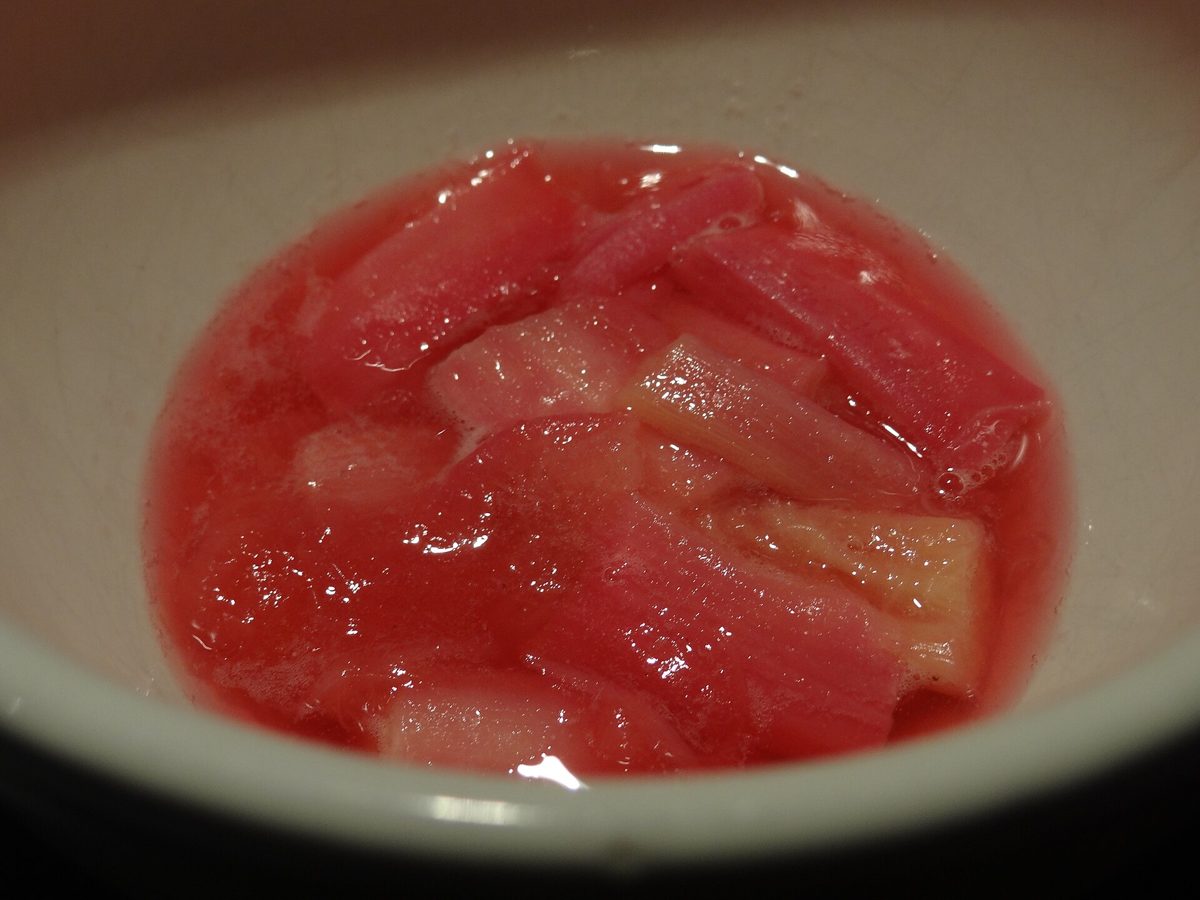
Cook until the rhubarb pieces soften and start to break apart. For a lighter compote with pieces, about 5 minutes is enough; for a stronger and cloudier compote, cook for up to 30 minutes.
-
Remove the pot from the heat and let the compote cool slightly. Strain it through a large, fine sieve into a pitcher or clean pot, pressing the pulp in the sieve with a spoon to extract as much juice as possible. Only fibers and skins will remain in the sieve.
-
Taste the compote and sweeten it if it is too sour, stirring until the sugar dissolves. If you like, add a tablespoon of lemon juice. If you cooked the essence in half the water, dilute it now with the rest of the water. You can add a few nicer, pink pieces of rhubarb to the pitcher.
-
Cool the compote and place it in the refrigerator. Serve chilled with ice cubes, a mint leaf, and a slice of lemon, and if it is very strong, dilute it with sparkling water. It also tastes good warm.
Photos
Comments (0)
No comments yet. Be the first!