
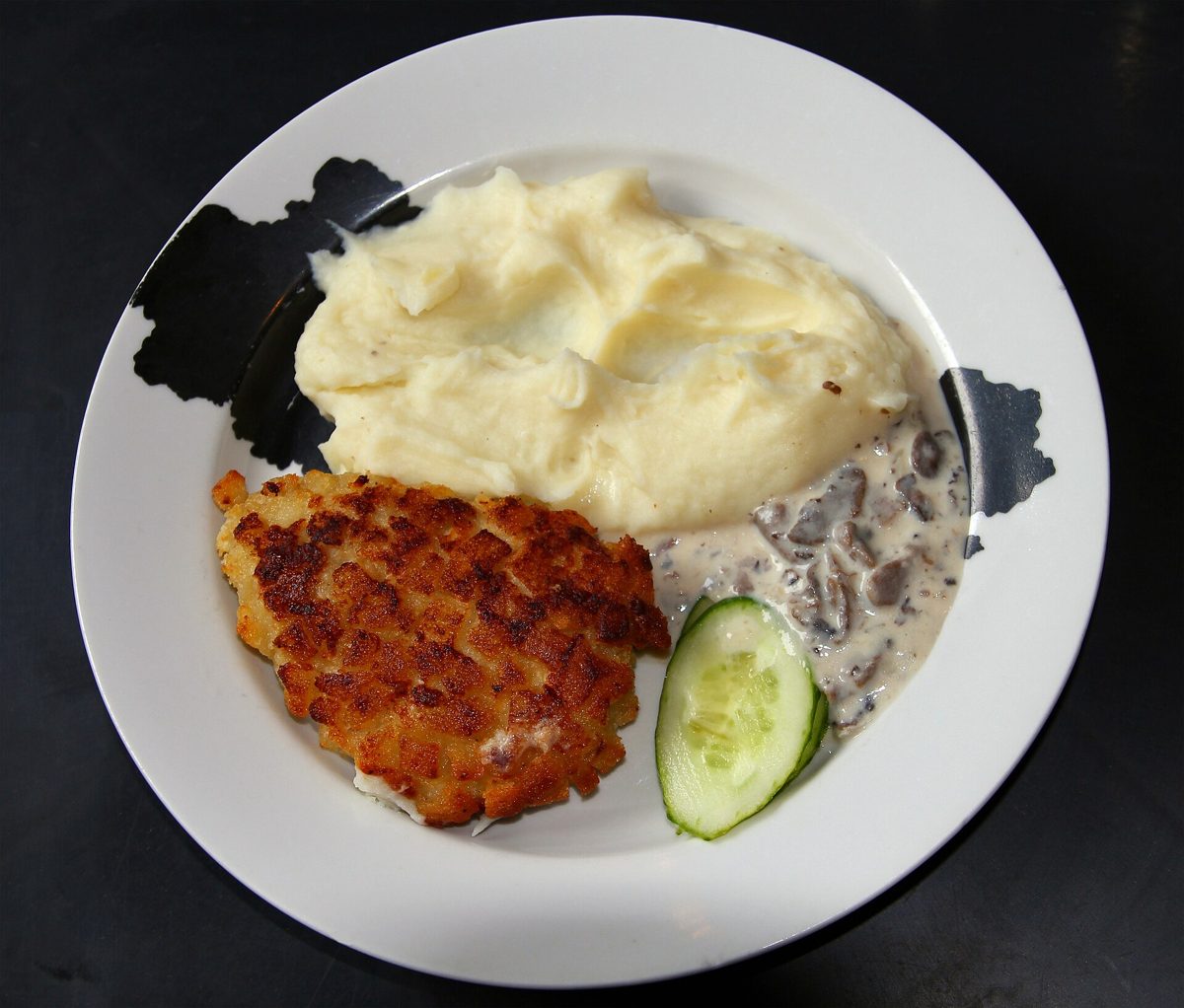
The story behind the recipe
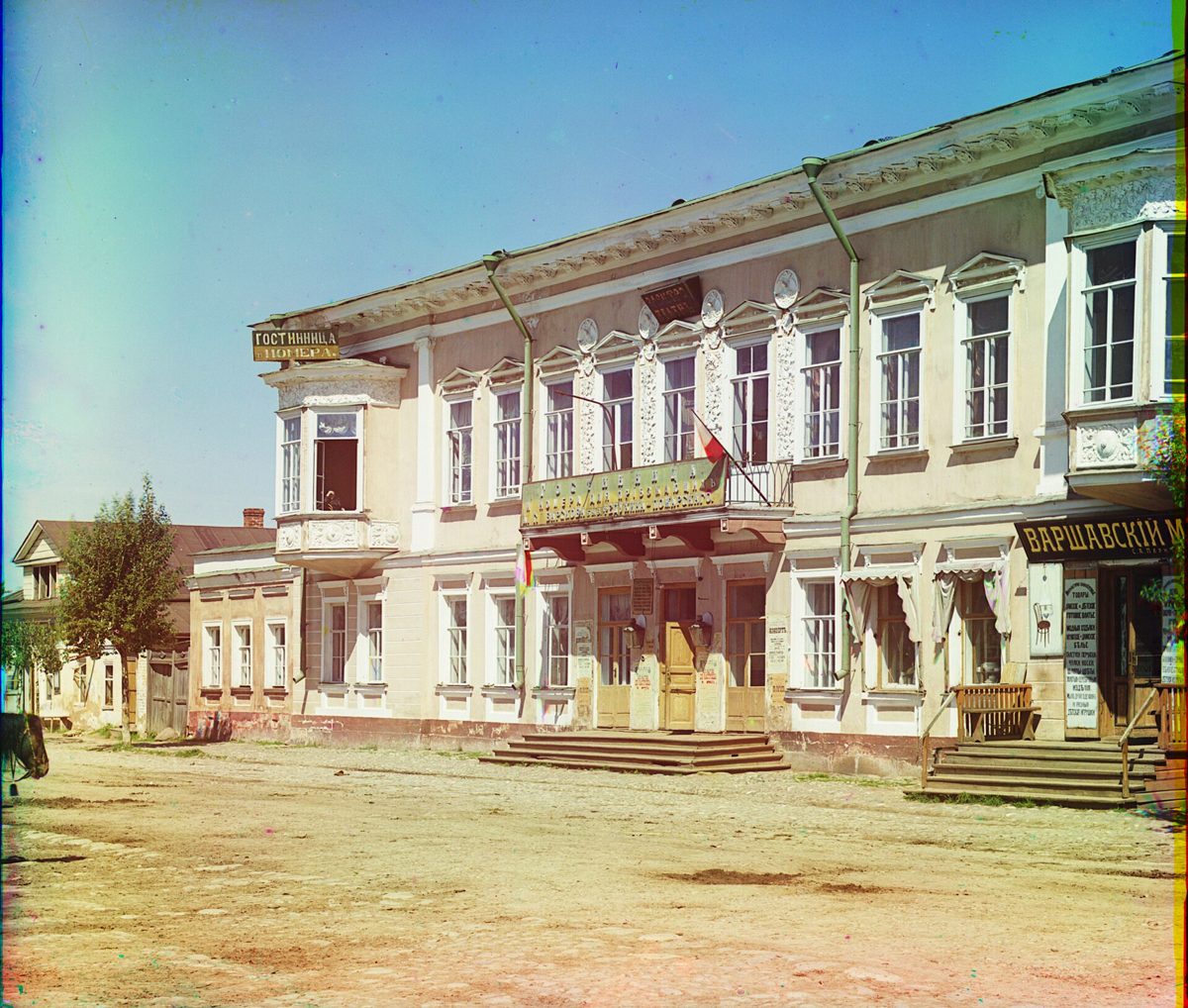
Kotlety pożarskie came to Poland from Russian cuisine. The name is associated with the Pożarski family, who ran an inn in Torżek in the early 19th century, a town on the route between Moscow and Petersburg, where travelers changed horses. It is certain that cutlets were served there as early as 1826: Alexander Pushkin advised in a rhymed letter to his friend, Sergey Sobolevsky, to have lunch 'at Pożarski's in Torżek' and taste the fried cutlets, 'just cutlets.' The letter does not specify what they were made of. Russian culinary historians write that they were initially made from beef or veal, and the chicken version likely appeared in the 1830s and 1840s when the inn was taken over by the owner's daughter, Daria Pożarska.
Many legends have grown around these cutlets, and it is not certain which is true. According to the most popular one, Tsar Nicholas I stopped in Torżek and ordered veal cutlets, and when veal ran out, the innkeeper made them from poultry. The tsar was said to be delighted and ordered the dish to be included in the court menu. Théophile Gautier wrote that the recipe was given to the innkeeper by a poor Frenchman who had no means to pay for his stay. Elżbieta Kiewnarska in her books from 1929 attributes the invention to a poor widow Pożarska from a roadside post station, who instead of meat had plenty of cheap partridges, but sometimes places her on the route and sometimes in Kołpino near Petersburg. Others connected the name with Prince Dmitry Pożarski or with the chef Carême; Russian researchers consider the connection with the prince to be a myth.
Kotlety pożarskie have been in Polish cookbooks for a long time. According to Maciej E. Halbański's 'Lexicon of Culinary Art,' even the anonymous 'Improved Cook' from 1847 advised making them with partridge and chicken with egg and nutmeg, while Lucyna Ćwierczakiewiczowa wrote that in Warsaw restaurants they are made from leftover poultry mixed with veal. Marta Norkowska in 'The Latest Cuisine' from 1903 provides a recipe very close to today's: finely chopped chicken breast, two rolls soaked in milk, a tablespoon of fresh butter, and salt, elongated cutlets in egg and breadcrumbs, fried in butter and baked for three minutes in the oven. She adds that 'these are the real kotlety pożarskie served in first-class restaurants,' and with veal, they will be cheaper, 'but they will not be as delicate.'
Ingredients
Masa (8 małych kotletów)
-
500 g pierś z kurczaka (bez skóry; albo pół na pół z mięsem z udek bez skóry, albo z cielęciną)
Abroad: USA i Kanada: boneless skinless chicken breast (albo thighs); Wielka Brytania: chicken breast fillets; Niemcy: Hähnchenbrustfilet -
1 pc czerstwa kajzerka
Abroad: USA: Kaiser roll albo biała bułka; Wielka Brytania: white bread roll; Niemcy: Brötchen albo Semmel - 100 ml mleko (do namoczenia bułki)
-
60 g zimne masło (prosto z lodówki, do starcia na tarce)
Abroad: unsalted butter; Niemcy: Süßrahmbutter -
2 tbsp (30 ml) śmietanka 30% (opcjonalnie, dla delikatniejszej masy)
Abroad: USA: heavy cream; Wielka Brytania: double cream; Niemcy: Schlagsahne - ½ tsp (about 3 g) sól
- biały pieprz (szczypta)
- gałka muszkatołowa (szczypta, opcjonalnie)
Panierka
- 1 pc jajko (roztrzepane)
-
5 slices chleb tostowy albo bułka paryska (bez skórki, pokrojone w kostkę o boku kilku milimetrów)
Abroad: USA: white sandwich bread; Wielka Brytania: white sliced bread; Niemcy: Toastbrot; albo gotowe panko
Do smażenia
-
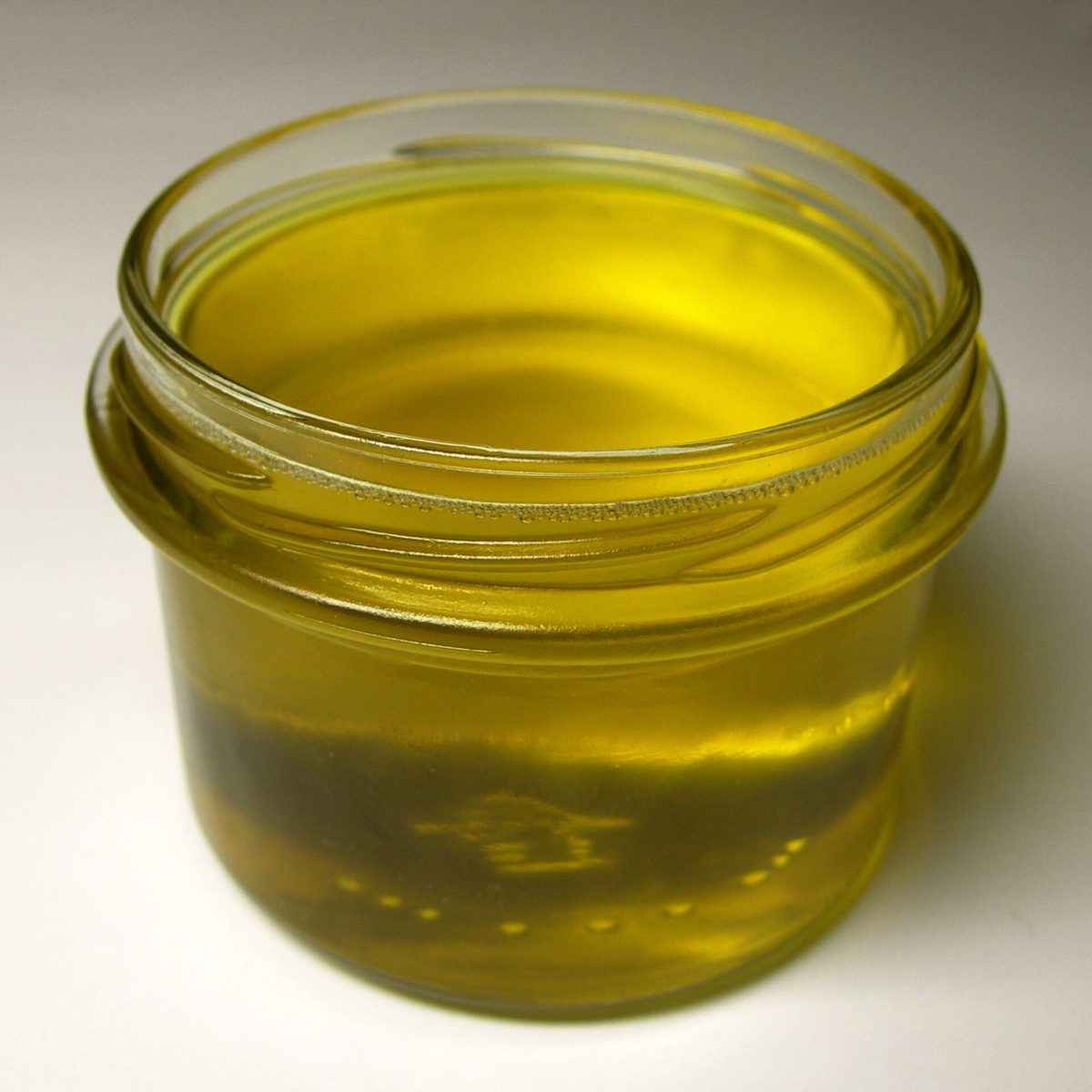
3 tbsp (45 ml) masło klarowane (albo 2 łyżki masła i 1 łyżka oleju)
Abroad: USA i Wielka Brytania: ghee albo clarified butter; Niemcy: Butterschmalz
Method, step by step
-
Cut the roll into several pieces, pour milk over it, and let it sit for about 15 minutes until it softens completely.
-
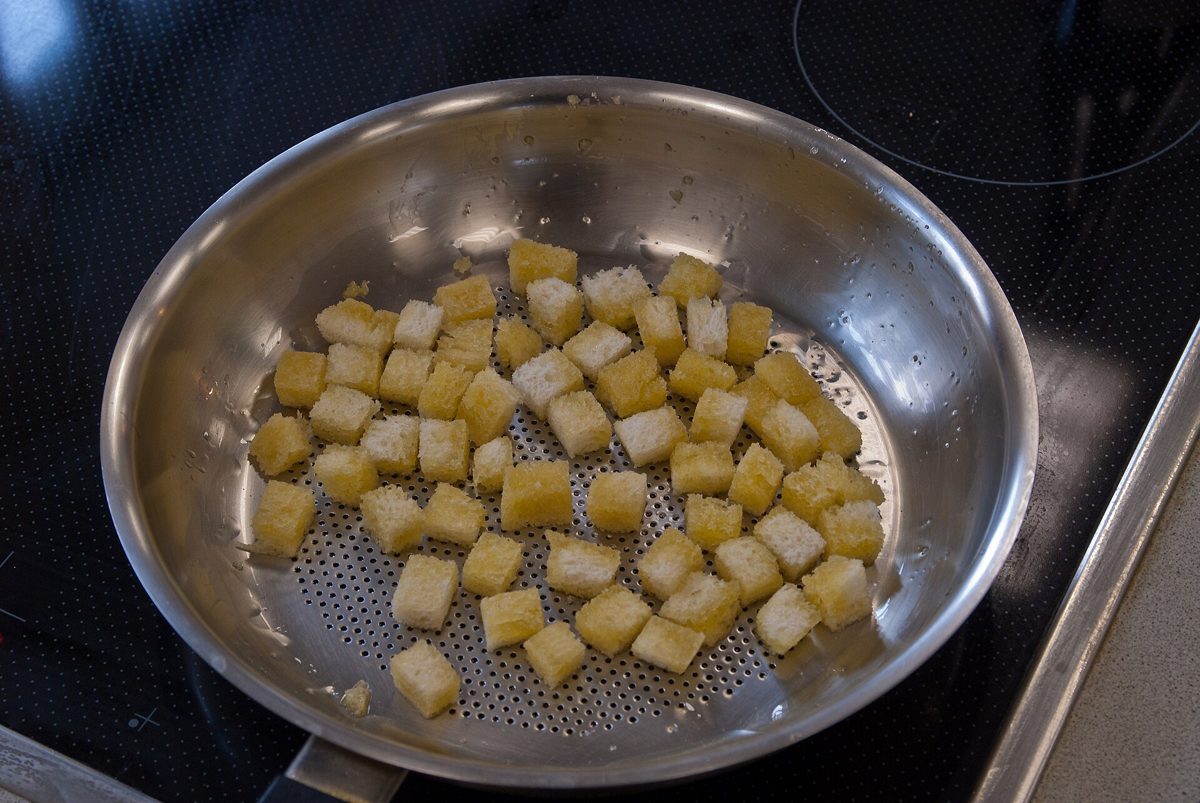
Prepare the coating: cut the crustless toast bread into small cubes (about 1/4 inch). Spread them on a baking sheet and dry for 10 minutes in an oven preheated to 150°C (300°F) or for a few minutes in a dry pan over low heat, stirring. The cubes should be dry and crispy, barely browned. Let cool.
-
Clean the chicken breast of membranes and tendons and chop it very finely with a knife or grind it in a food processor or meat grinder. The finer it is, the more uniform and delicate the mixture will be. Keep the meat cool.
-
Lightly squeeze the bread from the milk and crumble it with a fork. Add it to the meat along with salt, white pepper, and optionally nutmeg. Grate the cold butter on a fine grater directly into the bowl, add the cream, and quickly mix by hand, just until combined, so the butter doesn't melt. The mixture will be looser than for regular meatballs.
-
Cover the bowl and place the mixture in the refrigerator for about 30 minutes. Chilled mixture is easier to shape.
-
With wet hands, divide the mixture into 8 parts and shape them into elongated, oval cutlets about 2 cm (3/4 inch) thick.
-
Dip each cutlet in the beaten egg, then coat in the bread cubes, pressing lightly to make them stick. Place on a plate. Preheat the oven to 180°C (350°F).
-
In a large pan, heat the clarified butter over medium heat. Fry the cutlets in batches for 1–2 minutes on each side, just until the coating is golden. Do not increase the heat, as the bread cubes will brown quickly.
-
Transfer the cutlets to a baking dish and bake uncovered for about 15 minutes, until the center of the thickest cutlet reaches at least 74°C (165°F).
-
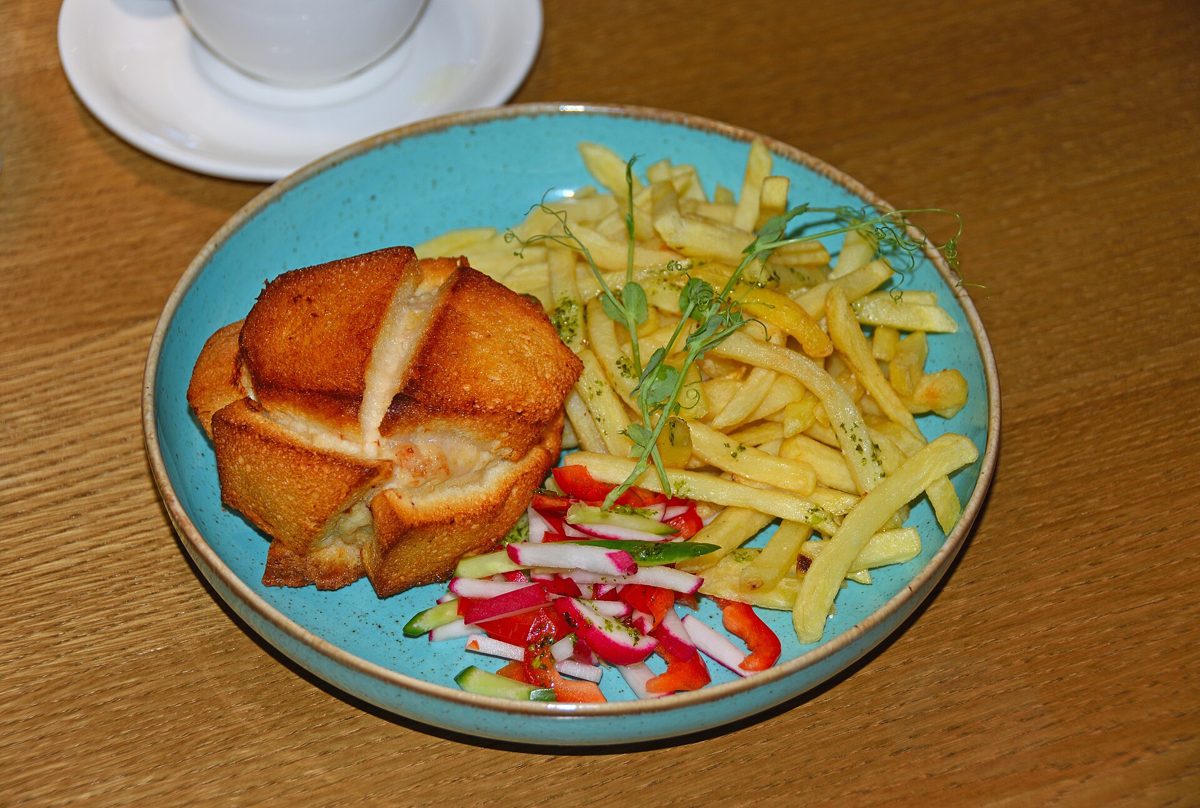
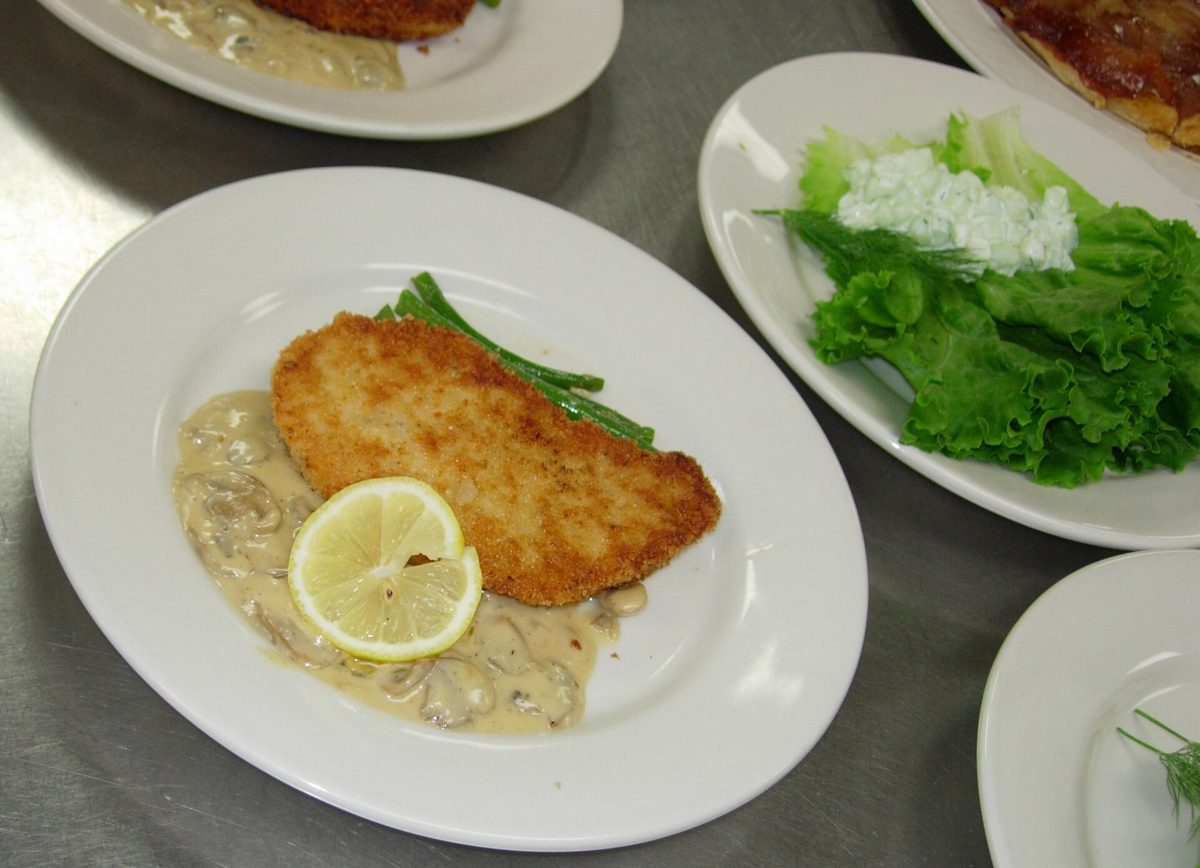
Serve immediately, with mushroom sauce and mashed potatoes or with young potatoes, carrots with peas, or cucumber salad.
Photos
Comments (0)
No comments yet. Be the first!