The story behind the recipe
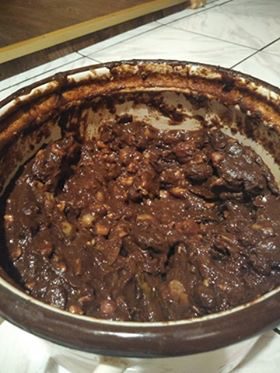
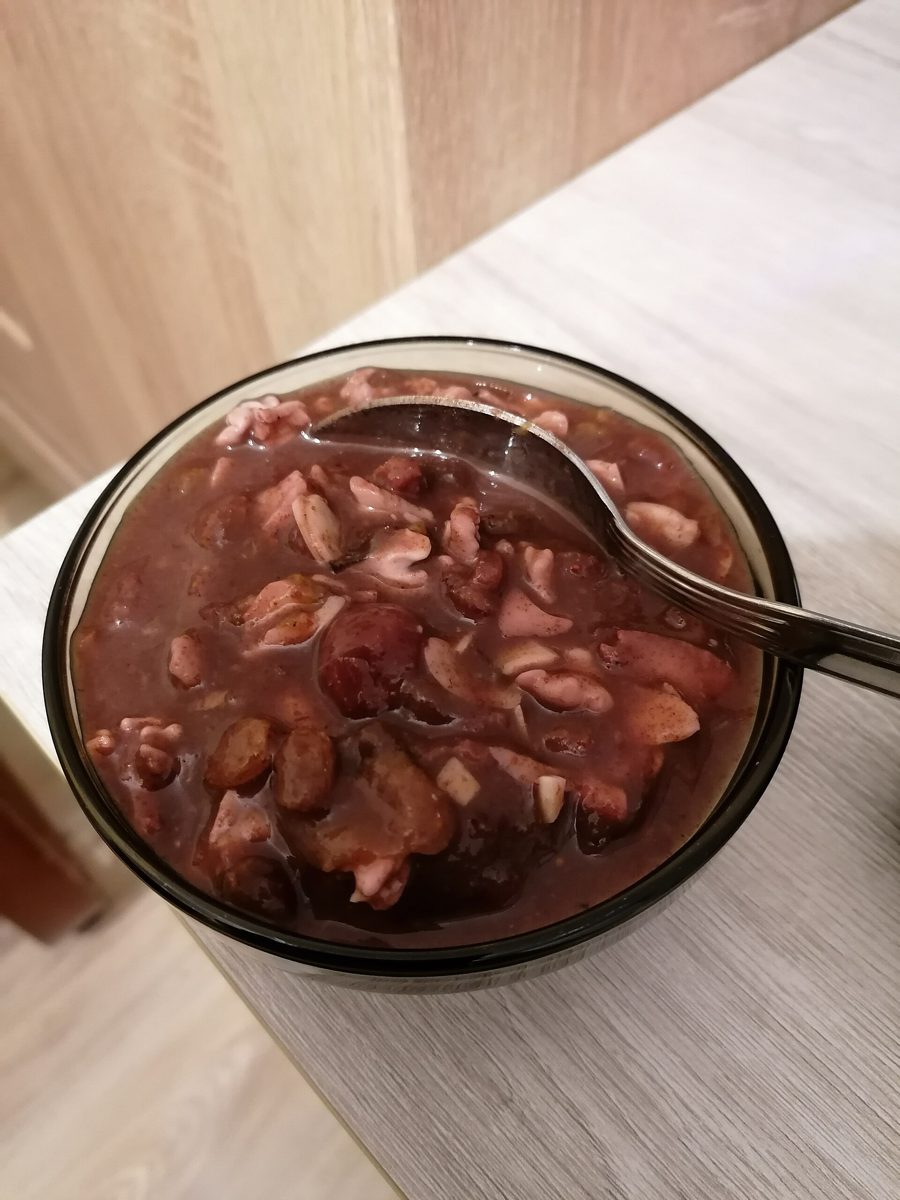
Moczka is a traditional dish of the Silesian Christmas Eve. As explained by the National Centre for Culture, the name comes from soaking gingerbread and fruit additions in compote, broth, or beer. The Silesian Tourist Organization states that it is hard to imagine a traditional Silesian Christmas Eve without it. On August 31, 2006, the dish was added to the List of Traditional Products as 'Moczka / bryja'. The card describes it as a mixture resembling 'thin plum jam' with pieces of nuts, almonds, and cooked fruits, tasting like 'chocolate gingerbread'.
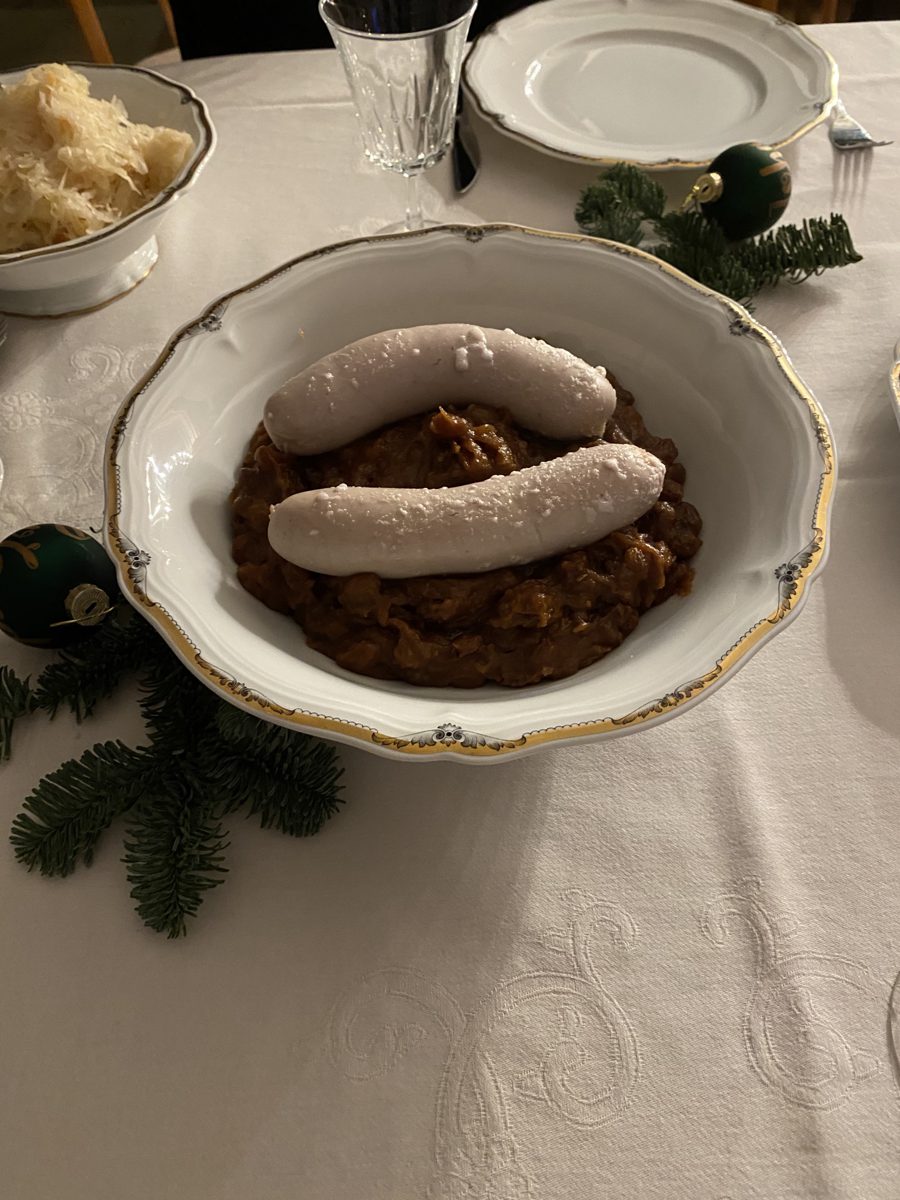
According to interviews with residents of the Rybnik, Racibórz, and Wodzisław counties, cited on the card, the dish was known as bryja in the 19th century and was eaten during the Christmas Eve dinner. In the past, it was cooked in a broth made from carp and vegetables, giving it a sweet-salty flavor. Today, it is more often prepared with compote, sometimes with dark beer. The National Centre for Culture notes that it can be salty or sweet, warm or cold, thinner or thicker. In German families originating from Silesia, it is served on Christmas Eve as 'Lebkuchensauce' or 'Polnische Sauce'.
The card from the List of Traditional Products emphasizes that every housewife makes moczka differently: more gingerbread-like, chocolatey, fruity, cinnamon-flavored, sweeter, or slightly salty. An average family cooks about 10 liters and serves it in bowls of 0.25 liters. In Silesia, leftover gingerbread from the holidays was also saved to make moczka the following year. Our recipe is based on a version from the collection of regional dishes of the Silesian Voivodeship by the Silesian Tourist Organization, scaled down to 4 servings.
Ingredients
Gingerbread and liquid
-
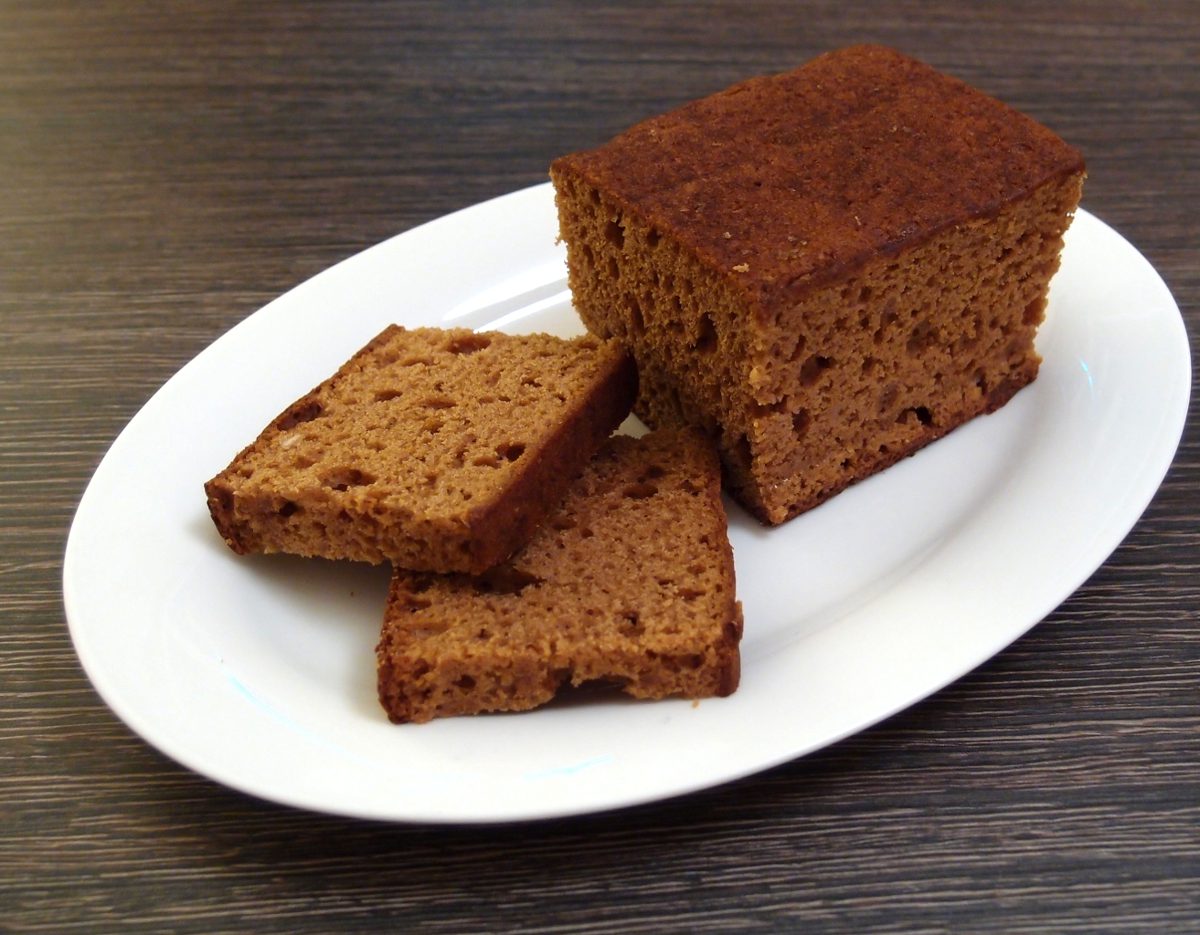
100 g dry honey gingerbread (preferably stale)
Abroad: Germany: brauner Lebkuchen ohne Guss or Honigkuchen; elsewhere, bake gingerbread layers yourself - 800 ml compote (from dried fruits, gooseberries, or strawberries)
-
100 ml dark beer (can be replaced with compote)
Abroad: dark beer; Germany: Dunkelbier
Nuts and dried fruits
-
100 g almonds (whole)
Abroad: blanched almonds; Germany: blanchierte Mandeln -
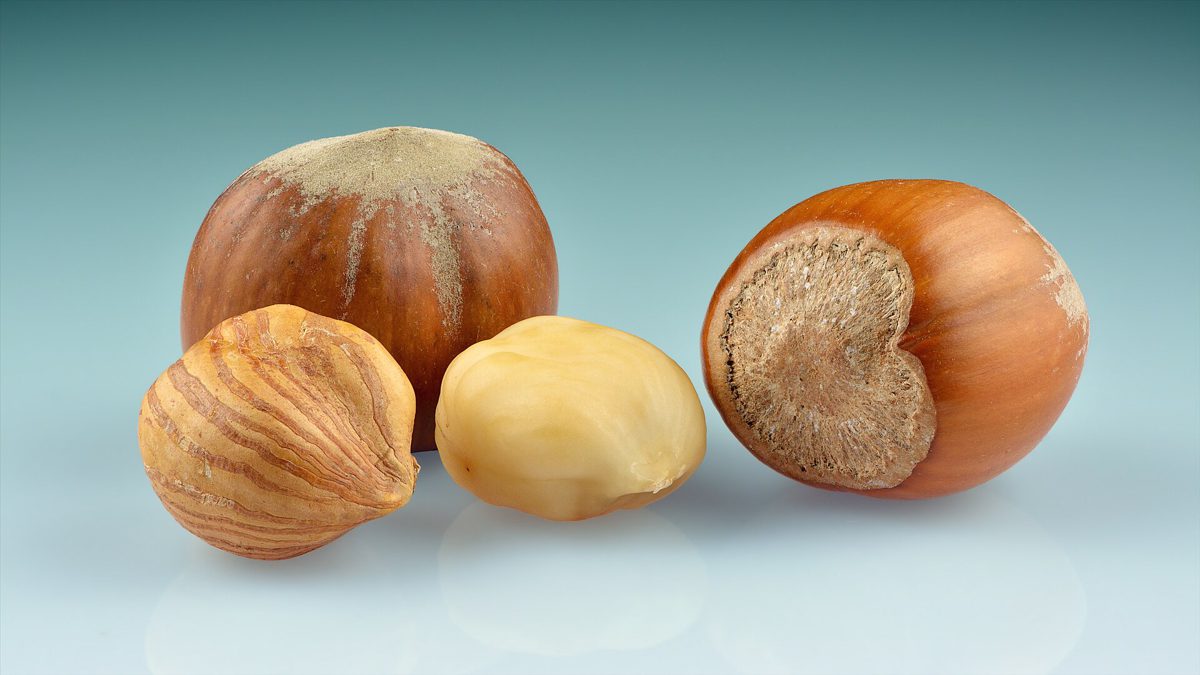
60 g hazelnuts (shelled, whole)
Abroad: hazelnuts; Germany: Haselnüsse -
40 g walnut halves (połówki)
Abroad: walnut halves; Germany: Walnusskerne -
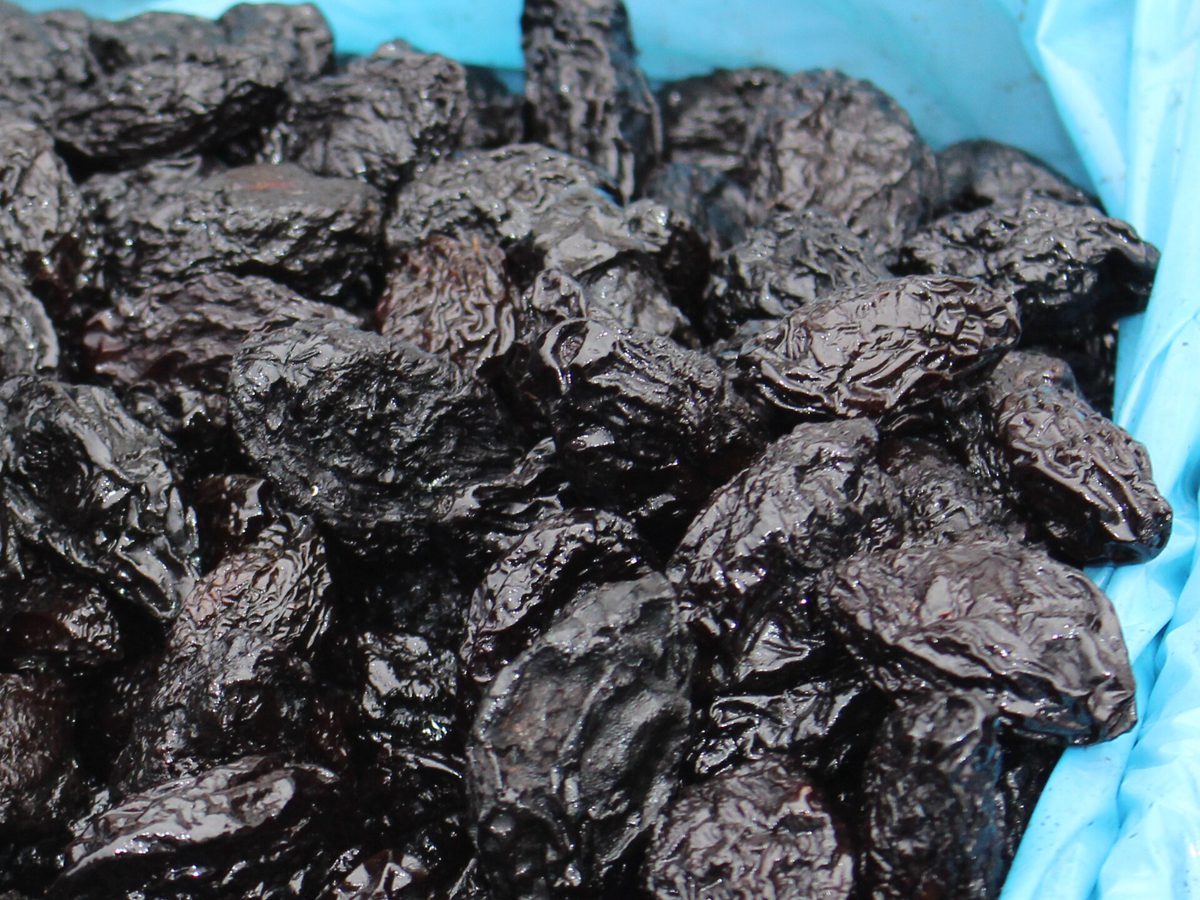
80 g dried plums (with or without pits)
Abroad: prunes / dried plums; Germany: Trockenpflaumen -
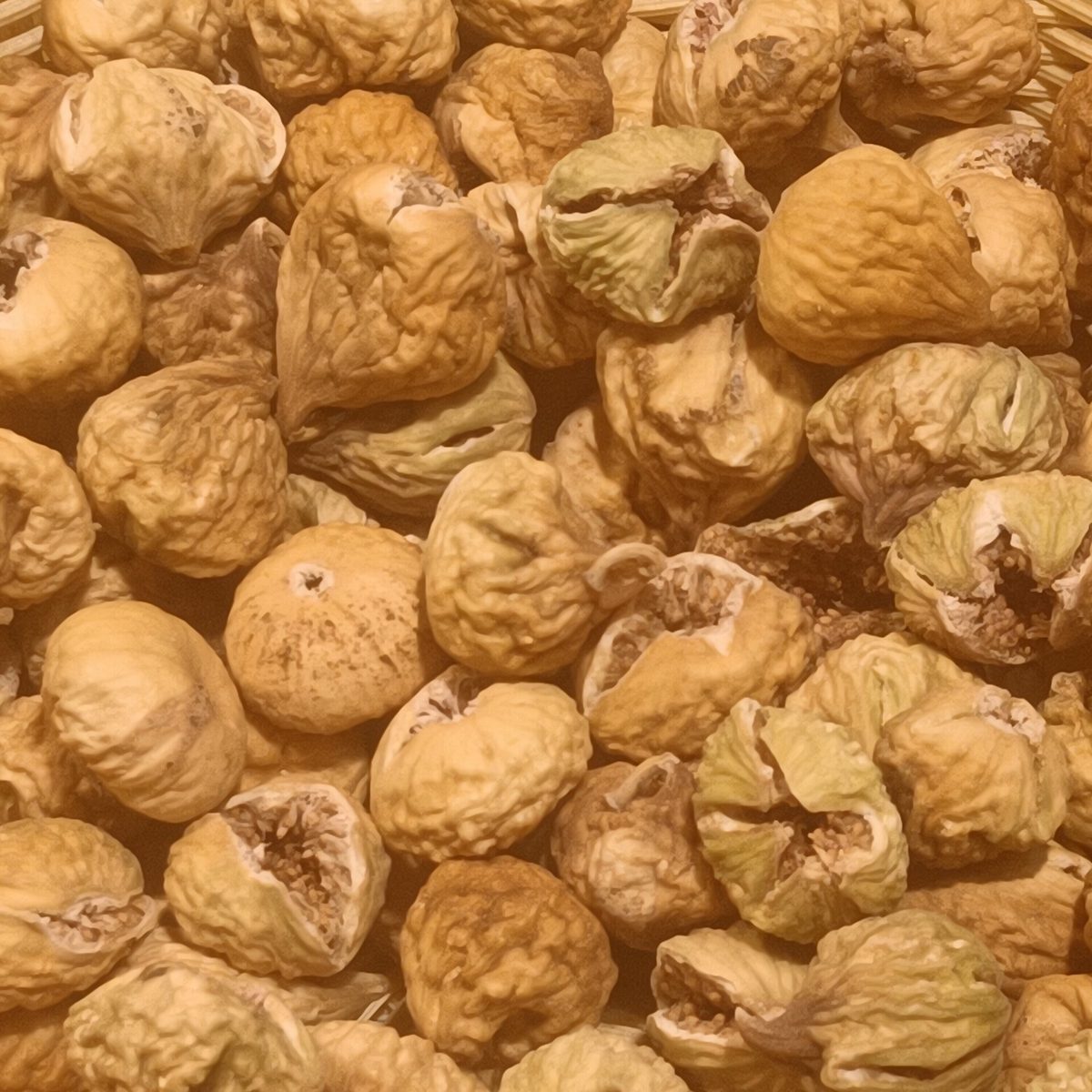
60 g small dried figs
Abroad: dried figs; Germany: getrocknete Feigen -
60 g raisins
Abroad: raisins; Germany: Rosinen
Seasoning
- 1 tbsp (15 ml) lemon juice
- 1 tbsp (about 13 g) sugar (or more, to taste)
- salt (a pinch)
Method, step by step
-
Grate the dry gingerbread on a coarse grater or crumble it by hand. If it is fresh and soft, cut it into pieces, pour warm boiled water over it, let it sit for 30 minutes, and then squeeze out the excess water.
-
Pour boiling water over the almonds, wait a few minutes, drain, and slip off the skins with your fingers.
-
Leave the hazelnuts whole. Set aside the walnut halves, as they will go into the pot at the very end.
-
Rinse the dried plums. If they have pits and you prefer them without, cut the fruits in half and remove the pits. Cut large plums in half.
-
Cut the figs in half or quarters, and rinse the raisins in a sieve.
-
In a large pot with a thick bottom, bring the compote to a boil. Add the peeled almonds and cook them over low heat for 15 minutes, as they need the most time.
-
Add the hazelnuts, then the plums, raisins, and figs, and finally the walnut halves. Cook over low heat for about 10 minutes, until the fruits soften.
-
Mix the gingerbread in a bowl with cold beer (or a bit of compote) into a smooth paste without lumps. Pour it into the pot and cook over low heat for another 10–15 minutes, stirring often from the bottom, as the thick mixture easily sticks.
-
Season with lemon juice, sugar, and a pinch of salt, taste, and bring to a boil again. If the moczka is too thick, add more compote.
-
Pour the moczka into small bowls. Serve warm or cold: as it cools, it thickens to a pudding-like consistency.
Photos