The story behind the recipe
The name comes from the verb "zapiekać," meaning to bake a dish so that the ingredients combine and a crispy, browned crust forms on top. In Polish, zapiekanka also refers to any dish baked in the oven, such as lasagna or moussaka. According to Polish Wikipedia, citing "Customs in Poland" by Chwalba, the baguette zapiekanka is called "the first Polish street food."
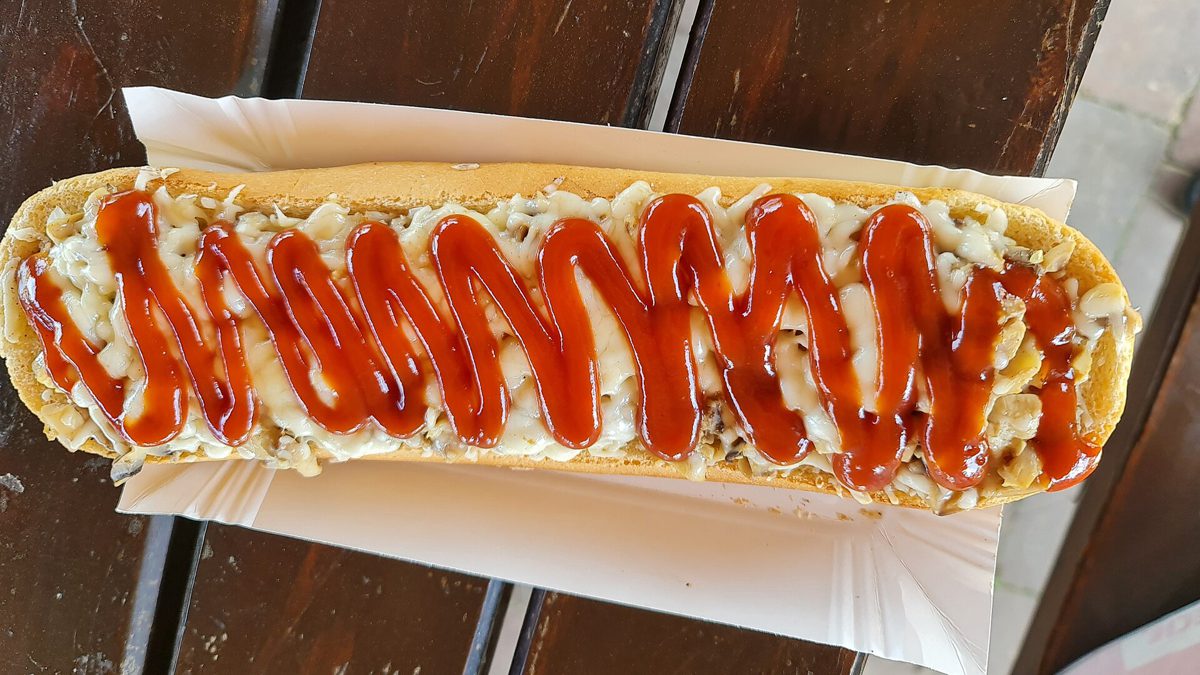
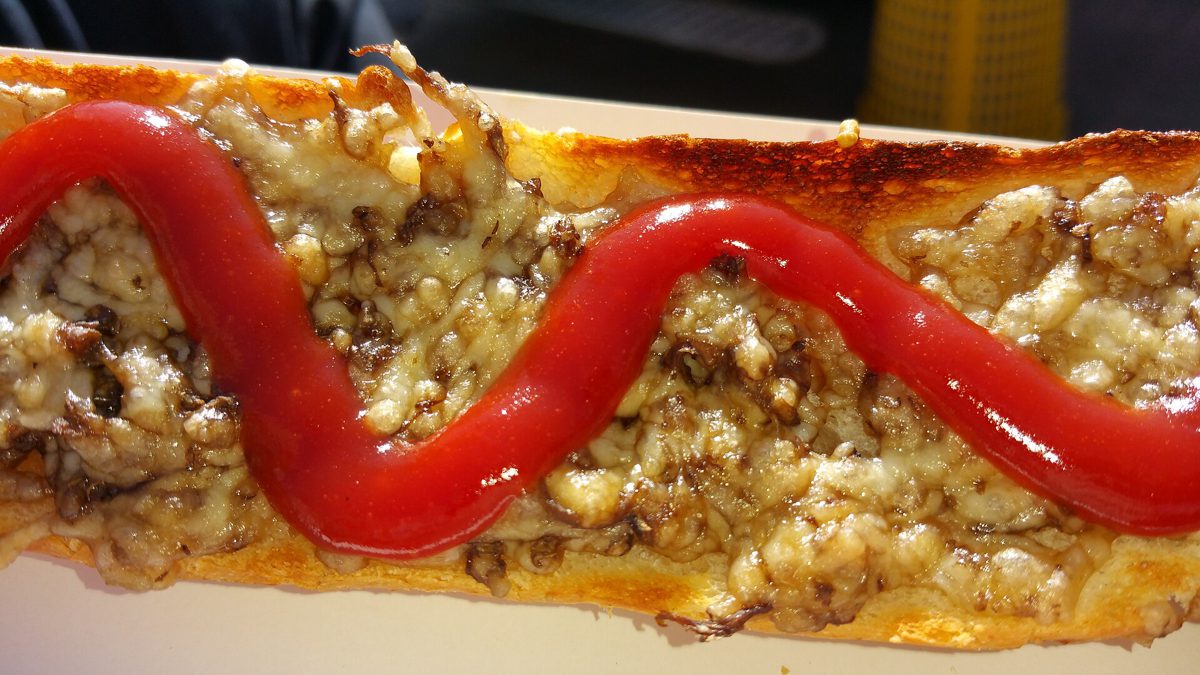
According to English Wikipedia, zapiekanki appeared on the streets of Polish cities in the 1970s during the rule of Edward Gierek, and the blog Przeszłość od kuchni states that they were already present in bars at the beginning of that decade. All sources repeat the same story: Gierek, who lived in France and Belgium for a long time in his youth and worked in mines there, bought a license from the French to produce baguettes. The first zapiekanka was a long roll filled with a mushroom-onion mixture under yellow cheese, often Tylżycki, drizzled with a tomato sauce resembling ketchup. Polish Radio reminds us that it was an economical way to use slightly stale bread, and zapiekanki were sold in queues, mainly from kiosks in seaside towns. According to the TVP Info archive, in 1987 there were 50 points of private small gastronomy in Warsaw alone, "mainly camping trailers with a hole cut in the window for serving zapiekanki," and zapiekanki were often reheated in a microwave.
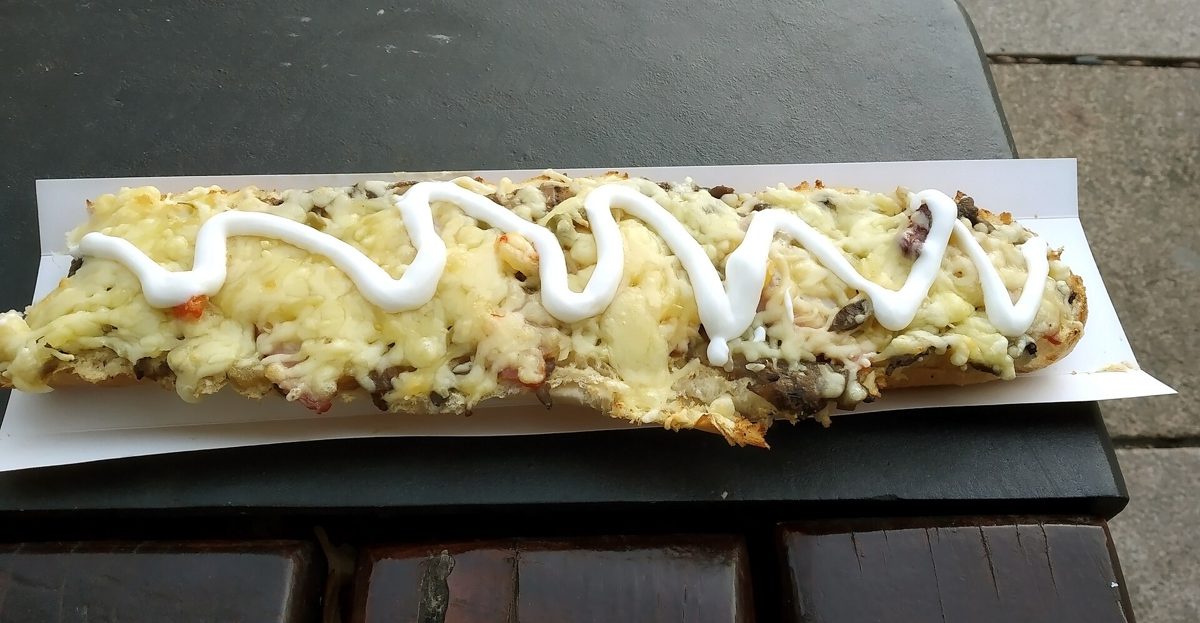
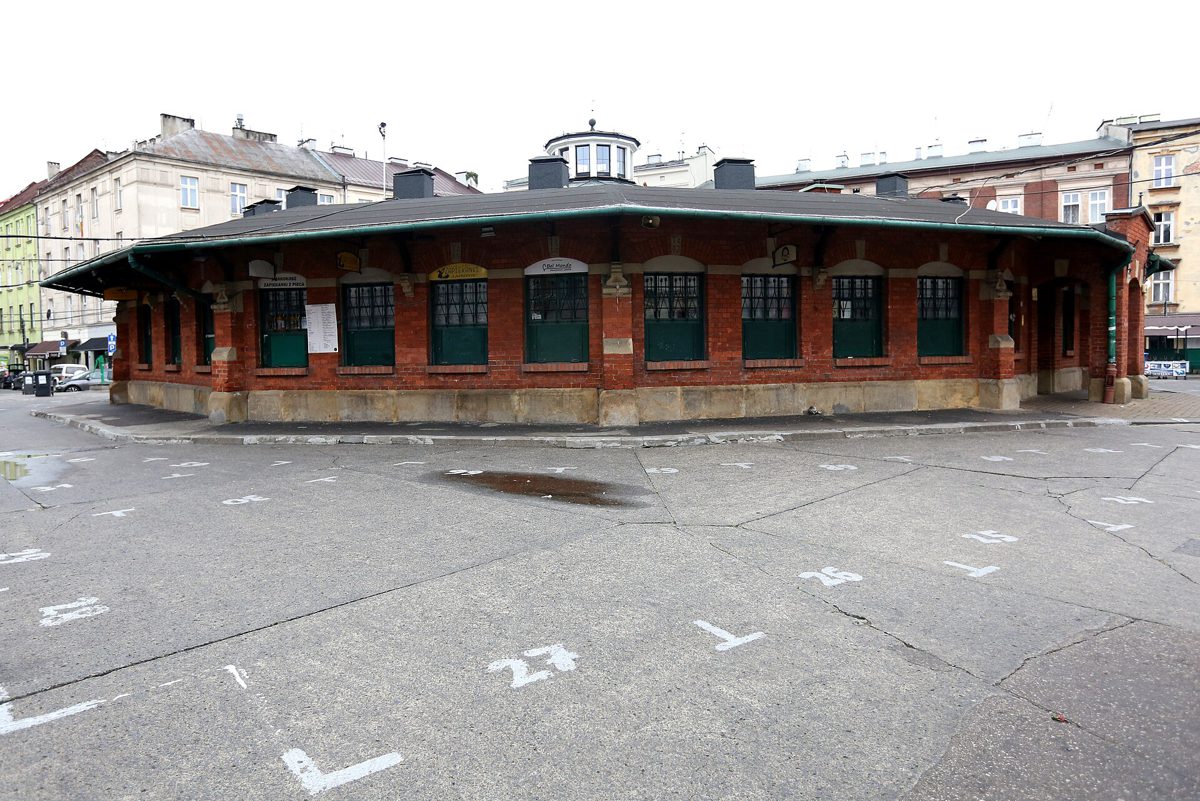
After 1989, zapiekanka stands sprang up "like mushrooms after rain." The filling was supplemented with ham, salami, and other cheeses, and restaurateur Rafał Rodewicz said on Polish Radio that the baguette was too narrow and brittle, so larger rolls replaced it. In the 1990s, demand decreased, but some stands became iconic, especially in Nowy Square in Kraków's Kazimierz. There stands Okrąglak, a twelve-sided market pavilion from 1900, where zapiekanki are sold today. Andrzej "Endzior" Kamiński, who has worked in gastronomy since 1984, recalled in 2015 that it took him 12 months to attract customers, and now there are "dozens of zapiekanka stands" in that place.
Ingredients
Zapiekanki (4 sztuki)
-
1 pc long baguette (halved, then each piece cut lengthwise)
Abroad: USA: baguette (French bread is wider and softer); UK: baguette or French stick; Germany: Baguette -
400 g mushrooms (washed and dried)
Abroad: button mushrooms; Germany: Champignons - 100 g onion (1 piece, finely chopped)
- 1 clove garlic (optional, finely chopped)
- 15 g butter
- 10 ml oil
-
200 g yellow cheese (gouda, edam, or Tylżycki, grated on a coarse grater)
Abroad: Gouda, Edam, Emmental, or cheddar; Germany: Tilsiter - salt
- ground black pepper
Do podania
- 40 ml ketchup
- chives or parsley (optional)
Method, step by step
-
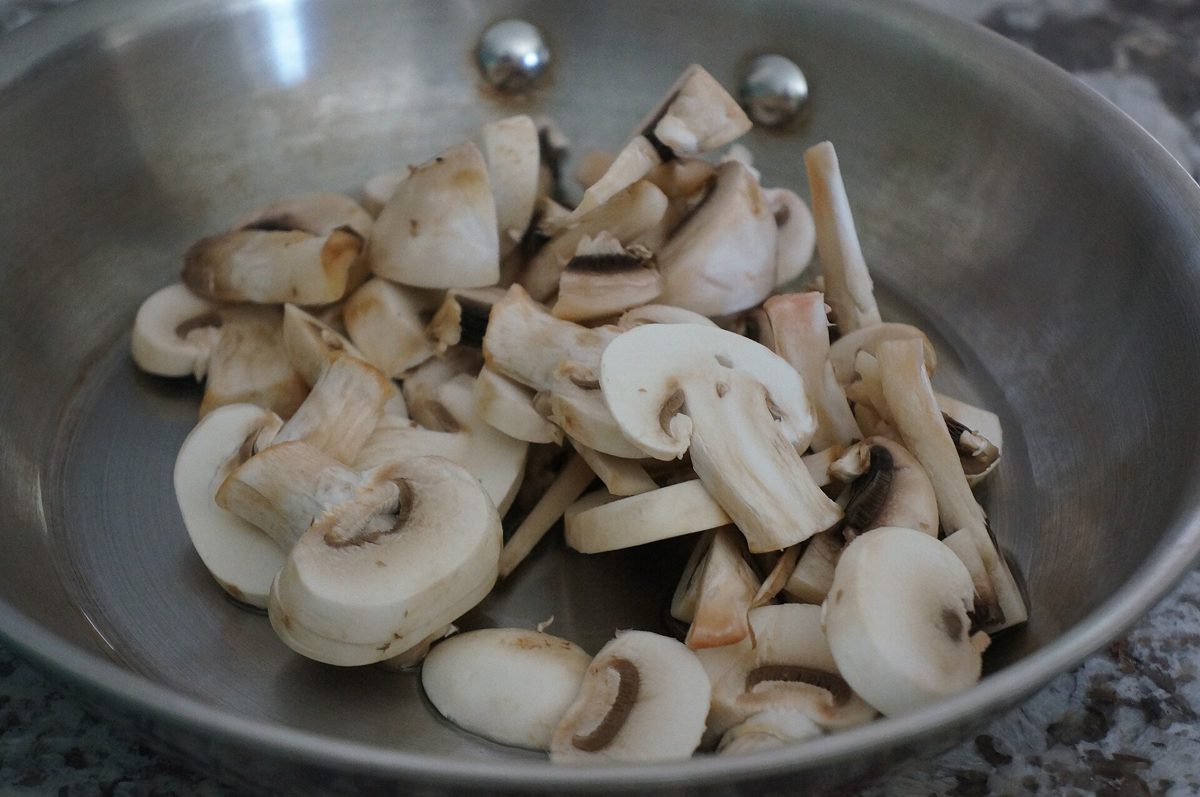
Wash the mushrooms, dry them thoroughly, and slice them thinly or chop them finely. Finely chop the onion and garlic, if using.
-
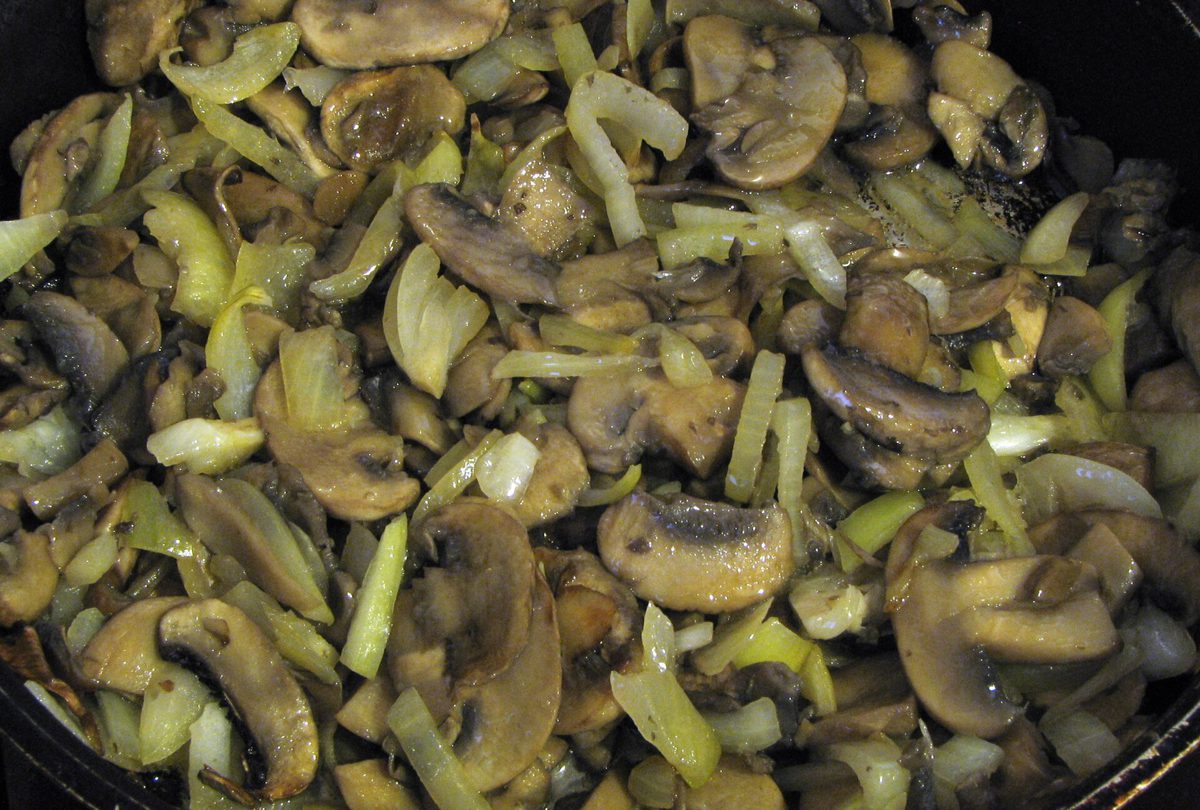
In a pan, heat the butter with the oil and sauté the onion over medium heat until translucent. Add the garlic at the end.
-
Add the mushrooms and sauté, stirring, for 8–9 minutes until they soften and all the juice evaporates. This will prevent the baguette from becoming soggy. Finally, season with salt and pepper. If there is a lot of fat left in the pan, drain it, and let the filling cool.
-
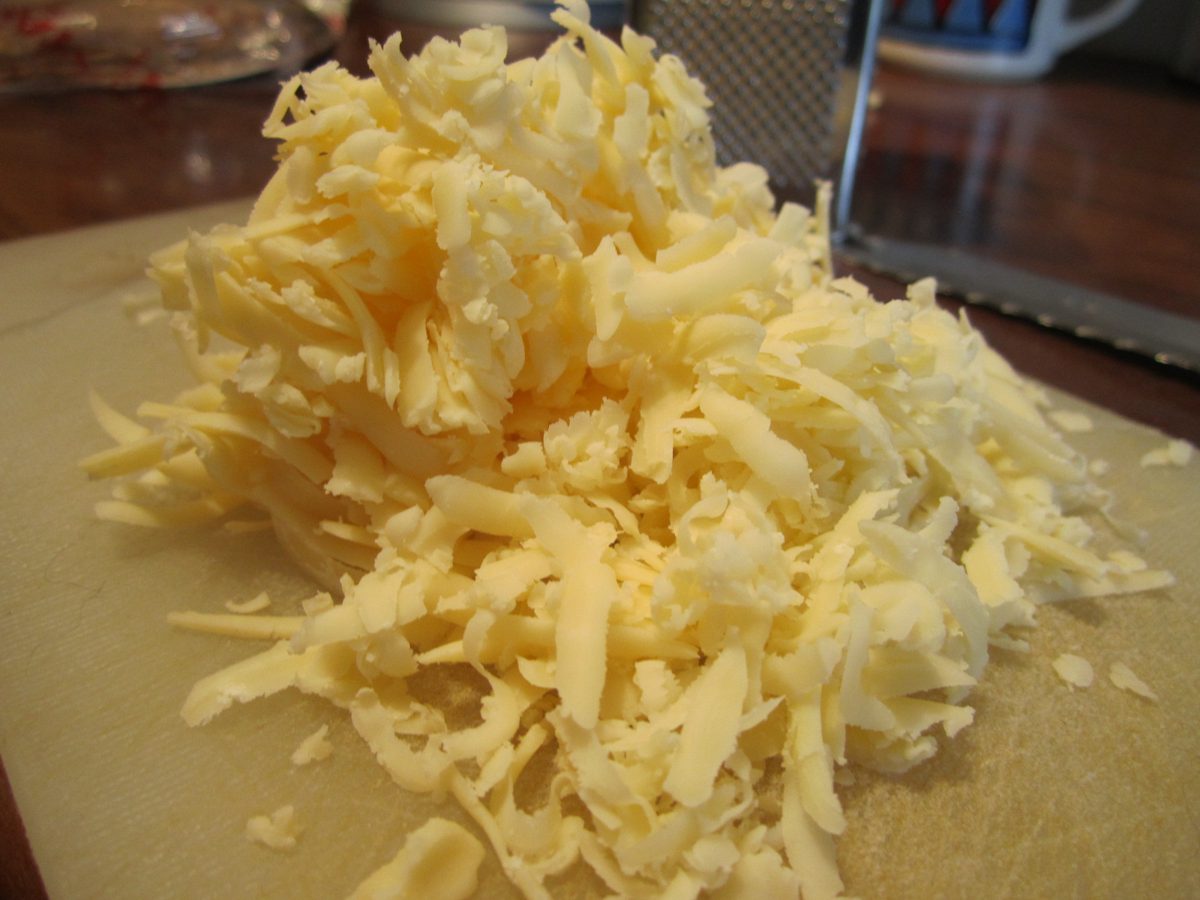
Grate the cheese on a coarse grater.
-
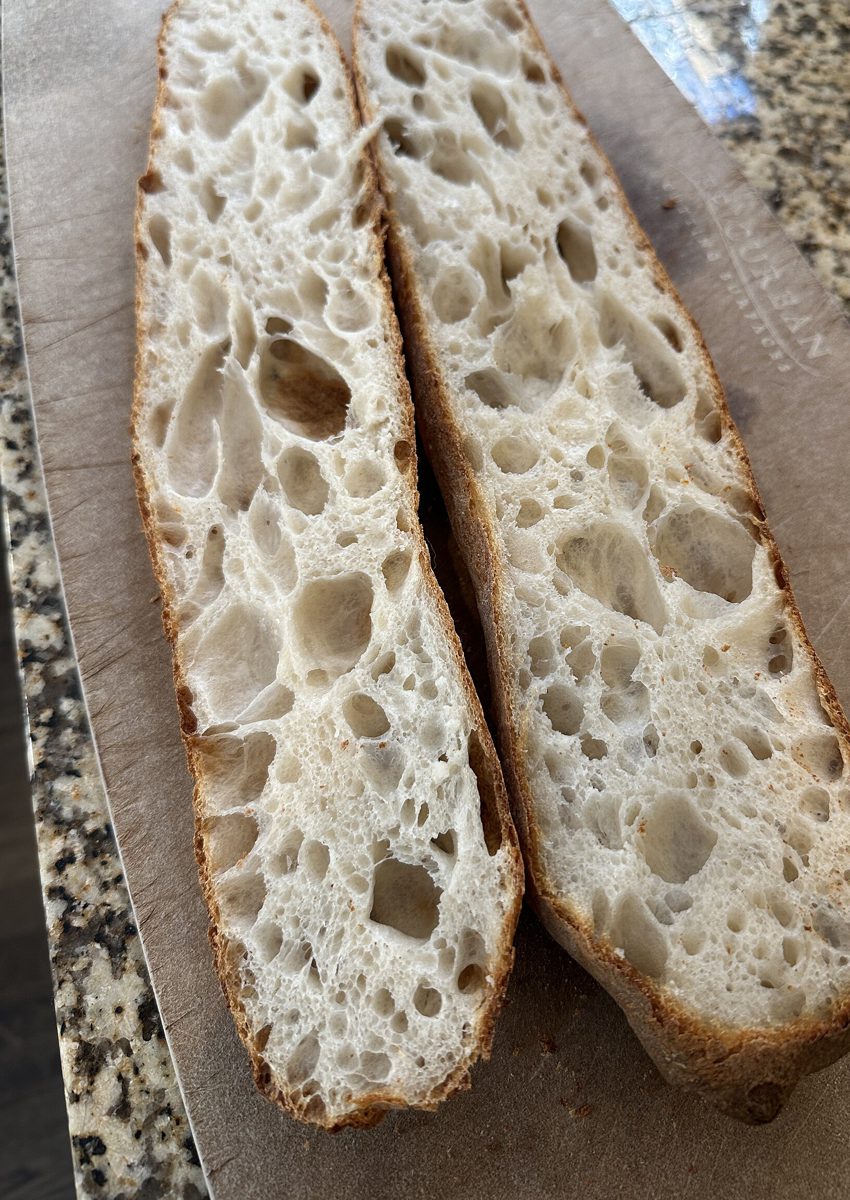
Preheat the oven to 200°C (400°F). Cut the baguette in half crosswise, then cut each piece lengthwise to create 4 open halves. You can scoop out some of the insides to make room for the filling. Place the halves on a baking sheet lined with parchment paper.
-
Pre-bake the baguette cut side up for about 2 minutes until the edges are browned. If using stale baguette, pre-bake it cut side down first, then cut side up, and touch the dried areas with a wet hand before baking.
-
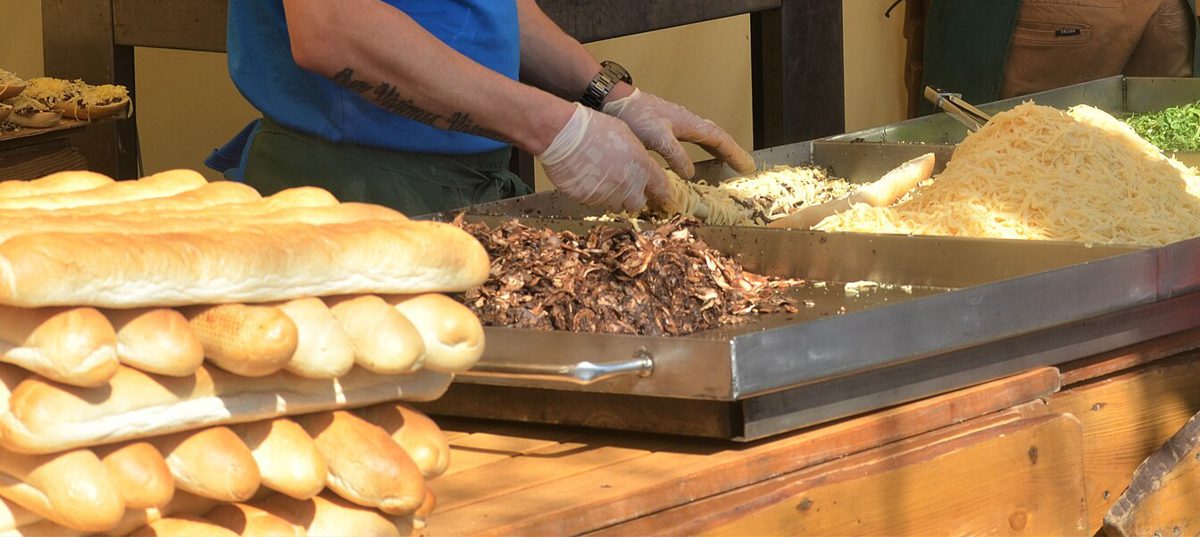
Spread the filling on the baguette halves and generously sprinkle with cheese. If adding ham, place it on the filling under the cheese.
-
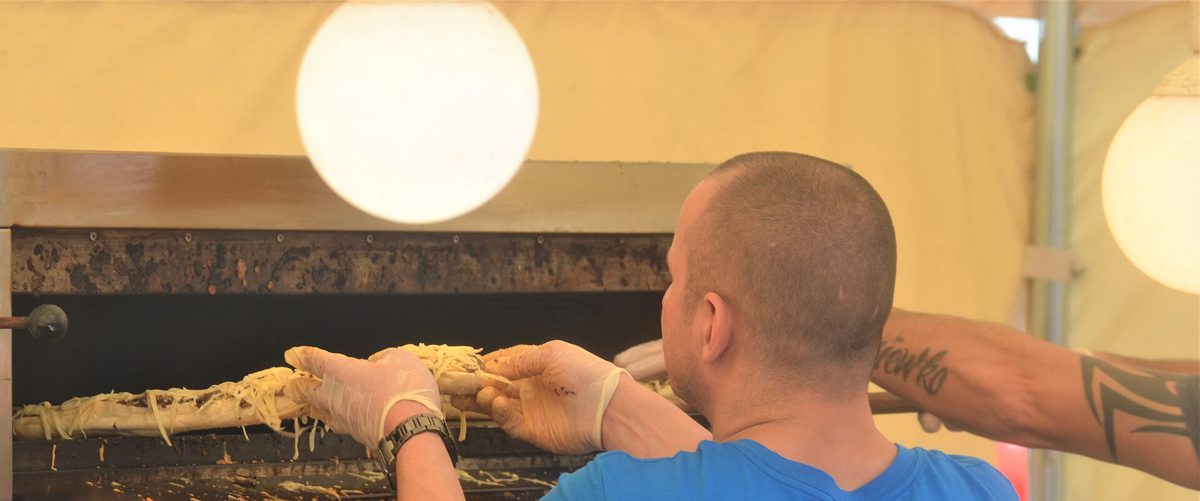
Bake on the middle shelf for 7–10 minutes until the cheese melts and browns. If baking at 180°C (350°F), it will take 10–15 minutes.
-
Serve immediately, hot, with ketchup, sprinkled with chives or parsley.
Photos