The story behind the recipe
Pampuchy are large dumplings made from yeast dough, sometimes cooked in water. Polish Wikipedia describes them as round, flat on the bottom, elastic, and soft. They have many names: pampuchy, yeast pyzy, pączki, rolls, or steamed dumplings, parzaki, parowańce, paruchy, in Upper Silesia buchty, and in the Poznań region kluchy na łachu, meaning on a cloth tied over a pot of boiling water. According to the English Wikipedia, which cites Vasmer's dictionary, the word 'pampuch' comes from the German 'Pfannkuchen'. Note the names: in Kurpie and some families, pampuchy refer to fried yeast pancakes, known as racuchy, in much of Poland pyzy are potato dumplings, and Ukrainian pampuszki are baked or fried rolls.
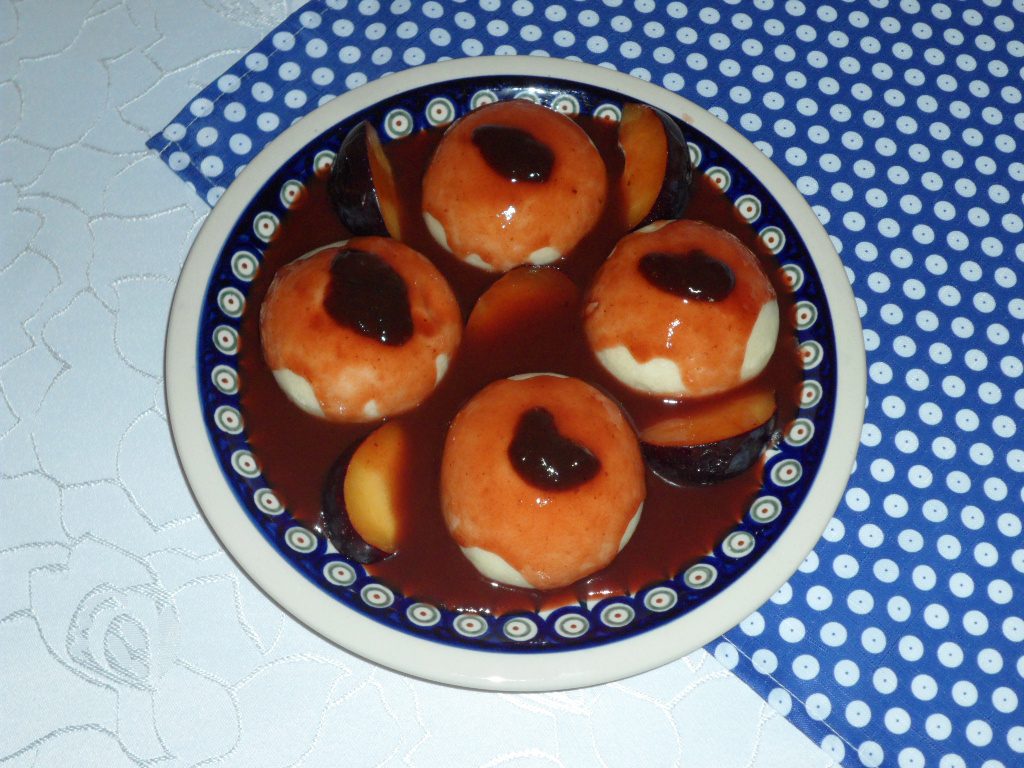
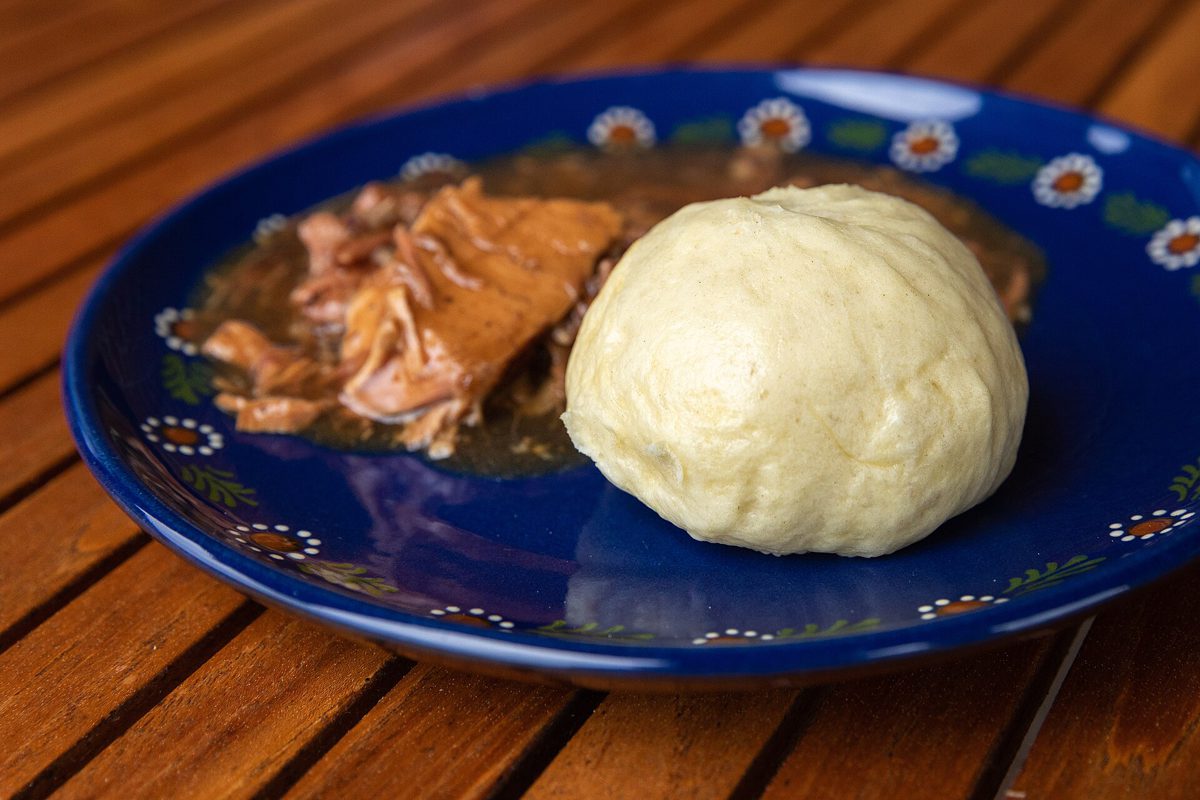
Each region serves them differently. In Kujawy, they were eaten with sauces, meat, or sour cream; in Upper Silesia with blueberry compote, with plum preserves, with pork and cabbage, or with butter and sugar. In Kalisz, they were served with pork loin or with fruits, butter, and cinnamon, while in Mazovia, parzaki were eaten during leftovers. The city of Poznań states that yeast pyzy are served instead of potatoes with meats and sauces, and housewives in Greater Poland prefer to serve them with roasted duck and red cabbage.
On the List of Traditional Products of the Ministry of Agriculture, 'Silesian Buchty, or steamed yeast dumplings' from Opole were registered on March 6, 2007. The entry states that the recipe was passed down orally from generation to generation. Anna Myszyńska, born in 1931 in Kórnica, recalls buchty as a Lenten food from her childhood. Buchty also appear in 'Polish Cuisine' published by PWE in 1965 and in a book by Marie-Luise Neumann with recipes for Silesians from Opole who emigrated to Germany. Since February 1, 2017, 'Steamed Buns / Pampuchy from Kujawy' have also been on the list. The exact origins and history of making them are uncertain. Similar dumplings are known in Germany (Dampfnudel, Hefekloß), Austria (Germknödel), and the Czech Republic (kynuté knedlíky).
Ingredients
Dough (12 dumplings)
-
500 g all-purpose flour type 550 (plus about 20 g for dusting)
Abroad: USA: all-purpose flour; UK: plain flour or strong white bread flour; Germany: Weizenmehl Type 550 or 405 - 250 ml milk (warm, about 38°C (100°F))
-
30 g fresh yeast (or 10 g of instant dry yeast)
Abroad: USA: instant yeast or active dry yeast; UK: fast-action dried yeast; Germany: Frischhefe or Trockenhefe - 2 pcs eggs (at room temperature)
- 40 g butter (melted and cooled)
- 25 g sugar (for the sweet version; for meat and sauce only 1 teaspoon)
- 1 pinch salt
Sweet creamy sauce
-
300 ml thick sour cream 18%
Abroad: USA and Canada: sour cream; UK: soured cream; Germany: Schmand or saure Sahne -
2 tbsp (about 14 g) powdered sugar (or honey)
Abroad: USA: powdered sugar; UK: icing sugar; Germany: Puderzucker -
1 tsp vanilla bean paste (or 8 g of vanilla sugar)
Abroad: vanilla bean paste; Germany: Vanillezucker - fruits from syrup or fresh (for example, blueberries, for serving)
Method, step by step
-
Take the milk, butter, and eggs out in advance so they reach room temperature. For the starter: in a large bowl, as it rises significantly, crumble the yeast, add a teaspoon of sugar, 2 tablespoons of flour, and half of the milk warmed to about 38°C (100°F). Mix, cover, and let it sit for 15–20 minutes until it froths and rises.
-
Add the remaining flour, the rest of the milk, the remaining sugar, salt, and eggs. Knead for at least 5 minutes until the dough is smooth and elastic. Add the melted butter at the end and knead until absorbed. The dough should remain slightly sticky: do not add flour, as the dumplings will turn out heavy.
-
Cover the bowl and set it in a warm place without drafts until the dough doubles in volume, for about 1–1.5 hours. Do not leave it longer, as over-proofed dough tastes of yeast, and the dumplings made from it will collapse.
-
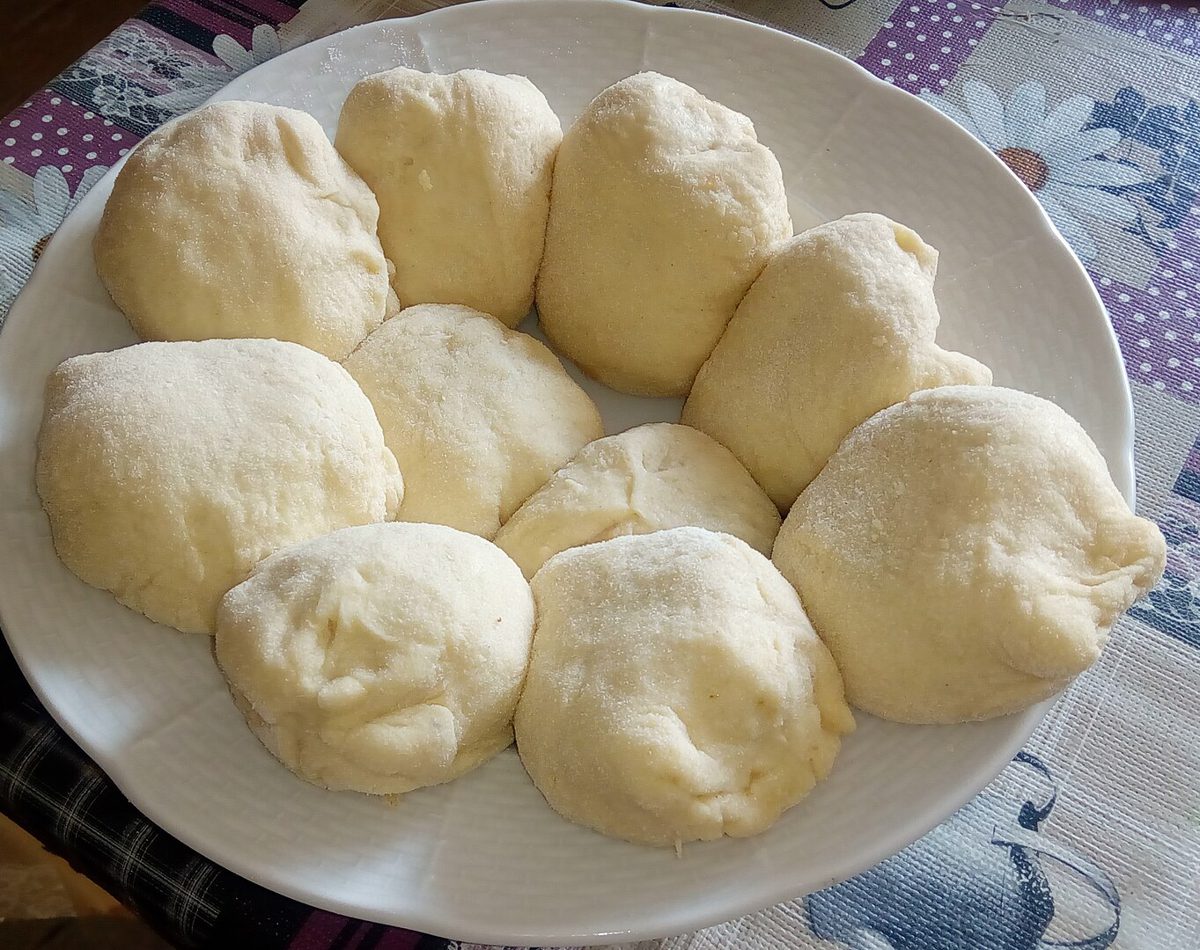
Divide the dough into 12 pieces of 65–70 g each. Weigh them so that they steam evenly in one batch. Shape into smooth balls, place on a floured board with large gaps between them, cover, and let rise for 15–25 minutes until puffed. Balls waiting for the next batch should be placed in the fridge to prevent over-proofing.
-
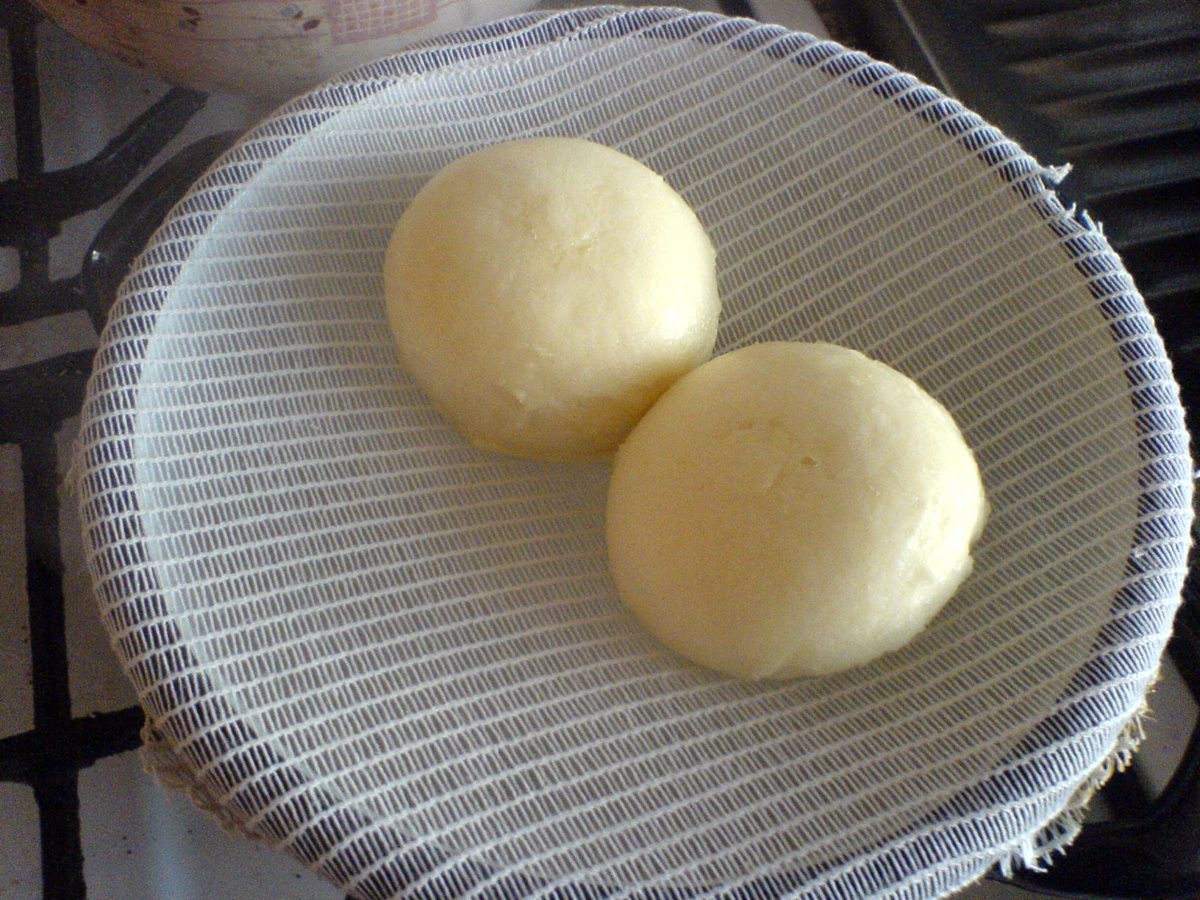
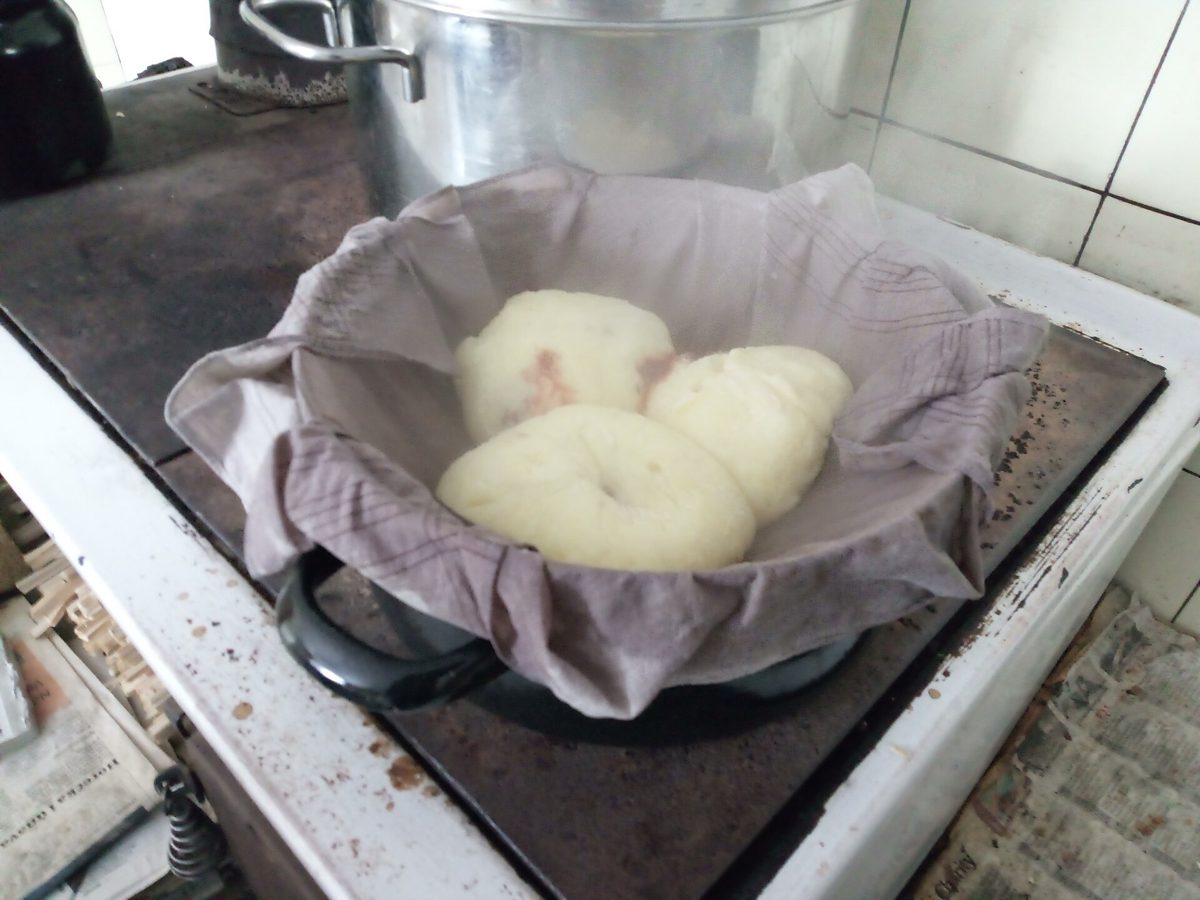
Prepare for steaming: pour water into a wide pot to ¼–⅓ full, stretch cheesecloth or a clean gauze cloth over it, and tie it tightly with string or a rubber band. You can also use a steamer insert or a bamboo steamer lined with parchment paper with holes. The water must not touch the cloth. Bring it to a boil and reduce the heat to a gentle simmer.
-
Place 3–4 balls on the cloth with about 4 cm (1½ inches) between them, as they rise significantly. Cover tightly with a lid or an inverted metal bowl.
-
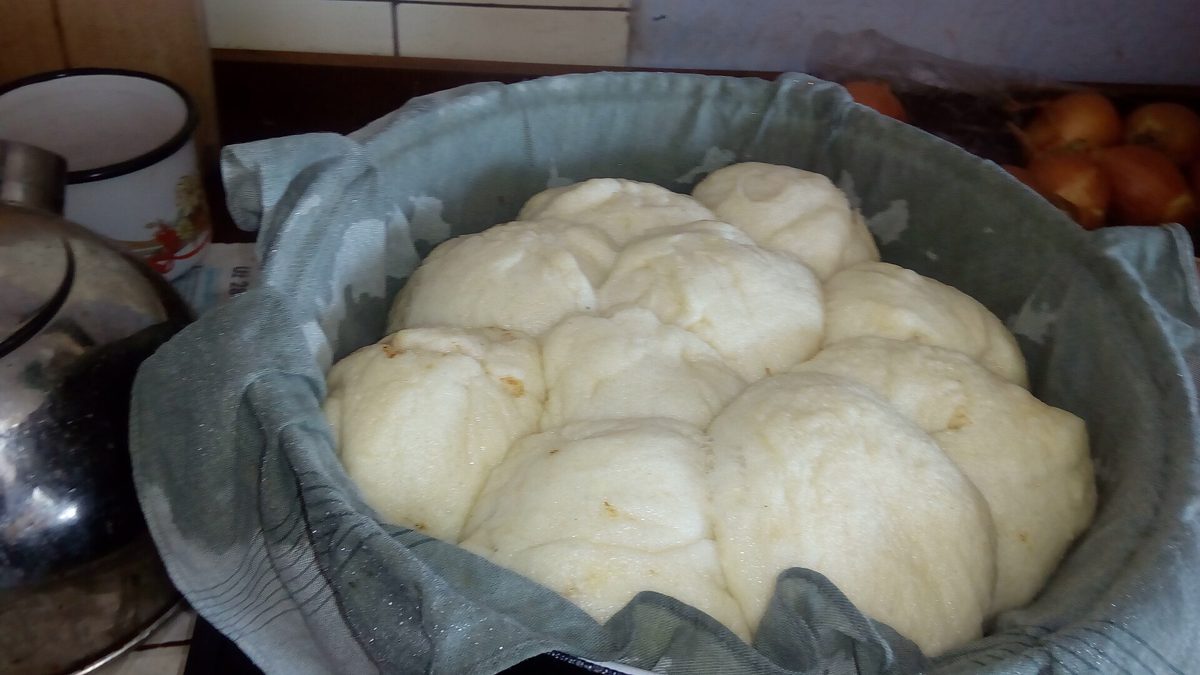
Steam the dumplings for about 10 minutes for 65 g dumplings, and 15 minutes for 70 g dumplings. Do not lift the lid during steaming, as the dumplings will collapse. Removing them too early or too late can also cause them to collapse or wrinkle.
-
While the dumplings are steaming, mix the sour cream with powdered sugar and vanilla for the sauce.
-
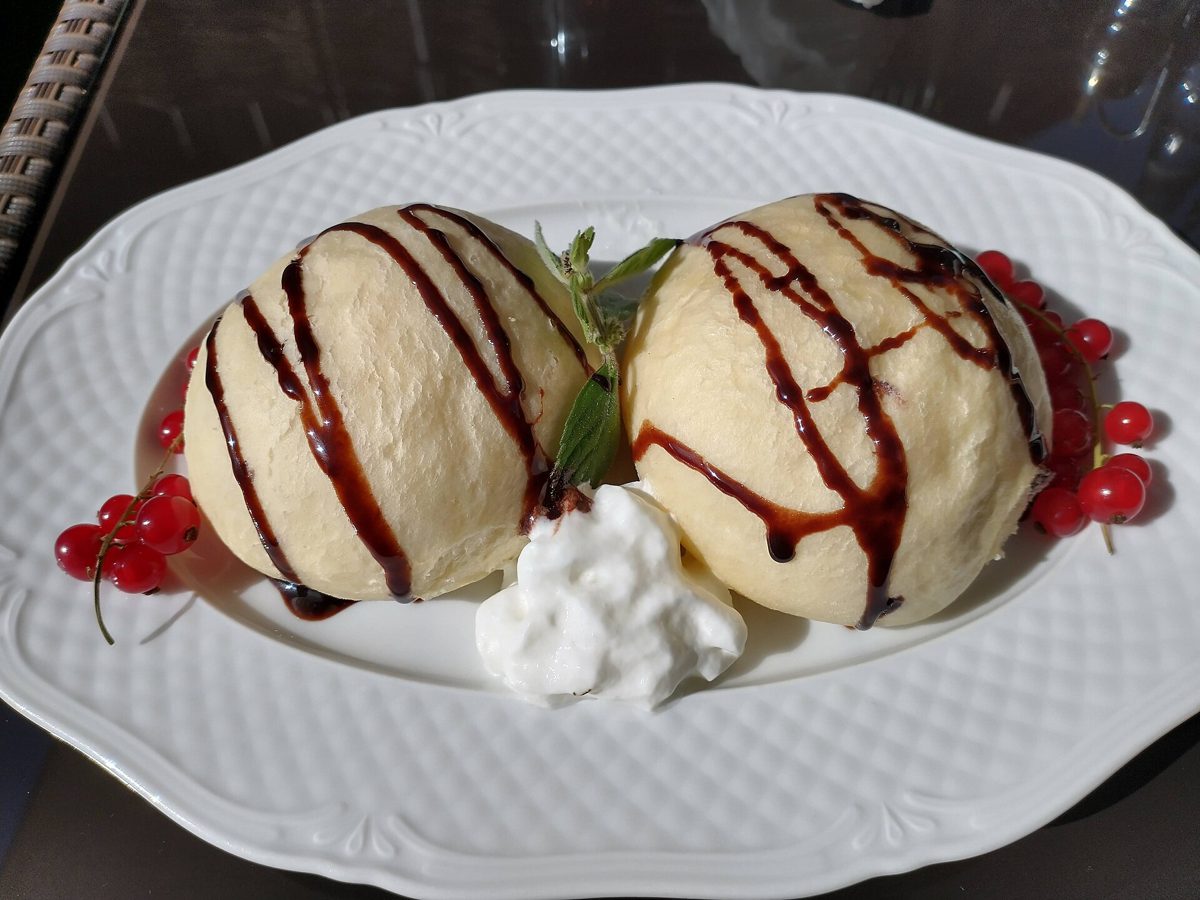
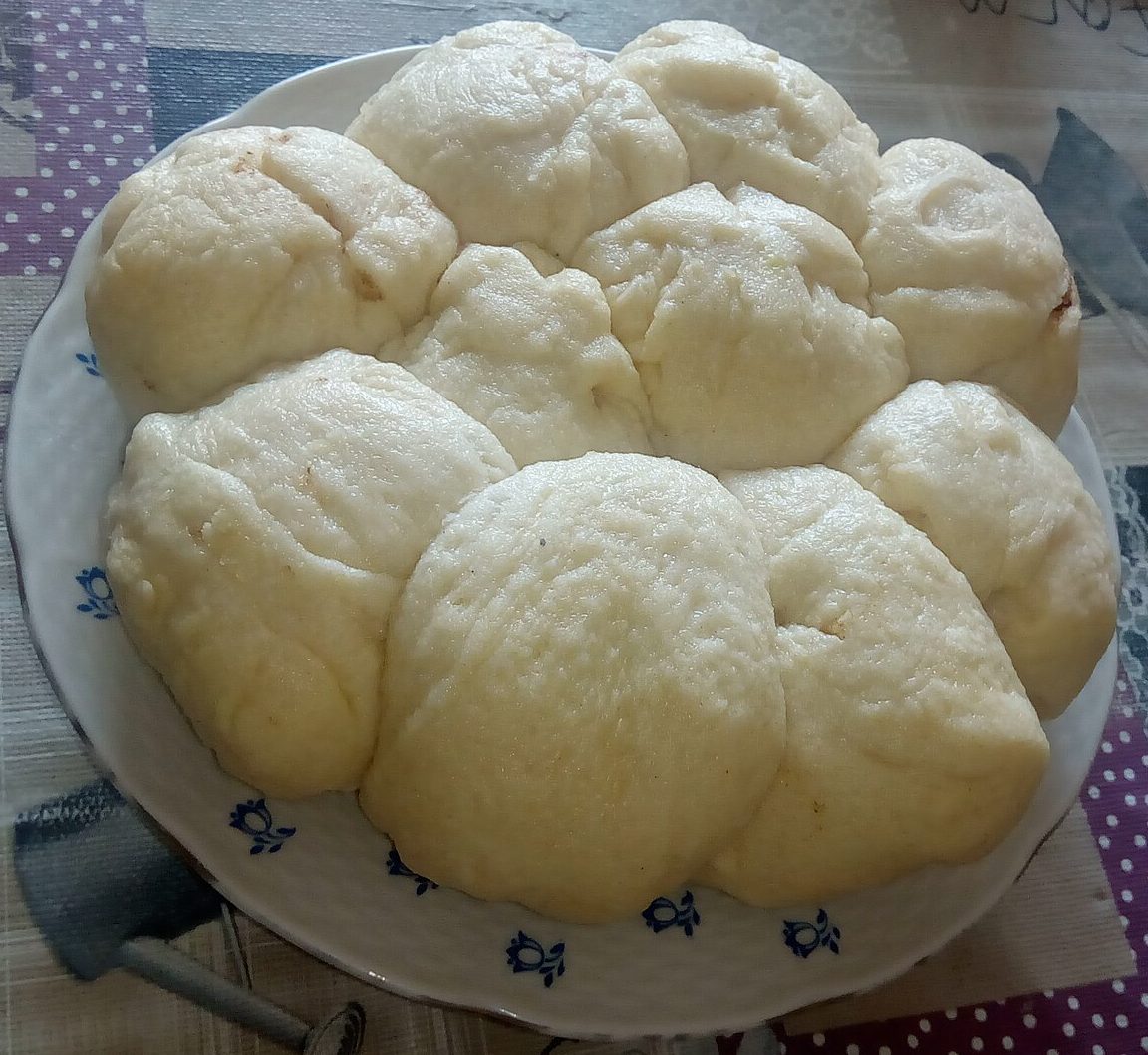
Remove the dumplings with a spatula and serve immediately, hot: sweet with the creamy sauce and fruits or savory with meat and sauce. Place the next batch on the cloth.
Photos