The story behind the recipe
Pierogi ruskie are named after Red Ruthenia, a historical region that includes today's southeastern Poland and western Ukraine, not Russia. As National Geographic Polska notes, this type of pierogi is not known in Russia, and in Ukraine, they are sometimes called 'Polish.' They are also referred to as Galician pierogi.
Ethnographer Edward Waligóra wrote in 1973 that 'Russian pierogi, i.e., with cheese and potatoes' are widespread in Lublin, Rzeszów, eastern Masovia, and the former southeastern borderlands. After World War II, settlers from the east brought pierogi to Warmia, Masuria, and Silesia. In the past, cheese was added to the filling only in wealthier households, while poorer families made pierogi with just potatoes and bacon.
On the List of Traditional Products by the Ministry of Agriculture, 'Pierogi ruskie from Chrząstawa' from Lower Silesia were registered in 2013. This tradition was brought there by settlers from the borderlands. Interestingly, in 19th-century cookbooks, 'Russian pierogi' referred to something else, namely baked kulebiaki and knysze. After the Russian invasion of Ukraine in 2022, some Polish bars renamed them 'Ukrainian pierogi' or 'pierogi with potatoes and cheese.'
Ingredients
Dough (about 40–45 pierogi)
-
400 g all-purpose flour (type 450 or Wrocław type 500)
Abroad: USA and Canada: all-purpose flour; UK: plain flour; Germany: Type 405 or 550 - 220 ml hot water (just after boiling)
- 40 ml oil (or 40 g melted butter)
- ½ tsp (about 3 g) salt
- 1 pc egg (not necessary, then reduce water by about 50 ml)
Filling
-
550 g starchy potatoes (weight after peeling, about 400 g after cooking)
Abroad: USA: Russet or Yukon Gold; UK: Maris Piper or King Edward; Germany: mehligkochend -
250 g semi-fat cottage cheese (block)
Abroad: USA and Canada: farmer's cheese or drained dry curd cottage cheese; Germany: Schichtkäse or drained Quark; Austria: Topfen - 200 g onion (finely chopped)
-
20 g clarified butter or butter
Abroad: ghee; Germany: Butterschmalz - 1 tsp (about 6 g) salt
- ½ tsp (2.5 ml) ground black pepper
To serve
- 150 g onion (sautéed in 30 g of butter, or 100 g of bacon or lard for cracklings)
-
200 g thick sour cream 18%
Abroad: sour cream; Germany: saure Sahne extra or Schmand
Method, step by step
-
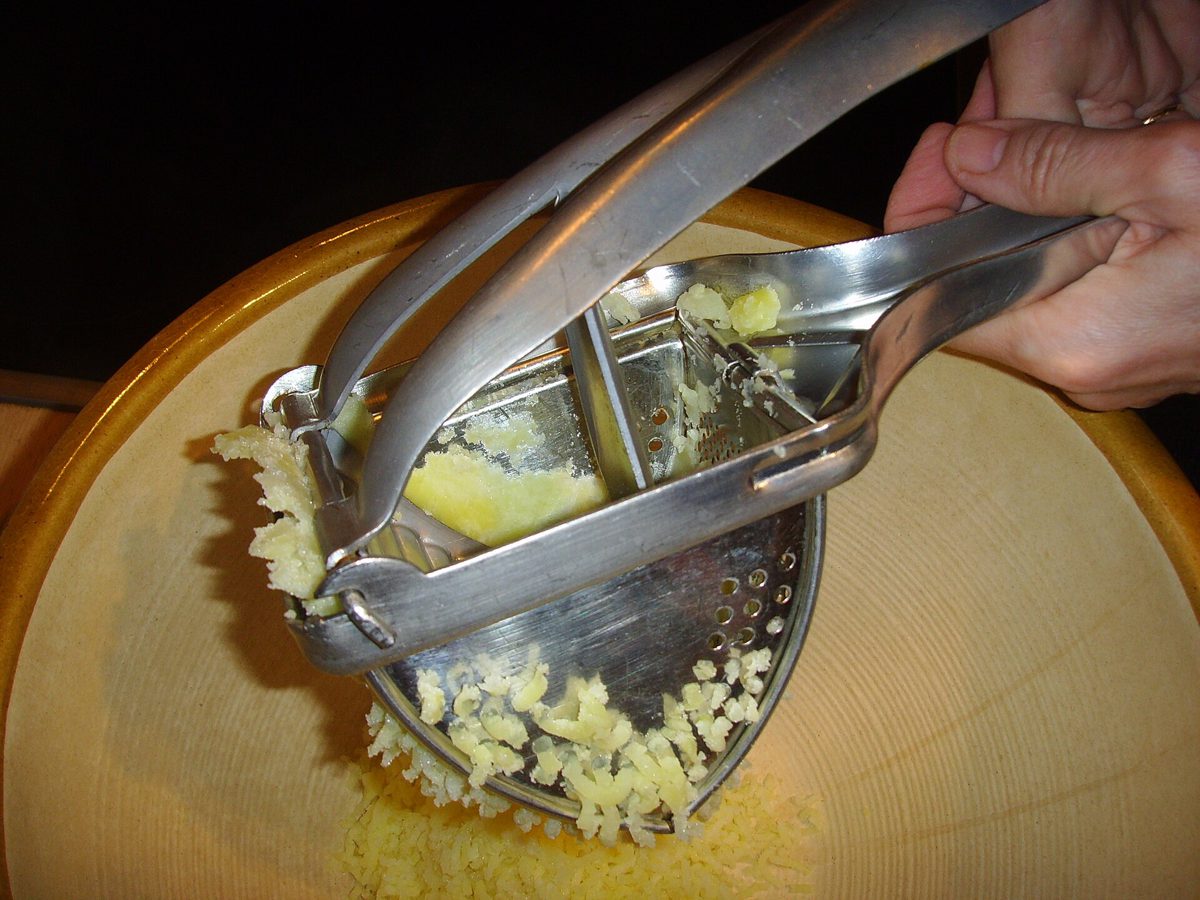
Boil the potatoes in salted water until soft, drain, and steam dry. Pass them through a ricer while still warm and let cool.
-
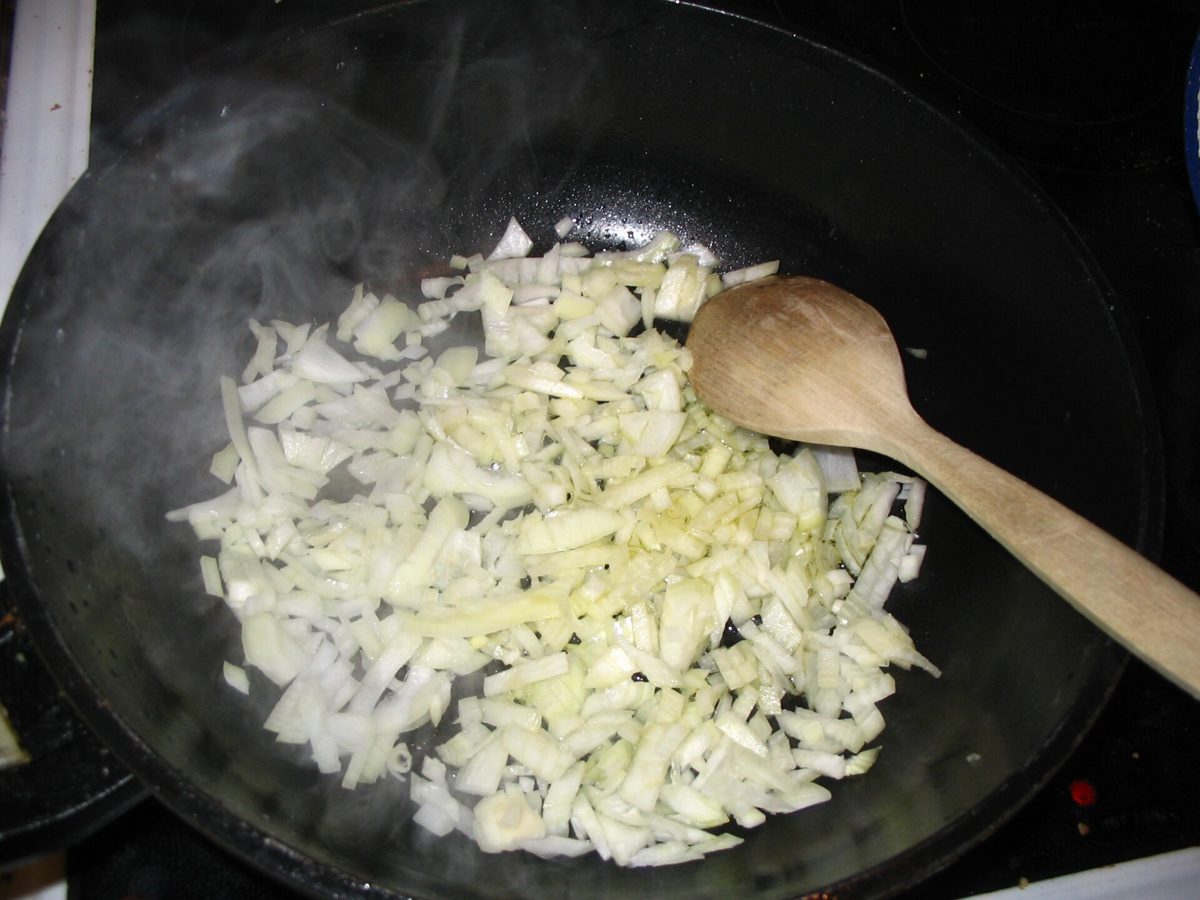
Sauté the onion for the filling slowly in butter over medium heat for about 10 minutes until golden.
-
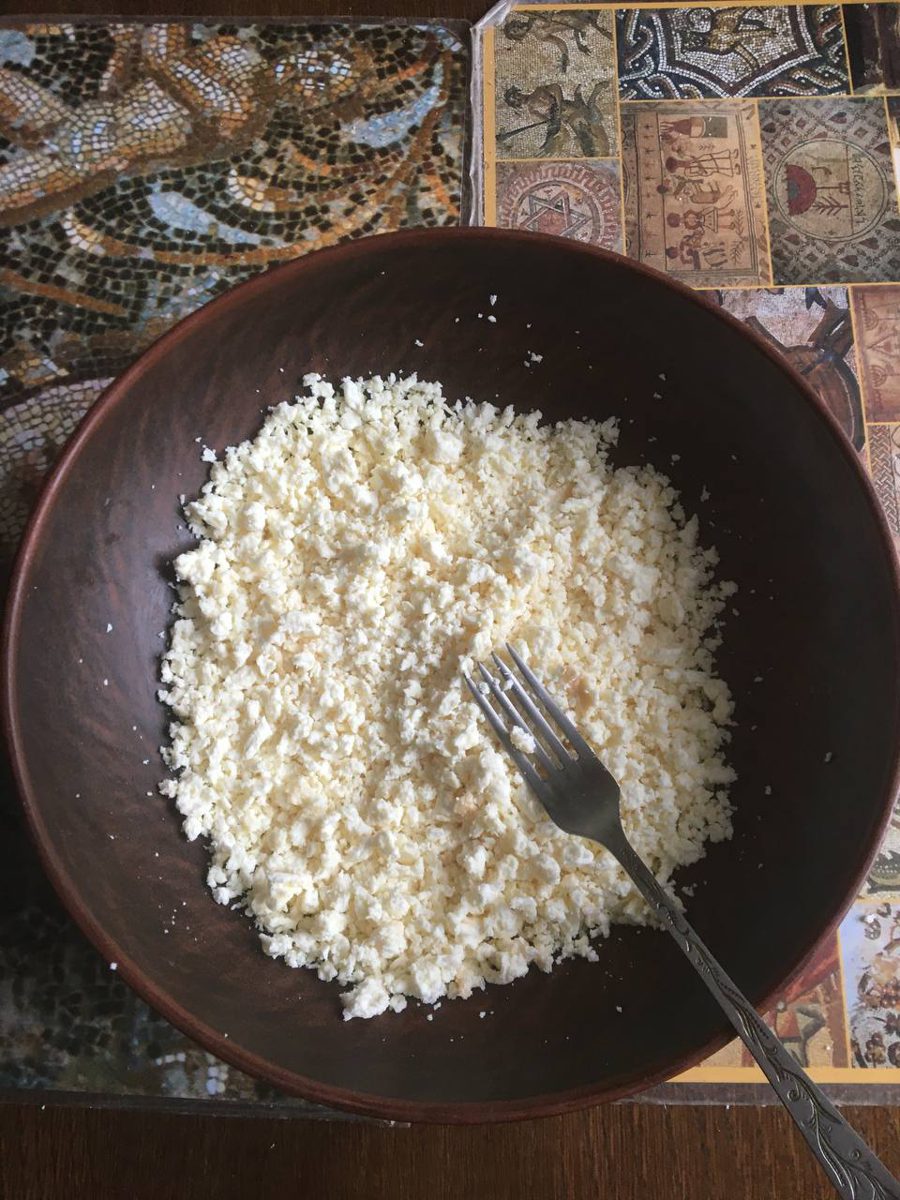
Mash the cottage cheese with a fork (do not grind it in a machine). Mix the cooled potatoes, cottage cheese, onion with fat, salt, and pepper. Taste and adjust seasoning. The filling can be made a day in advance.
-
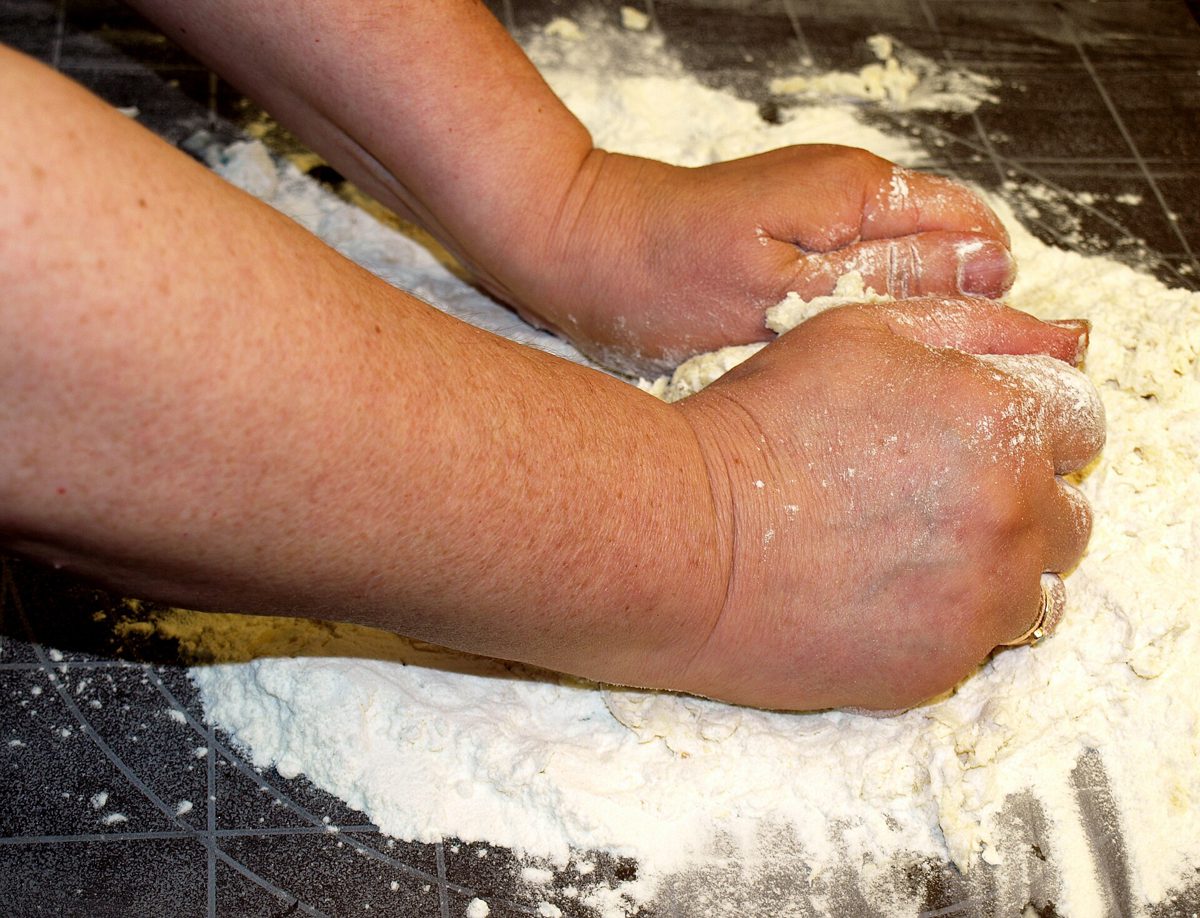
Dough: sift the flour into a bowl, add salt and oil (or butter) and the egg if using. Pour in the hot water, mix with a spoon, and when the dough cools, knead by hand for 5–10 minutes until smooth and elastic. Wrap in plastic wrap and let rest for 30 minutes.
-
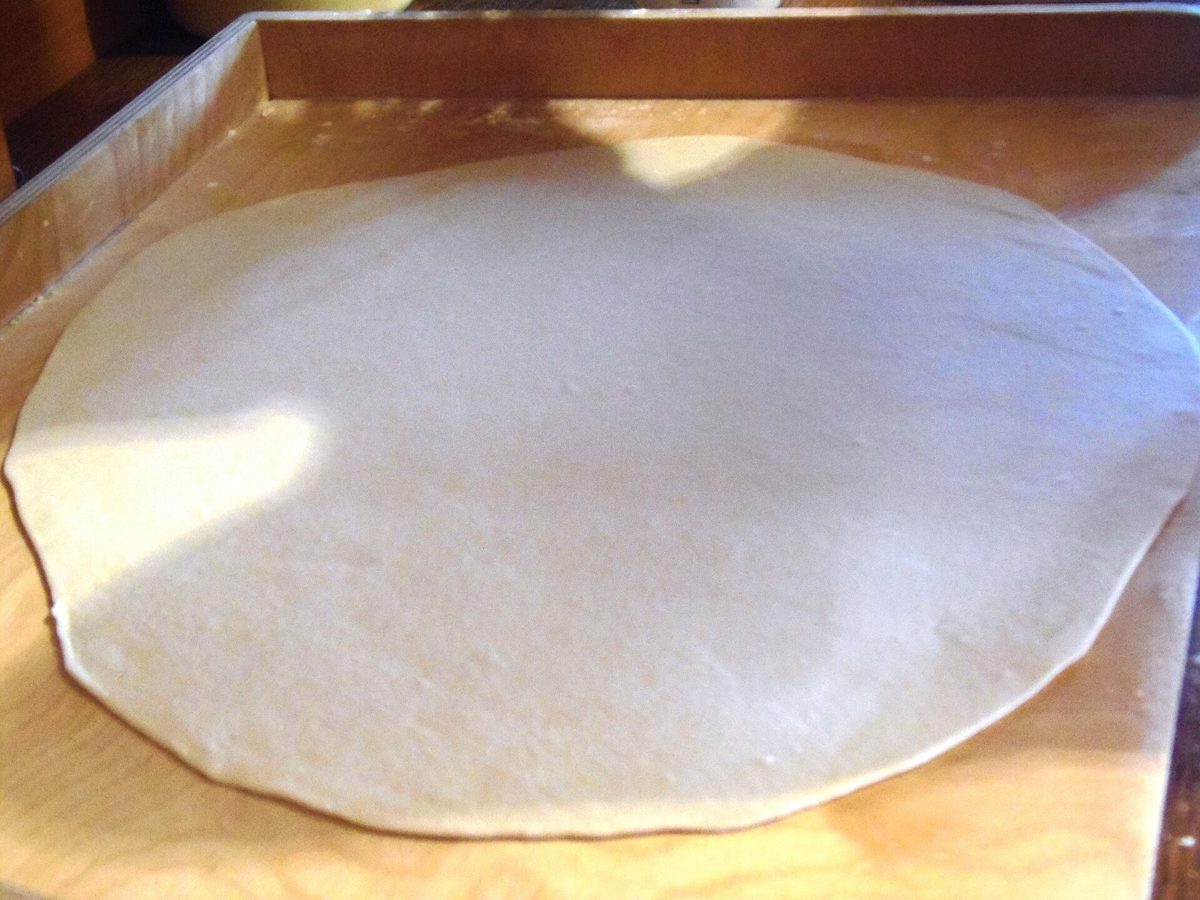
Roll out the dough in batches thinly, to about 2 mm, keeping the rest covered with a cloth to prevent drying. Cut out circles with a glass or cutter, about 7–9 cm in diameter.
-
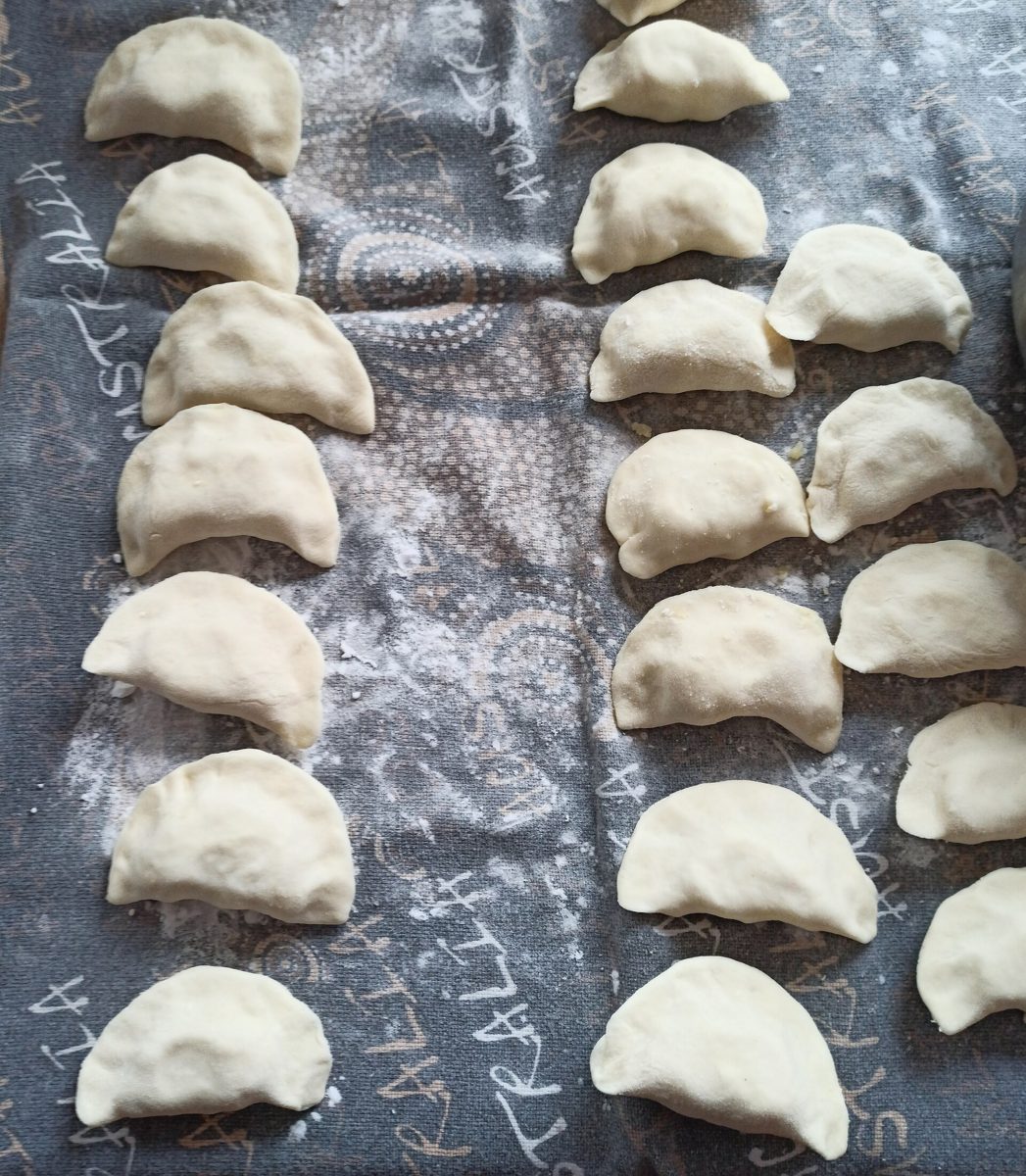
Place a portion of filling on each circle, fold in half, and carefully seal the edges by pinching with your fingers. If you like, make a decorative edge. Place the finished pierogi on a cloth sprinkled with flour.
-
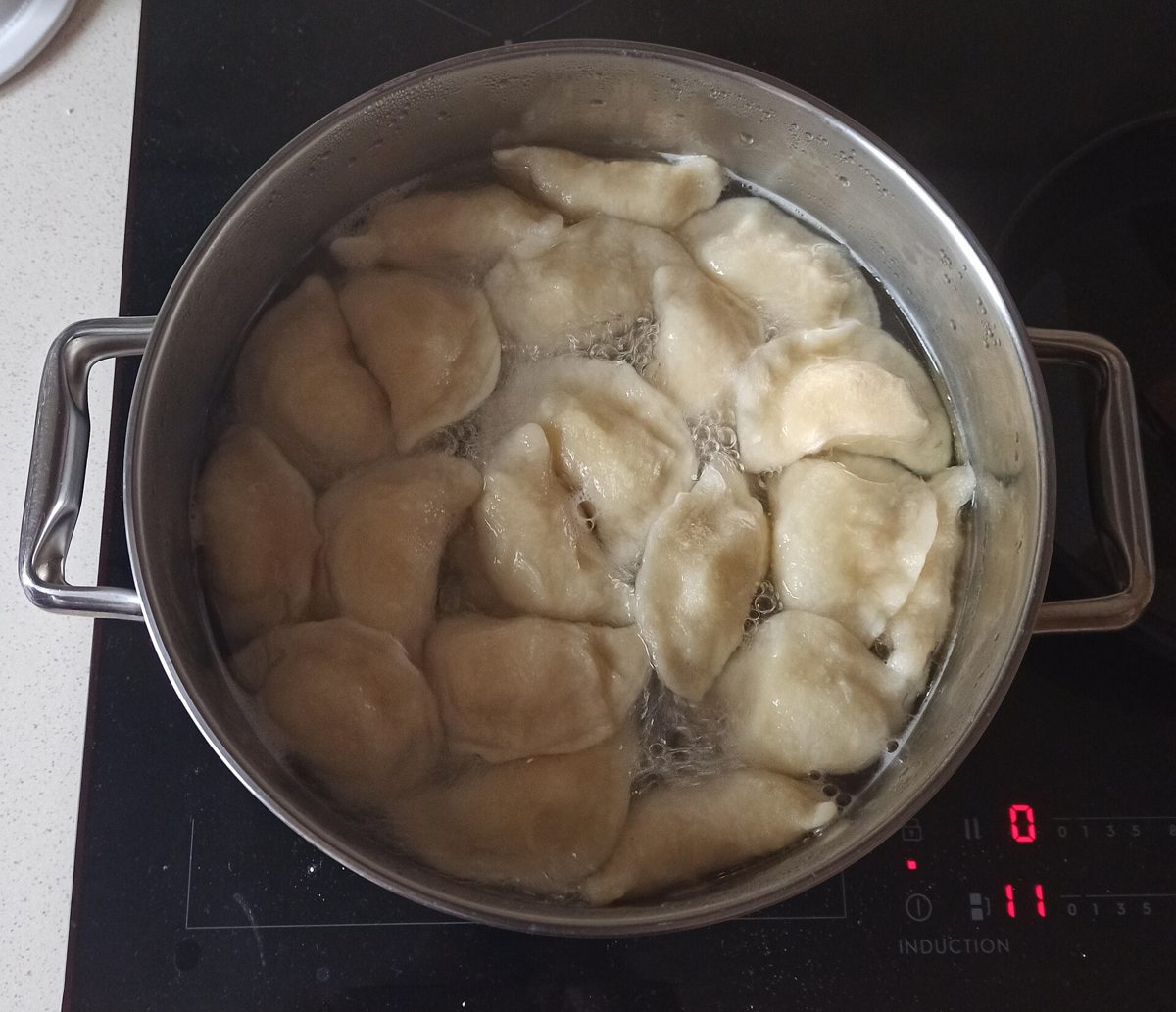
Bring a large pot of salted water to a boil. Drop the pierogi in batches, about 15 at a time, and gently stir with a wooden spoon at first to prevent sticking to the bottom. The water should be just gently bubbling.
-
When the pierogi float, cook them for another 2–3 minutes, then remove with a slotted spoon.
-
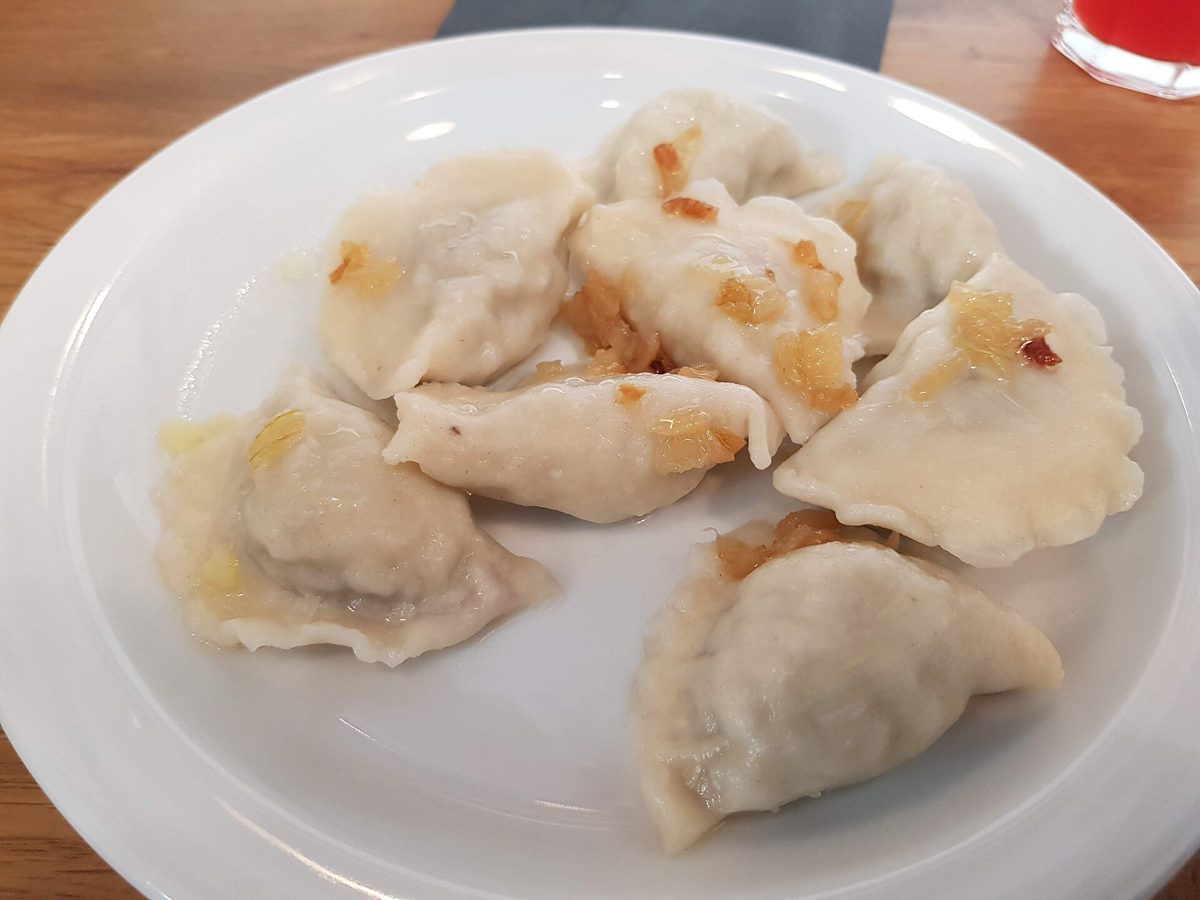
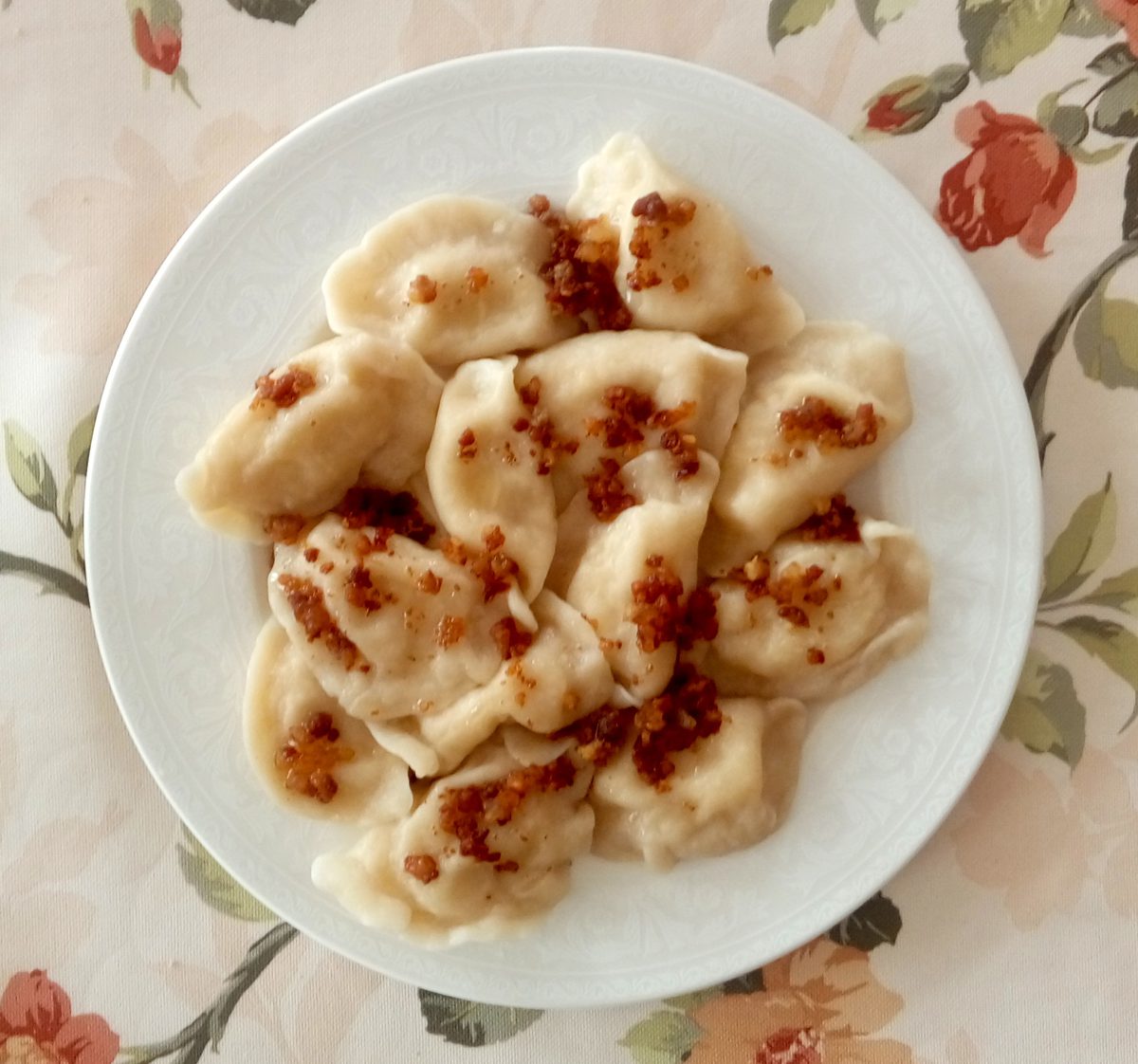
Serve immediately with sautéed onions or cracklings and sour cream.
Photos